



Antique Display Cup
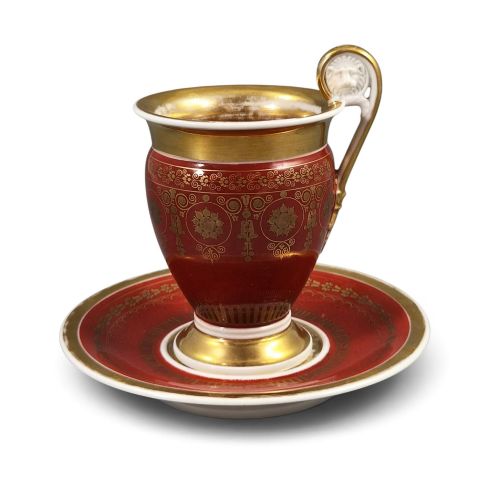
These antique display cup pieces are cabinet cups, teacups, and lacquer sets meant for visual appreciation rather than daily service.
Antique Display Cup
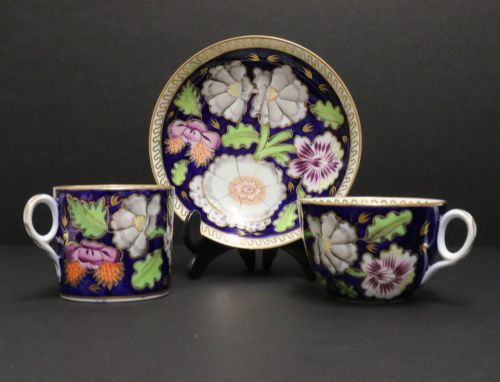
When you search for an antique display cup, you encounter cabinet cups, teacups, and lacquer sets designed for ornamental showcase rather than everyday use. These items emerge from periods such as the Georgian, Regency, Edwardian, and the early twentieth century.
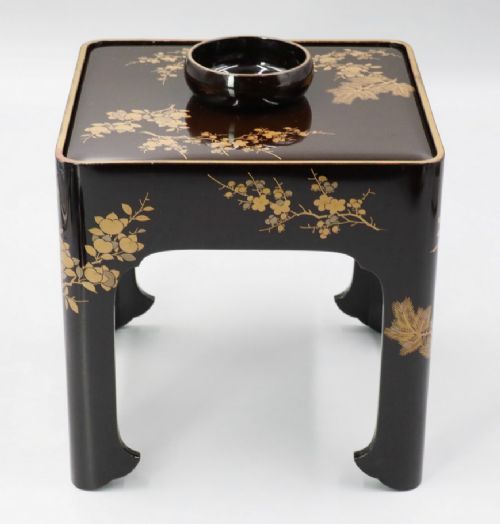
The most common versions met on this page include porcelain cabinet cups and saucers from English, French, and German factories, alongside Japanese lacquer sake cups with stands. Forms range from single handled vessels to sets created for visual display inside cabinets.
Makers and origins span English Newhall and Royal Worcester, French Vieux Paris, Berlin porcelain, and Japanese Meiji workshops. Each piece reflects the decorative priorities of its specific era, balancing utility traditions with pure ornamentation.
How they were made
The materials recorded in these listings rely heavily on fine porcelain, enamel, gold leaf, and lacquer applied over wood. Factories utilised hard paste and soft paste porcelain bodies shaped into cabinet cups and topographical forms.
Techniques involve hand painting, gilding with gold leaf, and intricate lacquer work found on Japanese Meiji sake sets. Makers added sculptural elements such as lion mask handles and applied enamel details to elevate the visual impact.
Antique Display Cup Retail Price Guide 2026
Typical asking prices for display cup among the pieces listed under this phrase on Sellingantiques today, from the lower quarter to the upper quarter. They describe what is for sale here now, not the wider market.
Some nineteenth century shaving mugs come with integrated moustache guards to keep facial hair dry during morning routines.
What varies in quality
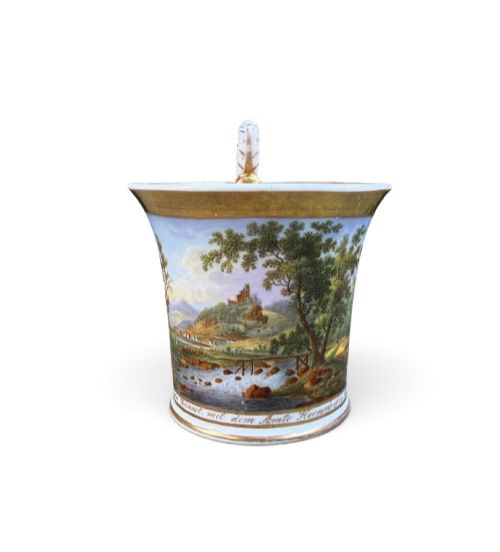
Quality in these pieces rests upon the crispness of the hand painted decoration, the precision of the gilding, and the integrity of the porcelain or lacquer body. Top tier examples exhibit refined topographical painting and well preserved gold leaf.
The depth and execution of sculptural details, such as moulded handles or applied enamel, separate standard production from superior artistic output. Condition and the survival of matching stands or saucers also govern the standing of an item.
Newhall·Berlin·Royal Worcester
The Antique Display Cup Glossary
- Cabinet cup
- A specialised porcelain cup made primarily for display in a cabinet rather than for drinking tea. These pieces often feature elaborate topographical scenes or fine gilding.
- Vieux Paris
- A term applied to porcelain produced by various independent workshops in Paris during the eighteenth and nineteenth centuries. These wares are noted for bright colours and rich gilding.
- Meiji
- A period in Japanese history spanning from 1868 to 1912 characterised by the opening of trade with the West. Lacquerware and metalwork from this era show exceptional technical precision.
- Gold leaf
- Hammered sheets of gold used to decorate the surfaces of porcelain and wood objects. It provides a reflective finish that enhances the ornamental character of display pieces.
- Trio
- A matching set consisting of a teacup, a saucer, and a matching plate. These groups are frequently found in Regency and Georgian porcelain.
Antique Display Cup: Frequently Asked Questions
What is an antique display cup?
An antique display cup is a decorative vessel, often made of porcelain or lacquer, created to be shown off in a cabinet rather than used for drinking.
These pieces showcase the artistic skills of factories from the Georgian era through to the early twentieth century.
How were cabinet cups used?
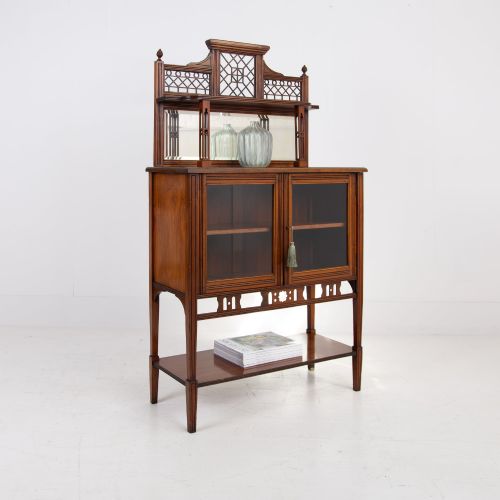
Cabinet cups were collected as ornamental objects and placed within glass fronted display furniture to demonstrate taste and wealth.
They remained largely untouched by daily dining habits, preserving their delicate painted surfaces and gold leaf decoration.
How do I identify a Regency cup?
Regency era cups often feature neoclassical shapes, gilt accents, and hand painted topographical views of landscapes or buildings.
Porcelain bodies from this time tend to be bright and well potted, reflecting changing European ceramic standards.
Are lacquer cups fragile?
Japanese lacquer cups require careful handling to protect the sensitive plant based resin surface from moisture and physical impact.
Keeping them out of direct sunlight helps preserve the deep tones of the lacquer and any accompanying stands.