



Antique Display Bust
An antique display bust provides a striking focal point for sculpture or shop merchandise, drawing the eye directly to the art it elevates.
Antique Display Bust
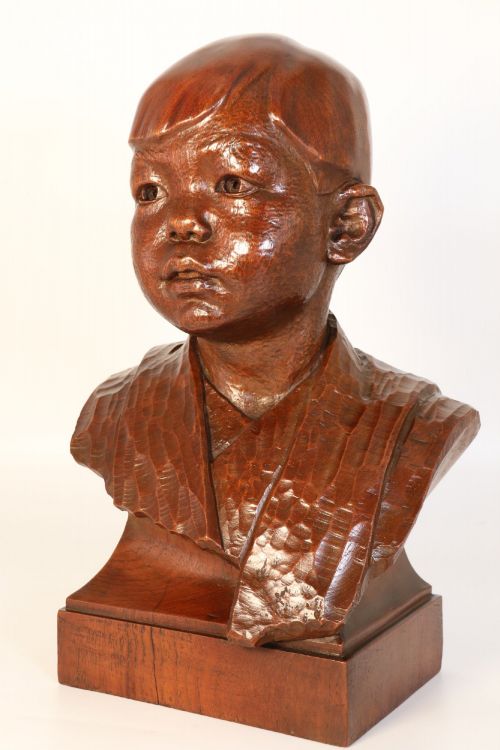
An antique display bust encompasses carved wooden heads, plaster milliner forms, and sculpted marble figures designed to showcase hats, garments, or fine art. These objects bridge the gap between commercial shop fittings and domestic sculpture displays.
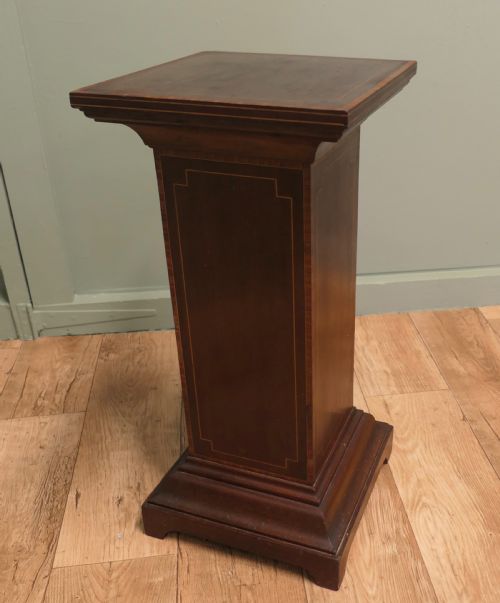
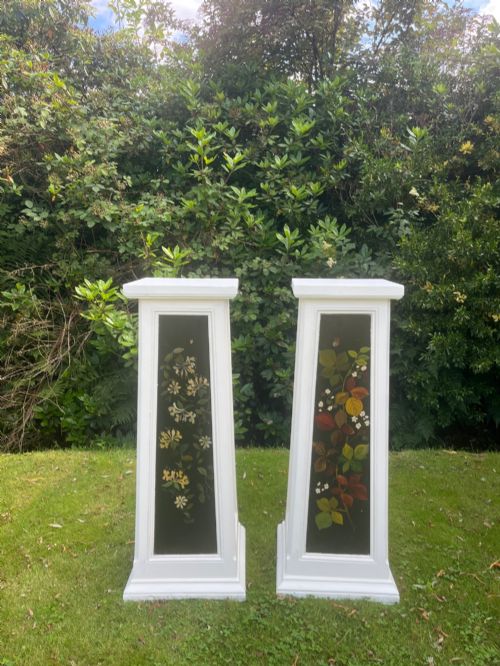
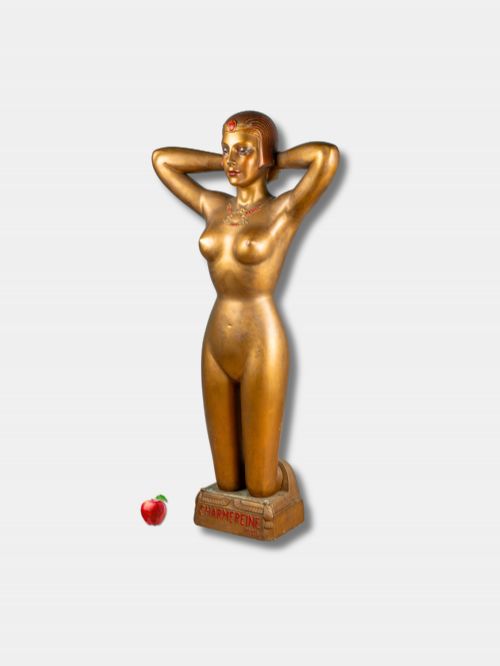
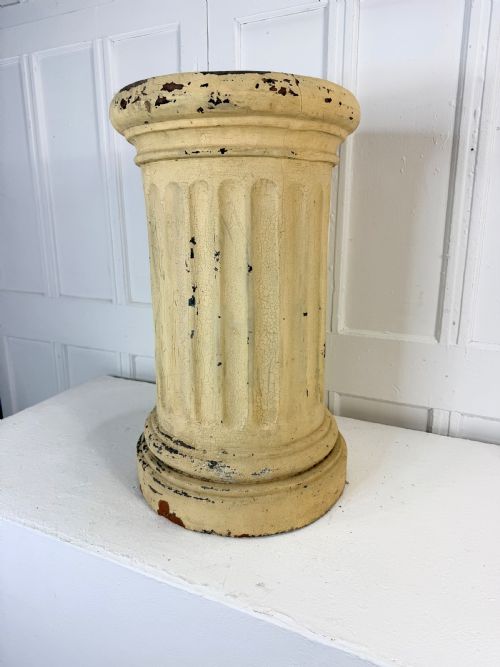
The versions most commonly met here range from Victorian mahogany pillars and painted plaster columns to early twentieth-century Parisian lingerie mannequins and Art Deco counter-top shop displays. Their origins stretch from Georgian workshops to mid-century French ateliers.
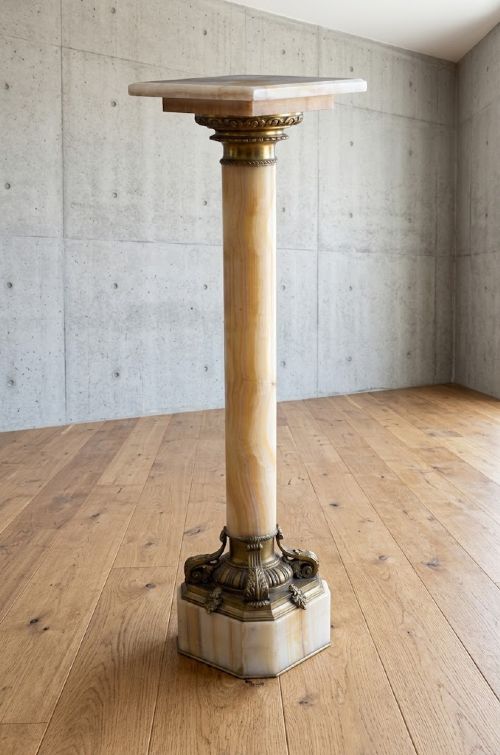
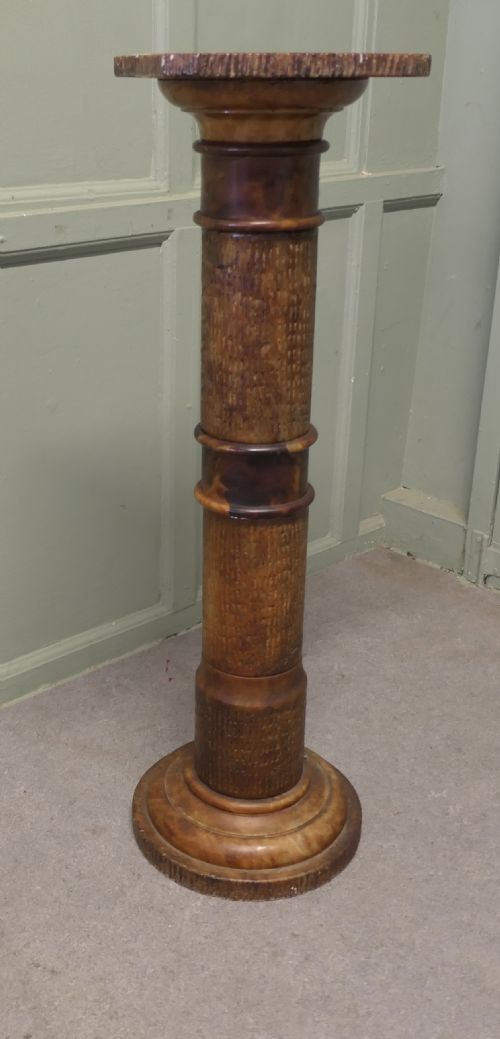
Many of these pieces function primarily as pedestals, plinths, and torchieres designed specifically to elevate a bust or sculpture within a room. They serve both a practical support role and an architectural decorative function.
Materials and Methods
Makers utilised dense timbers such as mahogany, walnut, oak, and birch, often turning them on a lathe into classical columns or carving them with meticulous detail. Surface treatments included original faux marble paint finishes, polychrome pigments, and gilt bronze or ormolu mounts.
Stonework required skilled masonry, utilising Carrara marble, scagliola, onyx, and terracotta to form heavy, stable columns and portrait heads. Cast iron, brass, and plaster also appear frequently in the construction of industrial draper's stands and advertising mannequins.
Materials span natural stone, cast metal, and carved timber, reflecting centuries of interior display traditions.
Judging Quality and Craft
The standard of a piece depends on the depth and precision of the carving, particularly in organic subjects like walnut character heads and wooden caryatids. Superior examples demonstrate anatomical accuracy and crisp architectural detailing on capitals and collars.
Material selection dictates longevity and visual impact, separating solid carved stones and dense hardwoods from simpler plaster or painted softwood constructions. The survival of original painted surfaces, patination, and robust metal mounts elevates the standing of any support.
Shoolbred·George Henry Paulin RBS·Charmereine·Pierre Iman
The Antique Display Bust Glossary
- Torchiere
- A tall, slender stand historically designed to hold a light source, now commonly utilised to display sculptures and busts. These columns lift artwork to eye level.
- Ormolu
- Gilt bronze mounts applied to furniture and pedestals, prevalent in nineteenth-century French cabinet making. This decorative metalwork adds a contrasting metallic sheen to wood and stone.
- Scagliola
- A composite material made from selenite, glue, and pigments, mimicking marble and other fine stones. Craftsmen embedded and polished this mixture to create decorative architectural columns.
- Caryatid
- A sculpted female figure serving as an architectural support taking the place of a column or pillar. These carved figures often feature on the corners of heavy wooden pedestals.
- Mannequin
- A bust or full figure used by tailors and shopkeepers to fit or display clothing and millinery. Vintage examples utilise plaster, papier-mâché, and wax over articulated frames.
Antique Display Bust: Frequently Asked Questions
What were antique display busts used for?
These pieces served practical roles in retail spaces, millinery workshops, and tailors' shops to present hats, garments, and accessories to customers.
In domestic settings, wealthy households utilised similar pedestals and sculpted heads to showcase portrait busts, bronzes, and ornamental art.
How do I style a pedestal in a room?
Place a tall column or torchiere in an empty corner to add vertical height and architectural interest to a living space.
Top the stand with a contrasting sculpture, ceramic vessel, or plant to create a deliberate focal point.
Are these items suitable for modern retail display?
Original nineteenth and twentieth-century shop fixtures provide authentic character and structural support for contemporary boutique merchandising.
Their robust construction handles daily use while lending historical context to clothing, jewellery, and headwear.
How do I distinguish Victorian pieces from later items?
Victorian examples often favour heavy carved timbers like walnut and mahogany, alongside traditional classical revival motifs such as fluted columns.
Twentieth-century pieces frequently introduce industrial cast iron elements, plaster finishes, or streamlined Art Deco styling associated with modern shop advertising.