



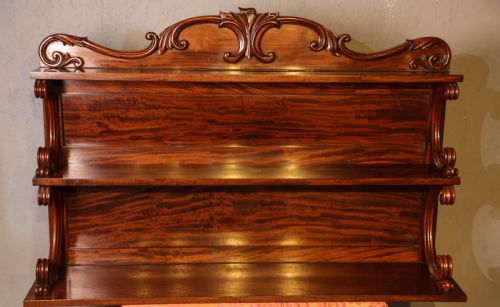


Antique Display Bracket
An antique display bracket lifts ornament above the floor, and these timber and giltwood ledges showcase precious ceramics, timepieces and small sculptures upon the wall.
Antique Display Bracket
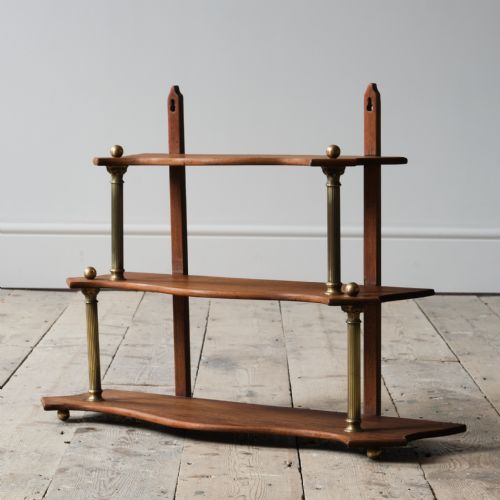
An antique display bracket takes many forms on this page, appearing as single wooden wall ledges, paired corbels, corner shelves and small hanging bookcases designed to project a prized object into the room. These pieces originate across the nineteenth and early twentieth centuries, spanning Victorian, Regency, Edwardian and continental revival styles.
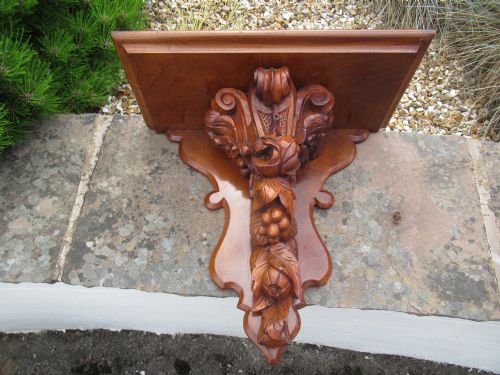
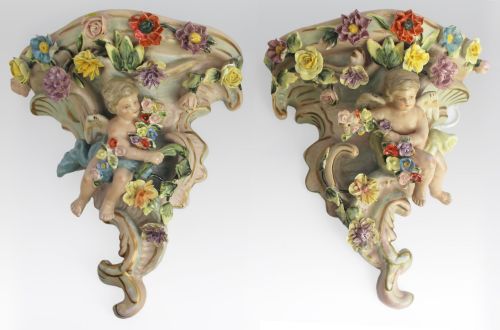
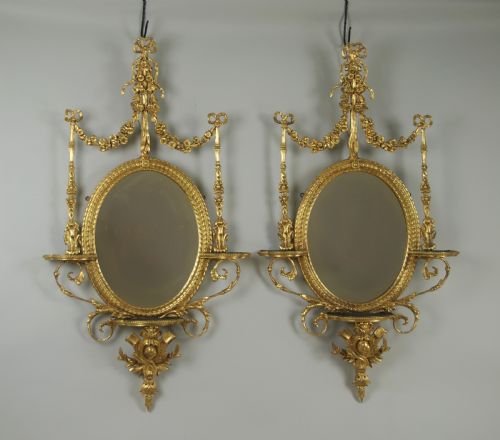
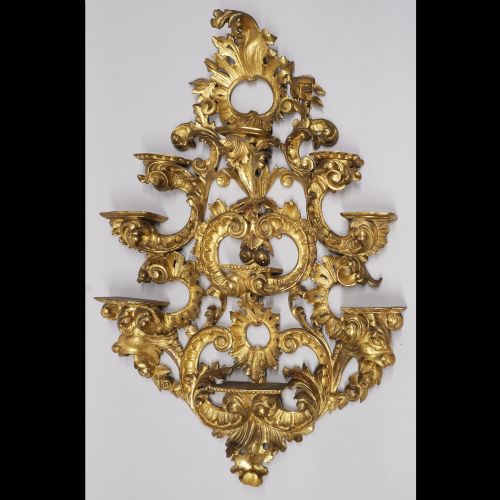
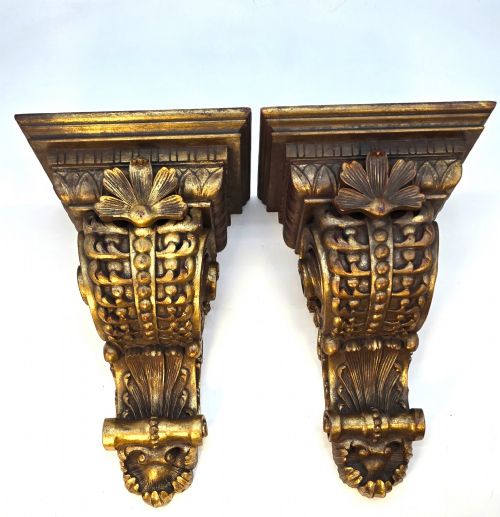
Mahogany, walnut and carved giltwood dominate the selection, often taking the shape of Rococo cherubs, classical foliage or geometric inlaid ledges. Buyers frequently encounter matched pairs intended to balance a room or flank a mirror, alongside single architectural supports built to carry a mantel clock or porcelain figure.
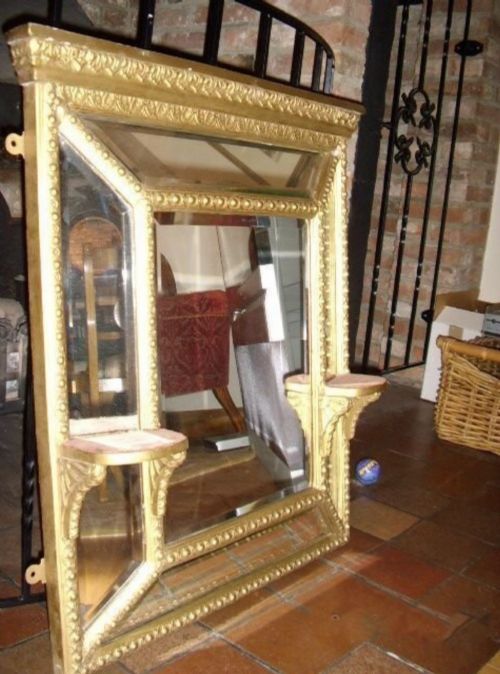
Function aligns closely with display, as these ledges support everything from plate racks and mirror shelves to wrought iron brackets and inlaid Syrian wall cornices. The range stretches from simple domestic hanging shelves to ornate Italian and French giltwood carvings meant for formal reception rooms.
Materials and Craftsmanship
Carvers shaped these brackets from solid timbers such as mahogany, walnut, oak, limewood and olive wood, frequently employing hand chisels to create deep relief foliage, scrolling acanthus and figural cherubs. Cabinetmakers added surface interest through intricate veneers, Sorrento marquetry inlay and mother-of-pearl detailing.
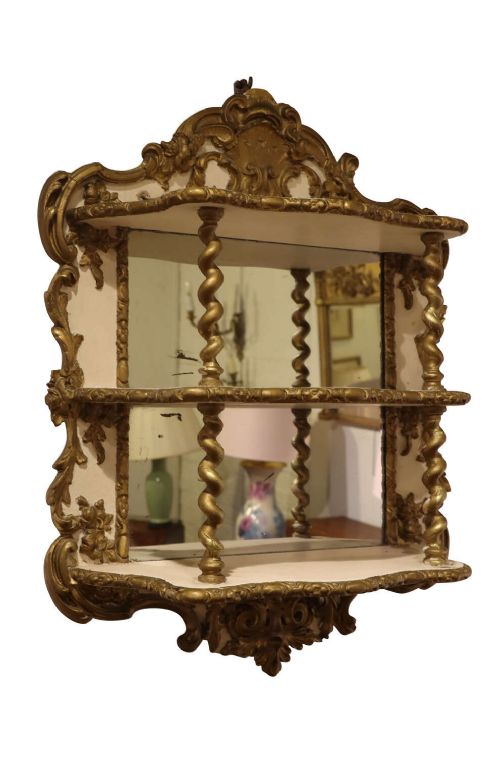
Giltwood and gesso pieces relied on the application of fine gold leaf over a prepared plaster base on carved wooden cores, achieving a brilliant metallic lustre favoured in Victorian and Regency interiors. Wrought iron and cast brass provided robust structural alternatives for heavier architectural shelves and clock brackets.
Distinctions in Quality
Depth of carving and crispness of detail separate superior examples from standard production, as master carvers achieved lifelike expression in figures and sharp undercut foliage rather than shallow, machine-routed patterns. The integration of high-grade materials like fire-gilt bronze, genuine gold leaf and figured mahogany defines the upper tier of execution.
Structural integrity depends on the joinery connecting the horizontal shelf to the vertical backplate, where rebated joints and solid mounting blocks ensure the bracket can bear weight safely. Original surfaces untouched by heavy modern stripping retain the patination and tonal warmth expected by discerning collectors.
The Antique Display Bracket Glossary
- Giltwood
- Timber coated with thin gold leaf applied over a gesso ground. This technique creates a luminous, reflective surface common on decorative wall brackets.
- Corbel
- A structural or decorative bracket projecting from a wall to carry a weight. In display pieces, these often feature carved scrolls or mythological figures.
- Marquetry
- Decorative veneer patterns formed by fitting small pieces of wood, ivory or shell into a wooden background. Sorrento items frequently showcase this intricate pictorial technique.
- Sconces
- Wall brackets originally designed to hold lighting fixtures or candles. Many survive adapted or built specifically for small ornamental display.
- Gesso
- A plaster mixture applied to wood as a smooth base for gilding or painting. It allows carvers to achieve fine, sharp details beneath gold leaf.
Antique Display Bracket: Frequently Asked Questions
How do I mount an antique display bracket safely?
Most antique brackets utilise original screw holes or added brass mounting plates set into the vertical backboard. Secure the piece directly into wall studs or use appropriate heavy-duty wall anchors suited to the weight of the timber and the object placed upon it.
Ensure the wall plate sits flush against the plaster to prevent any tilting strain on the joints. Distribute the weight evenly across the shelf surface, keeping heavier clocks or bronzes towards the back where the structural support meets the wall.
What objects work best on these shelves?
These ledges suit small, high-detail items that benefit from being viewed at eye level. Antique pocket watches, porcelain figurines, small bronzes and framed portrait miniatures sit particularly well upon them.
Matching pairs provide symmetry for flanking a mirror, doorway or fireplace opening. Single brackets serve as dedicated focal points for a single statement piece like a French mantel clock or a majolica plate.
How do I distinguish Victorian from Regency brackets?
Regency pieces tend to favour clean architectural lines, classical revival motifs, and dense dark mahogany with minimal fuss. Victorian brackets often embrace exuberant ornamentation, deep relief carving, and giltwood finishes reflecting Rococo or Baroque revivals.
Examine the secondary woods at the back and the method of construction for further clues. Later Victorian and Edwardian examples may also incorporate machine assistance alongside hand-chiseled details.
How should I clean gilded wood surfaces?
Dust gilded surfaces extremely gently using a very soft, dry artist brush or ostrich feather duster. Avoid all commercial cleaning sprays, wet cloths and abrasive materials which can easily strip thin gold leaf.
Keep antique giltwood away from direct sunlight and damp environments to prevent the gesso base from cracking. Professional conservation is advised if the gold leaf begins to flake or separate from the timber.