


Antique Display Bases
These antique display bases provide a solid foundation for cabinets, plinths and statuary, offering stability and style to anchor a collection.
Antique Display Bases
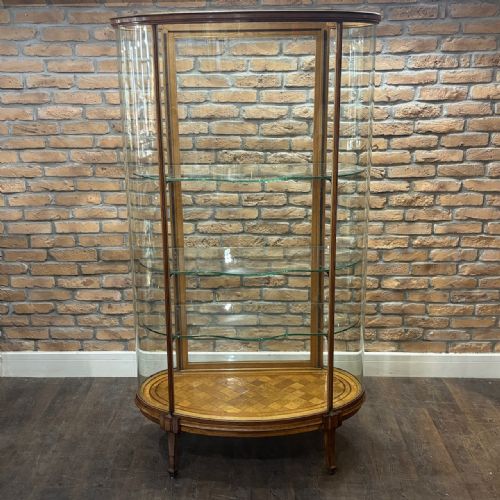
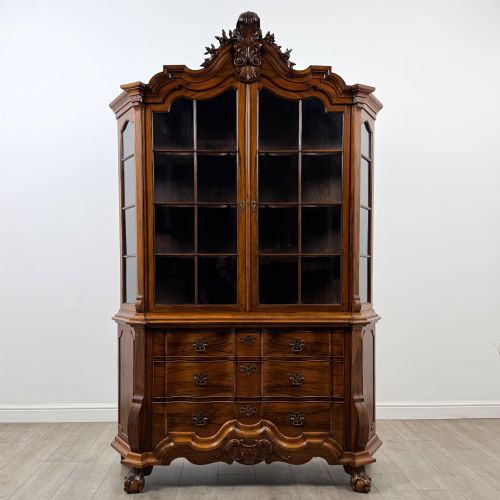
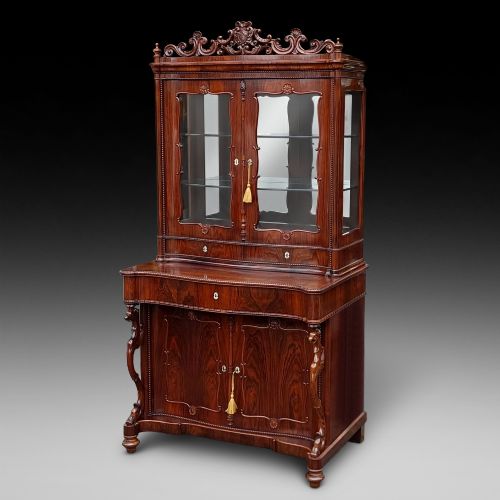
When you search for antique display bases, you encounter structural supports, cabinet plinths, and architectural columns designed to elevate objects of importance. The evidence points to furniture and display elements spanning the Victorian, Edwardian, and Georgian eras, along with 19th-century French and Art Deco examples.
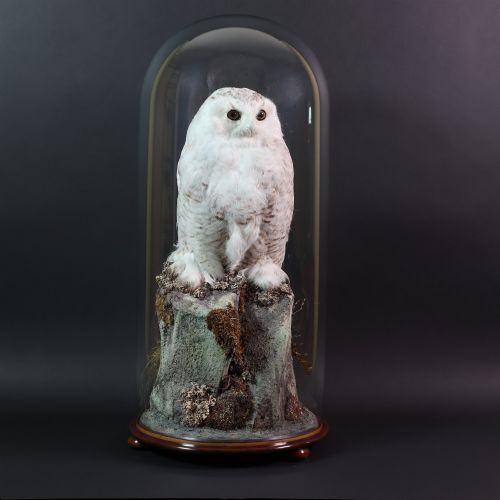
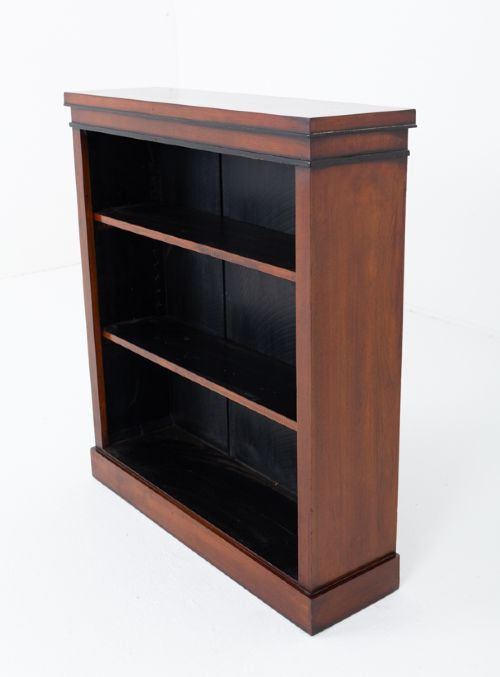
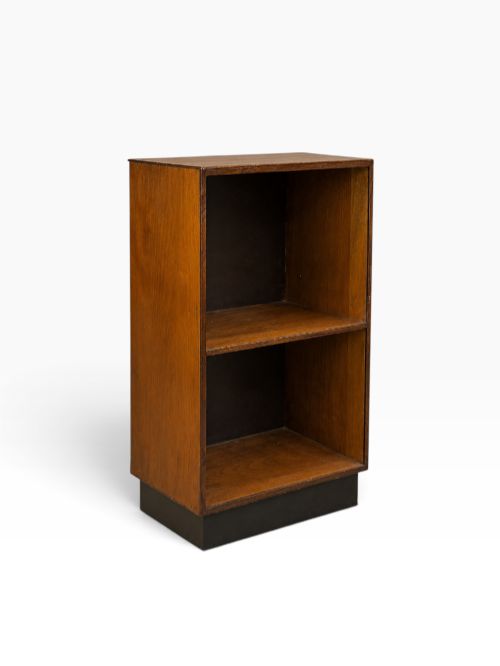
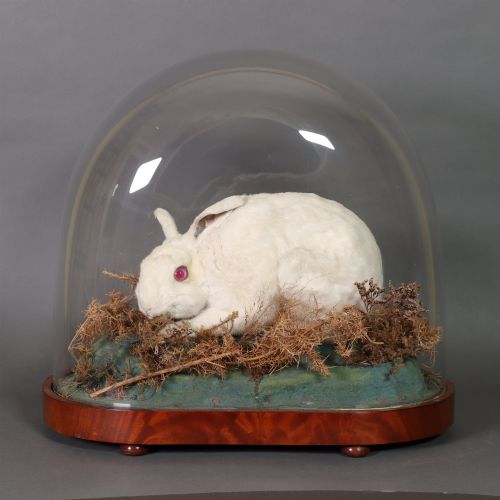
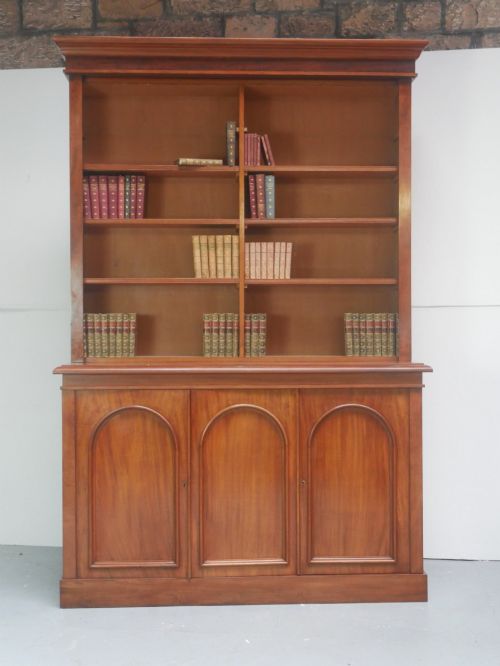
The forms on this page range from the simple mahogany base of a bookcase to specialised marble blocks and brass scroll supports. You see them integrated into larger pieces or serving as independent pedestals for models, taxidermy, and tazze.
Materials and construction methods
Makers utilised dense timbers such as mahogany, oak, walnut, and pollard oak, often shaping them to match the architectural style of the period. These woods provide the weight and structural integrity required to support heavy glazed cabinets and bookcases.
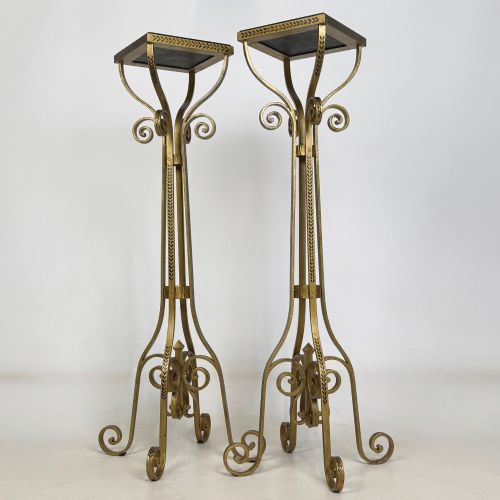
Metal and stone feature prominently alongside timber, with brass, cast iron, bronze, and various marbles forming robust architectural plinths and scroll bases. Artisans combined these durable materials with inlay, ebonising, and intricate carving to finish the visible surfaces.
Antique Display Bases Retail Price Guide 2026
Typical asking prices for display bases among the pieces listed under this phrase on Sellingantiques today, from the lower quarter to the upper quarter. They describe what is for sale here now, not the wider market.
An automated cobblers shop display model brings a surprising mechanical movement to the selection of static wooden furniture.
Judging the construction and finish
Quality rests upon the integrity of the joinery and the selection of figured timber or high-grade stone. Bases that maintain structural rigidity under heavy weight without relying on modern fasteners demonstrate superior original craftsmanship.
The sophistication of the carved detail and the harmony between the support and the upper object separate standard utilitarian pieces from exceptional examples. Finer bases exhibit precise proportion and thoughtful integration of secondary materials like brass or marble.
James Gardner·F. Sage and Co
The Antique Display Bases Glossary
- Plinth
- A heavy rectangular or square block forming the lowest base of a column, pedestal, or cabinet. It distributes weight evenly and elevates the object above floor level.
- Bombe base
- A swelling, outwardly curving lower section found on certain Continental cabinets and case furniture. This rounded profile requires advanced woodworking skill to construct.
- Tripod base
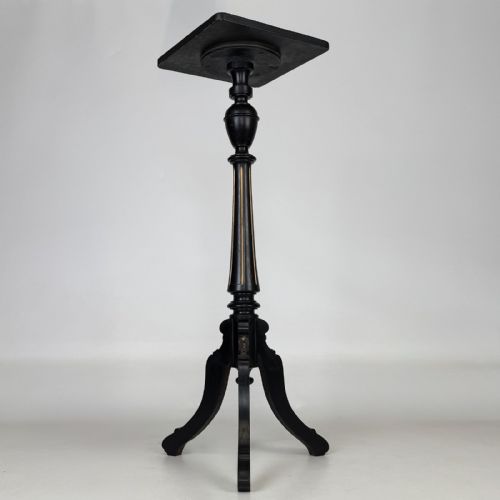
- A three-legged support structure commonly utilised on plant stands and torchieres to ensure stability on uneven surfaces. Each leg extends outward to balance tall vertical forms.
- Scroll base
- A support featuring ornamental volutes or spiral scrolls, frequently cast in brass or carved in wood. These decorative elements soften the transition between the ground and the object displayed.
Antique Display Bases: Frequently Asked Questions
What holds antique display bases?
These bases primarily support heavier furniture, display cabinets, bookcases, and decorative objects like marble tazze and models.
They distribute weight securely while lifting the primary object off the floor for better viewing.
How do I identify Victorian bases?
Victorian examples often utilise dark, heavy timbers such as mahogany and pollard oak, combined with substantial construction methods.
Look for period-specific carving styles and robust proportions typical of the nineteenth century.
Can separate display bases hold statues?
Independent marble and wood columns, pedestals, and plinths function specifically to display statuary, taxidermy, and decorative models.
These architectural supports provide a stable platform designed to bear vertical weight safely.
What materials are used for bases?
Construction materials span native and exotic hardwoods alongside metals and stone.
Mahogany, oak, walnut, brass, cast iron, and marble appear frequently across the different periods.