



Antique Dining Wagon
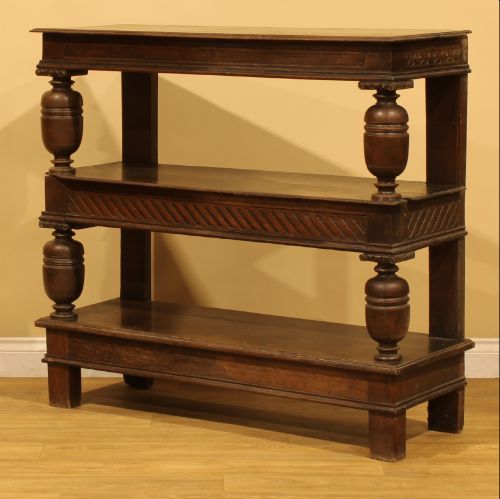
These antique dining wagon pieces are heavy timber servers and dumb waiters designed to ease the service of food at formal tables.
Antique Dining Wagon
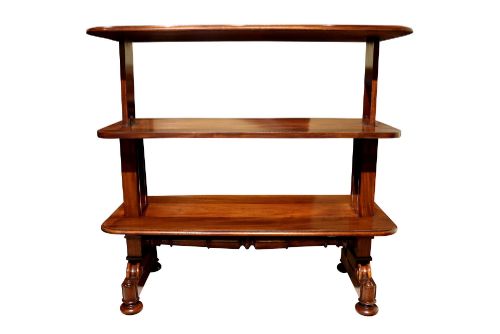
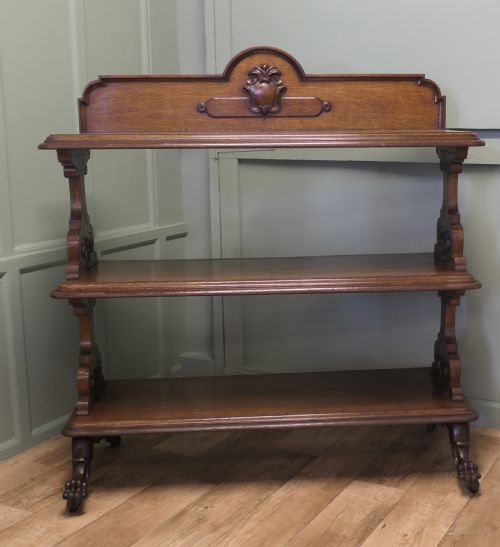
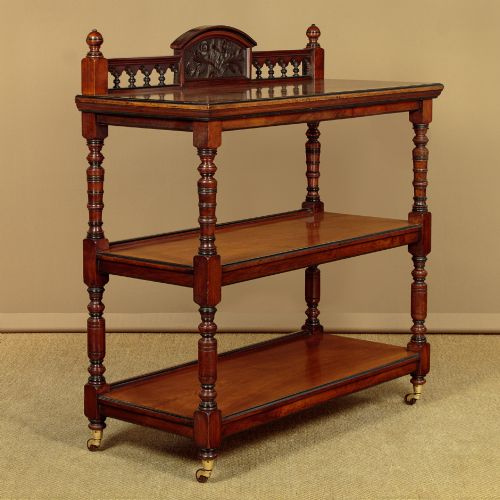
When a buyer looks for an antique dining wagon, they encounter sturdy wooden sideboards, buffets, and tiered dumb waiters intended for holding dishes during meals. The examples on this page span the Victorian and Edwardian eras, along with the William IV period and the Aesthetic Movement.
Most pieces met here are constructed in rich mahogany or walnut, though oak and pollard oak also appear. Forms range from simple three-tier stands to large carved cupboards and servers with cabinet bases.
Materials and construction
Cabinetmakers built these serving pieces using solid timber and veneers of mahogany and walnut, frequently incorporating carved details into the structure. Some iterations utilise brass hardware, metal elements, or ceramic components to finish the design.
Tiered stands and dumb waiters often rely on turned columns or rise-and-fall mechanisms, while heavier buffets feature enclosed cabinet bases and shelving.
Antique Dining Wagon Retail Price Guide 2026
Typical asking prices for dining wagon among the pieces listed under this phrase on Sellingantiques today, from the lower quarter to the upper quarter. They describe what is for sale here now, not the wider market.
The listings on this site concentrate heavily on Victorian mahogany and walnut pieces, spanning the mid to late nineteenth century alongside Edwardian examples.
Judging the work
Quality in these dining pieces rests upon the selection of timber and the ambition of the carving. Richly figured mahogany or pollard oak indicates a more thoughtful commission than plain utility timber.
The integration of mechanical elements, such as a rise-and-fall tier, demonstrates greater joinery skill than static shelving. Proportion and balance in the turning of columns also distinguish finer pieces from standard workshop output.
The Antique Dining Wagon Glossary
- Dumb waiter
- A tiered stand or movable table used for holding dishes and bottles beside a dining table. These pieces allow diners to serve themselves without the constant presence of servants.
- Buffet
- A sideboard or serving table designed for displaying and holding food and drink. They often incorporate cupboards or multiple shelves.
- Rise and fall
- A mechanical arrangement allowing shelves on a tiered stand to be adjusted in height. This mechanism is typically found on mid-nineteenth-century examples.
- Pollard oak
- Timber taken from the top growth of pollarded oak trees, prized for its dense and swirling knot patterns. It creates a highly decorative surface on Victorian servers.
Antique Dining Wagon: Frequently Asked Questions
What is an antique dining wagon used for?
These pieces served as auxiliary tables in the dining room, holding extra dishes, bottles, and tableware during large meals.
Today, they function well as drinks trolleys, sideboards, or display stands in a modern dining room or kitchen.
How do I date a wooden buffet?
Dating relies on the primary timber used, the style of carving, and structural forms associated with specific periods like William IV or the Victorian era.
Heavier carved oak often points to the later nineteenth century, whilst figured mahogany frequently indicates earlier nineteenth-century production.
Are tiered dumb waiters stable?
Most tiered stands are built with heavy central columns and solid wood tiers designed to bear the weight of heavy ceramics and silver.
Care should be taken when moving taller three-tier stands, especially those with mechanical rise-and-fall functions.
Where should I place a dining wagon?
These pieces sit comfortably against a dining room wall as a serving station or stand alone as a display surface for glassware.
Ensure they are kept away from direct heat sources to protect the polished mahogany or walnut surfaces.