



Antique Dining Room Stand
An antique dining room stand serves as a traditional multi-tier server or storage piece, offering practical display space for dining essentials.
Antique Dining Room Stand
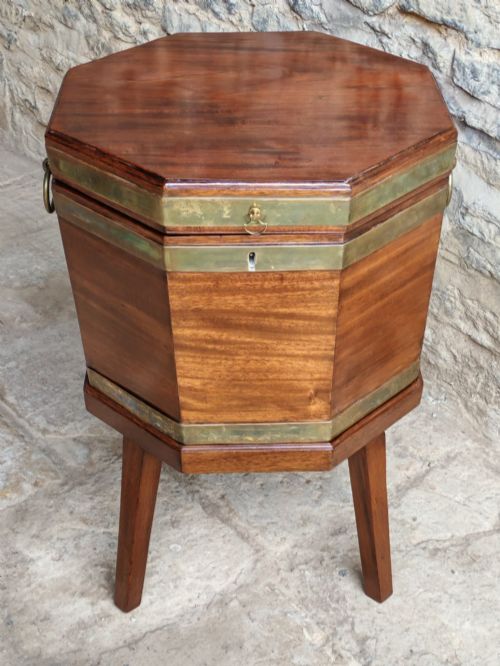
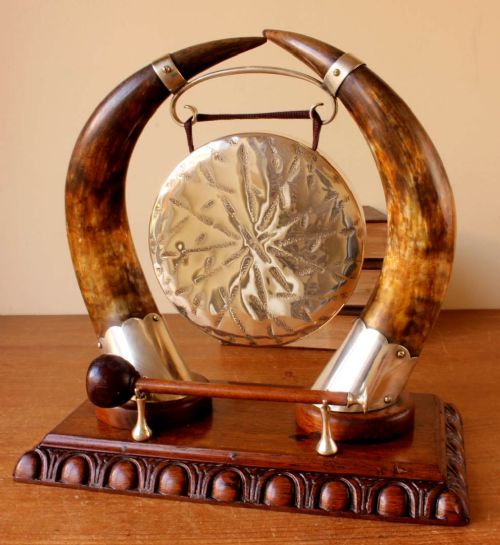
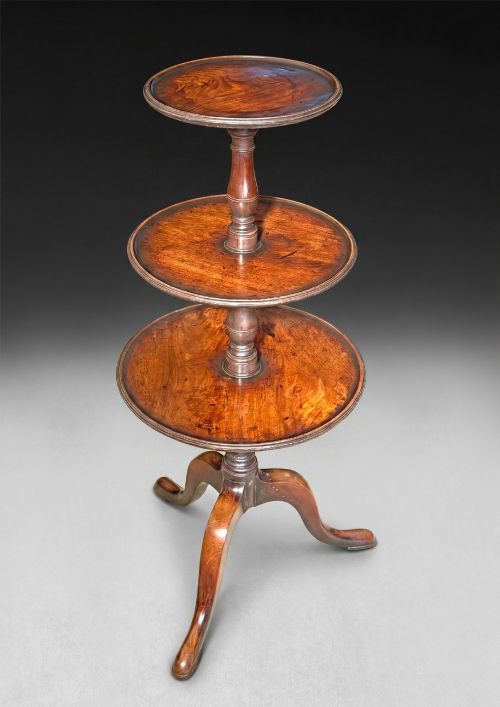
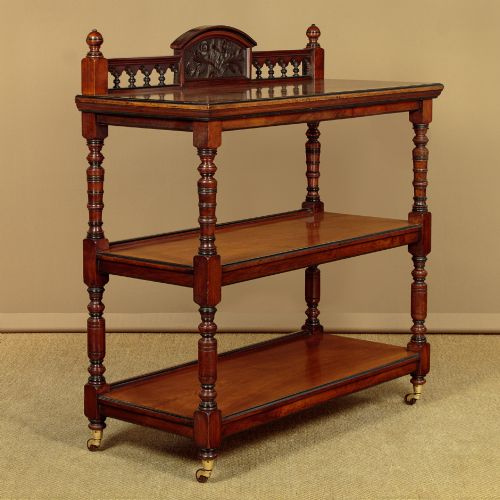
An antique dining room stand encompasses pieces designed to hold food, wine, and tableware during meals, most commonly appearing as tiered dumb waiters and serving tables. These items range from Georgian and Victorian periods through to later twentieth-century cocktail cabinets and wine coolers.
Beyond the classic tiered revolving dumb waiter, the category extends to specialised bottle stands, coasters, and pedestals intended for formal entertaining spaces. These varied forms reflect how dining room furniture evolved to accommodate changing habits in hospitality over successive centuries.
How they were made
Cabinet makers utilised dense hardwoods such as mahogany, oak, and walnut, frequently selecting figured veneers like burr walnut and pollard oak for decorative impact. Timber selection governed both the structural integrity and the visual richness of each tier and support column.
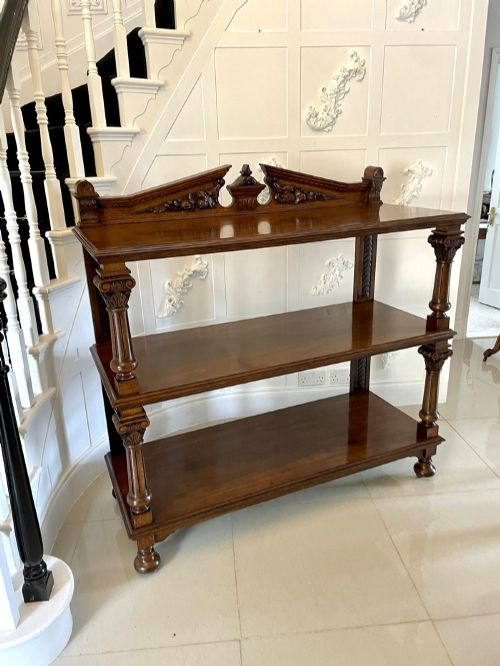
Construction techniques combined robust joinery with turned central pillars, tripod legs, and occasionally brass castors to allow smooth movement across dining room floors. Carved detailing appeared on select nineteenth-century pieces, while multi-tiered frameworks required careful balancing of graduating circular shelves.
Antique Dining Room Stand Retail Price Guide 2026
Typical asking prices for dining room stand among the pieces listed under this phrase on Sellingantiques today, from the lower quarter to the upper quarter. They describe what is for sale here now, not the wider market.
What varies in quality
The calibre of an antique dining room stand rests upon the choice of timber and the precision of its turning and joinery. Finer pieces display well-figured grain patterns across wide boards rather than patched veneers, maintaining structural rigidity without excessive bulk.
Proportion and stability separate standard utility pieces from exceptional examples, particularly on multi-tier revolving stands where the central column must support weight evenly. The integration of original brass hardware and subtle carving further distinguishes the upper tier of craftsmanship.
The Antique Dining Room Stand Glossary
- Dumb waiter
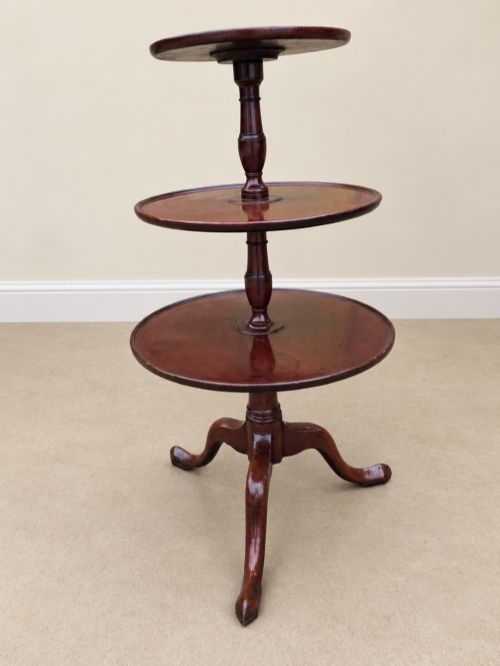
- A freestanding piece of dining furniture featuring multiple graduating tiers supported by a central pillar, designed to hold dishes without requiring servants at the table. These tiers often revolve for ease of access during meals.
- Wine cooler
- A dedicated vessel or cabinet lined to hold bottles and ice near the dining table during formal meals. Examples from the Georgian period often utilise heavy timber construction.
- Pollard oak
- Oak timber taken from trees that have been pollarded, producing a dense, highly figured grain pattern rich in small knots. Cabinet makers utilised this timber for decorative veneer surfaces.
- Tier
- An individual horizontal shelf or surface positioned above another on a multi-level stand. Dumb waiters typically feature two or three graduating tiers.
Antique Dining Room Stand: Frequently Asked Questions
What is an antique dining room stand used for?
These stands functioned historically as secondary serving surfaces placed near the dining table to hold extra dishes, wine, and tableware during long meals. They allowed diners to help themselves without constant interruption from household staff.
Today, collectors utilise them in dining rooms or living spaces as decorative display surfaces for plants, books, or glassware.
How many tiers do dumb waiters have?
Traditional dumb waiters commonly feature either two or three graduating circular tiers mounted on a single central pillar and tripod base. Three-tier versions represent the most frequent configuration seen in Georgian and Victorian iterations.
Each tier steps down in diameter toward the top, creating a stable pyramid silhouette designed for balance.
What timbers were used for these stands?
Mahogany served as the predominant timber for dining room stands across the Georgian and Victorian eras due to its strength and rich reddish-brown tone. Oak, walnut, and exotic veneers like pollard oak also appear frequently in the listings.
Secondary woods were often utilised for internal framing while primary display surfaces received the finest figured veneers.
How do I date a Georgian dining room stand?
Dating relies upon examining construction methods, timber choice, leg profiles, and the presence of stylistic markers associated with specific reigns such as George III. Georgian pieces generally display hand-cut joinery and dense, aged mahogany.
Later Victorian and 19th-century interpretations often incorporate heavier proportions or distinct decorative carving styles like the Aesthetic Movement.