

Antique Dining Leaves
These antique dining leaves and the tables they serve are practical modular timber surfaces built to lengthen family boards from the seventeenth century to the twentieth.
Antique Dining Leaves
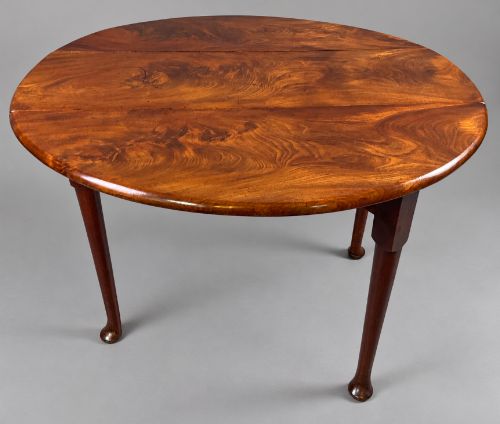
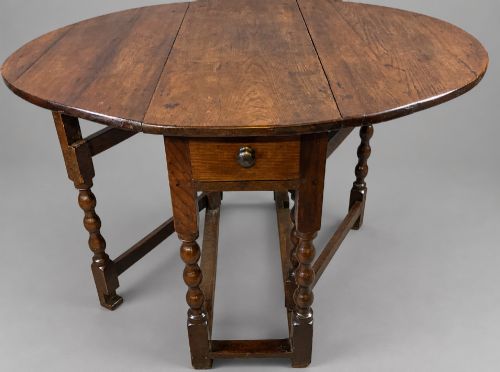
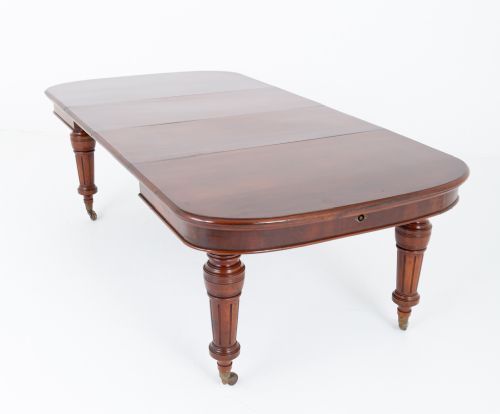
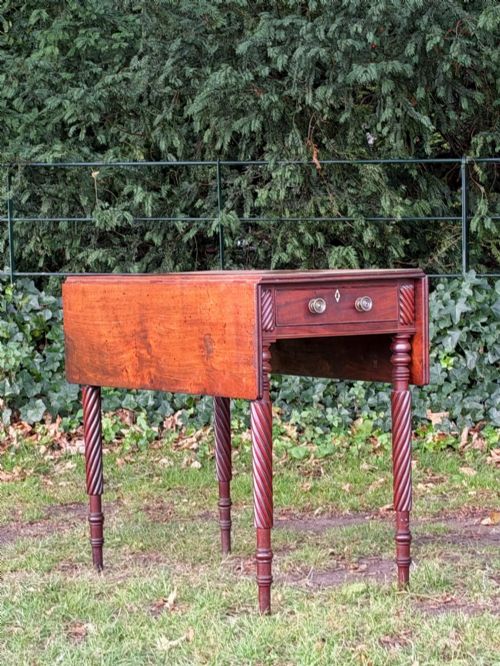
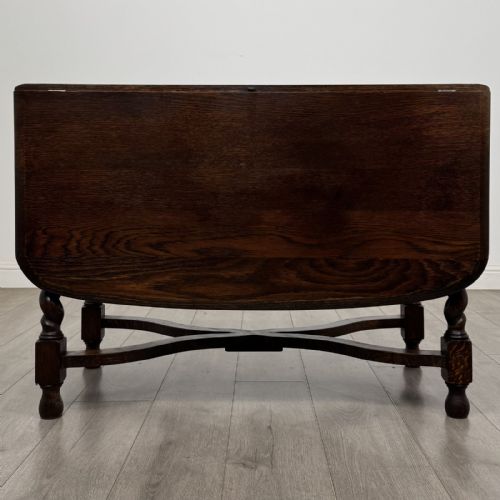
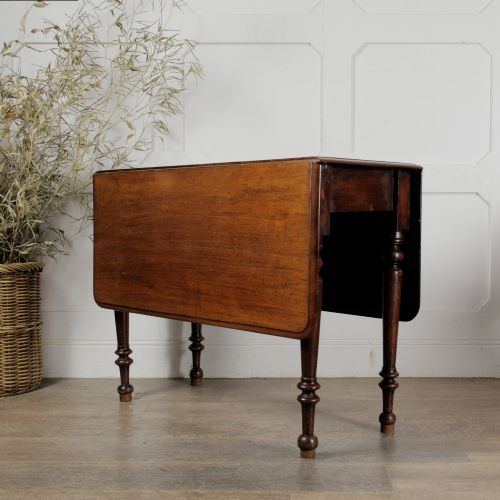
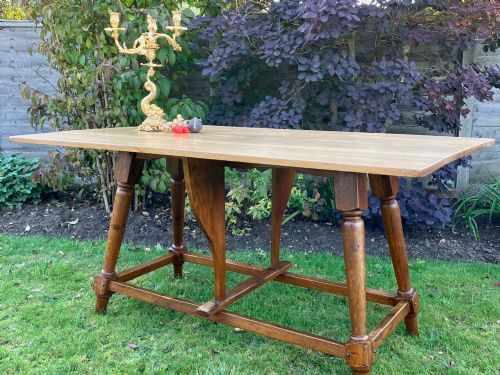
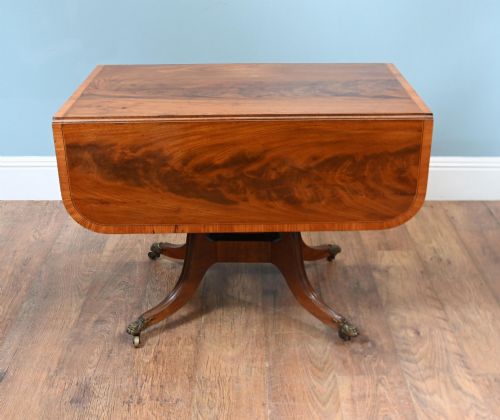
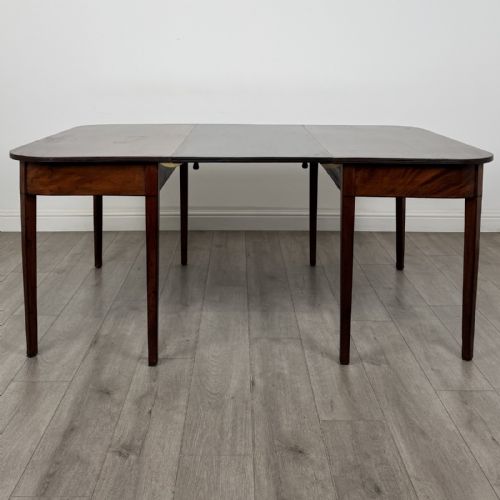
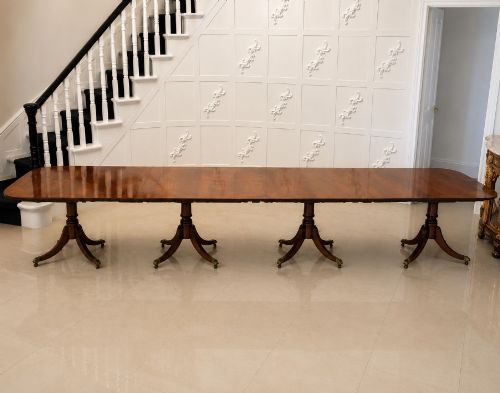
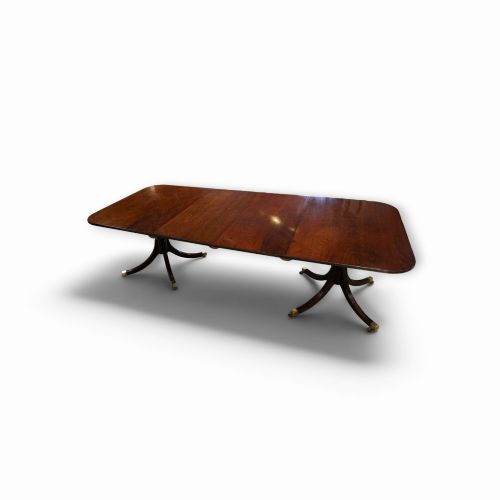
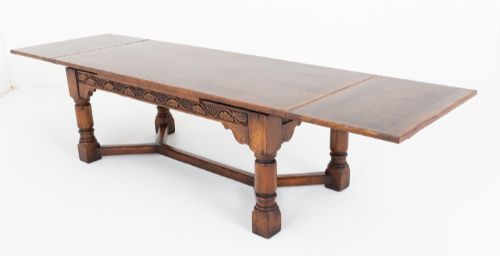
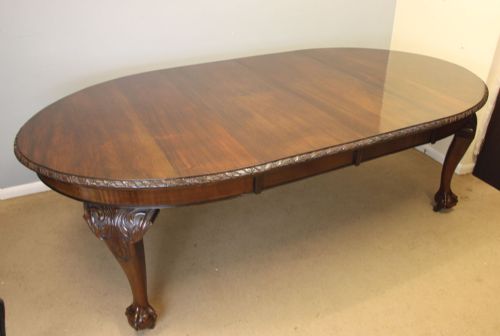
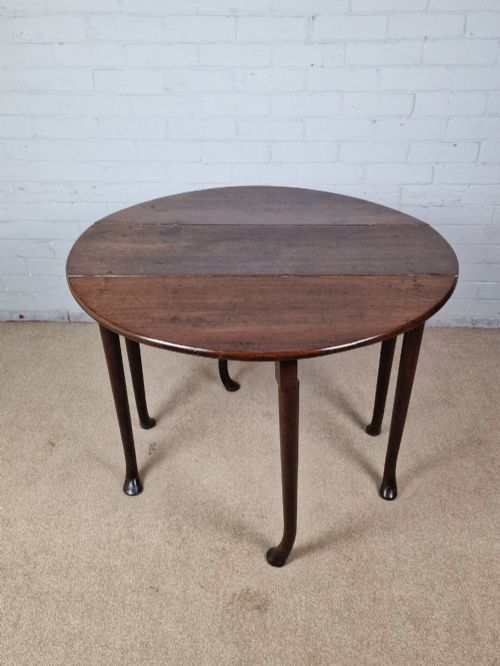
When you search for antique dining leaves, you are looking at the detachable sections or extension parts designed to expand large timber dining tables, alongside drop-leaf and draw-leaf tables whose leaves fold or slide out. The pieces on this page span the seventeenth, eighteenth, nineteenth, and twentieth centuries, taking the form of multi-leaf mahogany banquet tables, oak gateleg tables, and refectory designs.
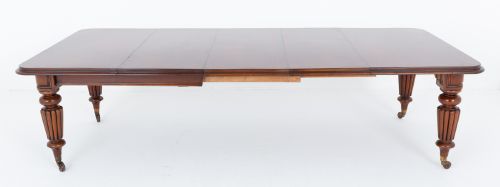
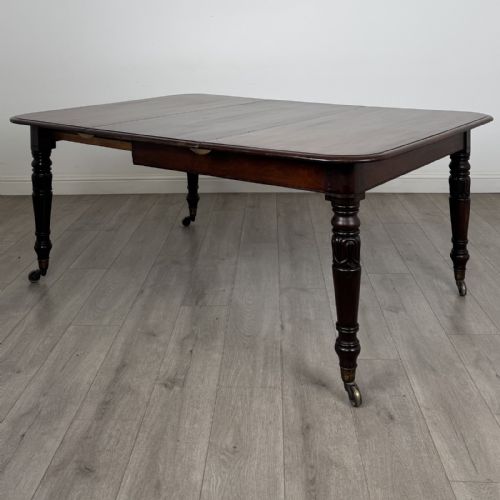
You are most likely to meet mahogany extending tables with original drop-in leaves dating from the Victorian and Edwardian eras, or large oak gateleg and draw-leaf variants from earlier periods. These items originate predominantly from British workshops and country houses, serving the traditional need to alter dining room capacity for guests.
What varies in quality
The distinction between ordinary utility tables and superior examples rests on the selection of timber, such as flame mahogany or figured oak, and whether the extra leaves are original to the board. Tables that retain their matching grain patterns and original brass winding mechanisms across every leaf command greater regard.
Construction solidity also dictates worth; substantial multi-pillar banquet tables with numerous reeded legs and tight joints represent higher craftsmanship than simpler folding kitchen variants.
Antique Dining Leaves Retail Price Guide 2026
Typical asking prices for dining leaves among the pieces listed under this phrase on Sellingantiques today, from the lower quarter to the upper quarter. They describe what is for sale here now, not the wider market.
Listings feature timbers including mahogany, flame mahogany, walnut, oak, and solid oak, paired with brass and iron hardware.
The Antique Dining Leaves Glossary
- Drop Leaf Table
- A table with hinged flaps on the sides that fold down when not in use. These flaps are supported by swing legs or brackets.
- Gateleg Table
- A table featuring drop leaves supported by legs that swing outward like a gate. This design provides sturdy support for the extended leaves.
- Draw Leaf Table
- A table equipped with extra leaves stored beneath the main top that pull out from the ends. This allows the surface area to increase without removing separate boards.
- Flame Mahogany
- Mahogany timber cut to reveal a distinctive flickering flame-like grain pattern. Cabinet makers used this decorative veneer on high-status surfaces.
- Pedestal Table
- A table supported by one or more central pillars rather than four corner legs. These pillars often rest on tiered or brass-castored feet.
Antique Dining Leaves: Frequently Asked Questions
How do I fit extra leaves?
Most extending tables utilise a central winding handle that pulls the main frame apart on wooden or metal runners. You simply drop the matching leaves into the exposed central gap and wind the mechanism closed to secure them.
Older draw-leaf and drop-leaf versions operate manually without winders. You either pull the stored leaves out from beneath the main top or swing the hinged flaps upward and lock their supporting gatelegs into place.
Are original leaves important?
Original leaves matching the exact timber species, age, and grain pattern of the main table are highly desirable. They ensure the colour and figure remain uniform across the entire extended surface.
Replacement leaves made later can sometimes mismatch in tone or wood shrinkage, which affects the visual harmony of the dining setup.
What woods were used?
British makers relied heavily on oak during the seventeenth and eighteenth centuries for sturdy gateleg and refectory tables. Walnut also appeared in seventeenth-century pieces.
Mahogany became the dominant timber through the Georgian, Regency, and Victorian periods, often chosen for formal banquet tables and featuring flame veneers or solid constructions.
How do I care for the surface?
Keep timber surfaces away from direct heat sources and strong sunlight to prevent the wood from drying out or warping. Use mats under hot dishes and wipe spills promptly with a dry cloth.
Apply quality beeswax periodically to nourish the mahogany or oak grain and maintain the natural lustre of the antique polish.