


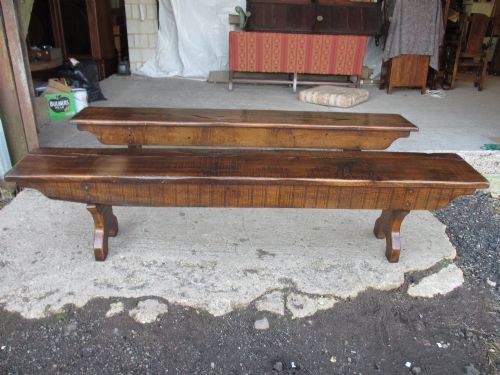
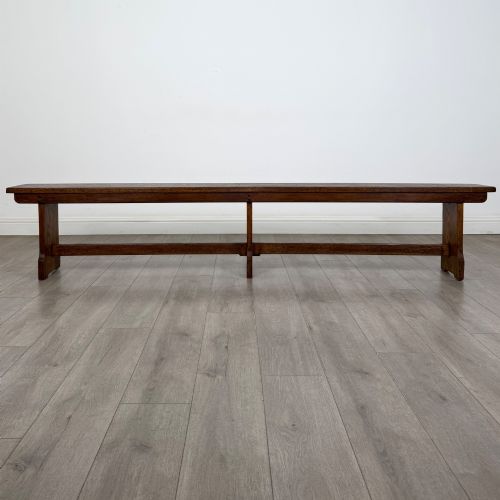
Antique Dining Benches
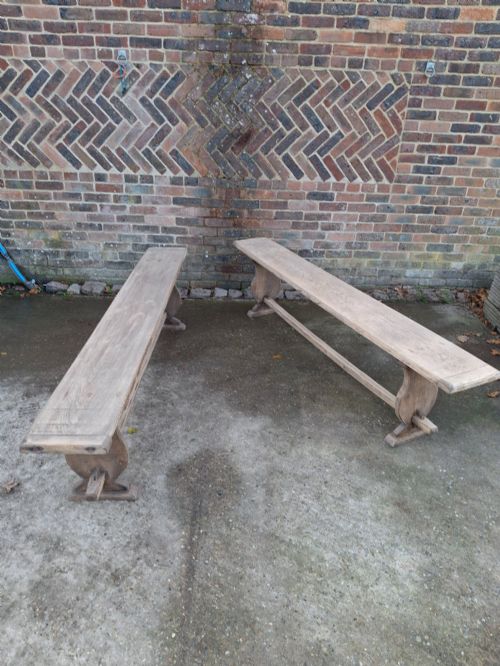
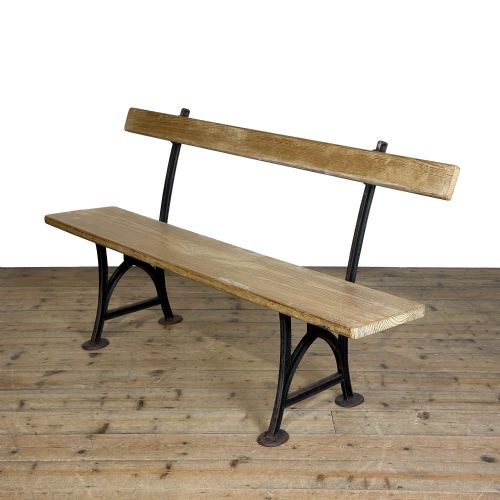
These antique dining benches bring communal seating into the home, offering long lines of timber built to gather people around a table.
Antique Dining Benches
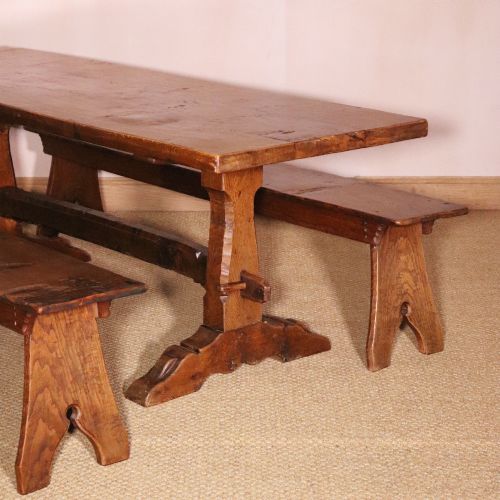
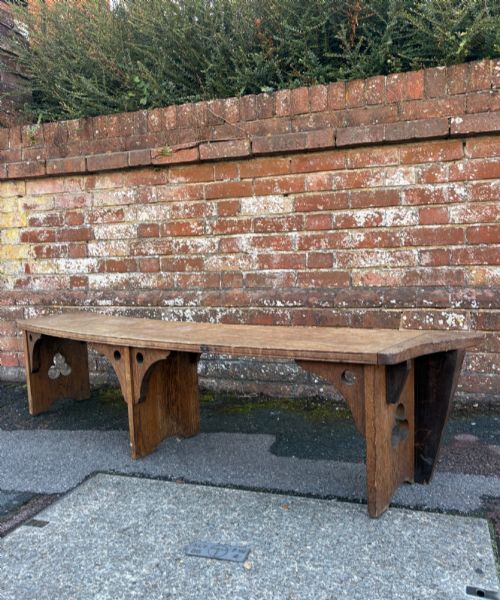
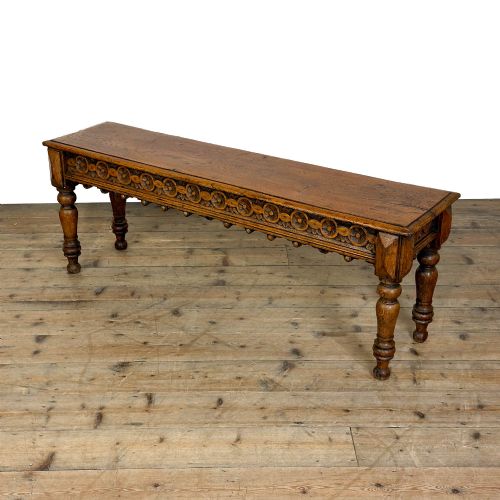
When you search for antique dining benches, you encounter a selection spanning the eighteenth, nineteenth, and early twentieth centuries, drawing on forms originally made for taverns, churches, schools, and country houses. These pieces range from simple plank-top seating in pine and elm to substantial oak and walnut designs featuring trestle ends or carved supports.
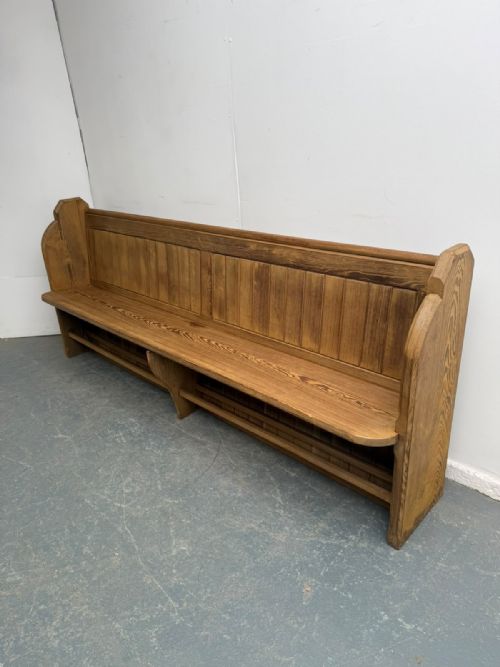
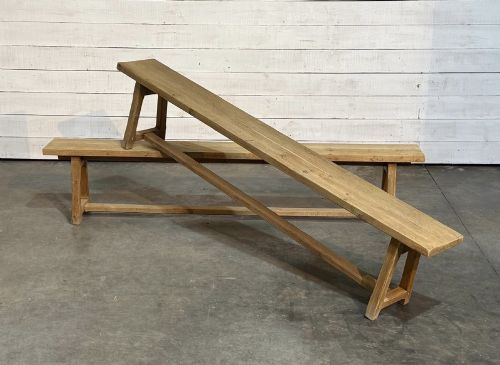
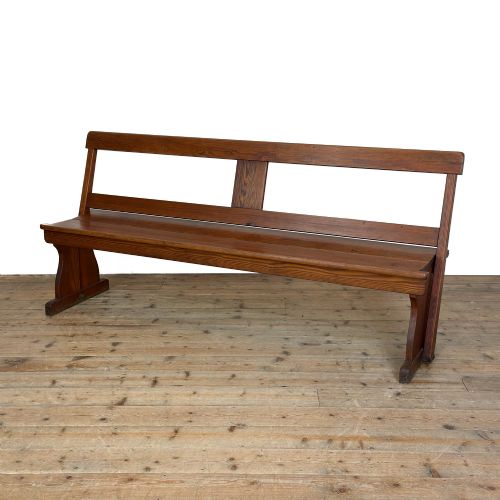
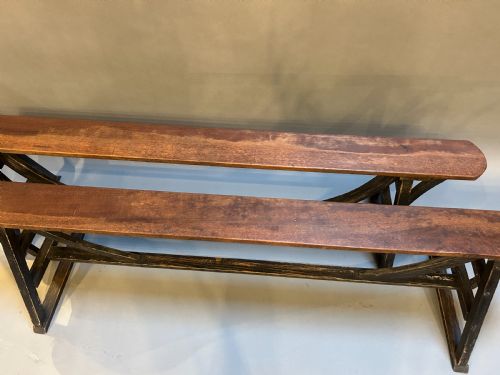
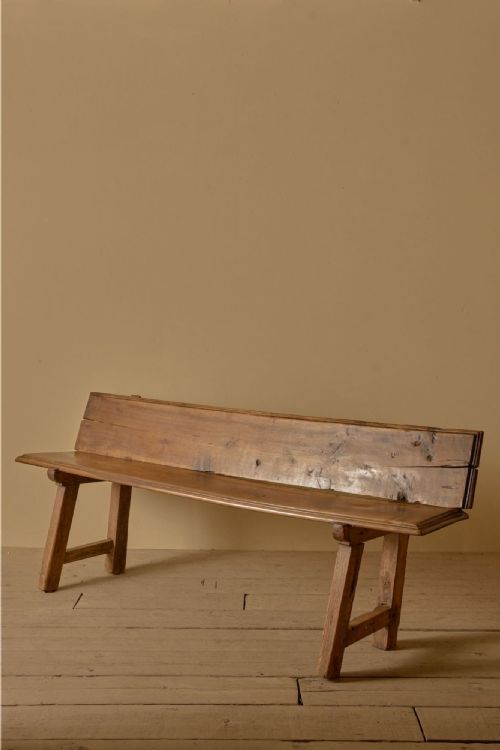
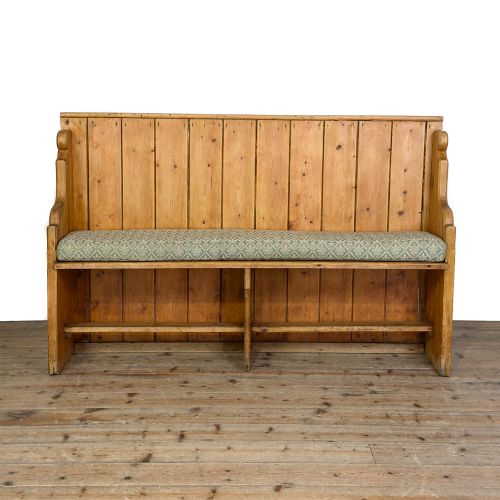
The versions most frequently met on this page include long nineteenth-century pine school benches, paired French fruitwood or oak benches, and sturdy tavern forms built for heavy daily use. Alongside standard benches, the selection incorporates church pews, chapel benches, and hall benches adapted to sit alongside dining tables.
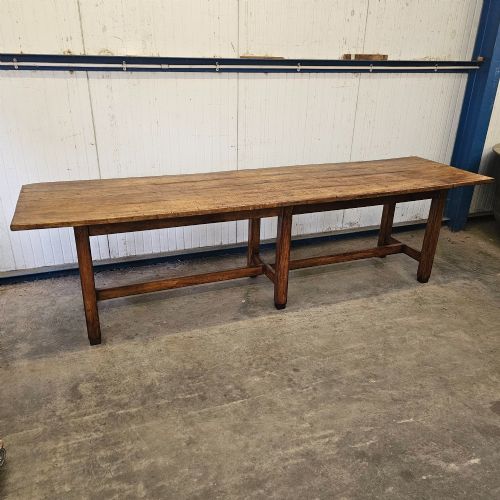
Origins stretch across English, French, Welsh, and Chinese workshops, reflecting regional timber choices and vernacular styles such as rustic farmhouse, French provincial, and Arts and Crafts. Whether paired with refectory tables or used singly, these benches provide functional length and varied patinas developed over generations of use.
Materials and construction
Makers relied primarily on solid timbers such as oak, pine, elm, cherrywood, and walnut, selecting woods based on regional availability and the structural demands of long spans. Softwoods like pine provided accessible length for school and church pews, while hardwoods like oak, walnut, and elm offered the density required for tavern and refectory seating.
Joinery methods focused on stability under weight, utilising thick plank tops secured to solid trestle ends, shaped supports, or turned legs. Carpenters often employed pegged joints and heavy stretchers to prevent movement, ensuring the long forms remained rigid across centuries of sitting.
Antique Dining Benches Retail Price Guide 2026
Typical asking prices for dining benches among the pieces listed under this phrase on Sellingantiques today, from the lower quarter to the upper quarter. They describe what is for sale here now, not the wider market.
Listings feature oak, pine, elm, walnut, cherrywood, and fruitwood across English, French, Welsh, and Chinese origins.
Judging quality in historic seating
Quality rests in the integrity of the timber and the honesty of the construction, where boards retain their original thickness and show minimal structural alteration. Pieces that maintain their matching pairs or original length without excessive trimming command greater appreciation among collectors.
Surface character defines the upper tier of examples, where decades of handling produce a deep, natural patina across the grain without masking the underlying wood. Lesser examples often display unsympathetic stripping or modern refinishing that obscures the history held within the material.
Jack Grimble
The Antique Dining Benches Glossary
- Trestle ends
- Upright supports placed near the ends of a bench or table, often shaped or braced to distribute weight evenly across long spans.
- Refectory bench
- A long, narrow seating form traditionally designed to accompany a communal dining table in monastic or institutional settings.
- Pew
- An enclosed or bench-style seat with a high back, historically found in churches and chapels but frequently adapted for domestic dining.
- Patina
- The surface sheen and colour developed over decades through oxidation, handling, and wax polishing.
- Joint bench
- A low wooden bench constructed using traditional mortise and tenon joinery, often featuring pegged legs and a flat top.
Antique Dining Benches: Frequently Asked Questions
Can I use a church pew as a dining bench?
Church pews and chapel benches work well at dining tables, provided you check the seat height against your table apron. Many nineteenth-century pine pews offer generous lengths that accommodate multiple diners comfortably.
Take note of the backrest height when placing a pew in an open-plan room, as high Gothic or Victorian backs will alter the sightlines of your dining space.
How do I match a bench to an existing table?
Matching antique benches to a table depends primarily on the length of the table top and the clearance needed between the trestle legs or base supports. Aim for a bench that sits slightly shorter than the table length so it tucks away neatly when not in use.
Consider the timber species and colour tone rather than trying to find an exact period match, as mixed woods often create a more authentic, collected interior.
Are these benches sturdy enough for daily use?
Solid hardwood and heavy pine benches from the eighteenth and nineteenth centuries were built for institutional or commercial service in taverns and schools, making them exceptionally robust. Their thick plank tops and pegged joinery handle regular family dining without difficulty.
Period seating may require occasional tightening of underframe stretchers or treatment of historic joints to maintain stability over years of daily sitting.
How do I tell an 18th century bench from a 19th century one?
Eighteenth-century benches typically display hand-adzed tool marks, wider single-board timbers, and construction details that reflect earlier joinery traditions like pegged mortise and tenon frames. Walnut and early oak examples from this era often exhibit deeper patination and distinct wear patterns around the footrests.
Nineteenth-century pieces tend to utilise standardised plank widths, machine-sawn elements, and softer woods like pine or cherry, frequently appearing in pairs or longer school and church formats.