
Antique Diamond Halo
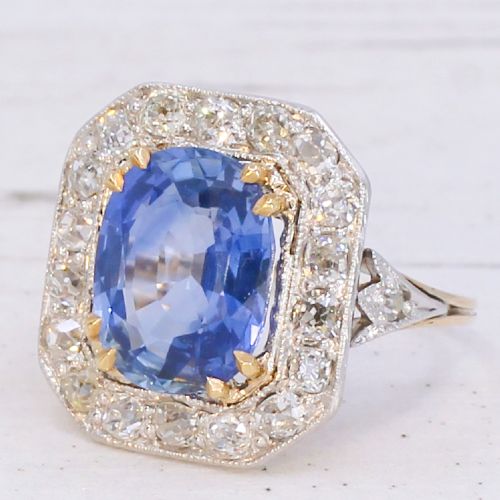
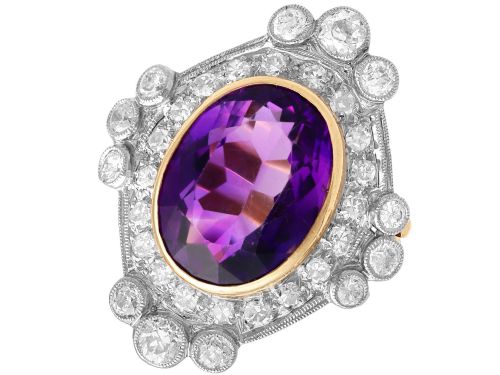
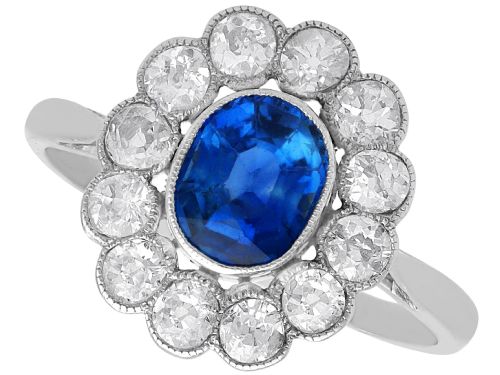
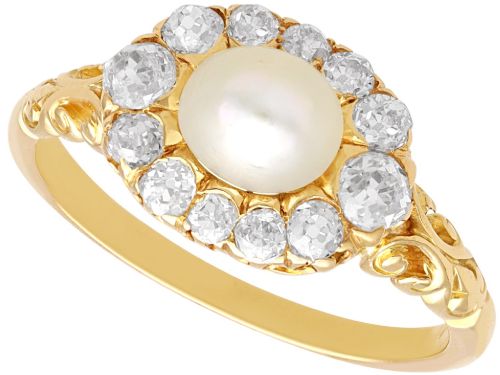
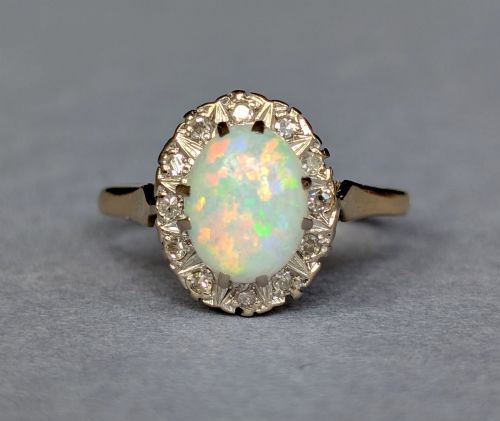
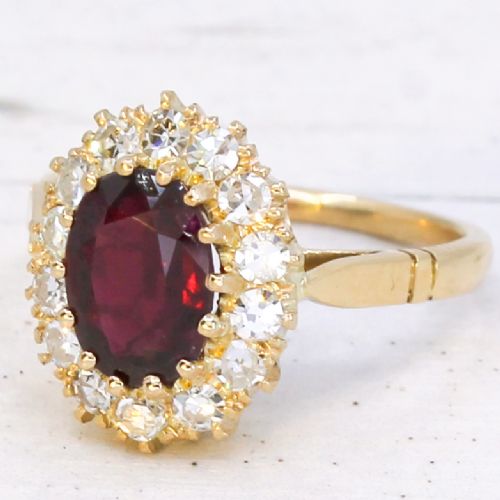
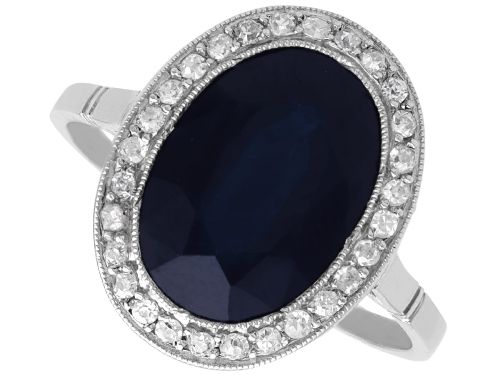
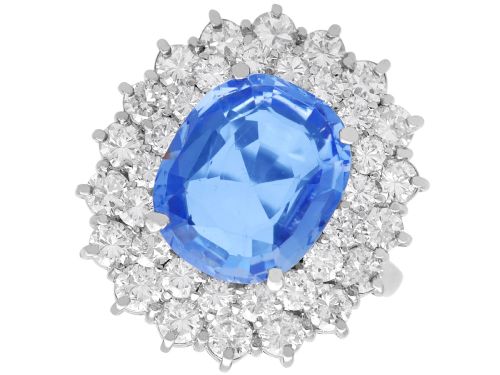
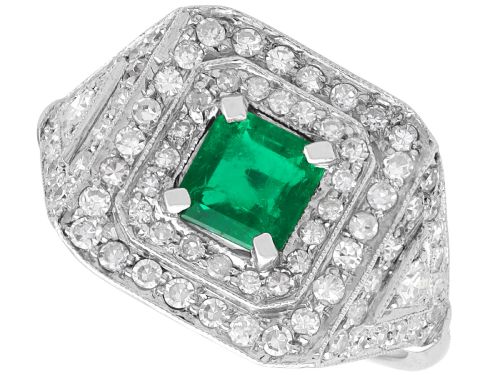
An antique diamond halo surrounds a central gemstone with a ring of smaller stones, bringing brilliant sparkle and a distinctive floral or geometric outline to the hand.
Antique Diamond Halo
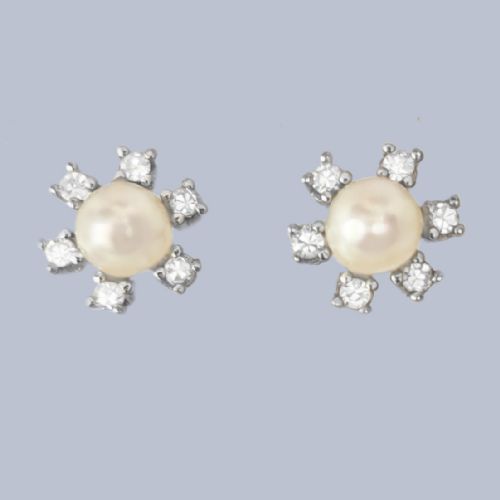
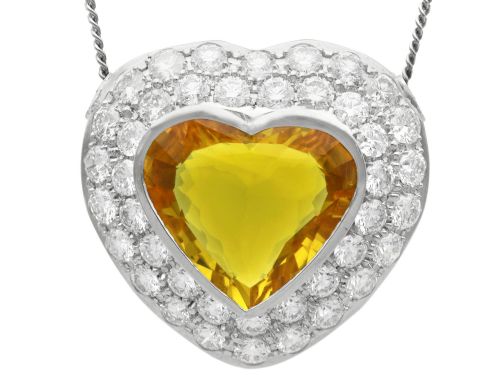
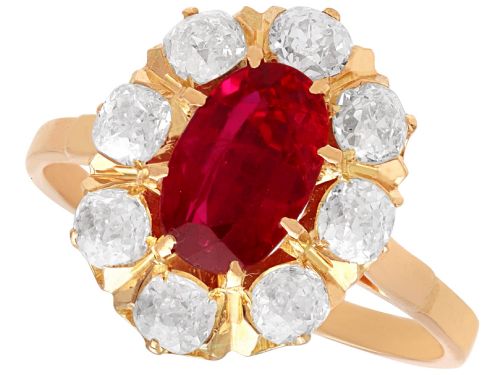
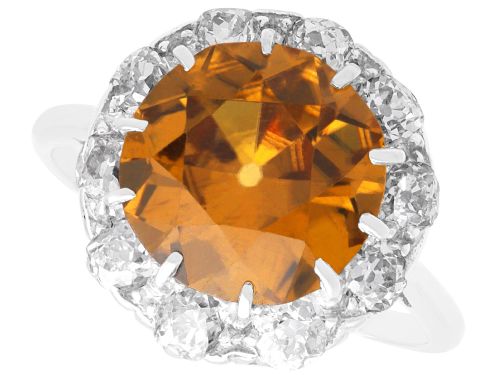
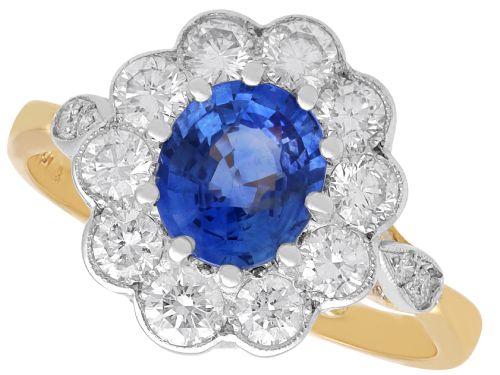
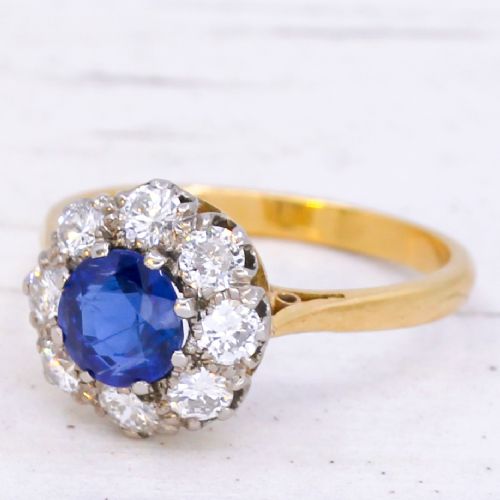
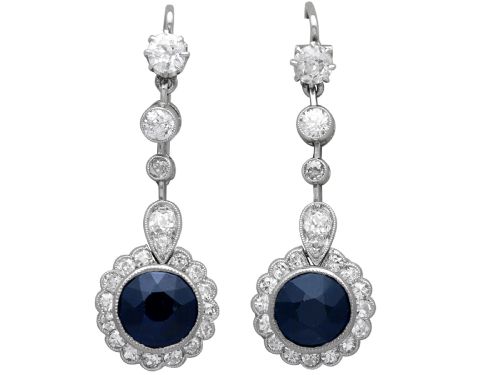
When searching for an antique diamond halo, you encounter cluster settings where a central gem is encircled by smaller diamonds. These pieces primarily take the form of rings, alongside select pendants and drop earrings.
The selection spans from Victorian and Edwardian examples to Art Deco and mid-century designs. You will frequently find sapphire, ruby, emerald, and pearl centres framed by platinum, 18ct yellow gold, and 18ct white gold mountings.
How they were made
Goldsmiths utilised platinum and various carats of gold to construct secure mountings for intricate cluster arrangements. Stones such as old cut diamonds, rubies, and sapphires were carefully positioned around central gems to maximise light reflection.
Craftsmen employed techniques characteristic of the Victorian, Edwardian, and Art Deco periods, balancing structural durability with delicate floral, daisy, or geometric silhouettes.
Several daisy cluster rings capture botanical symmetry, preserving centuries of floral devotion in enduring platinum and gold.
What varies in quality
The standard of an antique halo piece depends on the saturation and clarity of the central gemstone relative to the matching sparkle of the surrounding diamonds. Proportions between the centre stone and the outer border dictate the visual balance of the cluster.
Execution of the metalwork, whether in platinum or yellow gold, influences the overall refinement. The precision of the stone setting and the integrity of the original construction distinguish finer examples.
The Antique Diamond Halo Glossary
- Halo
- A circular or geometric arrangement of smaller gemstones enclosing a larger central stone. This setting style amplifies the perceived size and brilliance of the middle gem.
- Old Cut
- A precursor to the modern brilliant cut diamond, characterised by a smaller table, higher crown, and open culet. These stones catch candlelight and ambient illumination with a soft glow.
- Cluster
- A jewellery design grouping multiple smaller stones together around a focal point. It encompasses floral, daisy, and geometric configurations.
- Platinum
- A dense, durable white metal utilised extensively in Edwardian and Art Deco mountings. Its strength allows for fine, secure settings without excessive bulk.
- Basaltic Sapphire
- A sapphire originating from alkali basalt terrains, known for deep, rich colour profiles. These stones often anchor vintage cluster rings.
Antique Diamond Halo: Frequently Asked Questions
How do I care for antique halo jewellery?
Caring for antique halo pieces involves gentle cleaning with soft cloths and mild soapy water, avoiding harsh chemical dips that might harm softer central stones like pearls or opals. Regular professional checks ensure the small surrounding stones remain secure in their settings.
Store each piece individually in a lined box to prevent friction against other items. Limiting exposure to rigorous physical activities preserves the delicate prongs and metalwork.
How can I tell the period of a halo ring?
Dating a halo piece involves examining the cut of the diamonds, the choice of metal, and the overall structural style. Victorian and Edwardian examples often utilise old cut diamonds in yellow gold or platinum-topped gold, while Art Deco pieces favour geometric platinum settings.
Examining hallmarks, shank shapes, and setting techniques provides further context. Each era employed distinct manufacturing methods that reflect the prevailing aesthetics of the time.
Were halo settings worn daily in the past?
Halo settings were frequently worn as engagement rings or fine everyday jewellery during the Victorian, Edwardian, and mid-century eras. The robust arrangement of multiple stones provided both durability and visual impact for regular wear.
Owners appreciated the combination of a prominent central gem with the added security of a supportive outer ring of stones. Today, they transition easily into contemporary wardrobes as historic statement pieces.