

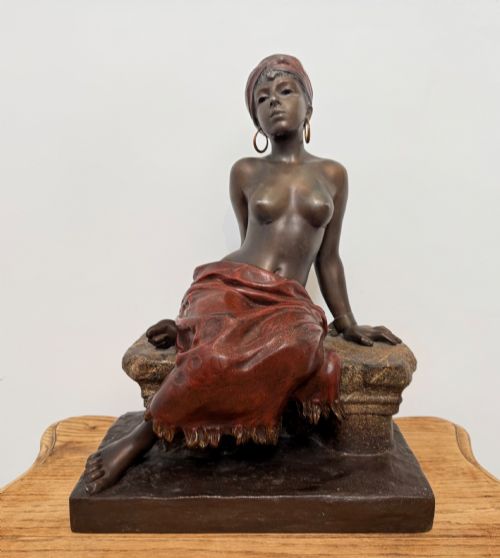


Antique Desktop Bronze
An antique desktop bronze brings functional utility and sculptural weight to a writing surface, drawing the eye with finely chased metalwork.
Antique Desktop Bronze
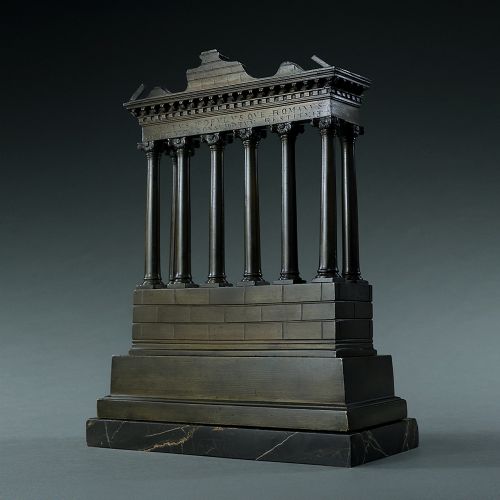
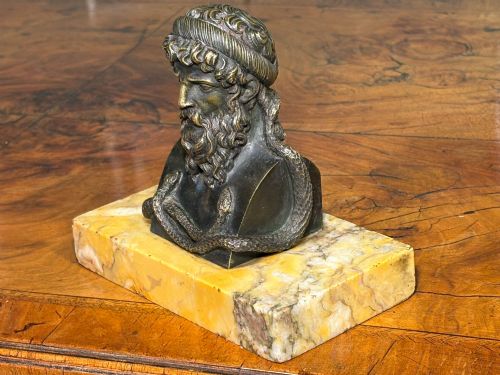
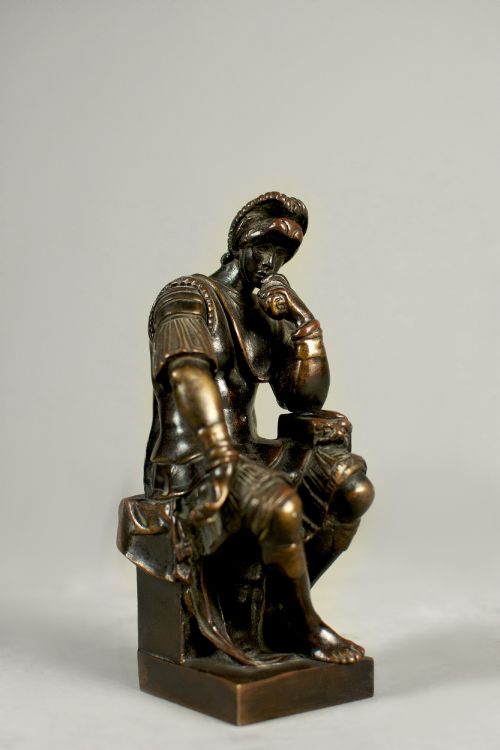
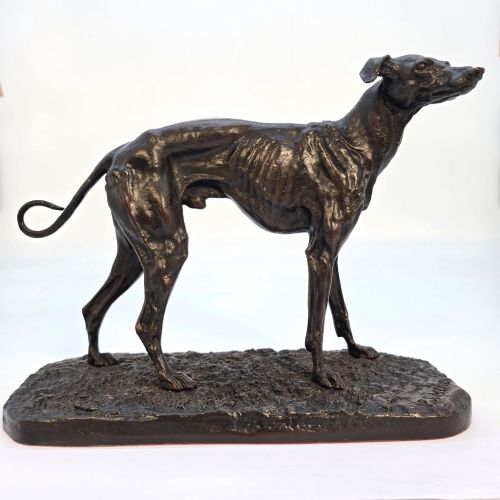
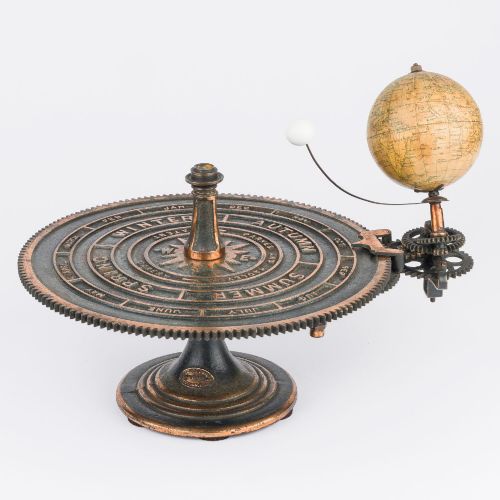
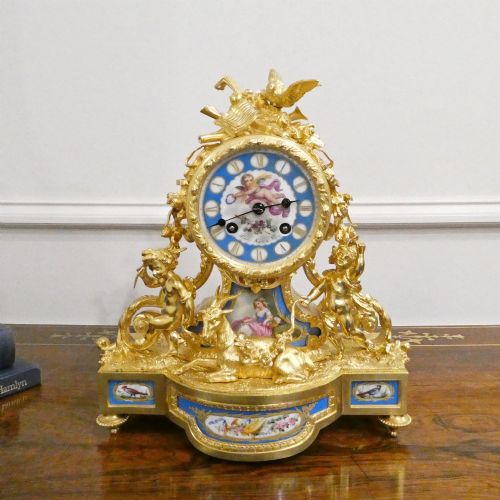
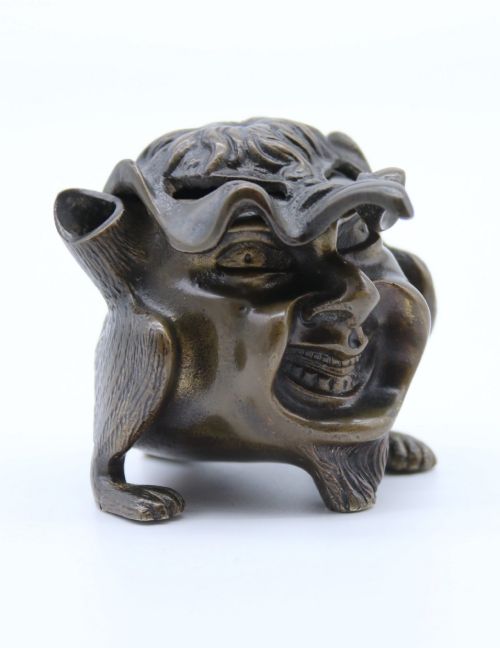
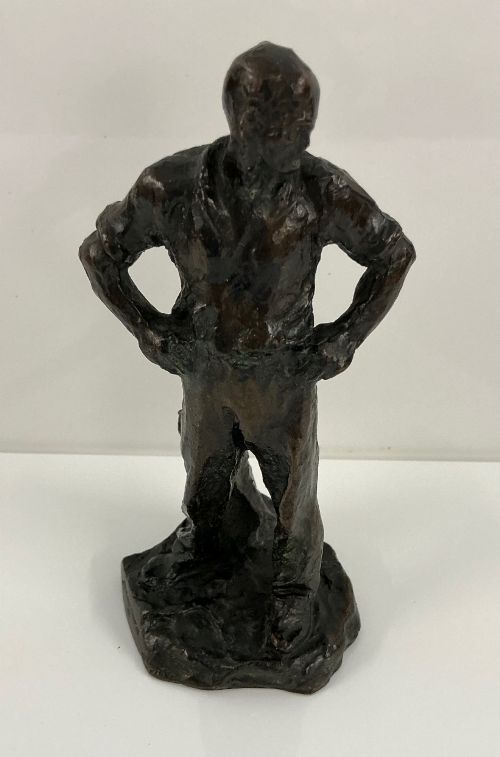
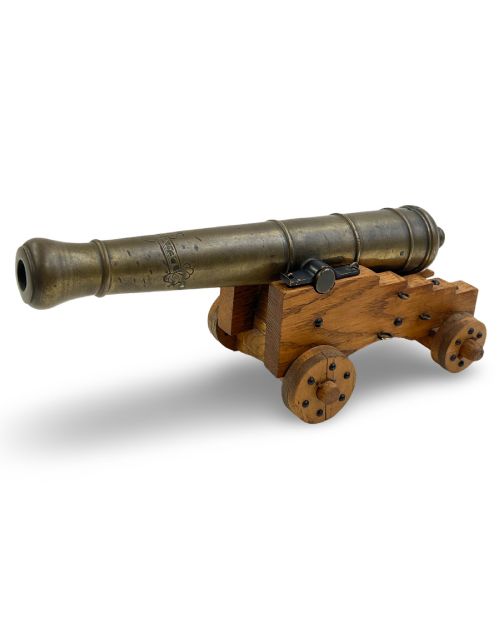
When searching for antique desktop bronze, a buyer encounters practical furnishings and sculptural ornaments designed for the study or library. These pieces predominantly take the form of heavy inkwells, figural desk stands, and decorative desk accessories produced across the nineteenth and early twentieth centuries.
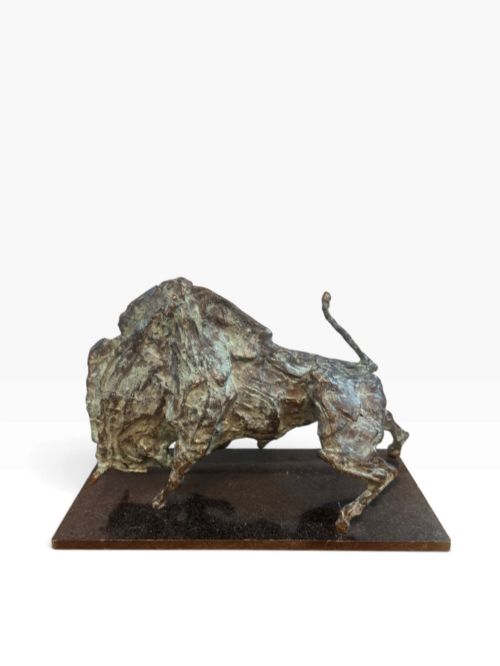
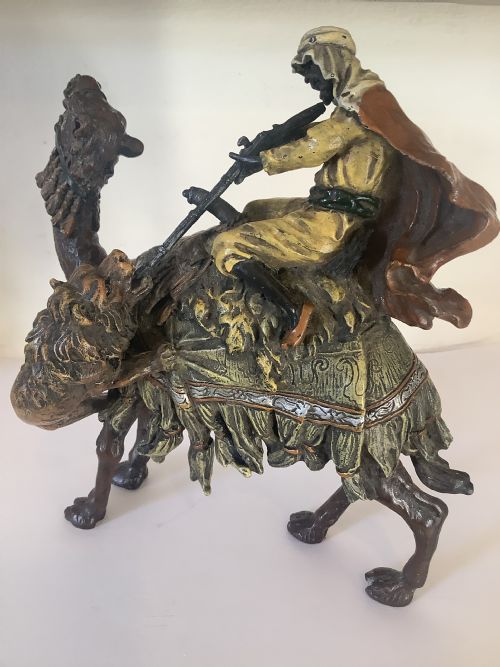
Continental workshops, particularly French and Austrian foundries, dominate the available selections, alongside British examples. Pieces range from utilitarian inkstands fitted with porcelain or marble bases to cabinet bronzes and cold-painted animal figures.
Victorian and Edwardian versions sit alongside neoclassical designs and Art Deco desk ornaments. The selection reflects the nineteenth-century taste for ornamental desk metalwork that doubled as functional office equipment.
Materials and Technique
Foundries utilised traditional casting methods to shape molten metal into complex figural and architectural forms. Bronze, gilt bronze, and ormolu form the primary structural components, frequently paired with contrasting materials such as marble, onyx, glass, and champlevé enamel.
Antique Desktop Bronze Retail Price Guide 2026
Typical asking prices for desktop bronze among the pieces listed under this phrase on Sellingantiques today, from the lower quarter to the upper quarter. They describe what is for sale here now, not the wider market.
Nineteenth-century desk ornaments occasionally took the form of tiny bronze rhinoceros beetles and groaning creatures.
Evaluating Execution
The integration of secondary materials dictates overall execution. Fine examples use robust marble or fitted porcelain panels secured tightly to heavy bronze chassis, showing considered assembly rather than hurried construction.
P. J. Mène·Henry Marc·Japy Freres·Fabergé·Bruno Zach·Josef Lorenzl
The Antique Desktop Bronze Glossary
- Ormolu
- Gilt bronze produced by applying a finely ground mercury and gold amalgam to a bronze base, then firing it to drive off the mercury. This technique creates a durable, golden surface lustre seen on decorative mounts and clock cases.
- Champlevé enamel
- A technique where troughs or cells are hollowed out of the metal surface and filled with vitreous enamel powder before firing. The resulting coloured glass designs sit flush with the surrounding metal borders.
- Cold-painted bronze
- A method where paint is applied to a cold bronze surface, usually without subsequent firing. This finish is frequently found on Austrian figural groups and animal studies.
- Patina
- The surface sheen and colour acquired by bronze through age and handling, or artificially induced by chemical treatment. It provides the metal with depth and protects the underlying alloy.
- Chasing
- The process of hand-finishing a cast metal object using hammers and punches. Artisans use this technique to refine details and clear out recessed areas after the casting phase.
Antique Desktop Bronze: Frequently Asked Questions
What is an ormolu desk accessory?
Ormolu refers to gilded bronze mounts and decorative objects produced through mercury amalgamation. On a desk, these pieces include inkstands, photograph frames, and decorative desk clips.
The bright golden finish distinguished high-status study furnishings in the nineteenth century. Over time, genuine ormolu develops a softer, mellowed tone across handled areas.
How do I date a bronze desk piece?
Examine the casting method, base materials, and stylistic markers such as neoclassical motifs or Art Deco geometry. Maker signatures and registry marks stamped into the bronze offer direct chronological clues.
Associated materials like marble type, enamel work, and porcelain inserts also align with specific manufacturing periods. Nineteenth-century pieces typically show heavier casting and hand-chased detailing compared to later industrial editions.
Where were these desk bronzes made?
The majority originate from European workshops, with French foundries in Paris leading production of gilt bronze and clock sets. Austrian foundries specialised in cold-painted animal bronzes and novelty items.
English manufacturers contributed utilitarian pieces like cast iron presses and architectural inkwells. Japanese makers also exported bronze decorative objects during the Meiji period.