




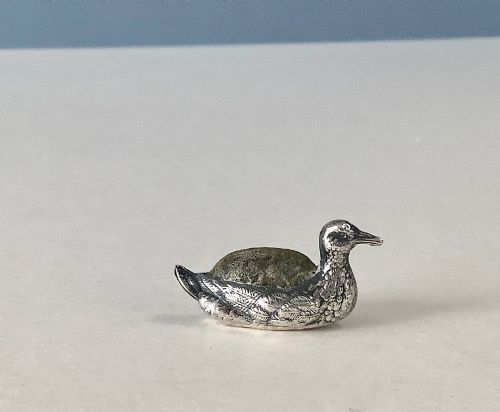


Antique Desk Silver Collectables
Antique desk silver collectables are small, functional objects crafted in precious metal to grace a writing table, bringing history and utility together in one place.
Antique Desk Silver Collectables
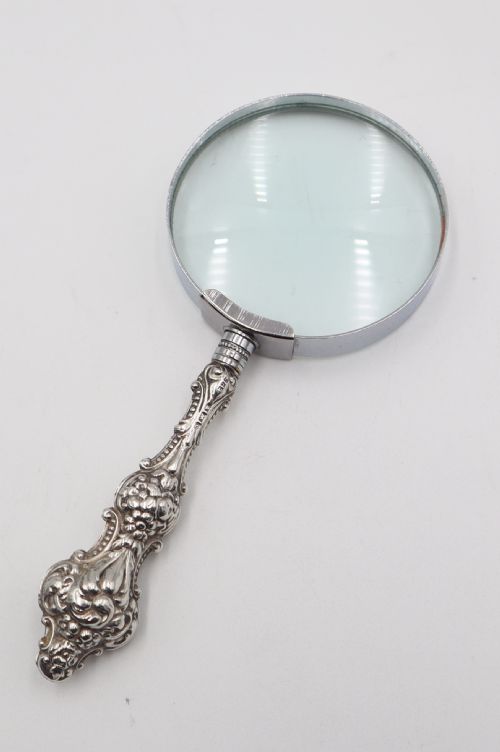
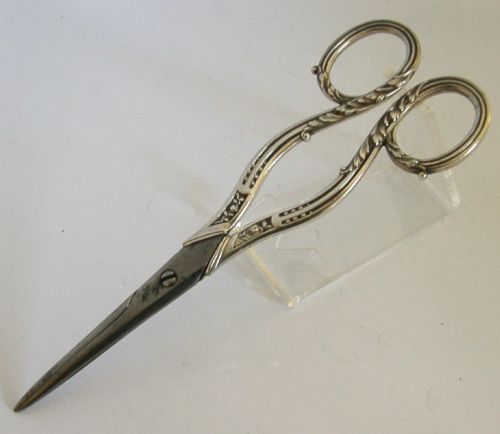
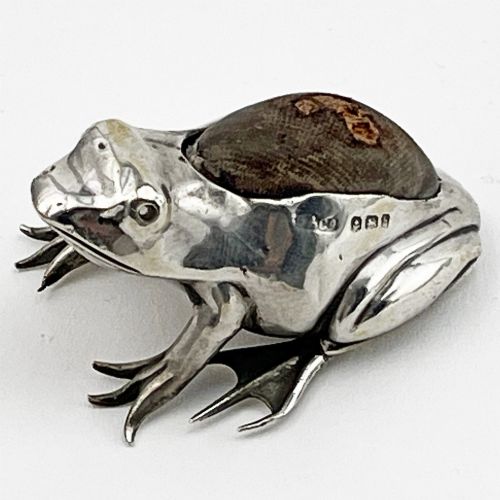
When you search for antique desk silver collectables, you encounter a varied group of small items designed for writing tables, pockets and studies, spanning the Victorian, Edwardian and mid-century periods. The selection ranges from practical items like inkwells, scissors and paperweights to whimsical novelties including animal pin cushions and decorative figures.
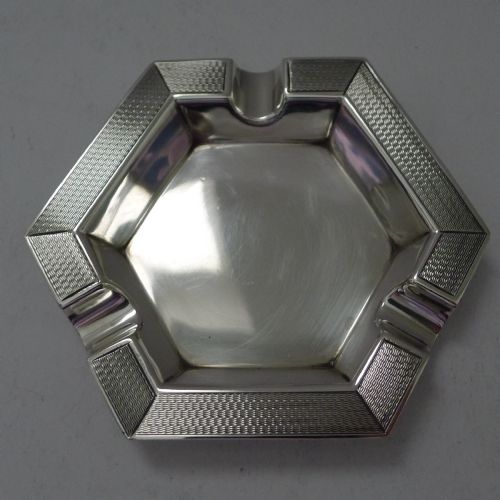
The objects originate from workshops in England, France and America, reflecting the distinct tastes of collectors across different decades. Common forms include table lighters, ashtrays, stamp cases and cotton reel holders, each serving a specific desk function or personal use.
How they were made
Makers utilised sterling silver and standard silver alongside secondary materials such as wood, velvet, steel, glass, hardwood and fabric to construct these desk accessories. Techniques combined metal smithing with specialised fittings, incorporating textiles for pin cushion interiors and glass for inkwells.
Novelty pieces required intricate casting and shaping to render animals, vehicles and figures with recognizable detail. Enamel work and tortoise-shell integration further demonstrated the varied craftsmanship applied to these functional objects.
Antique Desk Silver Collectables Retail Price Guide 2026
Typical asking prices for desk silver collectables among the pieces listed under this phrase on Sellingantiques today, from the lower quarter to the upper quarter. They describe what is for sale here now, not the wider market.
Listings feature sterling silver, glass and hardwood across Victorian, Edwardian and mid-century periods.
What varies in quality
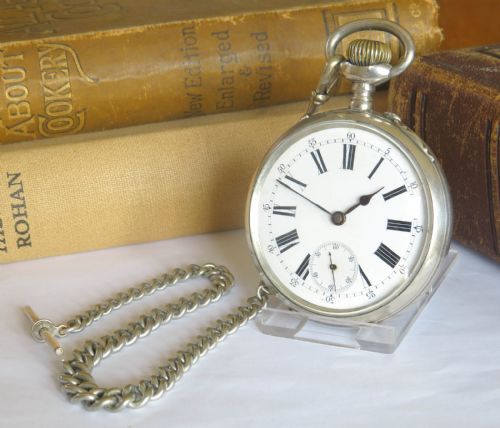
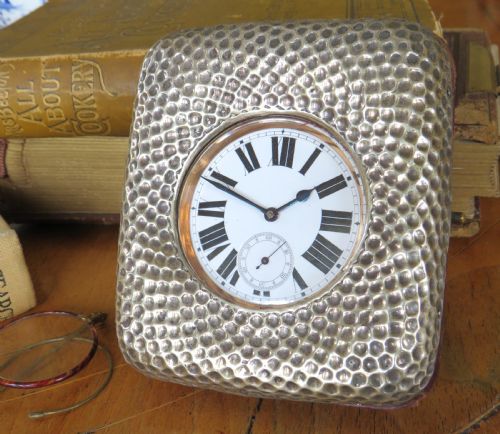
The standard of a piece rests on the crispness of its casting and the clarity of its hallmarks, which verify the maker and origin. Pieces that retain their original fitted elements, such as intact velvet in pin cushions or functioning mechanisms in pocket watches and lighters, hold higher distinction.
Design complexity also defines the range, separating simple utilitarian items from elaborate novelty silver shaped as frogs, foxes, cars or walruses. The inclusion of named makers and presentation inscriptions adds historical weight to individual pieces.
William Neale·Hugh Brown·Dunhill·Christopher Lawrence·James Phipps I
The Antique Desk Silver Collectables Glossary
- Sterling silver
- A silver alloy containing 92.5 percent pure silver by mass and 7.5 percent other metals, usually copper, ensuring durability for desk items.
- Hallmark
- An official stamp applied to precious metals in Britain and other countries to certify the purity of the silver and identify the maker and assay office.
- Pin cushion
- A small stuffed object designed to hold sewing pins, frequently fashioned in silver as animals or vehicles during the Edwardian era.
- Novelty silver
- Silver items shaped humorously or unusually to represent everyday objects, animals or figures, popular for desk display.
- Table lighter
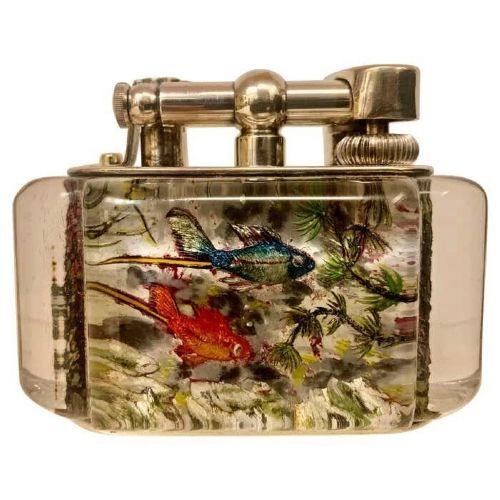
- A mechanical device designed to sit on a desk or table for lighting smoking materials, often encased in precious metal or decorative designs.
Antique Desk Silver Collectables: Frequently Asked Questions
What items count as desk silver?
Desk silver includes small functional objects used in writing and correspondence, such as inkwells, stamp cases, paperweights, scissors and cotton reel holders.
These pieces were standard desk accessories in wealthy households and offices during the Victorian and Edwardian periods.
How do I identify novelty silver pieces?
Novelty silver pieces are shaped as animals, vehicles or everyday objects rather than standard geometric forms. They often date from the Edwardian era and were made as decorative conversation starters.
Look for detailed casting that depicts creatures like frogs, foxes, ducks and walruses with distinct character.
Where were these silver pieces made?
The pieces originate from various countries including England, France and America, with London assay marks appearing frequently on British items.
Different regions favored distinct styles, from French decorative scissors to American university presentation gavels.
How should I care for antique silver?
Keep antique silver in a stable environment away from excessive moisture and direct sunlight to preserve both the metal and any fitted materials like velvet or fabric.
Clean the metal sparingly with appropriate silver care products to maintain the hallmarks and original surface detail.