
Antique Desk Organizer
These antique desk organizer pieces tame paperwork with fitted compartments, brass mountings and rich timbers.
Antique Desk Organizer
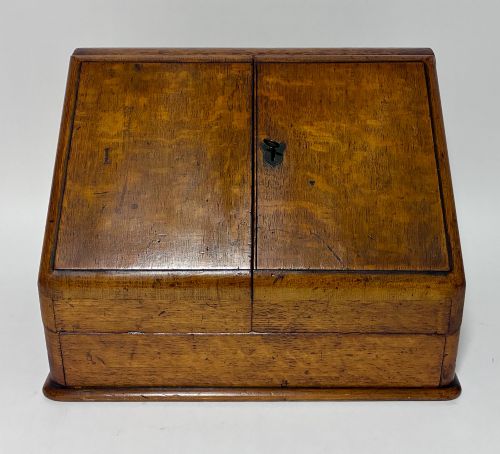
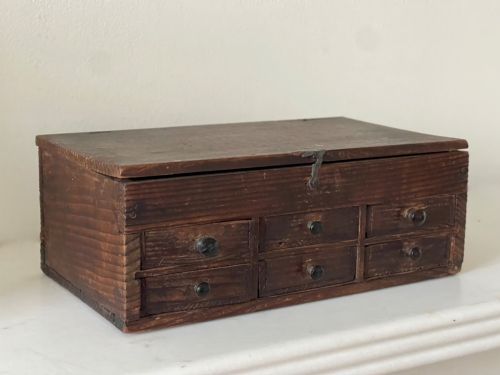
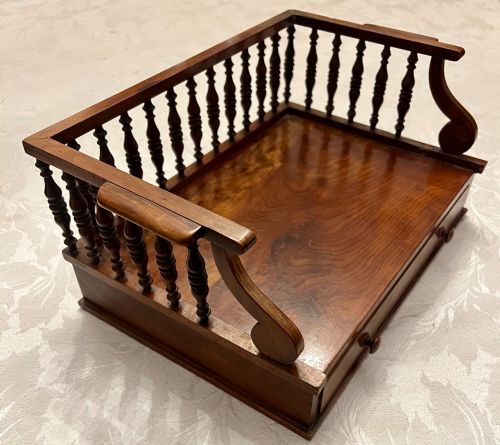
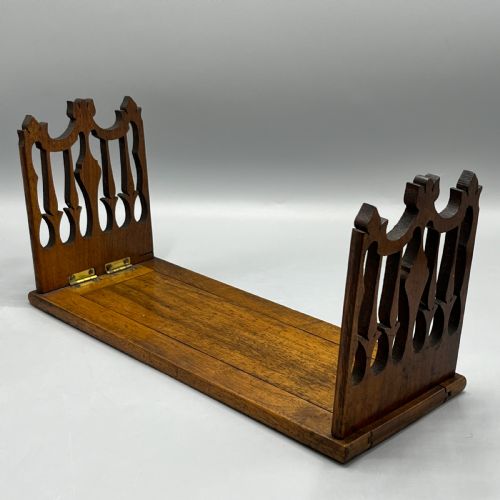
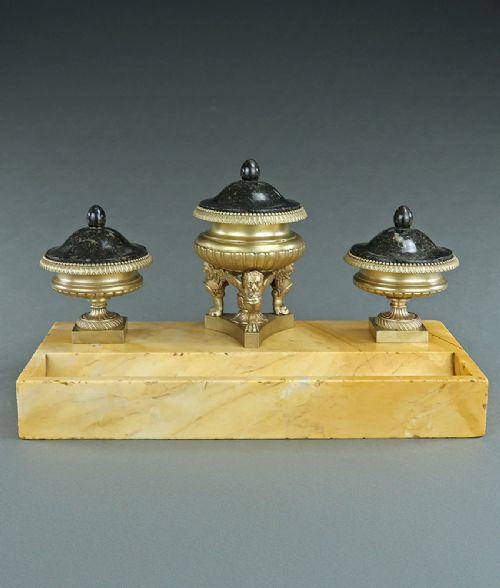
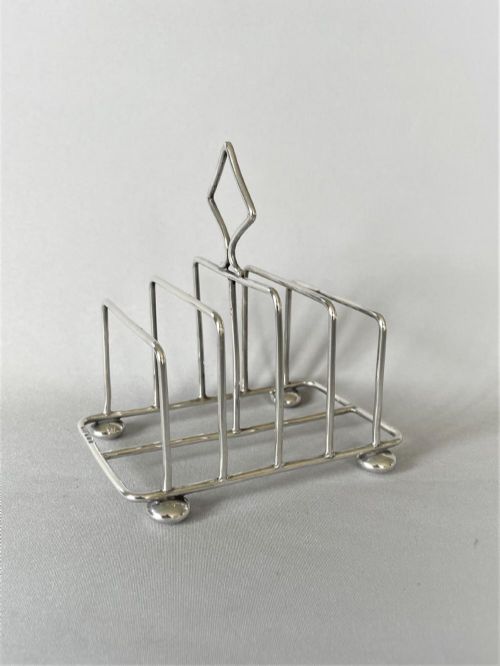
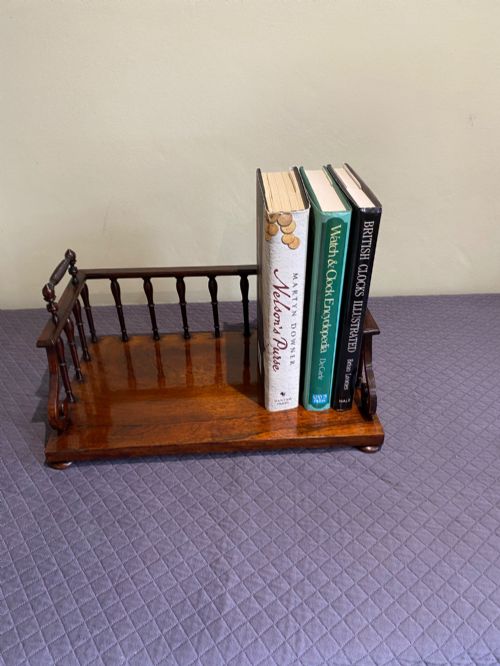
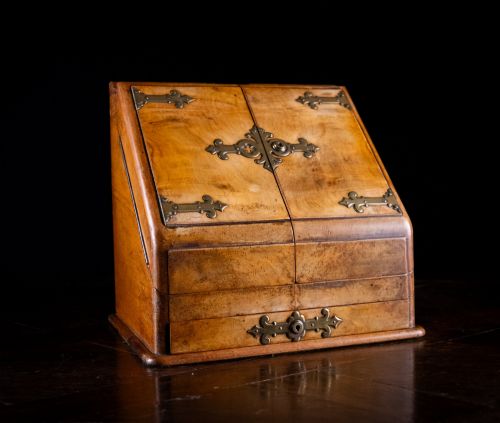
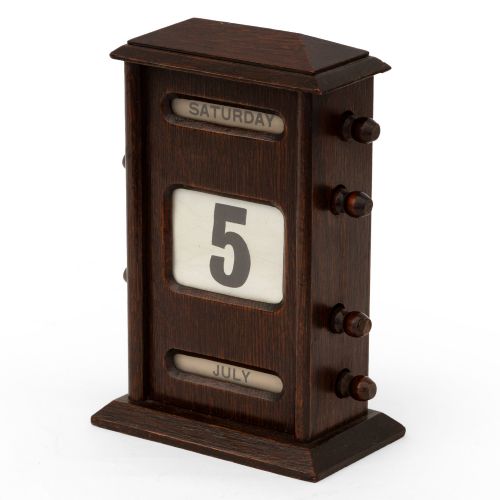
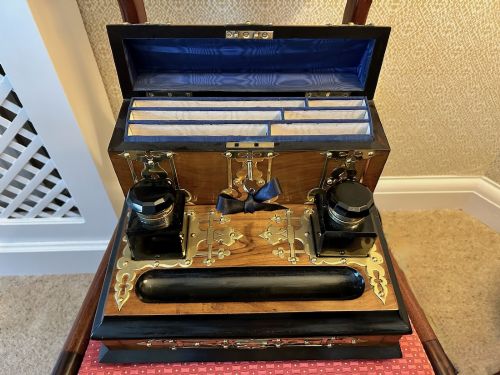
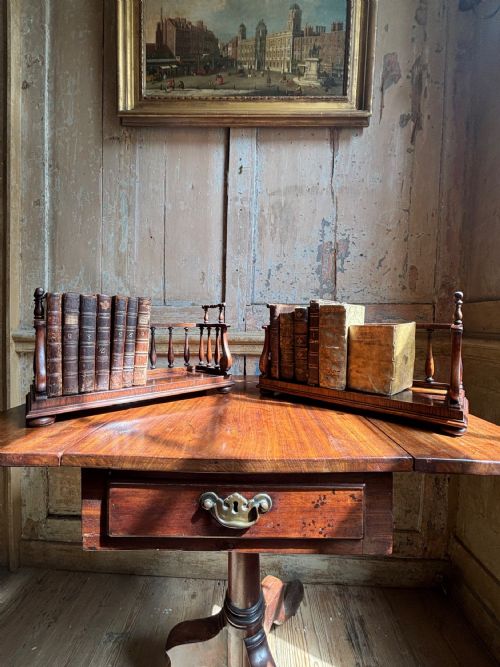
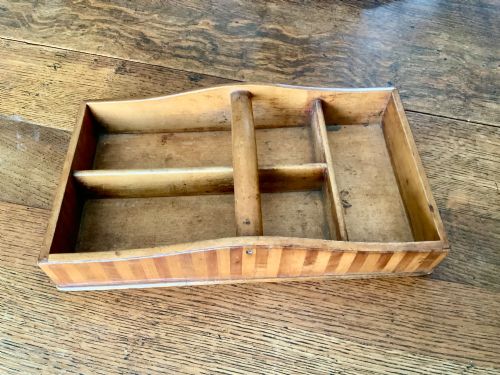
When you search for an antique desk organizer, you encounter a variety of desktop items designed for sorting correspondence, stationery and writing implements. The selection spans stationery boxes, inkstands, letter racks, book troughs and desktop cartonniers.
Victorian and Edwardian examples dominate the offerings, constructed from woods like oak, mahogany, walnut and rosewood, alongside decorative metals and marble.
How they were made
Cabinet makers utilised dense hardwoods such as walnut, mahogany and rosewood, frequently incorporating brass hinges, handles and galleries. Letter boxes and stationery cabinets often display fine dovetail joints and fielded panels.
Decorative surface treatments include tortoiseshell inlay, japanning, ormolu mounts and Tunbridge ware mosaic work, pairing structural utility with ornate exterior finishes.
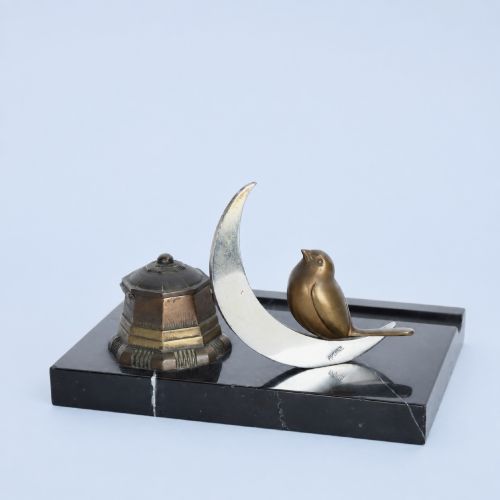
Desktop accessories occasionally include unexpected creatures, such as the bronze ibis bird resting beside a pen on an Art Deco desk tidy.
What varies in quality
The standard of timber selection and interior division defines the upper tier of pieces, where secondary woods are absent and compartments are meticulously fitted for specific writing accessories. Heavy cast brass mounts and fully operational locking mechanisms distinguish finer workshop productions from simpler utilitarian office containers.
Surface execution also marks the division between standard items and masterwork pieces, particularly where hand-carved details, intricate marquetry or genuine tortoiseshell panels remain intact and undamaged.
Elkington·Edmund Nye·A.Cohen & Co Ltd London
The Antique Desk Organizer Glossary
- Cartonnier
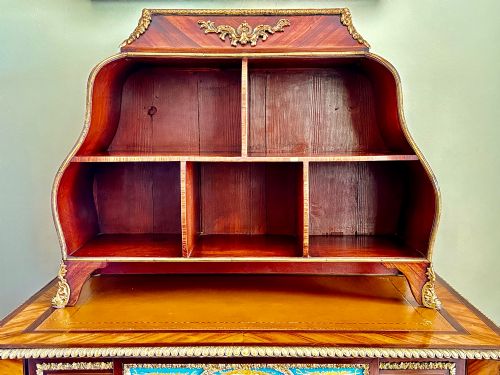
- A desktop cabinet containing multiple tiers of pigeonholes or drawers for filing papers and letters. These pieces often feature leather-labelled pull-out trays.
- Encrier
- A portable or stationary desk inkstand fitted with one or more inkwells and pen rests. The term typically describes continental European writing accessories.
- Tunbridge Ware
- Small wooden boxes and desk accessories decorated with microscopic mosaic tiles forming geometric or pictorial patterns. The technique originated in Kent during the nineteenth century.
- Stationery Box
- A desktop cabinet with a sloping or fall-front lid designed to hold writing paper and envelopes upright. Interiors frequently include stepped compartments for stamps and visiting cards.
Antique Desk Organizer: Frequently Asked Questions
What is a desk tidy used for?
A desk tidy holds everyday writing instruments, stamps and loose notes within a compact desktop footprint. These items kept nineteenth-century writing tables ordered and efficient.
They serve the same function today, offering dedicated slots for modern correspondence and small stationery items.
How do I date an oak stationery box?
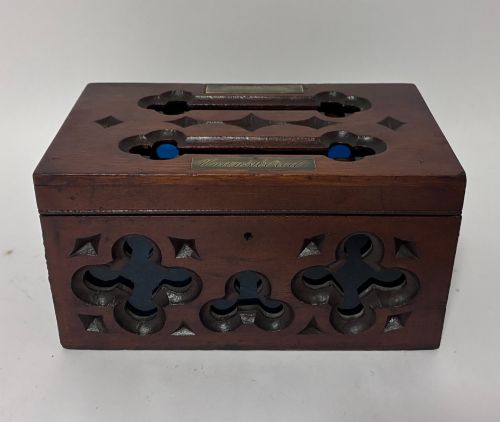
Victorian oak stationery boxes often feature heavy brass galleries and Gothic revival mouldings or substantial fall-front doors. Edwardian versions tend to display lighter golden oak tones with simpler brass card frames and hinges.
Examining the internal drawer construction and lock stamps provides further confirmation of the manufacturing period.
What materials were used for inkstands?
Makers produced inkstands from heavy cast brass, marble, bronze, tortoiseshell and dense hardwoods like rosewood and walnut. Glass inkwells with matching brass collars fitted neatly into recessed cavetto bases.
Finer examples incorporate pen rests cast with animal or classical motifs.
Where were letter racks placed?
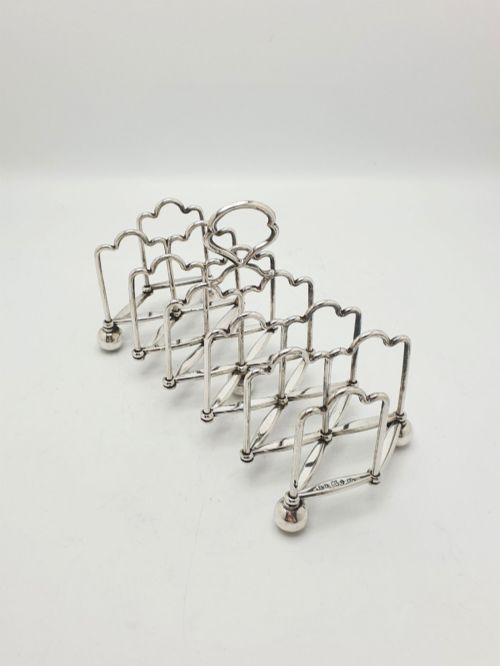
Letter racks sat upon library tables, bureau desks and country house writing surfaces to sort incoming and outgoing post. Their tiered dividers kept envelopes visible and accessible throughout the working day.
Today they function equally well on modern desks for sorting mail and documents.