
Antique Desk Collectable
These antique desk collectable pieces span Victorian inkwells to Art Deco lighters, bringing functional charm and craftsmanship to any writing table.
Antique Desk Collectable
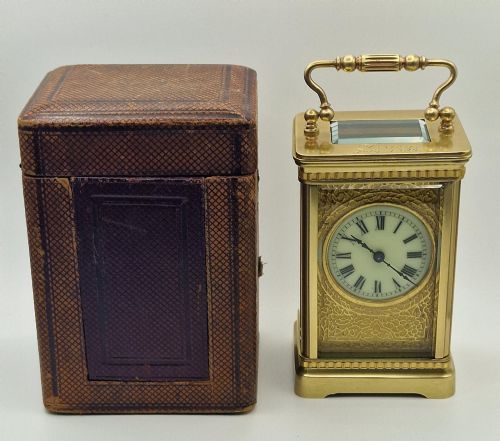
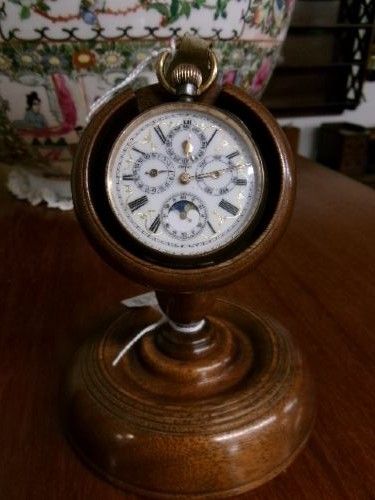
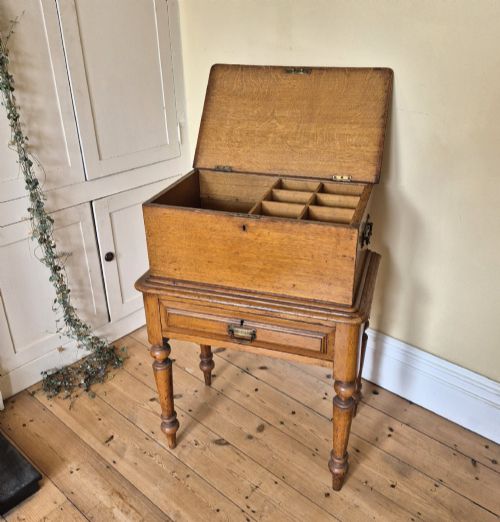
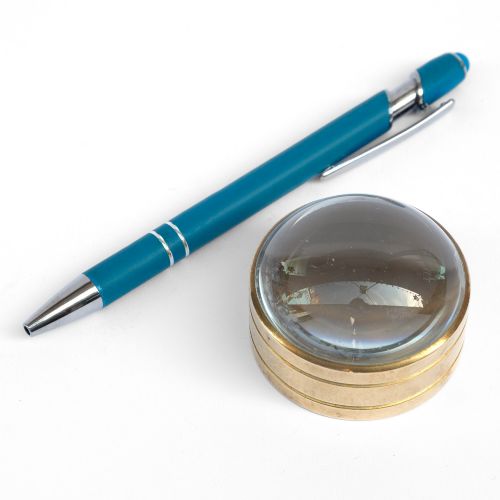
When searching for an antique desk collectable, you encounter a varied assortment of small accessories designed for the nineteenth and twentieth-century writing table. These items include silver stamp cases, pocket watches, magnifying lenses, and novelty inkwells originating from Victorian, Edwardian, and Art Deco periods.
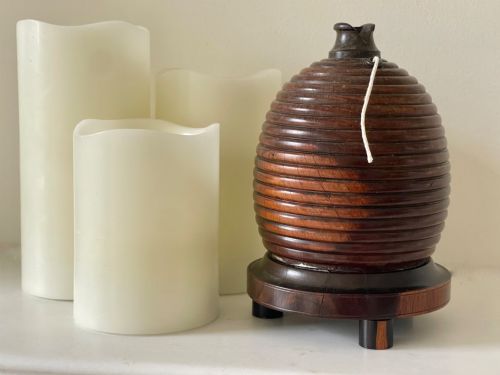
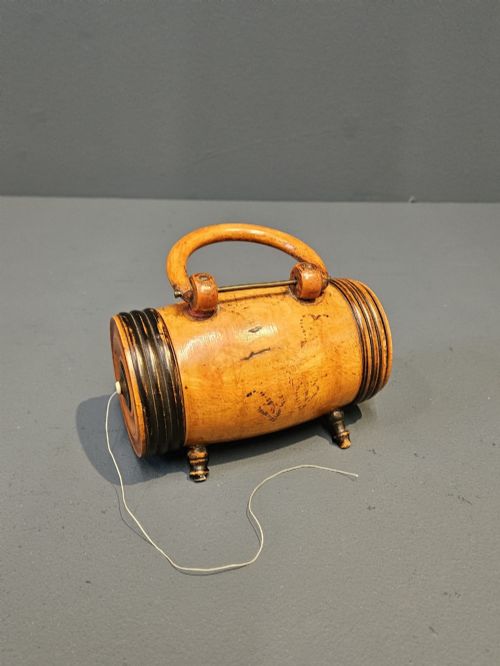
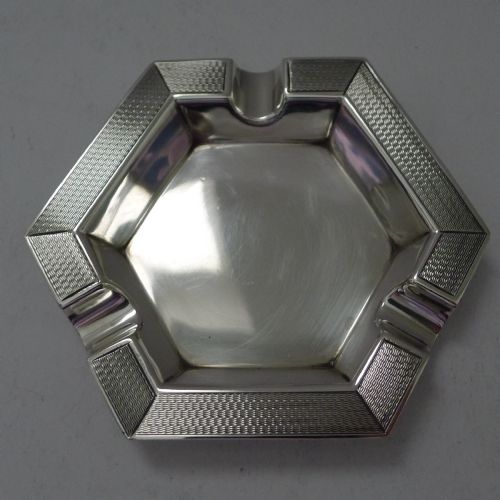
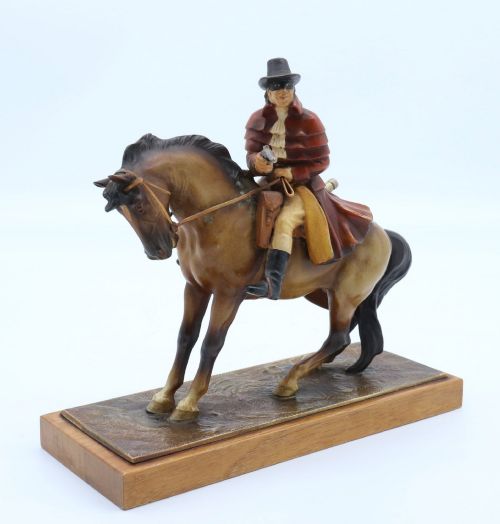
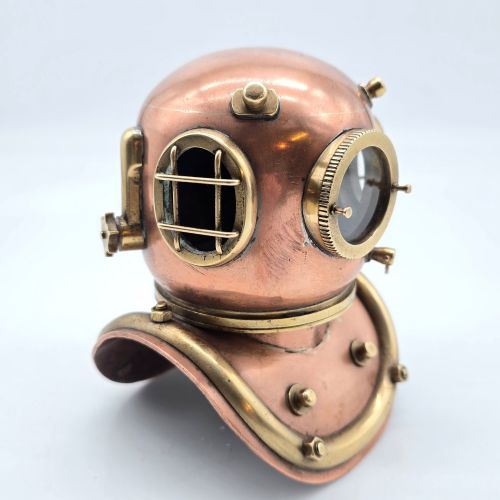
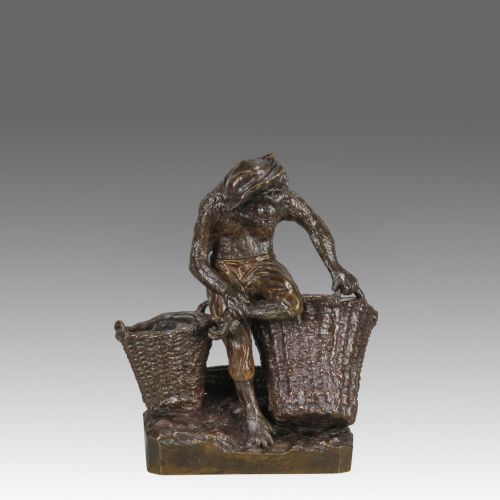
The most common examples on this page are desk accessories and paperweights fashioned from brass, sterling silver, glass, and wood. You also find practical items like string boxes and table lighters alongside sculptural bronzes and scale models.
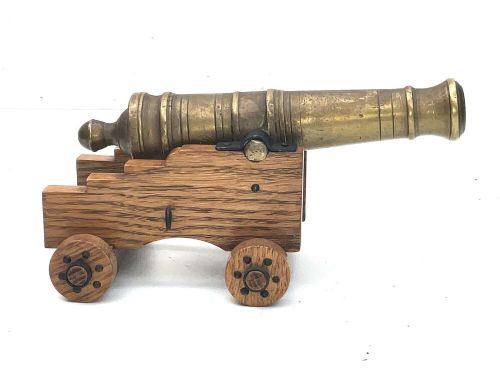
Originating largely from British, French, and Italian makers, these objects reflect the desk habits and decorative tastes of past centuries. Each piece combines utility with distinct period style, ranging from early nineteenth-century brass cannons to mid-century Bakelite stamp wetters.
Materials and methods
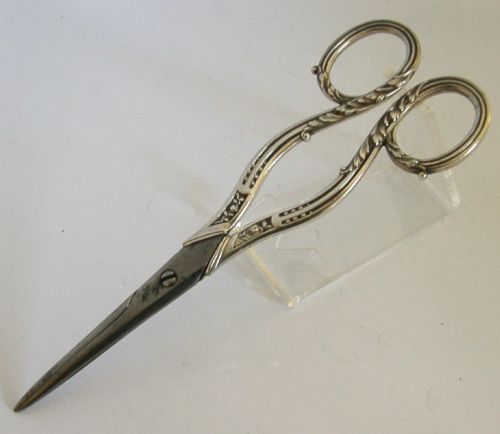
Makers utilised traditional materials such as sterling silver, brass, bronze, wood, and glass to construct these functional objects. Metal items often display cast, chased, or engraved details, while silver pieces bear hallmarks indicating their assay office and year of production.
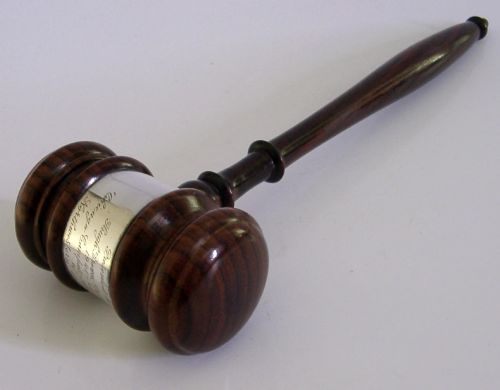
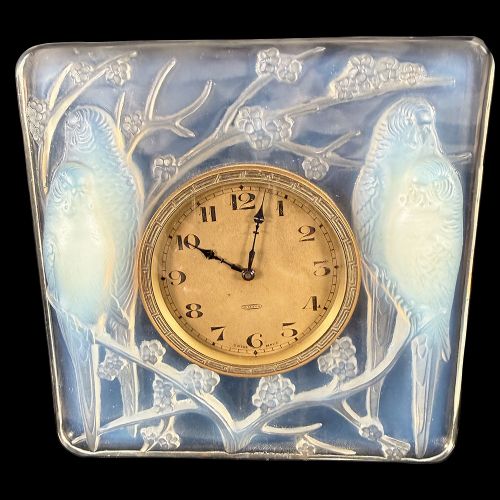
Glass accessories like paperweights and clocks demonstrate specialised techniques including millefiori, opalescent moulding, and scrambled glass work. Wooden and leather desk items utilise fruitwood, walnut, and tooled leather, frequently incorporating brass mountings and steel cutting blades.
Art Deco and mid-century items introduce synthetic materials such as Bakelite and Catalin alongside spelter mounted on onyx plinths. Hand-painted finishes and enamelling appear on smaller ornamental pieces, showing meticulous attention to surface detail.
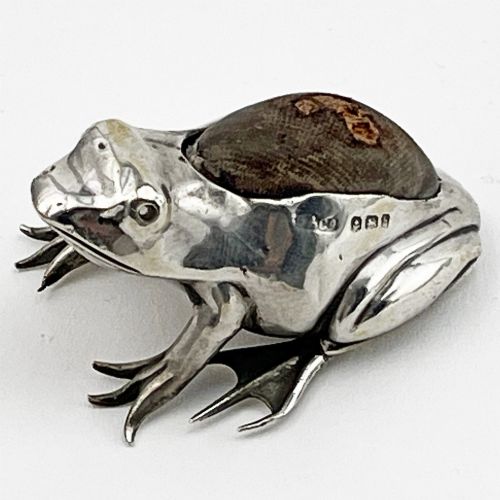
Several items disguise utility as entertainment, including pocket watches with moonface calendars and silver frog pin cushions.
Judging quality in desk collectables
Quality rests upon the crispness of the casting in bronzes and brasses, the clarity of glass in paperweights, and the legibility of hallmarks on silver pieces. Superior items retain their original mechanical components, such as functioning clock movements or intact string cutters.
The reputation of the maker or retailer influences desirability, with documented works by established silversmiths or glasshouses commanding greater interest. Material purity and the presence of hand-finished details distinguish finer examples from standard mass-produced office wares.
William Neale·Mappin and Webb·Rene Lalique·Christophe Fratin·Dora Heber
The Antique Desk Collectable Glossary
- Animalier
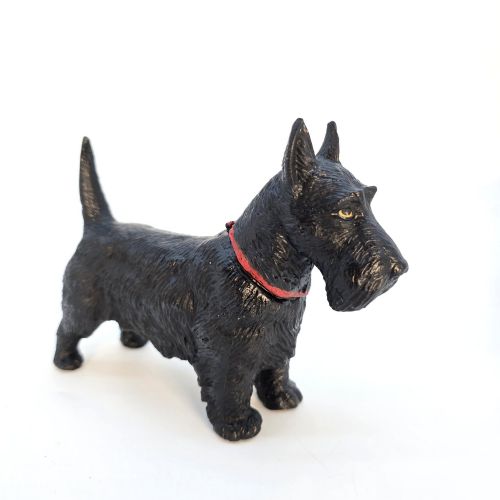
- A nineteenth-century artistic style focusing on the realistic portrayal of animals. Pieces in this style frequently depict dogs, horses, and wildlife in bronze.
- Millefiori
- A glasswork technique producing distinctive patterned mosaics resembling flowers. Italian makers utilised this method extensively for decorative paperweights.
- Treen
- Small handmade wooden household objects created before the era of plastics. Common desk items in this category include string barrels and small boxes.
- Spelter
- A zinc alloy frequently utilised as a substitute for bronze in decorative figures. These figures were often painted or bronze-plated to simulate more expensive metals.
- Carvacraft
- A brand name for cast synthetic resin items produced during the Art Deco period. Desk accessories made from this material often exhibit rich marbled colours.
Antique Desk Collectable: Frequently Asked Questions
How do I identify Victorian pieces?
Victorian desk items often feature heavy sterling silver, turned fruitwood, or intricate brass mounts reflecting nineteenth-century design trends.
Look for British hallmarks on silver items or traditional forms like string boxes and apprentice chests.
Were these items meant for daily use?
Most desk accessories served practical purposes in offices and writing rooms, from dispensing string to holding postage stamps and ink.
Their robust construction in metal and dense wood allowed them to withstand regular handling by writers and clerks.
How do I date Art Deco items?
Art Deco pieces typically date from the 1920s and 1930s, featuring geometric styling and modern materials like Bakelite, Catalin, and opalescent glass.
Stylised animal forms and mechanical novelties such as table lighters are also characteristic of this era.