




Antique Defense Cane
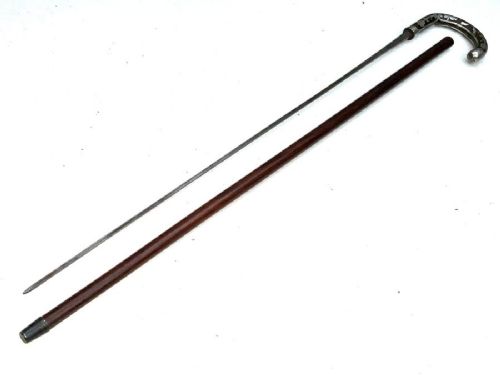
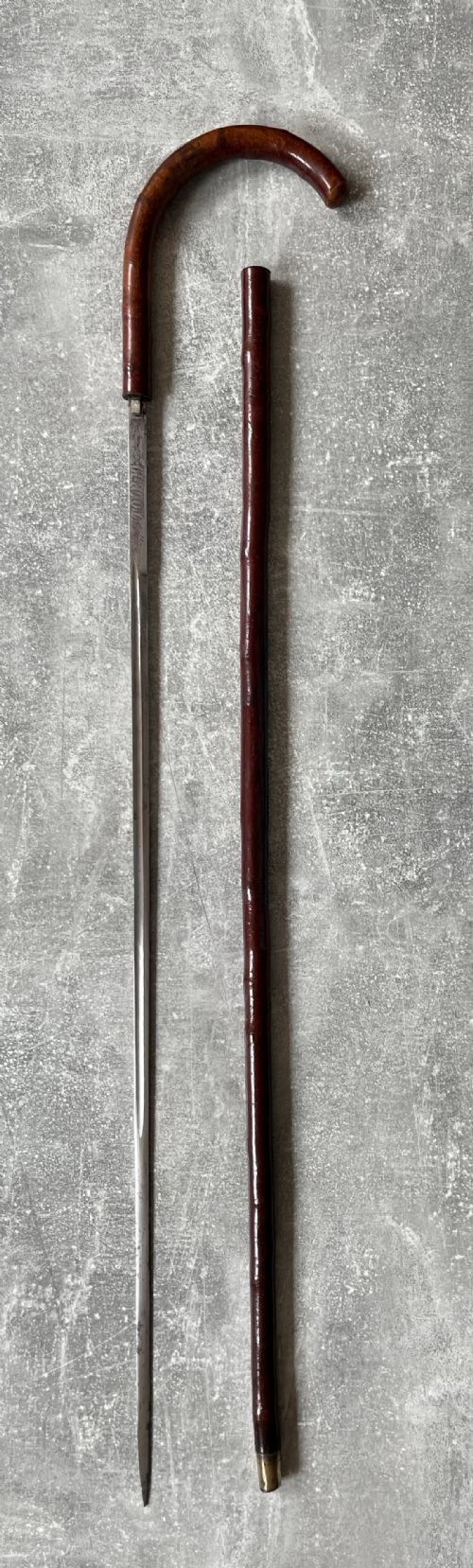
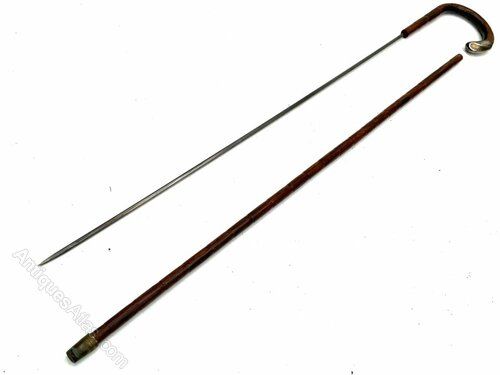
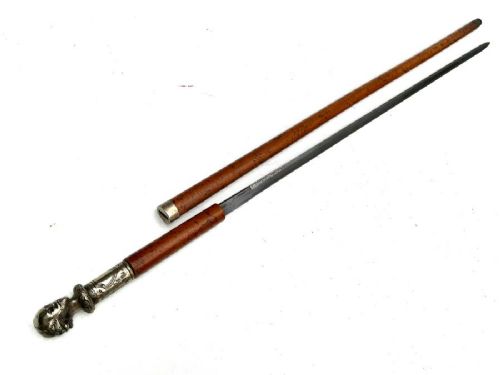
An antique defence cane is a gentleman's walking stick concealing a concealed blade, offering discrete personal protection during the Victorian and Edwardian eras.
Antique Defense Cane
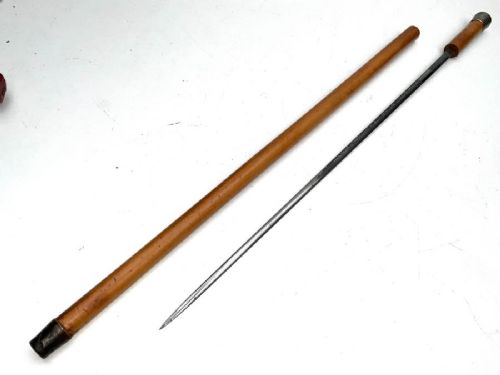
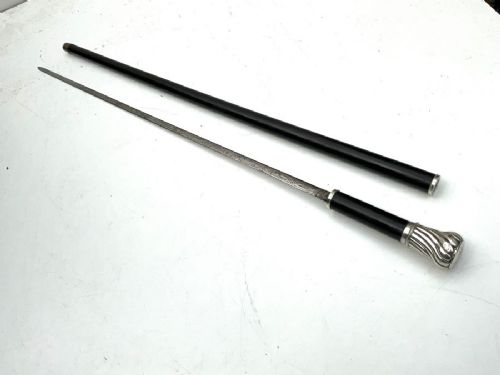
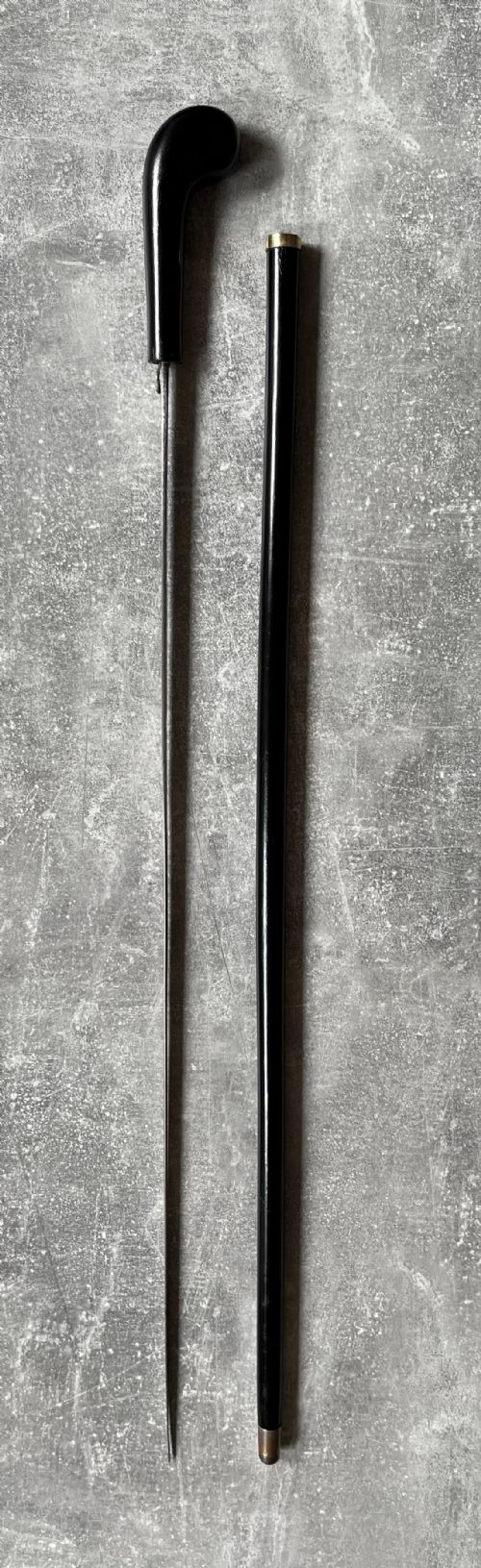
An antique defence cane is a practical walking stick housing a hidden steel blade within its shaft, designed for personal security in the nineteenth and early twentieth centuries. These pieces appear primarily as gentlemens walking sticks and sword sticks originating from the Victorian, Edwardian, and early twentieth-century periods.
The most common versions encountered on this page utilise traditional shafts of partridge wood, malacca, or ebonised wood, often fitted with silver collars, horn handles, or bone knops. Makers incorporated concealed mechanisms ranging from simple push releases to screw joints, allowing the owner to draw the blade swiftly when threatened.
How they were made
Craftsmen built these defence canes using sturdy natural materials for the exterior shaft, frequently employing partridge wood, malacca, bamboo, cherrywood, or blackthorn. These organic woods were hollowed out with precision to securely house the inner blade without compromising the rigidity needed for a daily walking aid.
The internal blades themselves were forged from steel, with specific examples utilising renowned Toledo blades or Wilkinson blades for superior strength and edge retention. Metal mounts, silver collars, and handles fashioned from horn, bone, antler, or silver repousse completed the construction, combining utilitarian defence with gentlemanly style.
Some Victorian gentlemen chose a discreet masonic symbol on their walking stick, ensuring fellow members knew they possessed an unexpected backup plan.
What varies in quality
Quality in an antique defence cane rests upon the integrity of the hidden blade and the precision of the fit between shaft and handle. Superior examples exhibit tightly sealed joins that conceal the blade entirely during normal use, coupled with high-grade steel such as a Toledo or Wilkinson blade rather than standard utility metal.
The standard of exterior materials and ornamentation further distinguishes the range, separating basic wooden shafts from those featuring solid silver mounts, detailed repousse work, or carved horn and antler handles. Maker attribution, such as signed London silver or recognised makers, elevates the piece significantly from anonymous workshop production.
Wilkinson·Brigg
The Antique Defense Cane Glossary
- Toledo blade
- A steel blade originating from Toledo, Spain, known for exceptional flexibility and strength. These blades were frequently imported and fitted into British and European walking sticks.
- Malacca
- A type of rattan cane featuring distinctive rings or nodes along the shaft, prized for its resilience and straight grain. It remains one of the premier materials for gentleman's walking sticks.
- Silver collar
- A decorative and structural metal band fitted below the handle of the cane, often bearing hallmarked silver. This mount strengthens the joint where the handle meets the hollow shaft.
- Partridge wood
- A dense, heavily figured exotic timber displaying partridge-feather patterns. It provides both the weight and durability required for a reliable defence stick.
- Repousse
- A metalworking technique where silver or other metals are hammered from the reverse side to form raised decorative designs. Silver repousse knops adorn the handles of finer nineteenth-century canes.
Antique Defense Cane: Frequently Asked Questions
How do I release the hidden blade?
Most defence canes utilise either a simple pull-apart friction fit, a twist-release mechanism, or a small push-button catch located near the collar. Pulling the handle straight out from the shaft unsheathes the internal steel blade.
Owners should handle the release mechanism with care to avoid damaging the internal wooden channels. Regular gentle use keeps the locking fit smooth over time.
What periods do these canes date from?
The pieces listed span the late Victorian and Edwardian eras, with dates ranging from the 1870s through to the 1930s. The majority originate around the turn of the twentieth century.
Stylistic indicators such as silver hallmarked dates and specific handle designs help narrow down the exact decade of manufacture.
How were defence canes used historically?
Gentlemen carried these walking sticks during the nineteenth and early twentieth centuries for self-protection while navigating poorly lit city streets. The outer shaft offered support for walking while masking the dangerous capability hidden within.
They served as both a standard daily accessory and a practical deterrent against street crime before modern policing methods became widespread.
What woods are commonly found on these sticks?
Makers relied on durable timbers capable of housing a steel blade without warping, most notably partridge wood, malacca, ebonised wood, and bamboo. Blackthorn and cherrywood also appear frequently in regional styles.
These natural woods were selected for their straight grain, impact resistance, and aesthetic appeal when polished.