
Antique Decorative Wood
Antique decorative wood brings warmth and craftsmanship into a room through carved mirrors, panels, screens, and boxes spanning several centuries.
Antique Decorative Wood
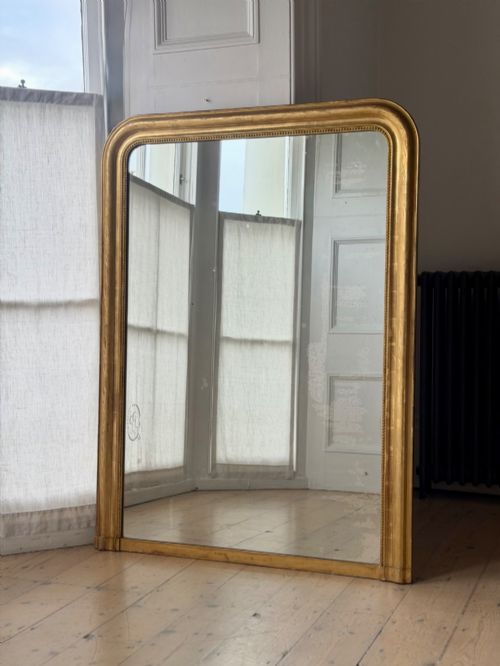
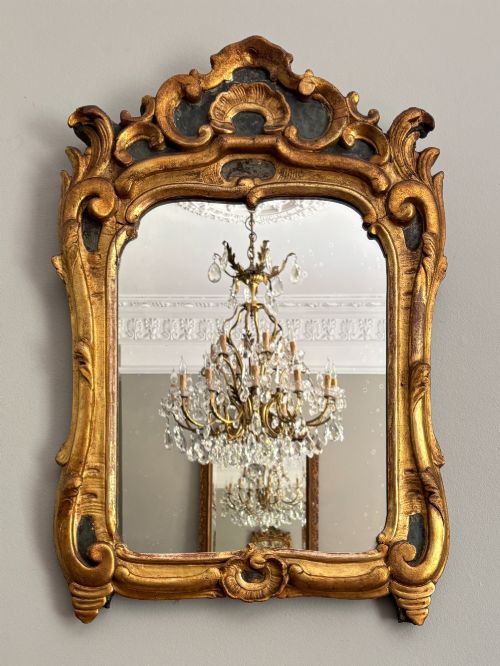
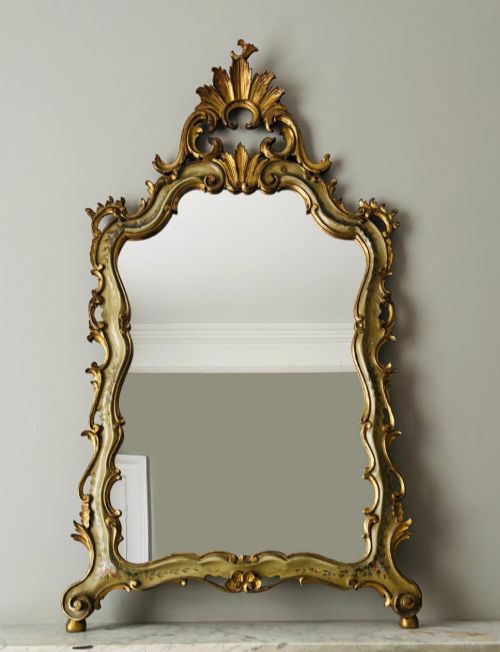
Antique decorative wood encompasses a diverse array of items designed to ornament domestic spaces, from large architectural wall carvings to small tabletop boxes. When exploring antique decorative wood, buyers frequently encounter mirrors framed in giltwood and gesso, alongside carved panels and folding screens.
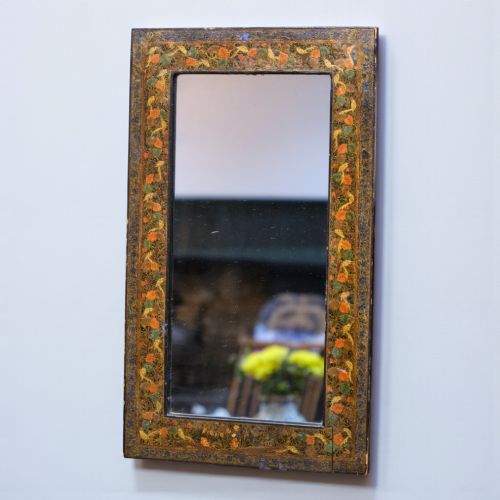
The selection ranges across European and international origins, including French, Italian, and English pieces alongside Anglo-Indian, Kashmiri, and Japanese works. Objects span from the eighteenth century through the Art Deco period, showing shifts in taste from ornate baroque flourishes to cleaner modernist lines.
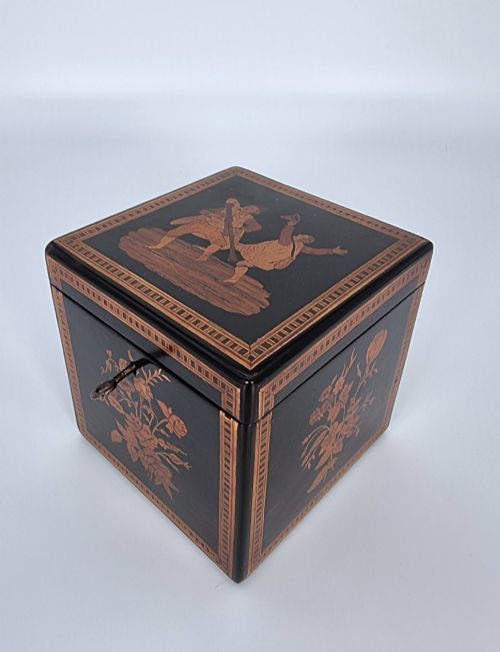
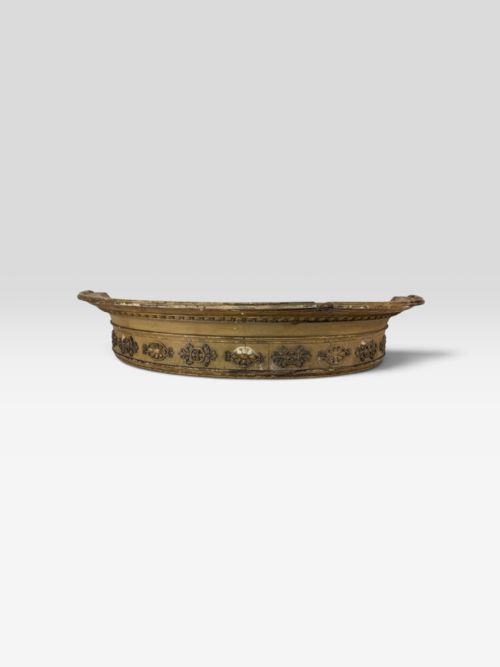
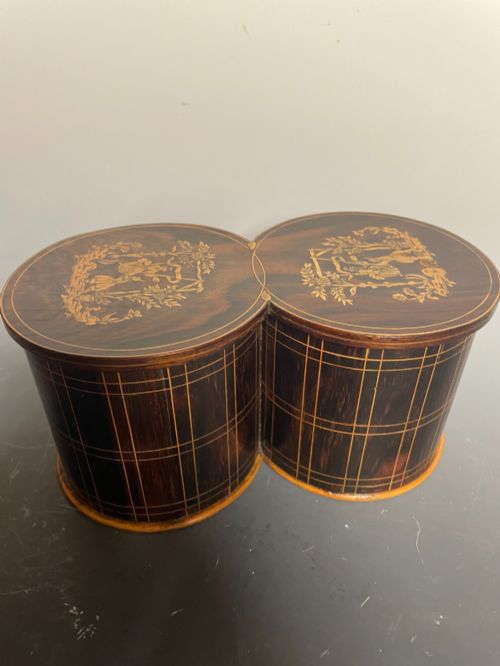
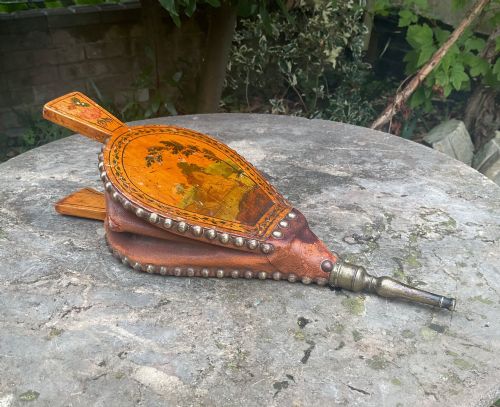
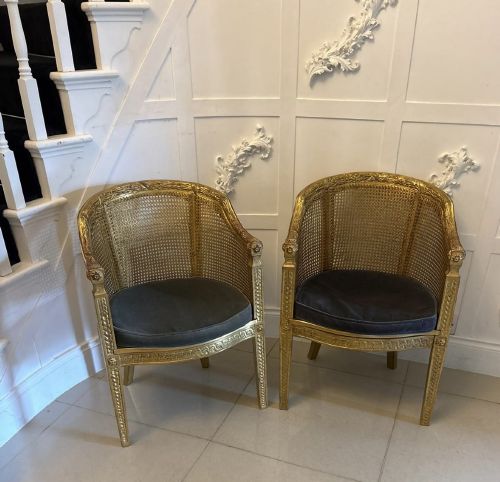
Functional items such as serving trays, games boxes, and tea caddies appear alongside purely ornamental sculptures and architectural salvage. These domestic accessories demonstrate how earlier craftspeople integrated intricate carving and inlay into everyday household objects.
Materials and Techniques
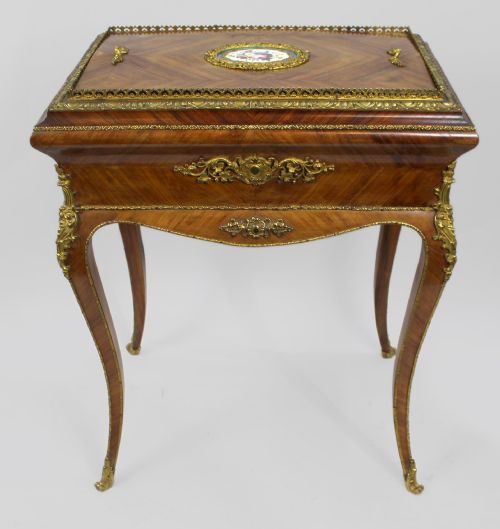
Maker's workshops relied on solid hardwoods like oak, mahogany, walnut, and cedar, often shaping them through deep hand-carving and turning. Inlaid pieces utilise contrasting veneers such as kingwood and satinwood, sometimes enhanced with mother of pearl and bone details.
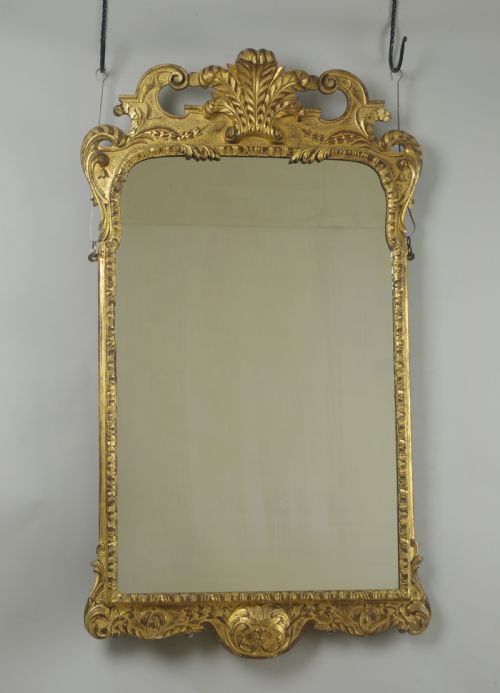
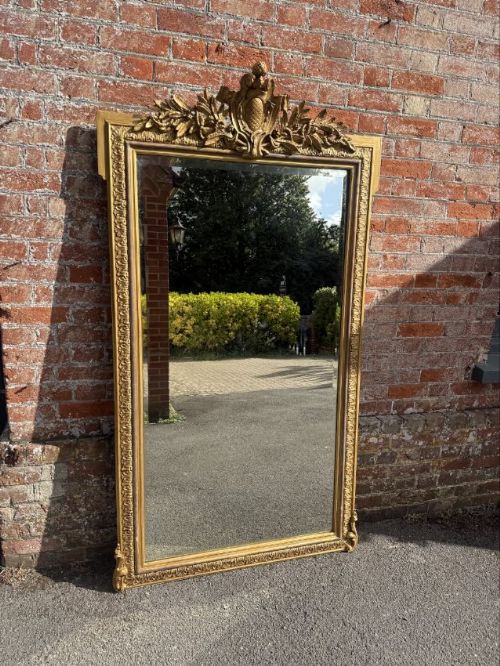
Giltwood and gesso items combine a carved wooden base coated in plaster layers before receiving gold leaf or paint finishes. Mirrors frequently incorporate mercury glass, showing the characteristic ageing and oxidation expected in older pieces.
The selection spans multiple periods, including Georgian, Victorian, Art Deco, and the Regency era.
The Measure of Craft
Quality rests in the crispness and depth of the hand-carving, where confident chisel work distinguishes master workshops from standard production. The integrity of the underlying timber and the retention of original surface finishes, whether polish, paint, or gilding, dictate the standing of a piece.
Construction methods reveal the standard of manufacture, such as the precision of dovetail joints in boxes and the stability of joined frames in screens and mirrors. Finer examples display meticulous attention to detail in secondary elements like brass hardware, hand-painted panels, and porcelain plaques.
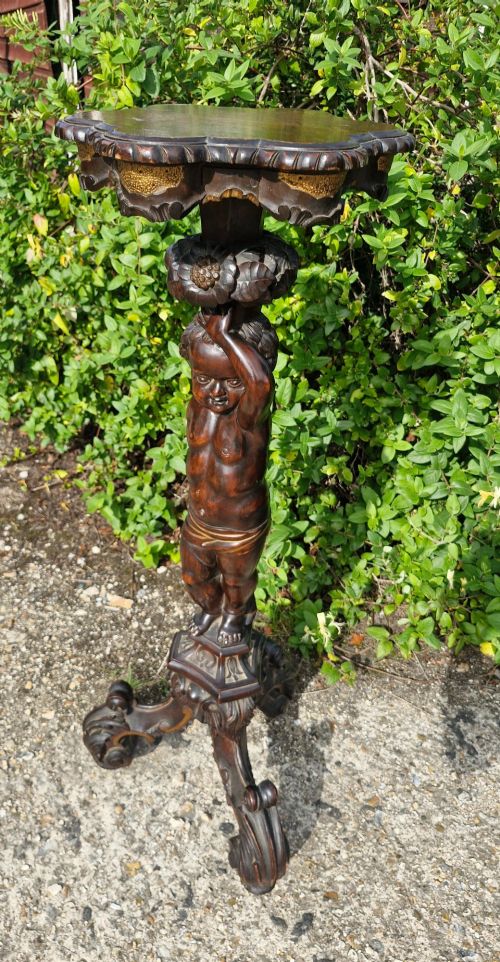
GM Elwood for JS Henry·Valentino Besarel
The Antique Decorative Wood Glossary
- Giltwood
- Wood that has been coated with gold leaf over a prepared surface. This technique creates a luminous, reflective finish popular on eighteenth and nineteenth-century mirror frames.
- Gesso
- A plaster mixture applied to wood surfaces to provide a smooth base for gilding or painting. It allows carvers to achieve sharp, intricate relief details.
- Mercury glass
- Glass silvered with a liquid mercury amalgam behind the pane, used in older mirrors. It produces a distinctive mottled reflection.
- Newel post
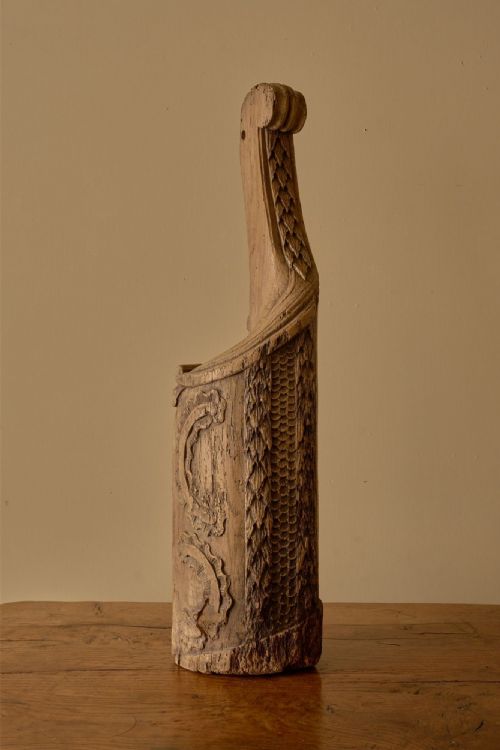
- The principal post at the foot of a staircase, or one terminating a section of railing. Carved examples serve as notable architectural ornaments.
Antique Decorative Wood: Frequently Asked Questions
How do I date an antique wood mirror?
Examine the construction methods of the frame, the type of wood, and the backing boards if they remain undisturbed. Older mirrors often show hand-beveled edges or mercury glass with characteristic clouding.
Stylistic cues such as Georgian mahogany frames or French Empire giltwood ornamentation also point to specific eras of manufacture.
What is the difference between giltwood and painted wood?
Giltwood involves applying thin sheets of gold leaf over a gesso ground on top of the timber, creating a metallic sheen that catches ambient light. Painted wood relies on liquid pigments applied directly to the surface, sometimes featuring polychrome decoration or faux finishes.
Both treatments were used extensively to enhance decorative furnishings across the eighteenth and nineteenth centuries.
How should I care for antique carved wooden objects?
Keep wooden pieces away from direct sunlight and sources of heat to prevent the timber from drying out and cracking. Maintain a stable indoor humidity level to protect delicate gesso and veneer work.
Dust gently with a dry, soft cloth and avoid modern liquid polishes that can build up and soften original finishes.
Where were carved wood panels originally used?
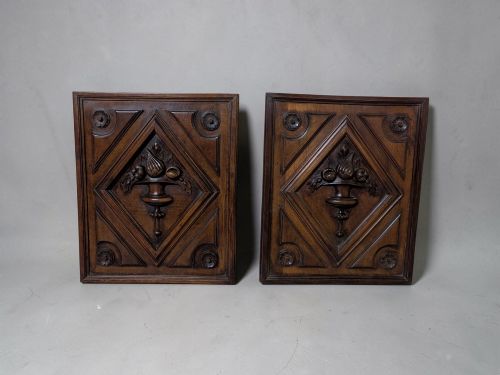
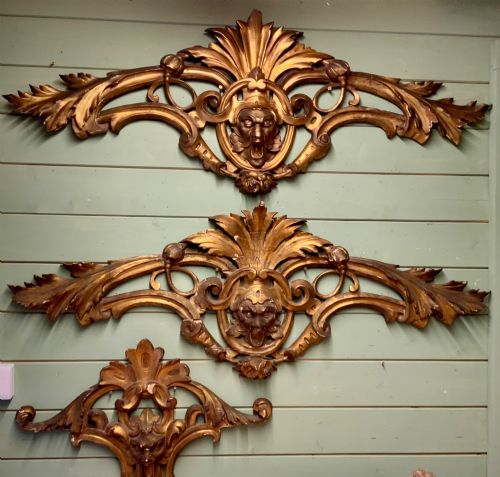
Architectural panels and Newel posts typically formed part of grand domestic interiors, staircases, or ecclesiastical settings. They were integrated into wall panelling or structural framework to display intricate Gothic tracery or figural carving.
Today, these salvaged pieces are often hung as wall art or incorporated into modern architectural schemes.