
Antique Decorative Wall Glass
Antique decorative wall glass covers ornate mirrors and barometers shaped by Victorian, Edwardian and Regency hands.
Antique Decorative Wall Glass
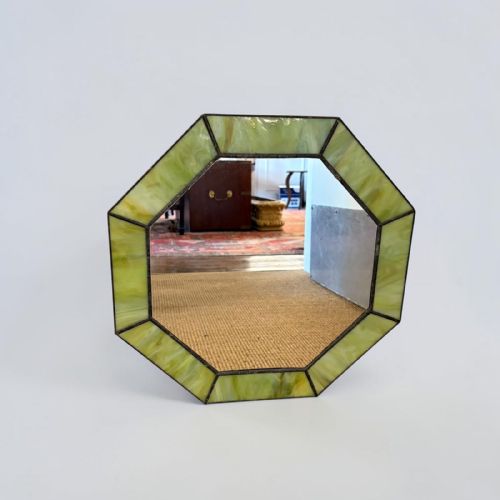
When you search for antique decorative wall glass, you encounter wall mirrors, overmantel mirrors and barometers framed in timber or metal. These pieces originate from Victorian, Edwardian and Regency periods, alongside continental workshops.
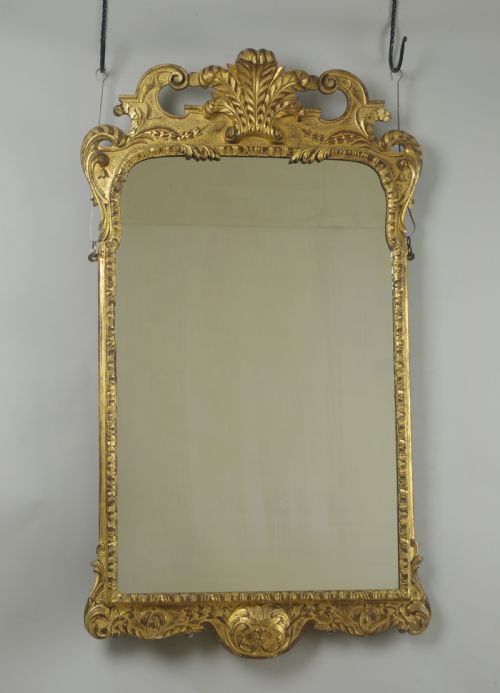
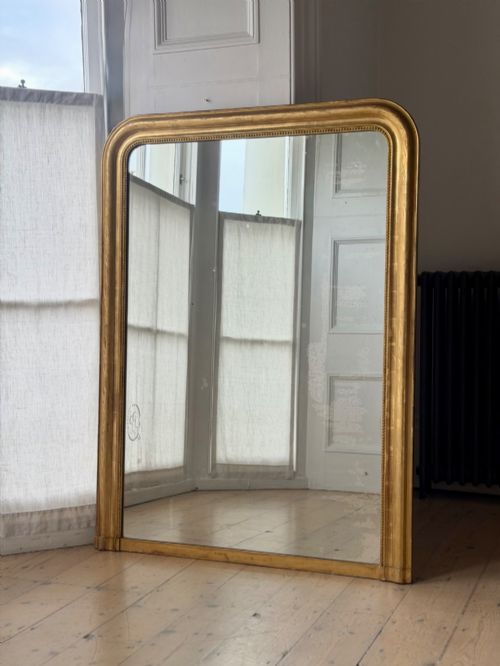
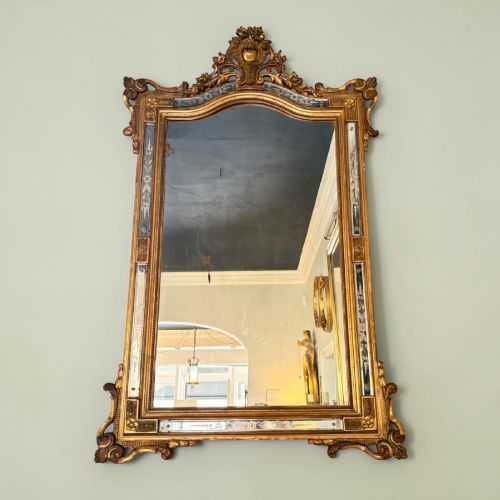
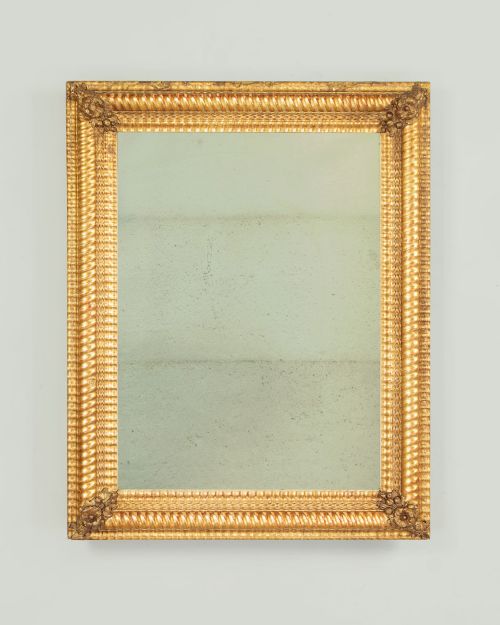
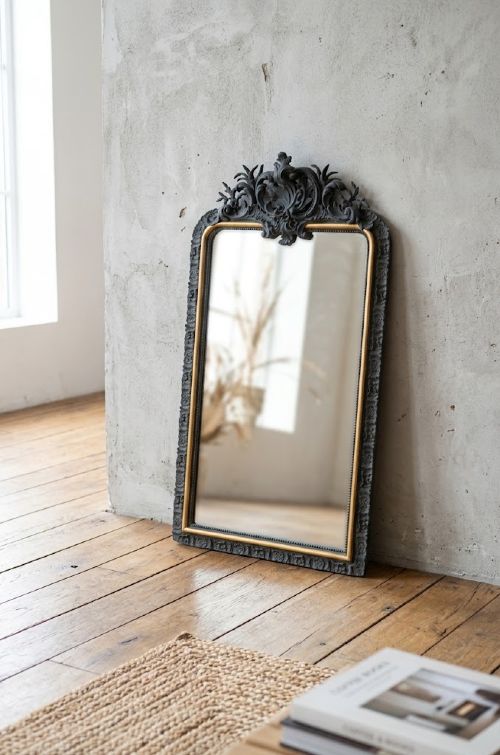
The most common forms on this page are wall mirrors and overmantel mirrors fashioned in giltwood, gesso and carved oak. These items served both practical reflection and decorative presence in period interiors.
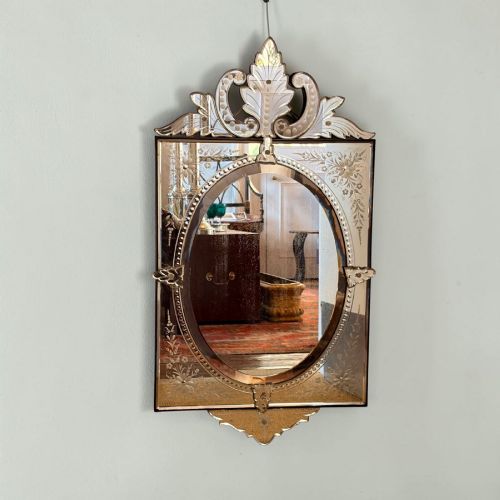
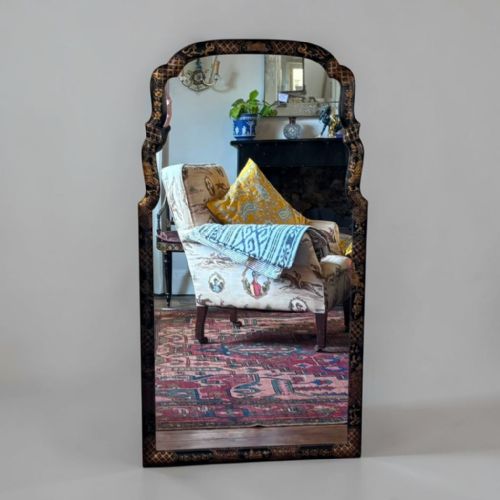
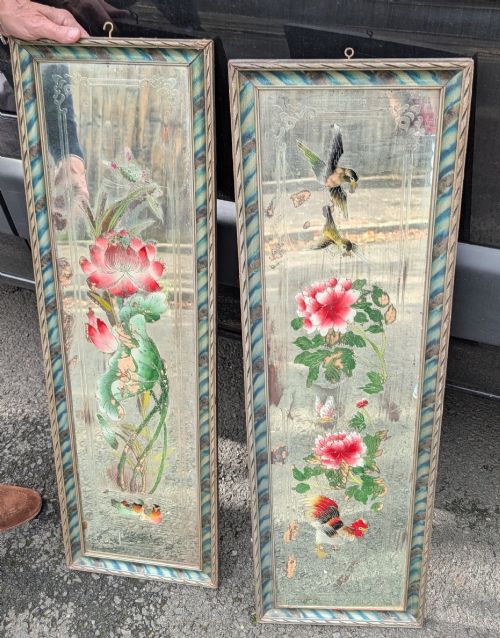
Makers utilised diverse regional styles, ranging from Venetian cushion mirrors to French Empire pier mirrors and Chinese wall hanging mirrors. Each type carries distinct regional framing techniques.
Materials and Construction
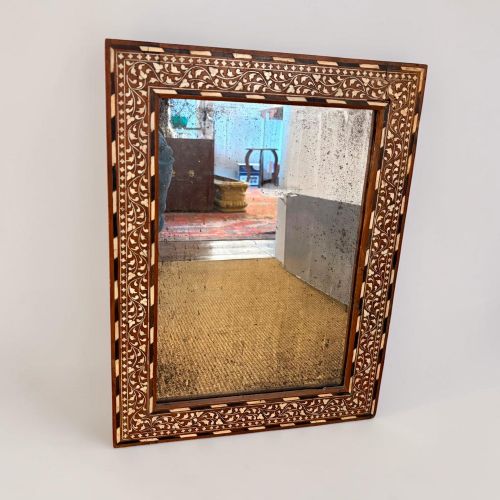
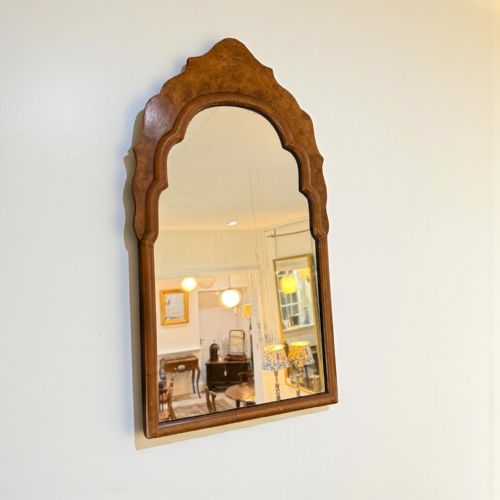
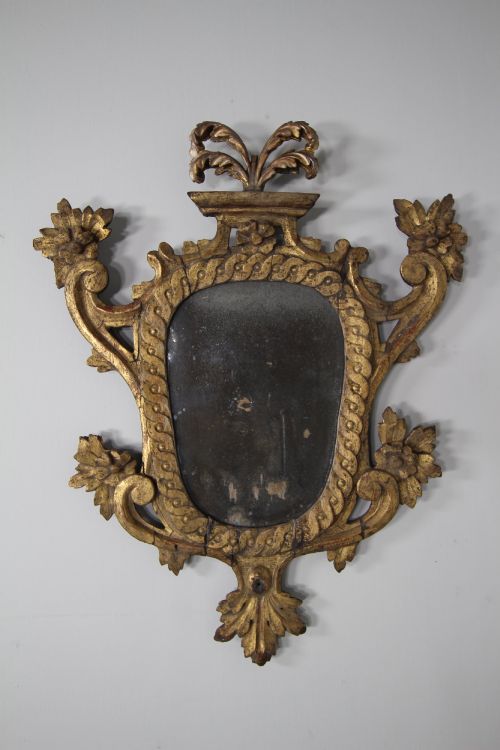
Craftsmen built frames using timber such as oak, mahogany, walnut and rosewood, often applying layers of gesso and gold leaf. Giltwood carving required meticulous hand labour to achieve deep relief ornamentation.
Glass plates were silvered by hand, resulting in characteristics like light foxing and uneven reflection across older panels. Brass, bronze and tortoiseshell veneers further augmented decorative borders.
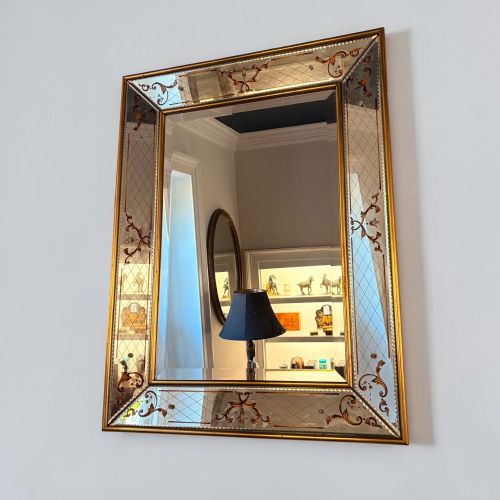
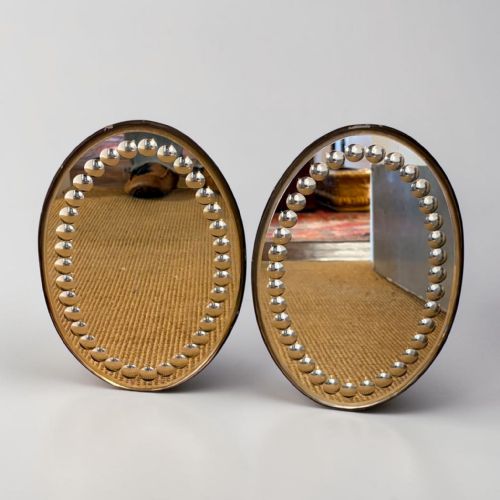
Etched and cut glass plates featured in Venetian and Art Deco designs, where surface engraving created floral or geometric motifs directly on the mirror.
Some Victorian mirrors hide secret painted silk panels behind their frames for quiet contemplation.
Craftsmanship and Proportion
Quality rests in the depth of hand carving and the integrity of the original giltwood or gesso surface. Superior examples display crisp foliage, urns and swags without loss to the underlying wooden structure.
The sophistication of the mirror plate determines tier, where original mercury or silvered glass with natural foxing holds greater character than plain modern replacements. Proportions and balanced framing separate standard production from exceptional artistry.
The Antique Decorative Wall Glass Glossary
- Giltwood
- Timber coated with a thin layer of gold leaf over a prepared gesso base. This finish provides a warm reflective sheen characteristic of period frames.
- Gesso
- A plaster mixture applied to wood frames to create a smooth surface for carving and gilding. It allows intricate relief work on Victorian and Regency mirrors.
- Foxing
- Age-related spots and discoloration appearing within the mirror glass plate. This chemical ageing process creates a mottled dark pattern across the reflection.
- Trumeau
- A decorative wall mirror combined with a painted panel or oil painting above the glass. French interiors frequently utilised these architectural fittings.
- Pier mirror
- A tall narrow mirror designed to hang on the wall space between windows. These pieces often feature painted or giltwood frames from the nineteenth century.
Antique Decorative Wall Glass: Frequently Asked Questions
How do I hang a heavy overmantel mirror?
Heavy overmantel mirrors require secure wall fixings into masonry or structural timber studs rather than standard plasterboard. Professional mirror hangers utilise heavy-duty steel brackets rated to support the combined weight of the wood and glass.
Ensure the hanging wire or integrated D-rings are robust and inspected before mounting the piece above a fireplace or sideboard.
What causes foxing on old mirror glass?
Foxing occurs when moisture seeps behind the glass plate over decades, causing the silver backing to oxidise and degrade. This chemical reaction produces distinctive dark spots and cloudy patches.
Many collectors value authentic foxing as proof of age and original nineteenth-century manufacture rather than a defect.
Can I clean antique glass without damage?
Clean antique mirror glass gently using a soft microfibre cloth and a mild vinegar solution applied to the cloth rather than the glass. Avoid spraying liquid directly onto the edges where moisture can seep behind the frame.
Keep abrasive cleaners and chemical solvents away from both the glass and the surrounding giltwood or gesso surface.
How do I identify a Venetian glass mirror?
Venetian mirrors feature elaborate cut and engraved glass elements, often incorporating coloured borders in ruby red or layered glass plates. The frames themselves are constructed predominantly of glass rather than wood.
Look for distinctive floral motifs, scrollwork and segmented mirror panels secured with decorative glass-headed screws.
Are barometers accurate timepieces?
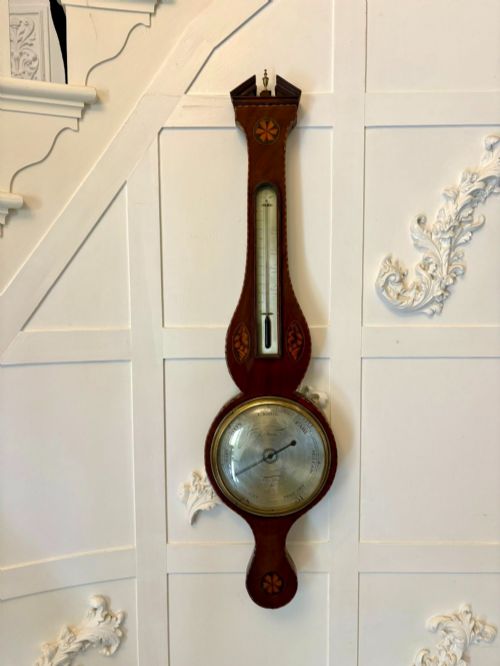
Barometers measure atmospheric pressure to forecast weather changes rather than telling time. Victorian and Regency banjo barometers require calibration to local altitude for reliable readings.
Many owners appreciate these instruments primarily for their decorative mahogany and inlaid woodwork rather than meteorological function.