




Antique Decorative Prints
Antique decorative prints bring centuries of graphic craft into modern interiors through framed maps, engravings, and botanical studies.
Antique Decorative Prints
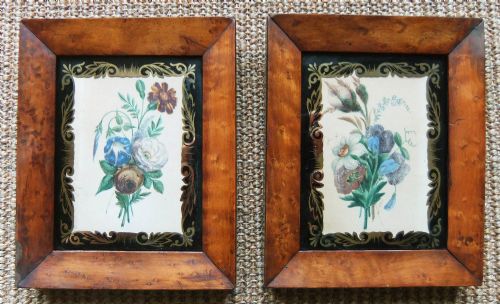
When you search for antique decorative prints, you encounter works on paper originating from the eighteenth, nineteenth, and early twentieth centuries. These pieces encompass framed maps, classical engravings, ornithological studies, and theatrical prints designed for wall display.
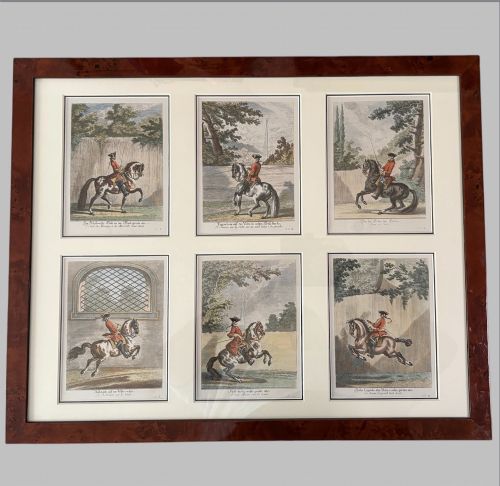
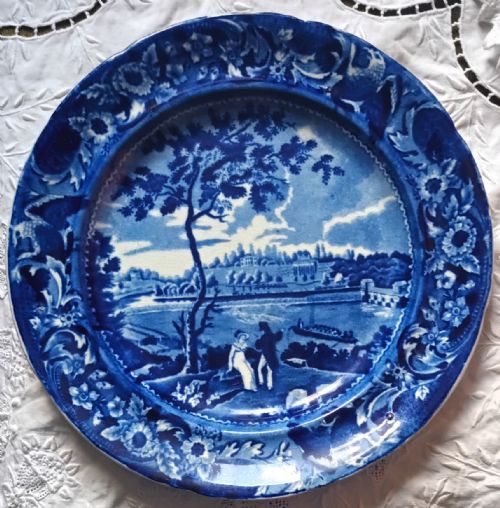
The selections available here lean heavily toward nineteenth-century works and Georgian impressions, often framed in wood or glass. You will find items ranging from hand-coloured equestrian plates to architectural depictions of lakes and pavilions.
Buyers choose these works to introduce historical depth and traditional imagery to a room. They suit studies, hallways, and living spaces where graphic wall art anchors the scheme.
How they were made
The physical substance of these works relies fundamentally on paper, ink, and wood or glass framing. Printers utilised copper plates and woodblocks to transfer detailed lines onto paper sheets, sometimes applying watercolour by hand afterwards.
Makers housed these graphic pieces behind glass within wooden frames, protecting the delicate paper surfaces from atmospheric moisture. The combination of black or coloured ink on rag paper gives each sheet its characteristic weight and texture.
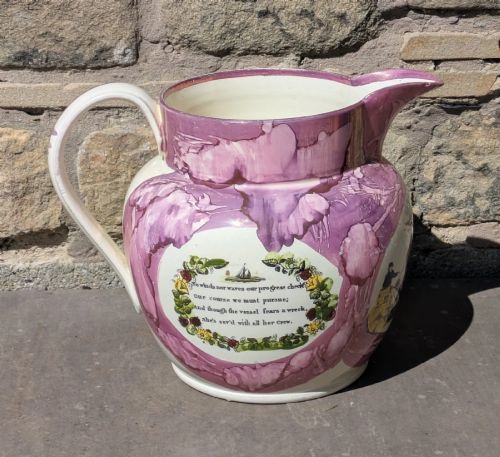
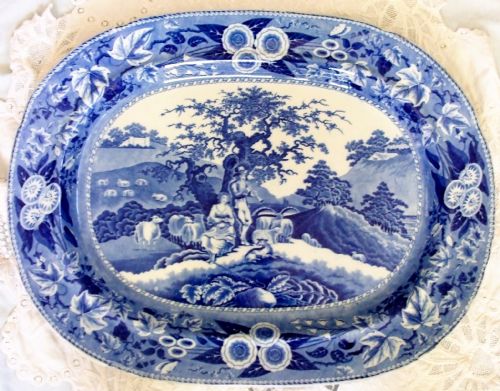
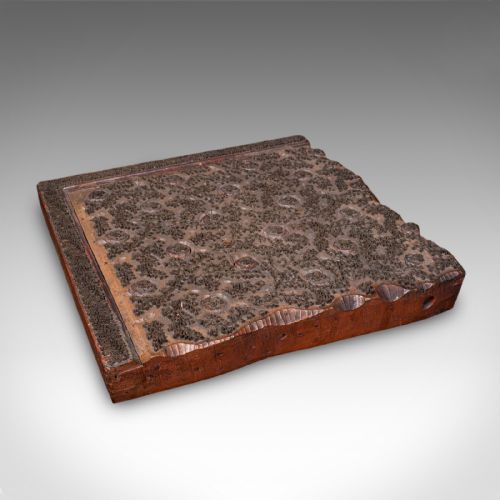
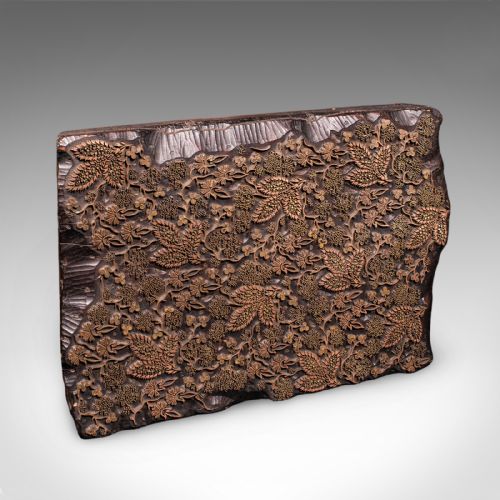
Listings feature paper, ink, and wood alongside ceramics and brass printing blocks from the 18th to early 20th centuries.
What varies in quality
Quality rests upon the crispness of the impression transferred from the original plate or block. Finer examples retain sharp, clean lines without blurring, whereas weaker impressions show muddy ink distribution and worn contours.
The application of hand-colouring further distinguishes the tiers of production. Skilled artists applied washes with precision, while lesser examples display hurried or heavy-handed pigment application that obscures the underlying engraving.
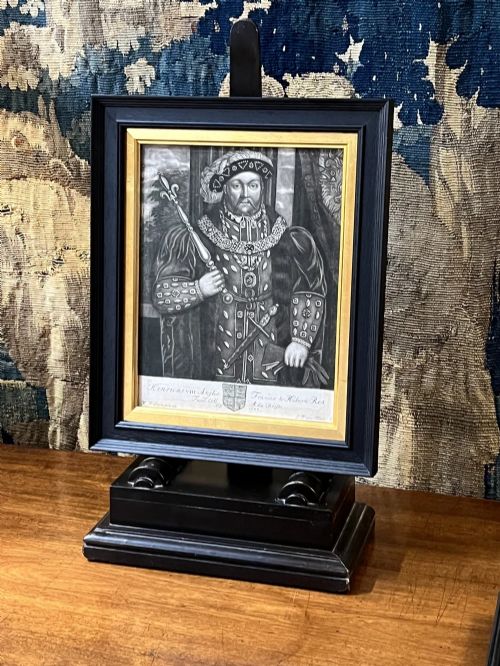
John Faber Snr·Hans Holbein The Younger·Stubbs·William Powell Frith
The Antique Decorative Prints Glossary
- Engraving
- A printmaking process where an artist cuts lines directly into a metal plate with a burin. This technique produces fine, precise details ideal for maps and architectural views.
- Mezzotint
- A tonal printmaking method that allows for rich darks and subtle gradations of light. It gained popularity for portraits and reproductive art.
- Hand-coloured
- A finished print enhanced with watercolours or washes applied by hand after the initial impression. This process added vibrancy to botanical and equestrian subjects.
- Copper plate
- The metal matrix used to hold ink before pressing onto paper. Copper allowed for exceptionally fine lines before the metal wore down from repeated use.
- Cartography
- The science and art of map-making. Antique examples often feature decorative cartouches and hand-tinted regional boundaries.
Antique Decorative Prints: Frequently Asked Questions
How should I hang antique prints?
Protect them from direct sunlight to prevent the ink and paper from fading over time. Hang them on interior walls away from damp zones like kitchens or unventilated bathrooms.
Use professional framing methods with acid-free mounts to keep the paper separated from the glass. This simple precaution prevents condensation from damaging the delicate surface.
Are these prints original period pieces?
The items gathered here date from historical periods including the Georgian and Victorian eras. They were produced during the active lifetimes of the original cartographers, publishers, and printmakers.
Paper stock, ink composition, and plate marks provide physical evidence of their age. These characteristics distinguish genuine period impressions from modern reproductions.
What subjects are most common?
Common subjects include topographical maps, classical architectural scenes, and ornithological studies of birds. Equestrian scenes and theatrical decoupage also appear frequently within nineteenth-century collections.
Each subject category reflects the educational and decorative interests of its original era. Buyers select themes that match their specific interior design preferences.
How do I care for framed paper?
Keep the room temperature stable to prevent the wooden frames and paper from expanding and contracting. Dust the frames gently with a dry, soft cloth without spraying cleaning liquids near the glass.
Check the backing boards periodically to ensure dust seals remain intact. Professional conservators can advise if the paper ever requires re-mounting or professional cleaning.