



Antique Decorative Paperweight
An antique decorative paperweight anchors a desk with weight and substance, bringing tactile history and sculptural form straight to your working space.
Antique Decorative Paperweight
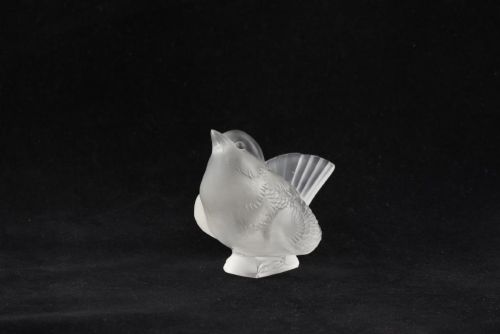
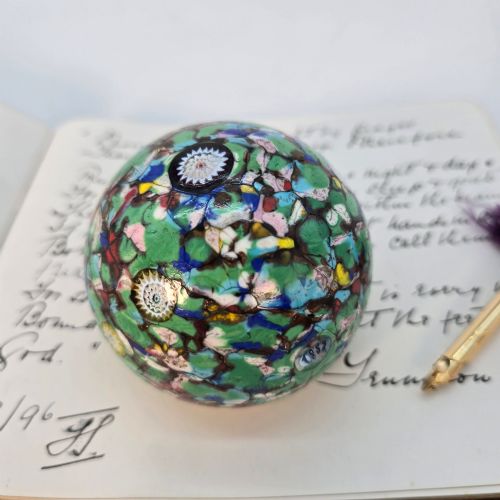
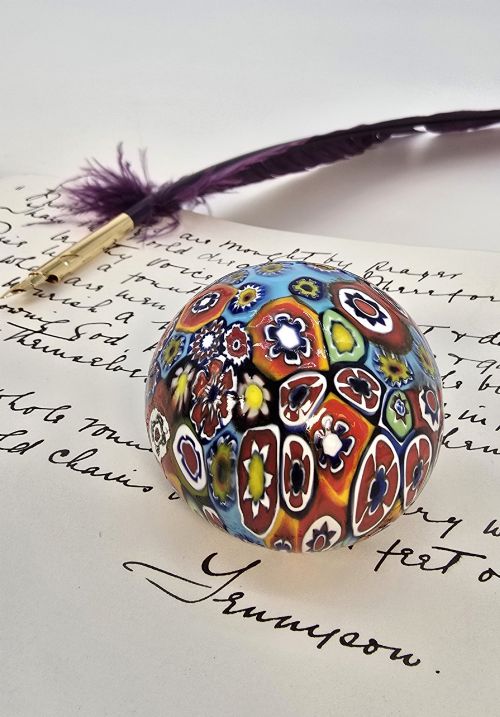
An antique decorative paperweight serves to hold loose correspondence in place while offering a distinct sculptural presence on a desk. When you search for an antique decorative paperweight, you encounter an eclectic selection of functional desk objects and miniature figures dating from the nineteenth century into the 1930s. The forms span from traditional glass weights with cane work to animalier bronzes, majolica ornaments, and architectural brass obelisks.
The pieces on this page draw from Victorian, Edwardian, Art Nouveau, and Art Deco periods, alongside styles such as Egyptian Revival and Animalier. You are likely to meet heavy metal castings, moulded glass, and glazed earthenware shaped as animals, human figures, or functional desk accessories. Each item combines utilitarian purpose with the ornamental taste of its respective decade.
How they were made
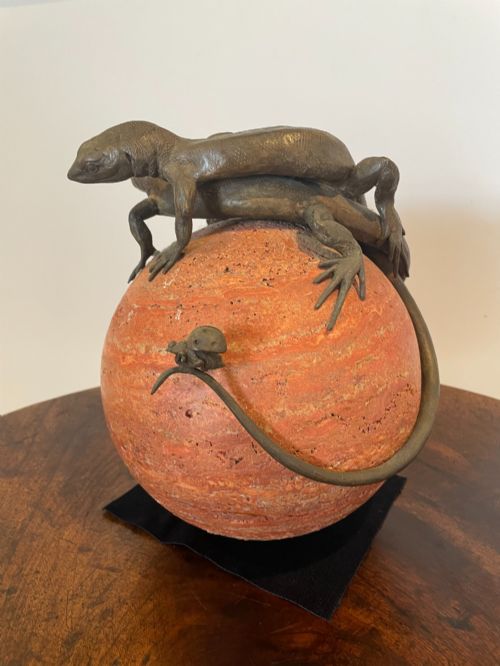
The metal objects rely on bronze casting, silvering, and brass fabrication, often paired with heavy stone bases in marble or alabaster. Bronze animals and desk weights utilise traditional lost-wax casting methods to capture fine anatomical detail in subjects like hares, lizards, and foxes.
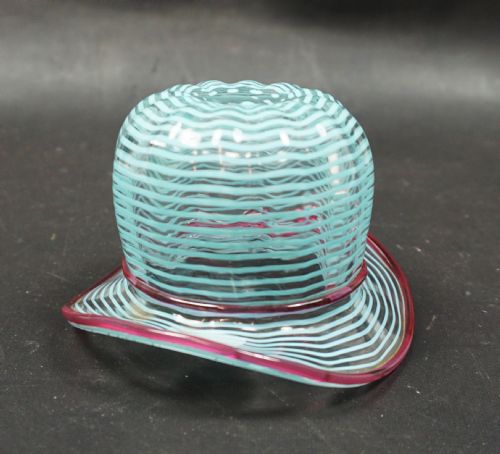
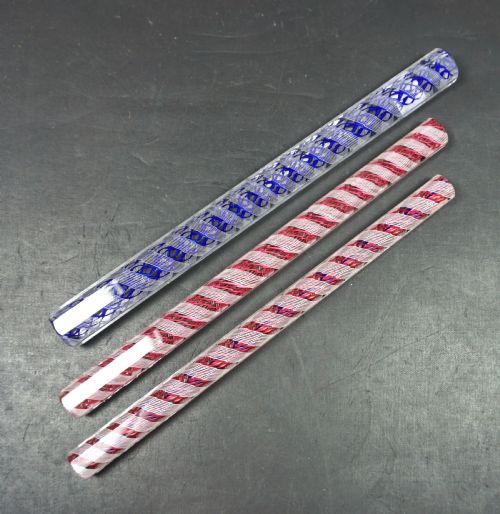
Glass pieces incorporate complex cane work, facet cutting, and moulding techniques. Makers used coloured glass elements fused within clear crystal matrices to create intricate internal patterns, or shaped molten glass into whimsical forms such as miniature hats.
Antique Decorative Paperweight Retail Price Guide 2026
Typical asking prices for decorative paperweight among the pieces listed under this phrase on Sellingantiques today, from the lower quarter to the upper quarter. They describe what is for sale here now, not the wider market.
Materials represented include cast bronze, majolica pottery, crystal glass, brass, and carved marble.
What varies in quality
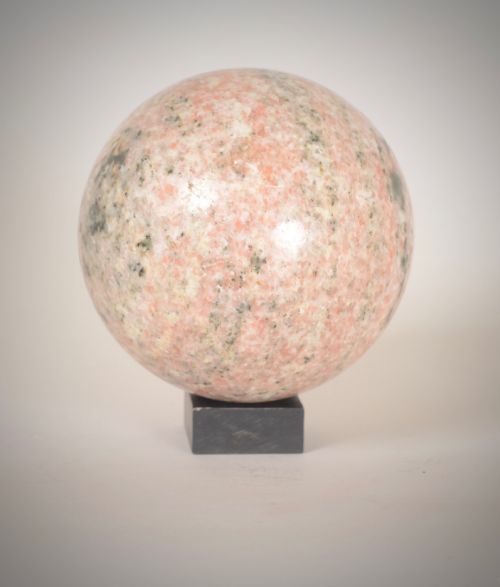
Quality rests upon the crispness of the casting in metalwork and the clarity and complexity of the internal design in glass pieces. A superior bronze displays sharp fur texture and secure attachment to its marble or alabaster base, whereas lesser examples show softer definition from worn moulds.
In glass objects, the excellence of a piece depends on the precision of the cane work and the absence of distracting bubbles or surface distortion. Well-executed facet cutting creates clean, sharp refractive edges that catch the light directly.
Rene Lalique·A L Barye·Barbedienne·Minton Hollins
The Antique Decorative Paperweight Glossary
- Animalier
- A nineteenth-century artistic style focusing on the realistic depiction of animals, particularly predators, horses, and hares. Sculptors in this tradition worked primarily in bronze.
- Millefiori
- A glasswork technique involving the production of glass canes with multicoloured patterns that are revealed when sliced crosswise. These canes are arranged within clear glass to form dense floral motifs.
- Majolica
- A type of earthenware coated with an opaque tin-glaze and painted with metallic oxide colours before firing. It produces vibrant, glossy surfaces often used for Victorian ornamental figures.
- Egyptian Revival
- An architectural and decorative style inspired by the motifs and forms of ancient Egypt. Obelisks and sphinxes frequently appear in desk accessories from this movement.
- Cachet
- A French term for a seal or stamp, often mounted on a decorative handle made of glass or metal. These items functioned to stamp hot wax on correspondence.
Antique Decorative Paperweight: Frequently Asked Questions
What materials make up an antique decorative paperweight?
The materials span bronze, brass, frosted glass, crystal, earthenware, and marble. Metal pieces often feature patinated surfaces or silvered finishes.
Glass examples utilise coloured canes and heavy lead crystal bases to achieve sufficient heft for holding down paper.
How were these objects used on a desk?
They served primarily to secure loose sheets of paper, letters, and documents against drafts in nineteenth and early twentieth-century offices and studies. Many doubled as miniature sculptures or ornamental conversation pieces.
Some items, such as brass obelisks or figural majolica pieces, combined desk organisation with visual interest.
How do I identify a Victorian piece from an Art Deco one?
Victorian items often display ornate detailing, naturalistic animalier subjects, or heavy brass construction. They reflect a taste for historical revival and ornate craftsmanship.
Art Deco pieces, emerging around the 1920s and 1930s, lean towards sleek stylized animal forms, geometric lines, and modernist glass moulding techniques.
Are these paperweights heavy enough for daily office use?
Most are cast in solid bronze, brass, or thick crystal, giving them substantial mass. They were designed specifically to anchor stationery on busy desks.
Heavier models incorporate marble or alabaster bases to increase overall weight.