


Antique Decorative Metalware
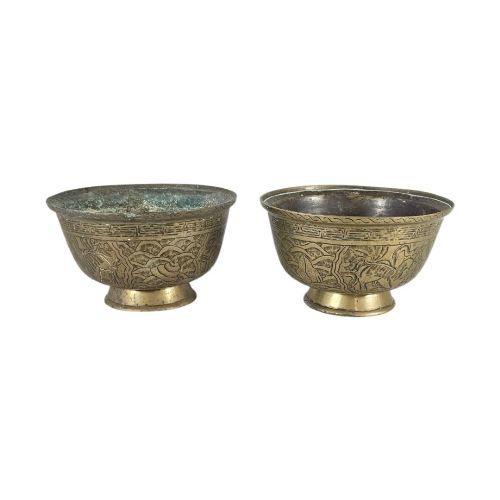
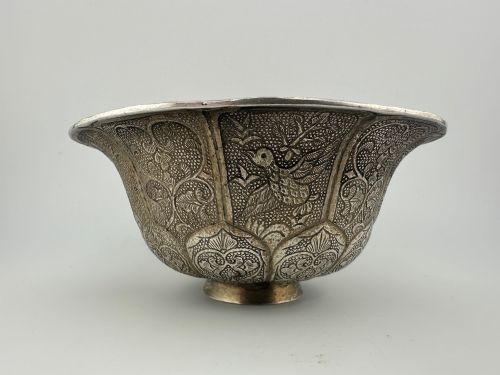
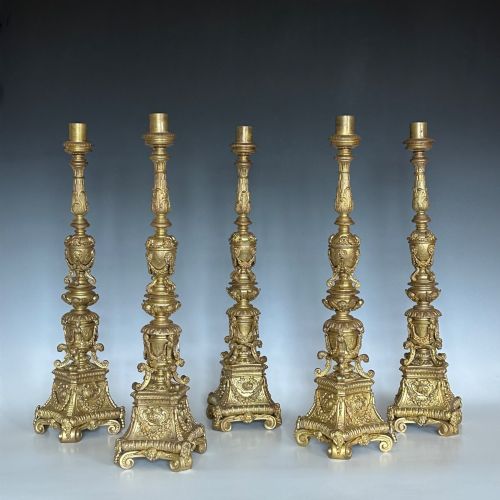
These pieces of antique decorative metalware span centuries of craftsmanship, offering striking bowls, vessels and candlesticks shaped from copper, brass, bronze and pewter.
Antique Decorative Metalware
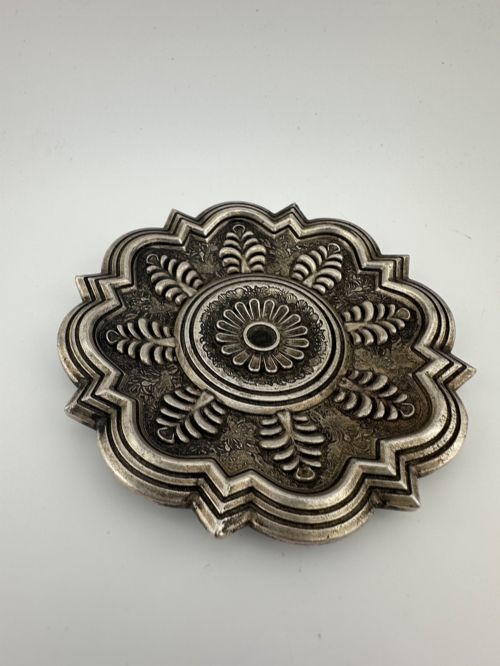
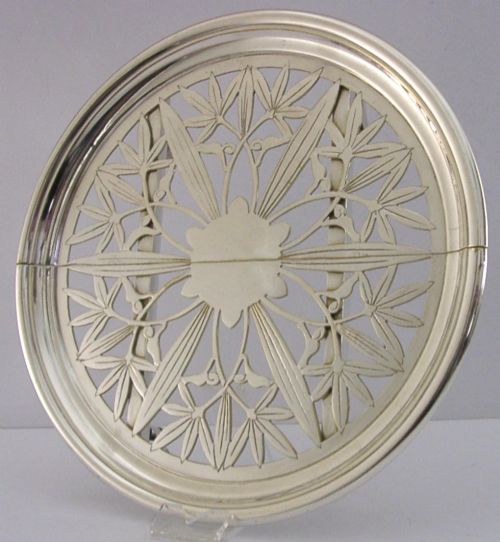
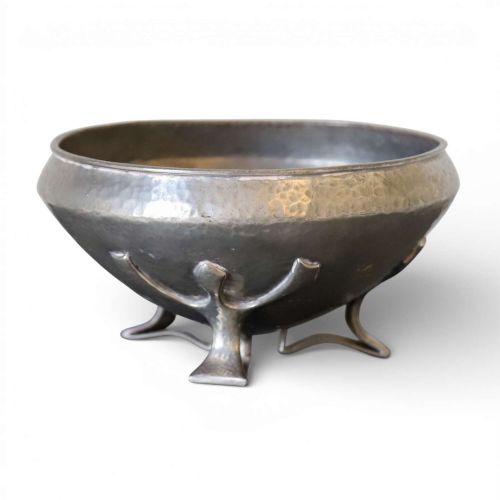
The selection frequently includes items such as decorative bowls, vases, candlesticks, and trays originating from European, Asian, and Middle Eastern workshops. Pieces range from Victorian brass ewers and copper kettles to Arts and Crafts pewterware and intricate oriental bronze vessels.
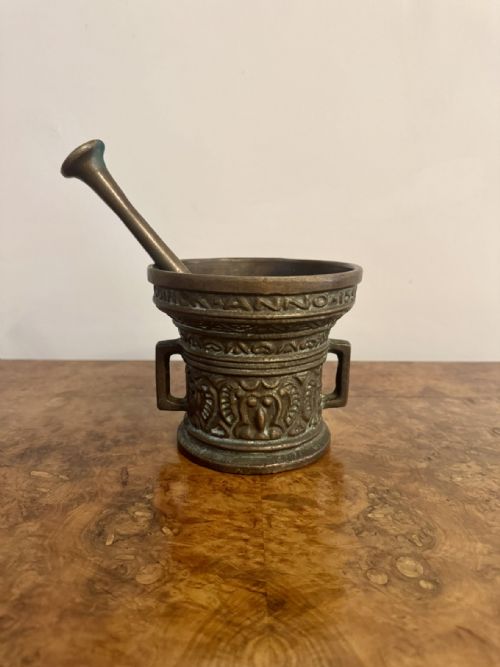
Domestic and decorative forms dominate the offerings, reflecting the varied social and domestic uses of metal throughout the nineteenth and early twentieth centuries. Whether looking for a heavy bronze mortar or a delicate cloisonné plate, collectors find items defined by their material permanence and aesthetic ambition.
How they were made
Makers utilised techniques such as casting, hammering, chasing, and engraving to shape copper, brass, bronze, and pewter into durable domestic and decorative forms. Sheet metal was frequently beaten or spun into vessels, while more complex sculptural forms, such as candlesticks and ewers, relied on traditional metal casting methods.
Surface ornamentation involved varied methods including silver plating, enamel work, and metal inlay to achieve textural contrast and visual richness. Artisans applied patination, chasing, and engraved motifs to brass, copper, and bronze surfaces, creating the distinctive decorative finishes seen across different periods and regional traditions.
Victorian households once relied on decorative brass paper clips shaped like tiny grasping hands to tidy their desks.
What varies in quality
The standard of execution in chased and engraved decoration separates standard utility wares from exceptional decorative pieces. Crisp lines, balanced proportions, and careful hand-finishing indicate superior craftsmanship in items such as trays, chargers, and vessels.
Material weight and structural integrity strongly influence the overall standard of metalware items. Heavier gauge metals, solid casting construction, and well-preserved original surfaces demonstrate superior manufacturing quality across both European and Asian pieces.
Christofle·Liberty & Co·Oliver Baker
The Antique Decorative Metalware Glossary
- Cairoware
- Metalware decorated with inlaid silver and copper calligraphy or geometric patterns, typically originating from Egypt and the Middle East during the nineteenth century. These pieces combine brass bases with contrasting metallic wire inlays.
- Cloisonne
- An ancient technique for decorating metal object surfaces using enamel compartments created by soldered flat wires. Artisans fill the resulting cells with coloured paste before firing the piece.
- Tudric
- The trade name used by Liberty & Co for their range of pewterware produced during the Arts and Crafts movement. These items often feature characteristic Celtic revival motifs and organic styling.
- Oinochoe
- A classical Greek wine jug featuring a distinct trefoil mouth designed for pouring. Later revivals replicate this curved rim form in brass and other metals.
- Patinated
- The natural or chemically induced surface coloration developed on metals such as bronze, copper, and brass over time. Controlled patination enhances the visual depth of decorative vessels.
- Chased
- Surface ornamentation hammered or punched directly into sheet metal from the exterior to create low-relief designs. This technique adds tactile texture to decorative trays, bowls, and urns.
Antique Decorative Metalware: Frequently Asked Questions
What metals are most common?
Copper, brass, bronze, and pewter appear most frequently across these historical listings. Each metal brought distinct durability and colour properties to domestic and decorative objects.
Craftsmen selected specific metals based on the intended function of the object, whether for heavy kitchen use or refined display.
How do I clean antique metal?
Most collectors prefer to leave a natural, aged patina intact rather than aggressively polishing historical metal surfaces. Vigorous cleaning can remove desirable original finishes and historical wear marks.
Light dusting and occasional gentle wiping with a dry cloth are generally sufficient for routine maintenance of display items.
Are pewter pieces safe to use?
Older pewter compositions may contain lead, making them unsuitable for modern food and drink consumption. These items are best regarded as decorative display pieces rather than functional tableware.
Twentieth-century pewter items, particularly those from specific makers, often used refined, lead-free metal alloys.
How do I date copper vessels?
Manufacturing methods, such as hand-beating versus machine rolling, offer key clues to the age of copper items. Construction seams, handle attachments, and overall weight also help differentiate older pieces.
Stylistic markers tied to movements like Arts and Crafts or Art Nouveau provide further chronological context.