

Antique Decorative Metal
Antique decorative metal encompasses vessels, furnishings, and hearth equipment shaped in brass, bronze, copper, and iron.
Antique Decorative Metal
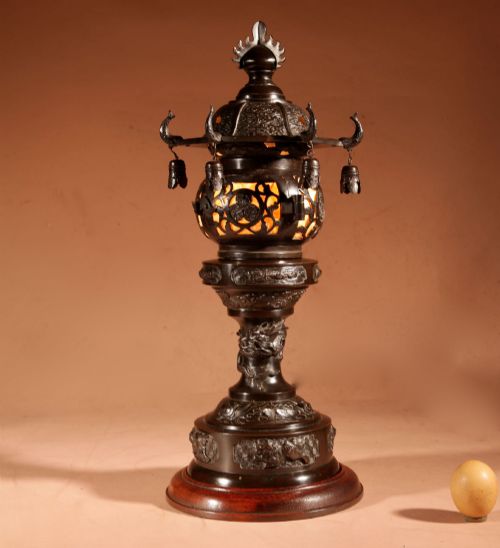
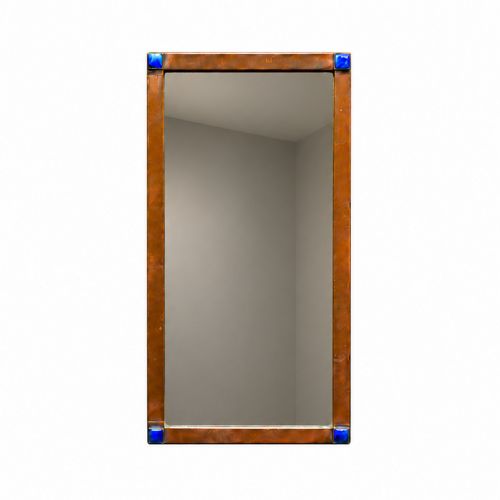
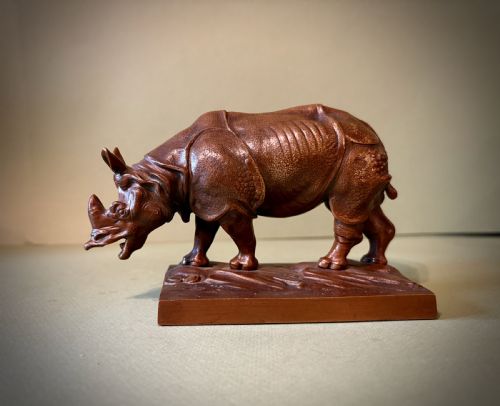
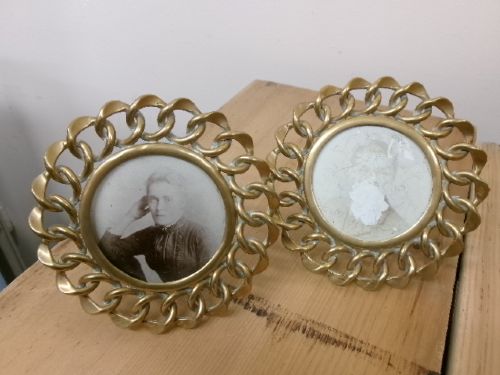
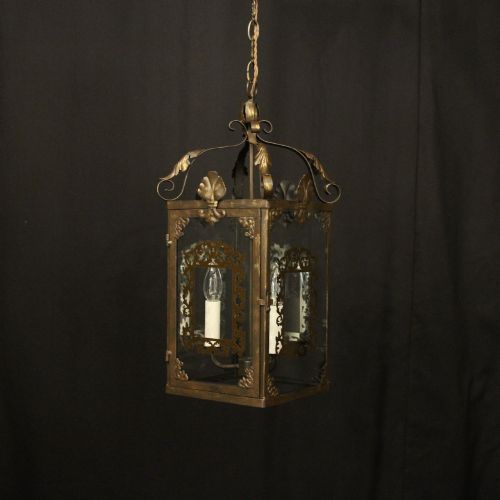
The versions most common on this page are Victorian and Edwardian brass and bronze objects, alongside Japanese Meiji period cloisonné enamels and French gilt metal table wares. Forms span domestic vessels, wall mirrors, and architectural fountain heads.
Originating from British, French, and East Asian workshops, these items demonstrate how functional household objects were elevated through ornamentation during the nineteenth century and the early decades of the twentieth century.
Materials and production methods
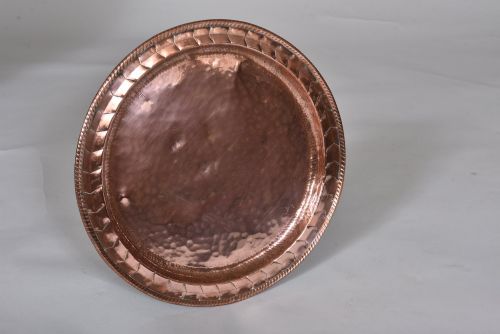
Metalworking techniques recorded in the listings rely on casting, hammering, and engraving in copper, brass, bronze, and cast iron. Artisans utilised repoussé work for surface relief on copper chargers and employed champlevé enamelling for coloured highlights on brass vessels.
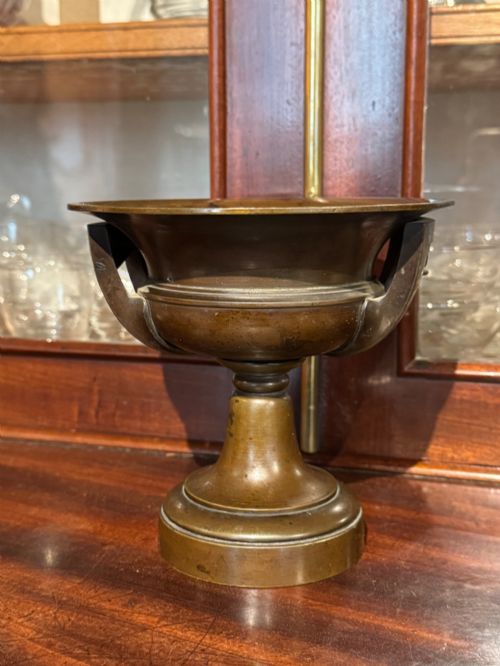
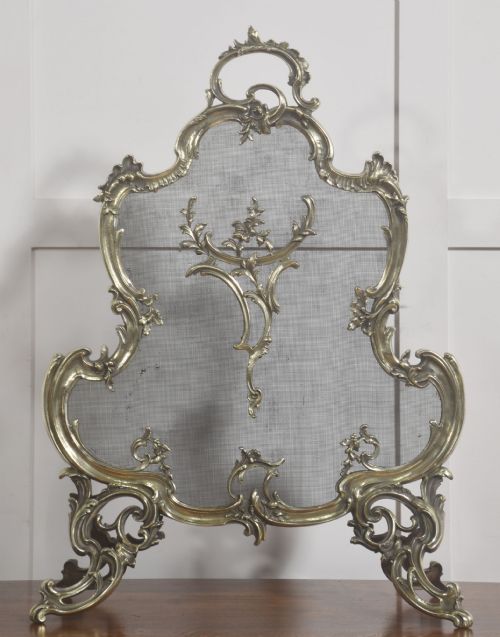
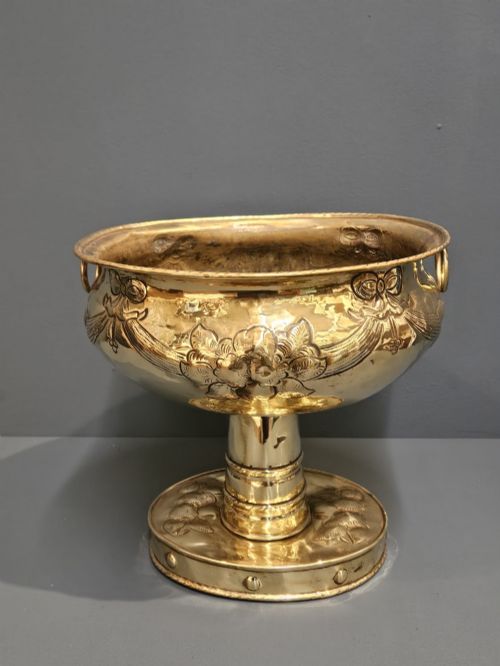
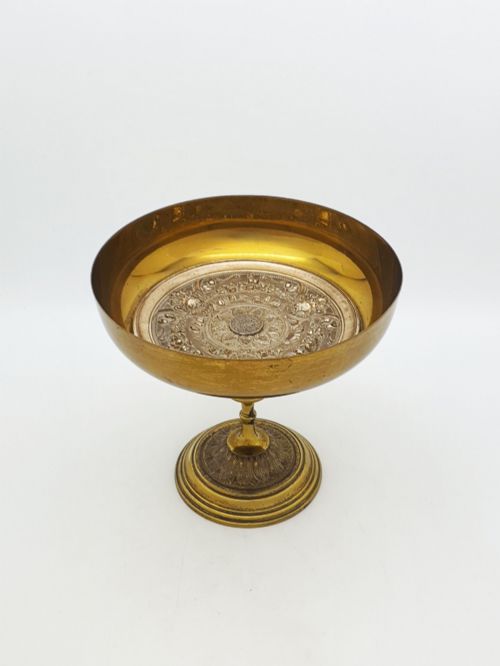
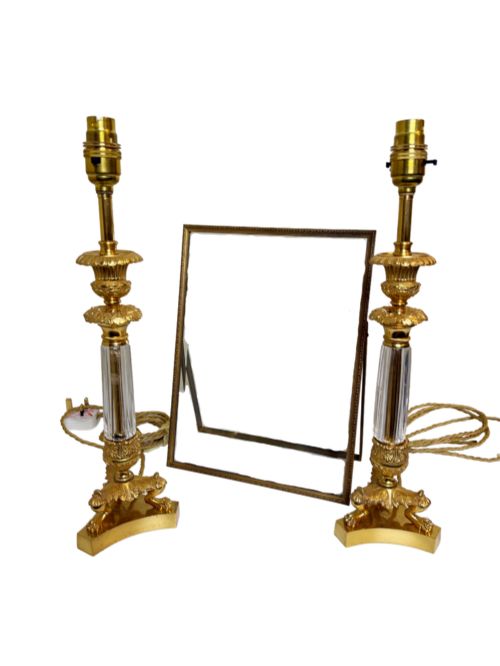
Ormolu and gilt finishes provide bright surface patination on bronze and brass frames, fire screens, and tazzas mounted on marble bases. Cloisonné enamel pieces incorporate fine wire cells fused to bronze or copper bodies and filled with vitreous paste.
Makers integrated mixed media such as oak, marble, and papier-mâché alongside white metal, lead, and spelter to construct gaming boxes, furniture mounts, and decorative urns.
Antique Decorative Metal Retail Price Guide 2026
Typical asking prices for decorative metal among the pieces listed under this phrase on Sellingantiques today, from the lower quarter to the upper quarter. They describe what is for sale here now, not the wider market.
A Victorian chestnut roaster waits on the list, ready to turn fireplace fuel into roasted treats.
Distinctions in craftsmanship and design
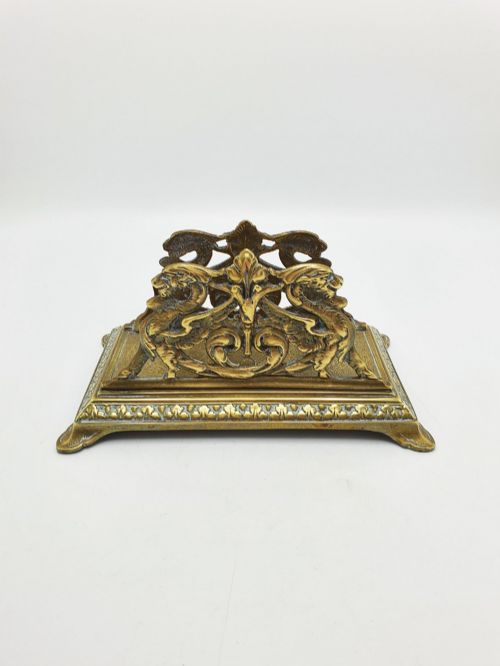
The upper tier of pieces is distinguished by the crispness of chased detail, the precision of enamel wirework, and the weight of the cast bronze or brass. Finer objects display deliberate control in hand-engraved lines and secure integration between metal mounts and marble or ceramic components.
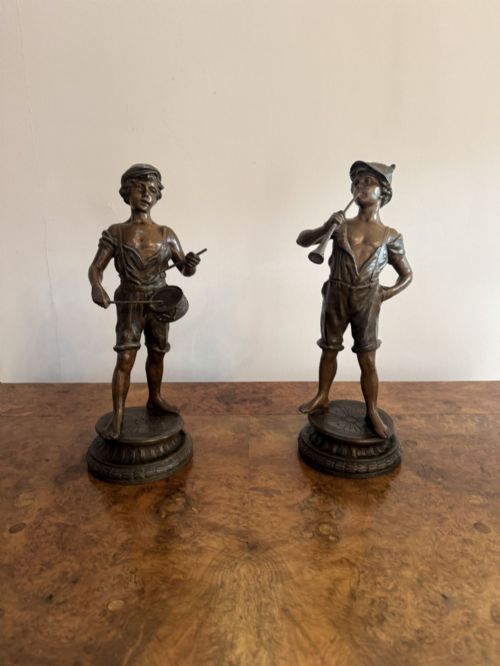
Simpler domestic items rely on standard cast forms with minimal surface finishing, while signed or attributed pieces from known makers demonstrate greater sculptural refinement and compositional balance in figures and floral motifs.
Tsukamoto Hikokichi·Jules Moigniez·Hagenauer·Tonks·Kanasawa
The Antique Decorative Metal Glossary
- Ormolu
- Gilded bronze, usually produced by applying a mercury amalgam or gold leaf to cast bronze. It provides a bright golden surface finish on nineteenth-century French and British decorative objects.
- Champlevé
- An enamelling technique where troughs or cells are hollowed out of the metal surface and filled with vitreous enamel powder before firing. It appears frequently on nineteenth-century tea caddies and tazzas.
- Repoussé
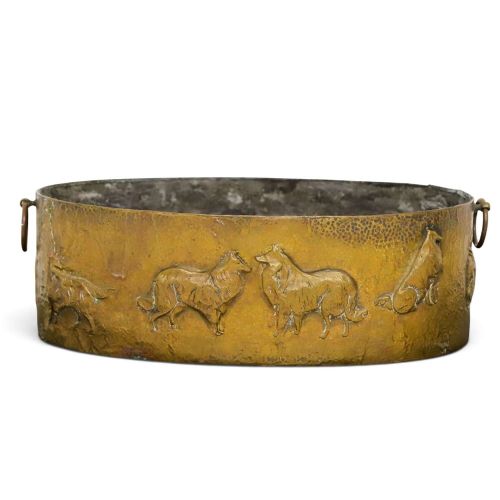
- A metalworking method where thin metal is hammered from the reverse side to form a raised design in relief. This technique decorates Persian and European copper chargers.
- Cloisonné
- An ancient technique involving metal wires soldered to a base to form compartments filled with enamel paste. Japanese Meiji period vases utilise this method for detailed pictorial scenes.
- Samovar
- A heated metal urn traditionally used to boil water for tea. Examples in the listings are constructed from copper, brass, and silver plate dating from the early nineteenth century.
Antique Decorative Metal: Frequently Asked Questions
How do I clean antique brass and bronze?
Dust gently with a soft dry cloth to preserve the historic patina and surface oxidation. Avoid chemical polishes that strip original finishes.
For heavy accumulation, use a mild non-abrasive soap solution and dry thoroughly immediately afterwards.
What is the difference between brass and bronze?
Brass is an alloy composed primarily of copper and zinc, yielding a bright yellow or golden tone. Bronze consists mainly of copper combined with tin, resulting in a darker reddish-brown colour.
Both metals were cast and worked into decorative household items during the Victorian and Edwardian eras.
How do I date Japanese Meiji metalwork?
The Meiji period spans from 1868 to 1912, aligning with the reign of Emperor Meiji. Objects from this era often feature detailed cloisonné enamel or inlaid bronze work signed by specific artists.
Stylistic shifts move from traditional Edo motifs toward naturalistic flora and fauna by the early twentieth century.