
Antique Decorative Lamp
An antique decorative lamp brings interior illumination with period character, ranging from Victorian oil fonts to Art Deco slip shade lights.
Antique Decorative Lamp
The search for an antique decorative lamp encompasses a diverse array of lighting fixtures, ranging from converted Victorian oil lamps to early twentieth-century electric table and floor models. Buyers encounter an eclectic selection spanning multiple decades and aesthetics, reflecting domestic illumination needs across the nineteenth and twentieth centuries.
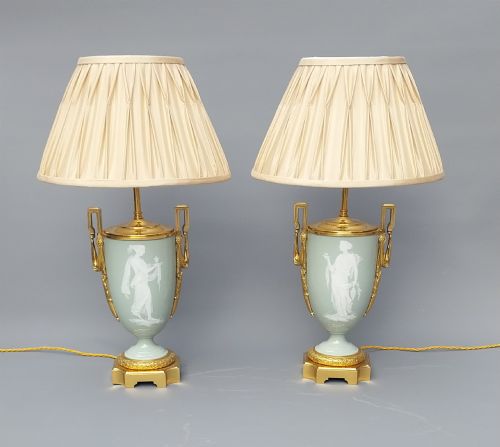
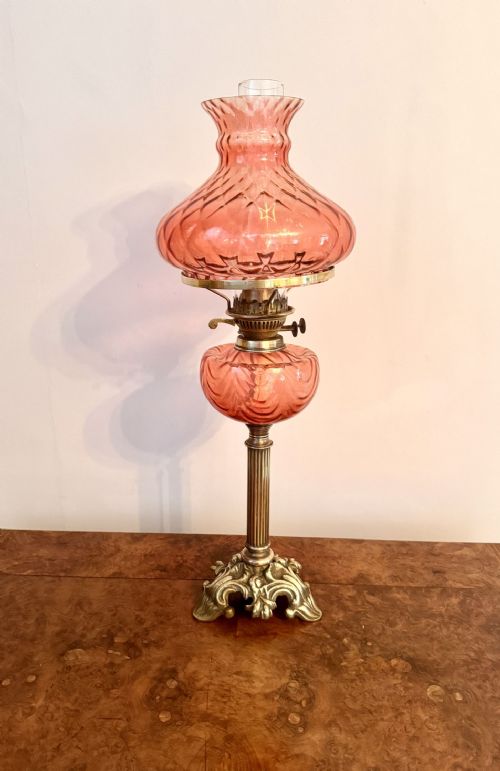
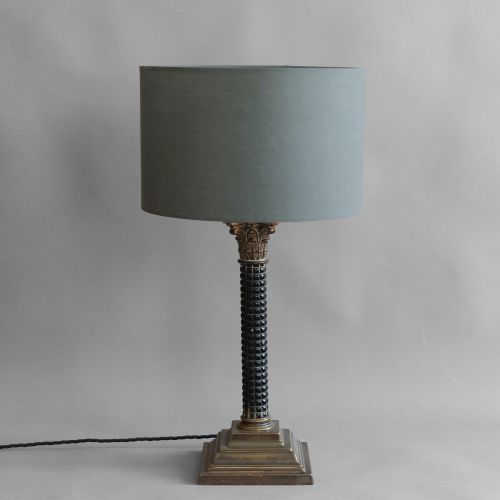
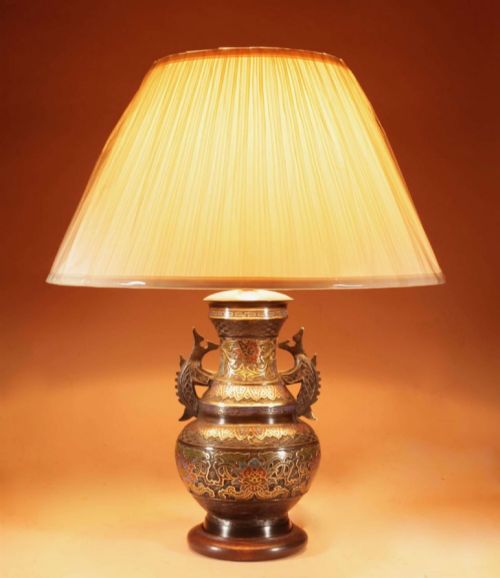
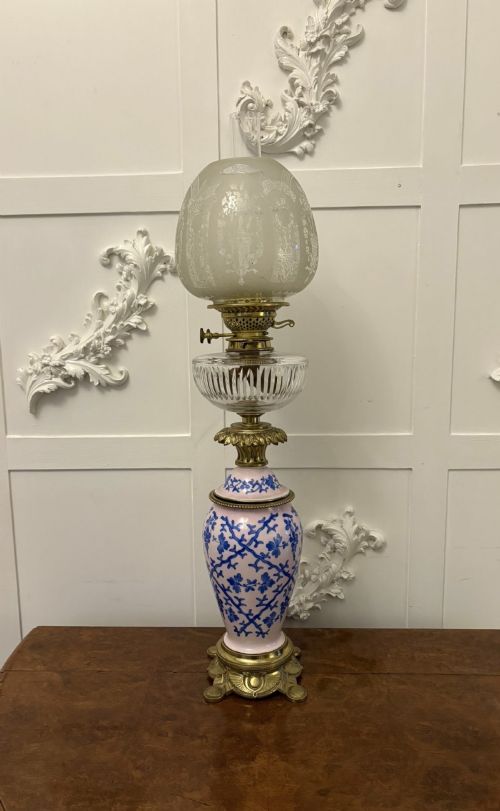
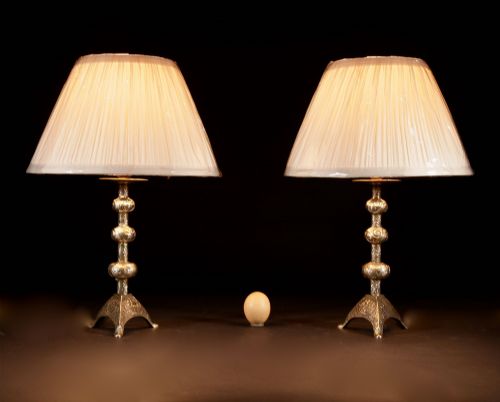
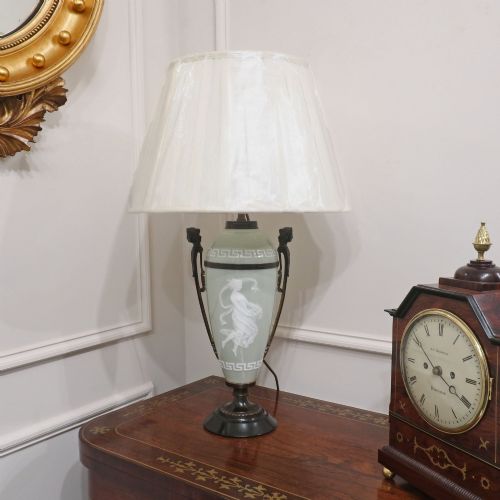
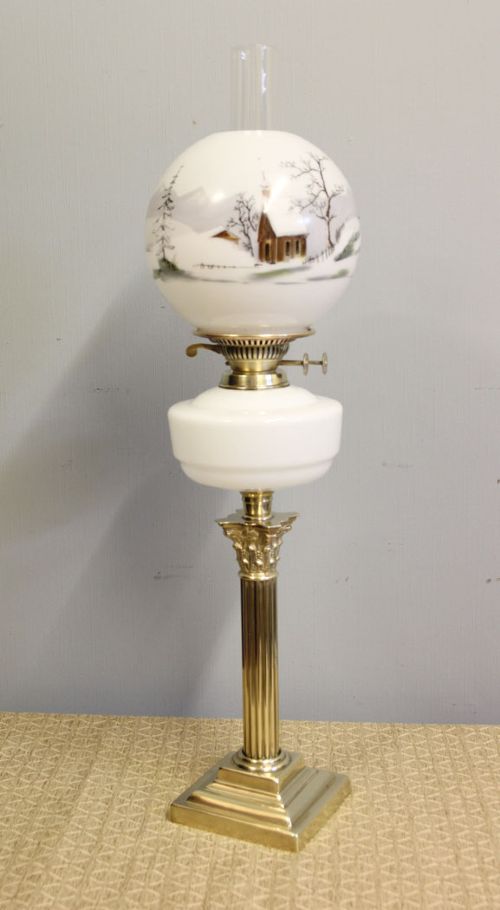
Table lamps and oil lamps dominate the selection, frequently featuring bases rendered in porcelain, brass, or bronze alongside contrasting glass shades. These pieces bridge utilitarian origins and decorative presentation, often incorporating historical revivals from French Neoclassical to Art Nouveau movements.
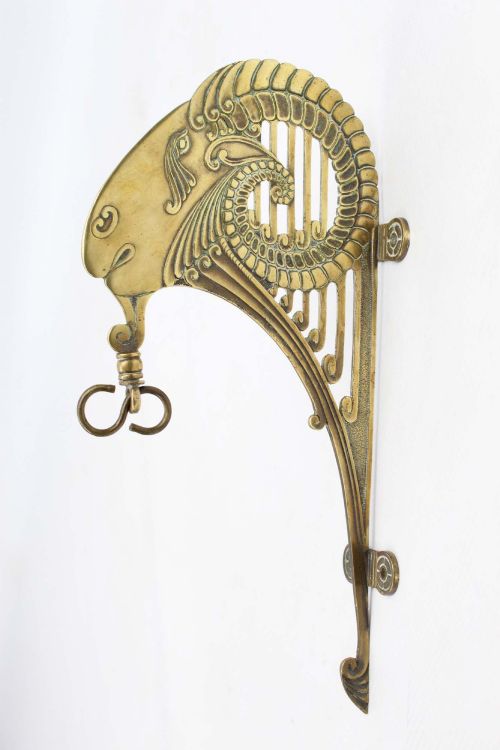
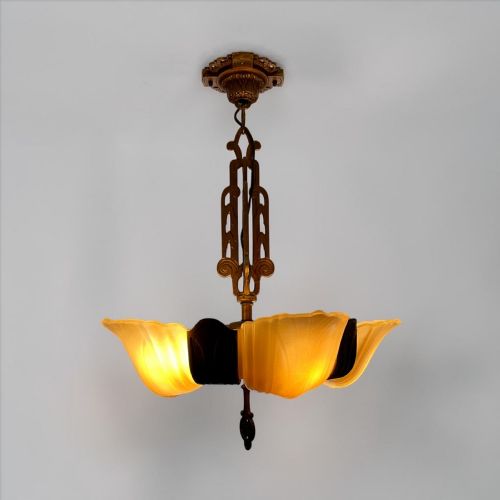
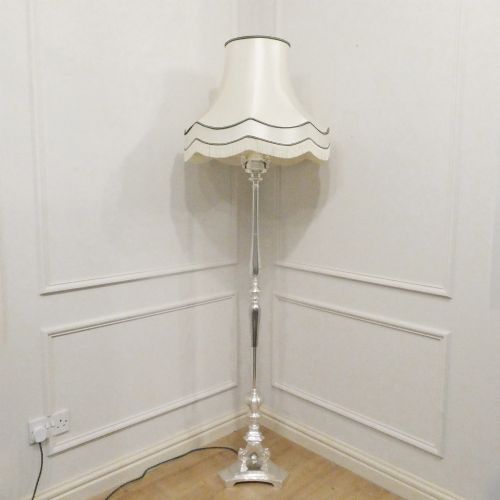
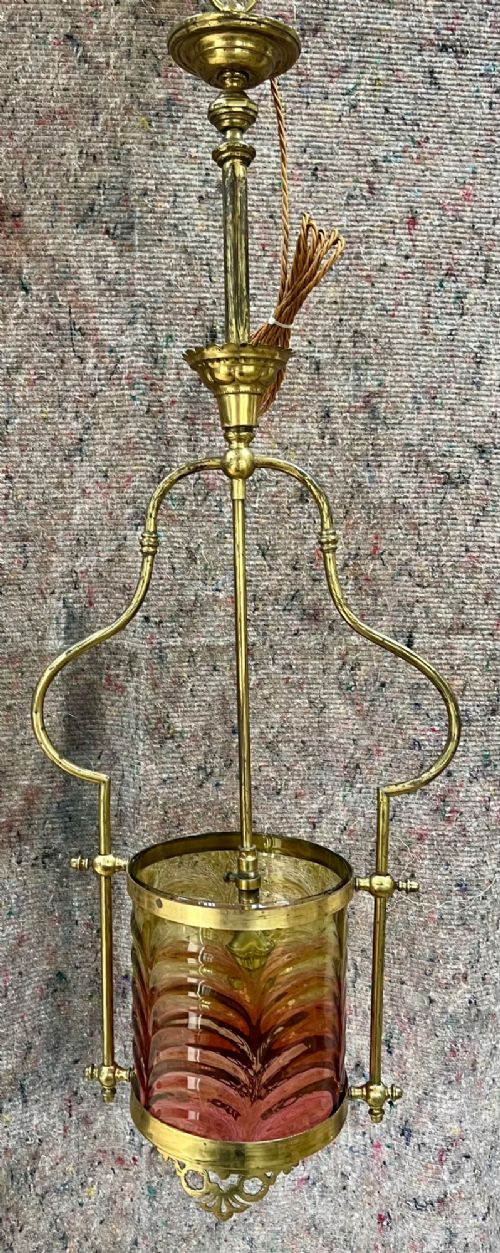
Floor lamps, wall brackets, and ceiling lights appear alongside standard table formats, providing varied options for interior schemes. Many items demonstrate conversion histories, having transitioned from oil combustion or architectural fittings to modern electrical wiring over time.
Materials and construction
Metals form the structural backbone of these fixtures, utilising brass, cast iron, and gilt bronze for sturdy columns, bases, and wall brackets. Artisans employed casting, hammering, and gilding techniques to shape durable metallic components that often support delicate glass or ceramic reservoirs.
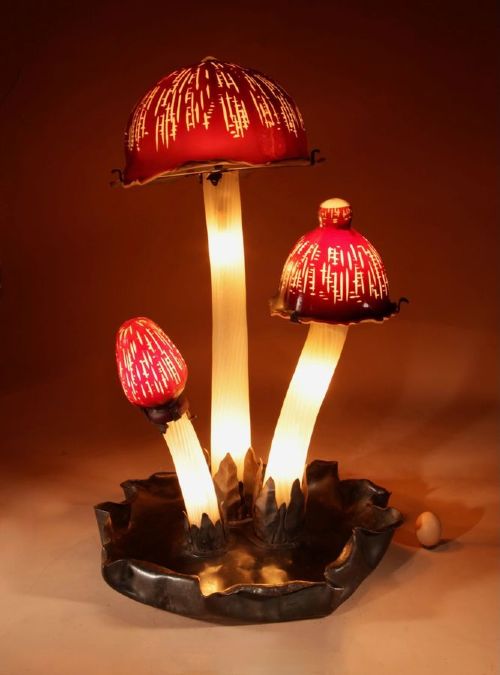
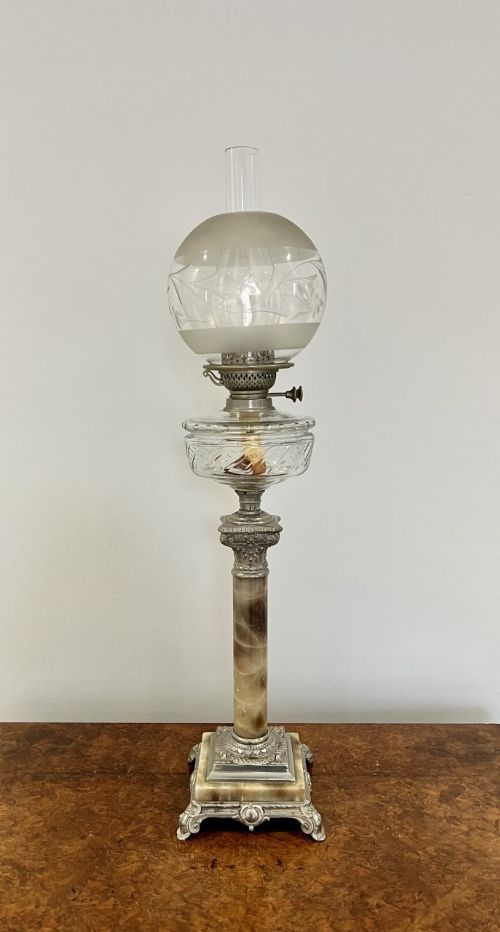
Glass and porcelain feature extensively in fonts, shades, and bodies, utilising cranberry glass, crystal, and glazed ceramic wares like Satsuma and Royal Worcester. These fragile elements demonstrate specialised production methods including mold-blowing, acid-etching, and hand-painted surface decoration.
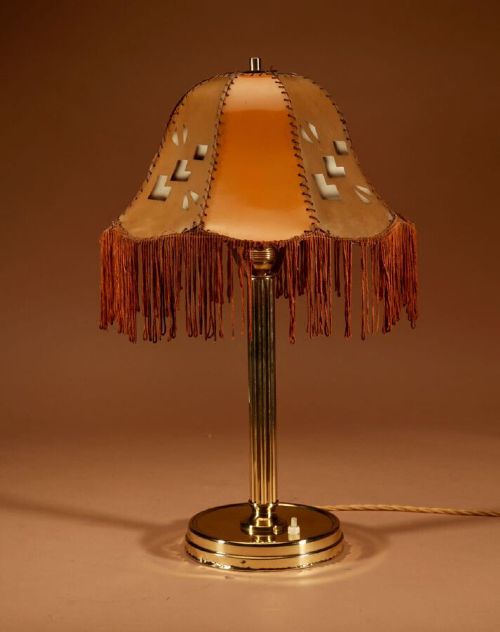
Organic materials such as wood and onyx appear in select columns and bases, complemented by fabric and parchment elements. Construction methods combine traditional cabinetry, turning, and metal assembly to secure diverse components into unified lighting units.
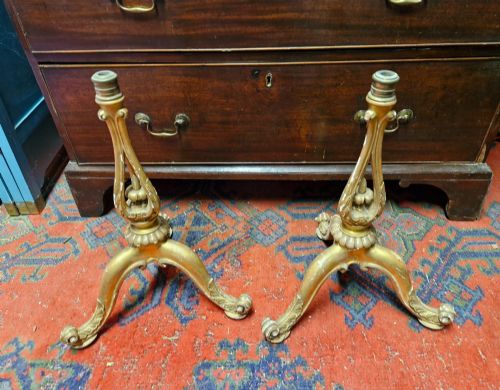
Keep an eye out for architectural andirons given a second life as sturdy owl table lamps.
Assessing quality and execution
Quality rests in the precision of the casting and the crispness of surface detail on metal and ceramic components. Finer examples display meticulous hand-finishing, well-defined chasing on bronze and brass, and superior ceramic painting rather than mass-produced uniformity.
The integrity of integrated elements, such as matched glass shades, original crystal prisms, and cohesive period mounts, dictates the overall execution. Superior pieces maintain harmonious proportions and genuine material pairing across every component from base to finial.
Georges Leleu·Sitzendorf·Royal Worcester·Moorcroft
The Antique Decorative Lamp Glossary
- Champlevé
- An enamelwork technique where artist-crafters hollow out troughs in a metal surface to receive vitreous enamel before firing. This method creates richly textured patterns on bronze lamp bodies.
- Font
- The oil reservoir situated beneath the burner assembly on traditional lamps. In decorative conversions, this glass or ceramic vessel remains a central visual feature.
- Slip shade
- A translucent pressed glass shade that slots directly into an Art Deco ceiling light or table fixture frame. These shades diffuse illumination through moulded geometric or figural motifs.
- Pate sur pate
- A ceramic decoration method where wet porcelain slip is built up in successive layers to create a low-relief cameo effect. It frequently appears on high-grade Victorian and revival porcelain bodies.
- Ormolu
- Gilt bronze ornamentation applied to furniture and lighting fixtures during the eighteenth and nineteenth centuries. The technique involves a mercury-gilding process that imparts a deep, lasting metallic lustre.
Antique Decorative Lamp: Frequently Asked Questions
How do I wire an oil lamp?
Converting an antique oil lamp to electricity typically involves running a cord through the burner collar without damaging the original metal threading or font.
Professional rewiring preserves the structural integrity of the piece while ensuring modern safety standards are met.
What periods do these lamps cover?
The available lighting spans from the nineteenth century through the early twentieth century, encompassing Victorian, Edwardian, and Art Deco eras.
Stylistic influences range from classical revivals to distinct modernist movements of the nineteen-twenties and thirties.
Are original shades usually included?
Many pieces retain their period glass or fabric shades, though some fixtures feature later replacements chosen to match the proportions of the base.
Matching components of the same era contribute significantly to the decorative integrity of the lamp.
How do I identify a converted lamp?
Converted pieces often show evidence of former oil burners, wick mechanisms, or andiron attachments where electrical fittings were later introduced.
Examining the underside and collar usually reveals the adaptation points from its original functional use.