

Antique Decorative Centerpiece
When you search for an antique decorative centerpiece, you look for a commanding focal table piece crafted to draw the eye.
Antique Decorative Centerpiece
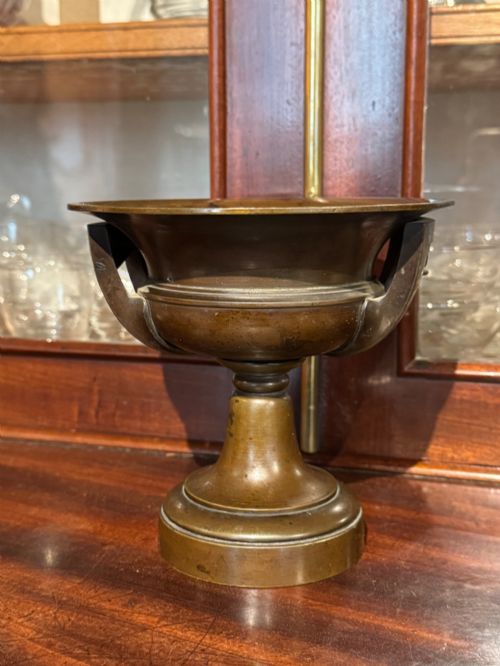
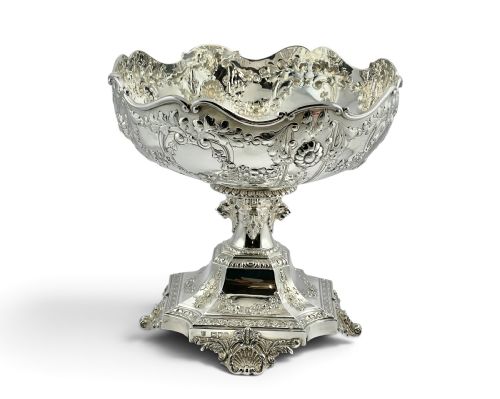
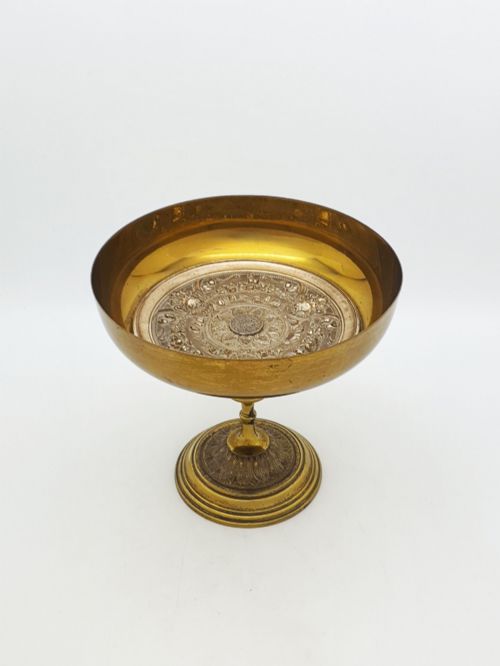
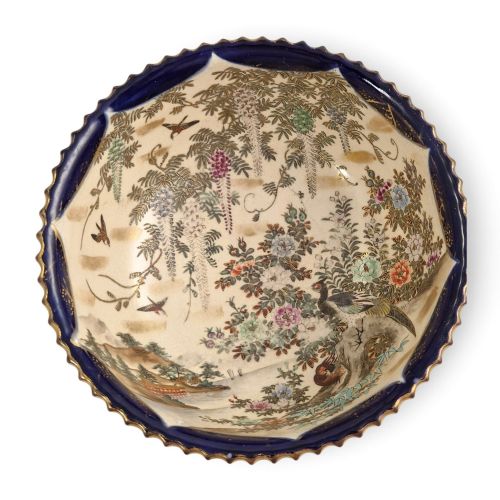
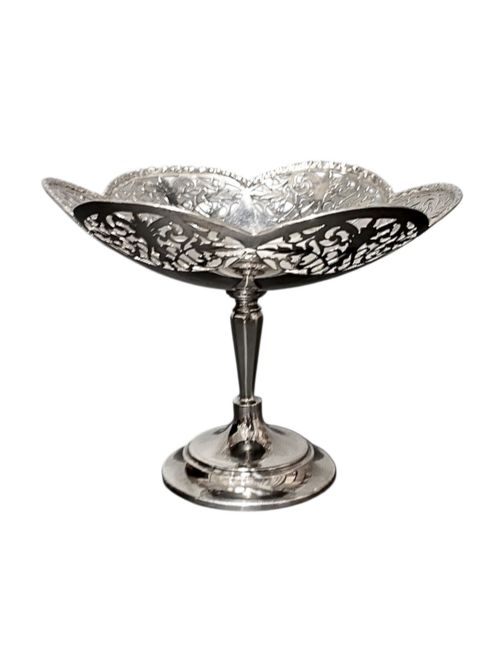
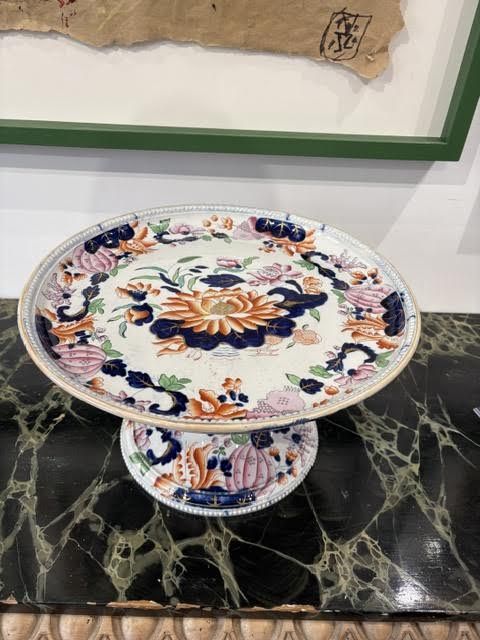
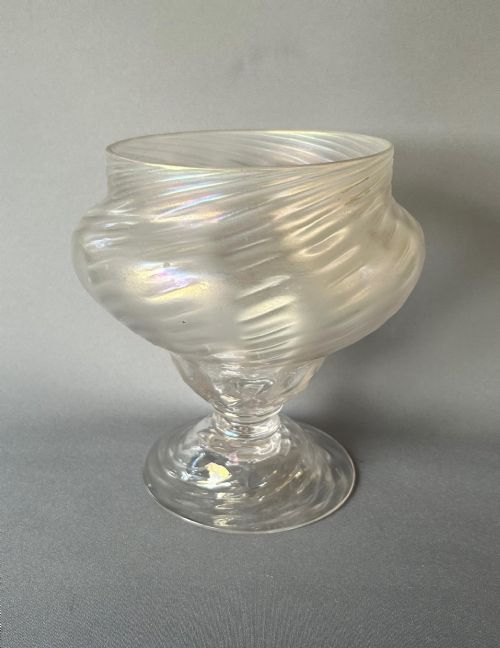
An antique decorative centerpiece takes many forms across tables, including footed bowls, tazzas, covered urns, baskets, and epergnes designed to anchor a room.
The selections span the eighteenth, nineteenth, and early twentieth centuries, encompassing Victorian, Edwardian, Art Deco, and Arts and Crafts movements.
Origin points range widely from British and continental European workshops to Chinese Export and Japanese Meiji production.
How they were made
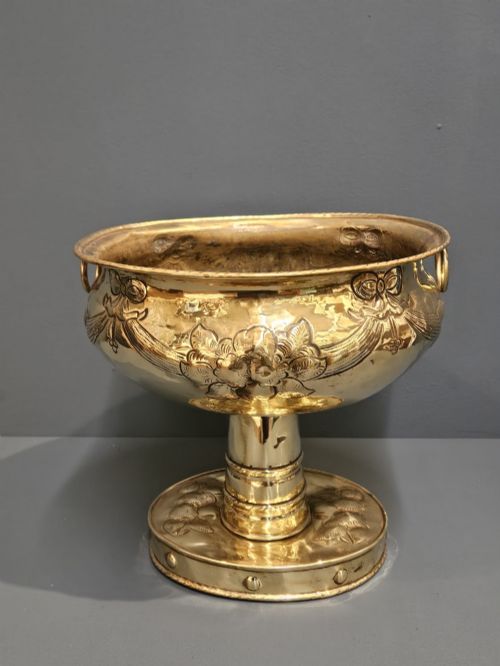
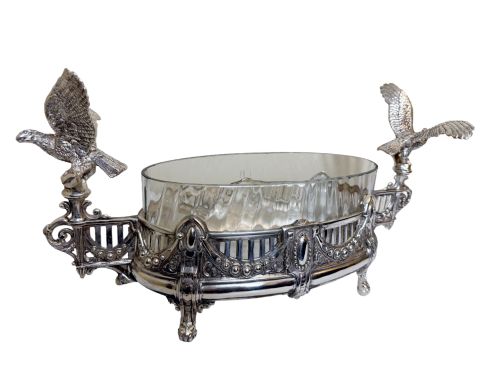
Metals such as bronze, gilt bronze, ormolu, brass, and sterling silver provide structured mounts, pedestals, and cast bodies often paired with contrasting stone bases.
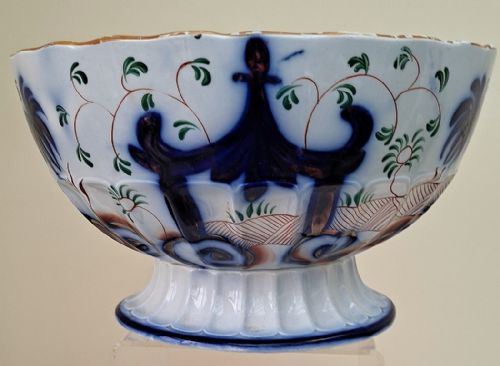
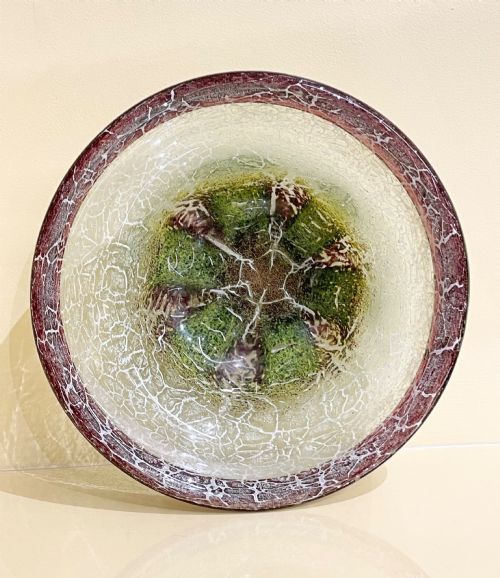
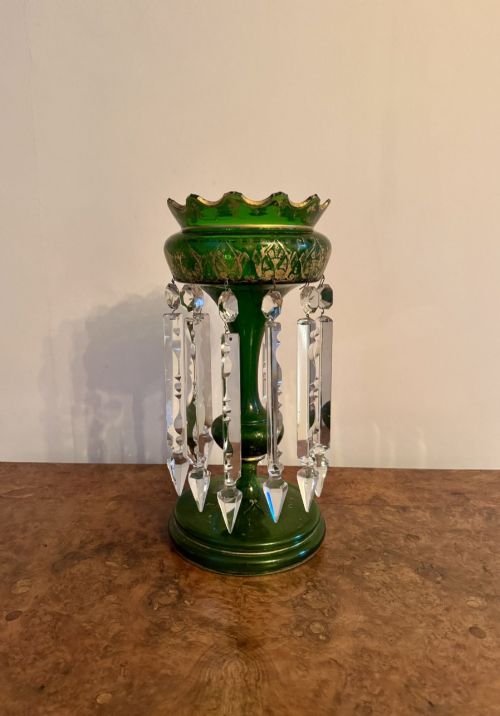
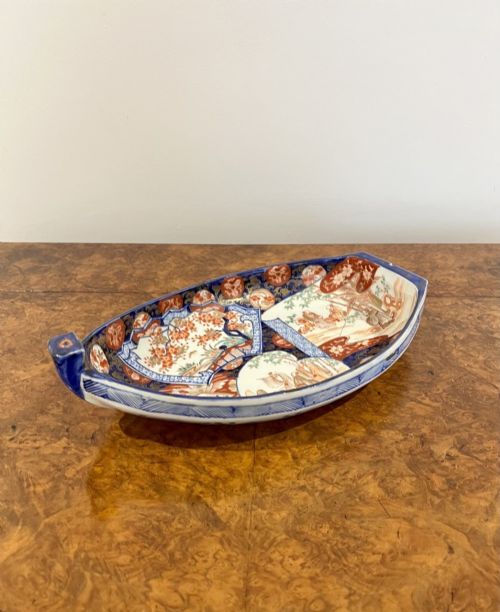
Ceramic, porcelain, glass, and crystal form the primary vessels, sometimes enriched with champlevé enamel, majolica glazes, or hand-painted motifs.
Antique Decorative Centerpiece Retail Price Guide 2026
Typical asking prices for decorative centerpiece among the pieces listed under this phrase on Sellingantiques today, from the lower quarter to the upper quarter. They describe what is for sale here now, not the wider market.
Minton majolica frogs peek out from beneath nineteenth-century aquatic leaves, bringing unexpected pond life directly to the dining table.
What varies in quality
The strength of a piece rests on the crispness of metal casting, the weight of the silver or bronze, and the precision of hand-painted ceramic details.
Excellence shows in how harmoniously different media, such as cut glass mounted in chased ormolu, join together without mechanical awkwardness.
Jules Moigniez·Pierre Philippe Thomire·Liberty and Co·Oliver Baker·Charles Boyton
The Antique Decorative Centerpiece Glossary
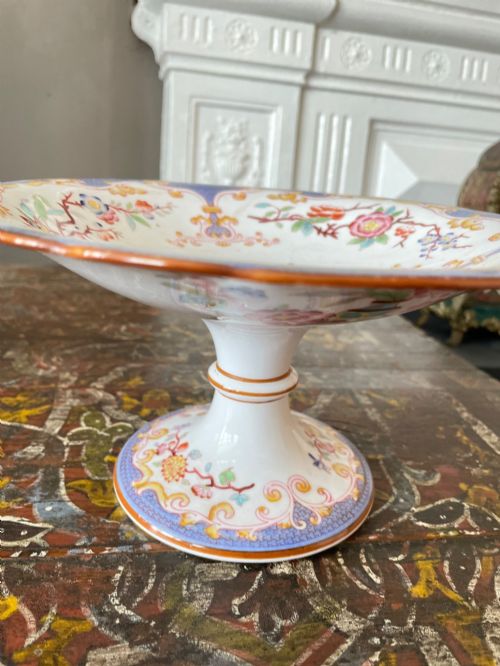
- Tazza
- A shallow saucer-shaped vessel raised on a high foot or pedestal. It often serves fruit or sweetmeats on a formal table.
- Ormolu
- Finely ground high-carat gold applied to a bronze base through a mercury amalgamation process. This technique yields a warm, lasting golden sheen.
- Champlevé
- An enamelling technique where troughs are hollowed out of a metal surface and filled with vitreous paste before firing.
- Epergne
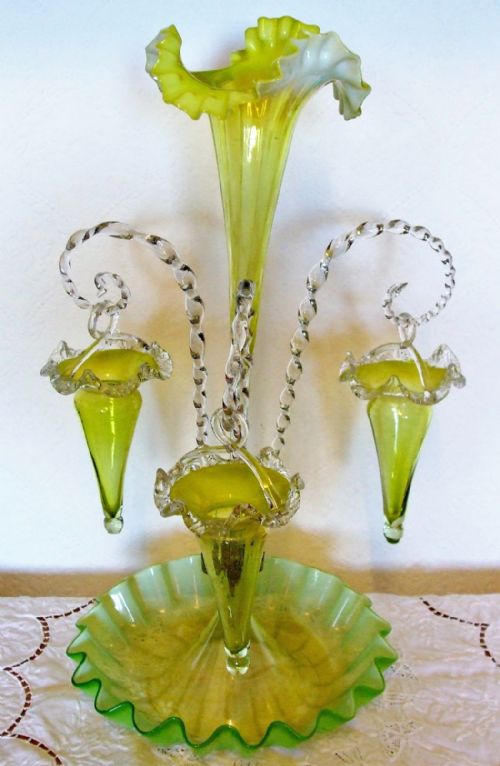
- An elaborate multi-branched table centrepiece featuring a central basket or bowl surrounded by smaller hanging dishes.
Antique Decorative Centerpiece: Frequently Asked Questions
Where did people put a centrepiece?
These large vessels stood right in the middle of dining tables or sideboards during formal meals and gatherings.
Hosts used them to display fresh fruit, flowers, or sweet treats while filling the empty space of a grand room.
Can I use these for fresh fruit?
Ceramic, glass, and metal bowls hold fruit safely provided you line or pad any acidic items to protect vulnerable surfaces.
Porcelain and silver require gentle hand washing with mild soap rather than soaking in water or running through a dishwasher.
What is an epergne?
An epergne is a branching table centrepiece designed to hold multiple small glass baskets or trumpet vases simultaneously.
Victorian dining tables featured these towering glass structures to serve flowers or sweetmeats across several suspended tiers.