



Antique Decorative Cage
These antique decorative cage pieces bring tactile history indoors, offering sculptural form and craftsmanship from the nineteenth and early twentieth centuries.
Antique Decorative Cage
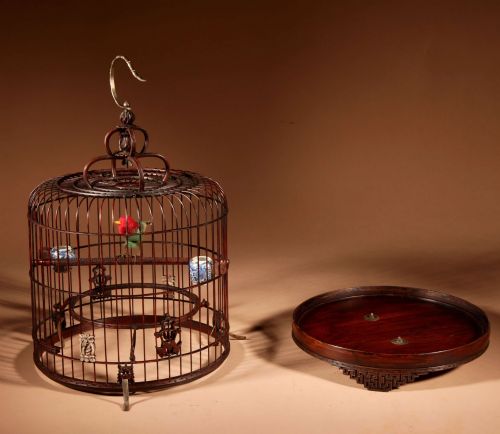
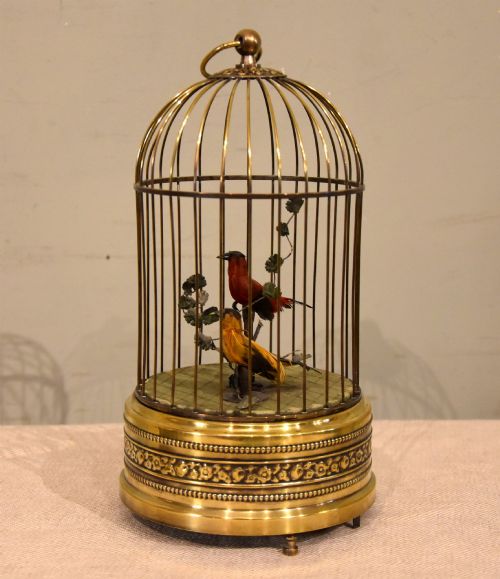
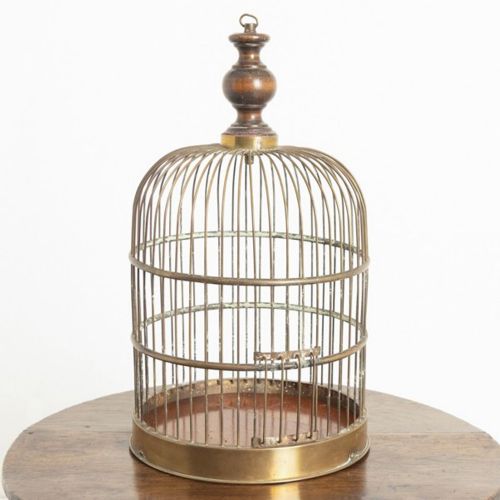
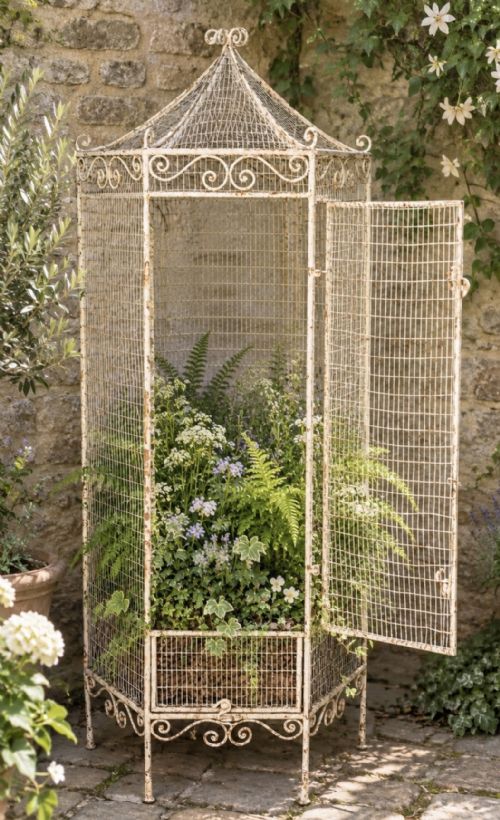
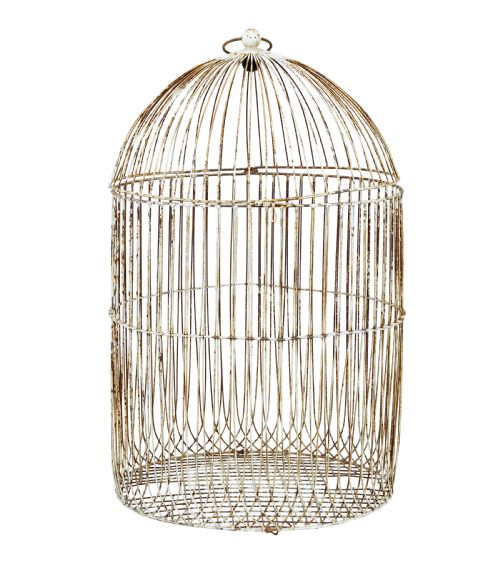
When you search for an antique decorative cage, you encounter an array of sculptural objects designed for display rather than utility, primarily bird cages and hanging lanterns spanning the nineteenth and early twentieth centuries. The pieces on this page lean heavily toward nineteenth century brass and wire constructions, alongside French provincial and Chinese styles.
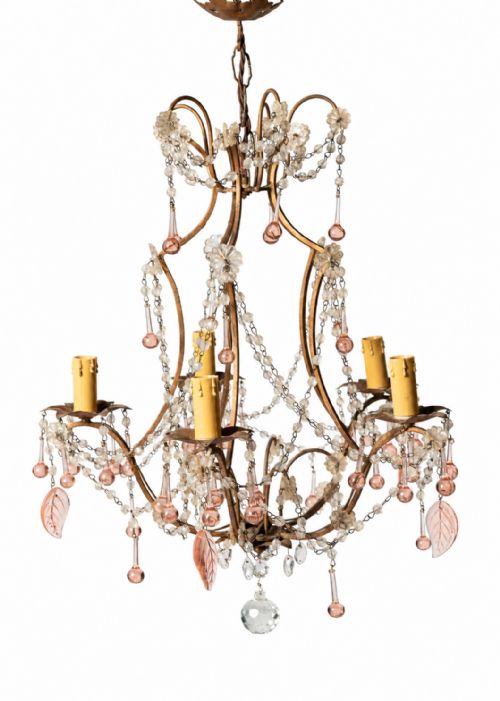
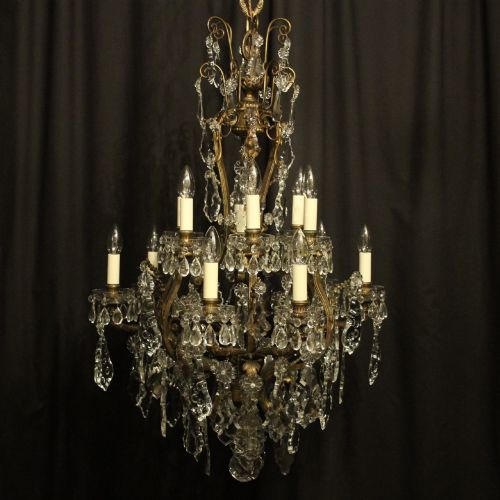
The domestic forms range from round brass parrot cages to multi-storey pagoda structures in carved bamboo, while hanging variants include ormolu lanterns and open-cage chandeliers. Each specimen reflects the interior tastes of its period, shifting from utilitarian animal enclosures to ornate architectural ornaments for the home.
Materials and construction methods
The physical build relies heavily on metals such as brass, copper, cast iron, zinc, and wire mesh, often paired with wood or carved bamboo. Artisans shaped these materials using traditional wire-framing, casting, and gilding techniques to achieve rigid structures and fine detail.
Surface treatments involve painted finishes and gilt bronze, while specialised forms integrate glass components and mechanical automaton elements. The combination of structural metalwork and organic materials dictates the distinct weight and silhouette of each piece.
Antique Decorative Cage Retail Price Guide 2026
Typical asking prices for decorative cage among the pieces listed under this phrase on Sellingantiques today, from the lower quarter to the upper quarter. They describe what is for sale here now, not the wider market.
Some Victorian brass cages still secretly house mechanical singing birds that refuse to tweet without a gentle wind of their internal spring.
Differentiating quality across pieces
Quality rests in the precision of the metalwork, the integrity of the joinery, and the complexity of the overall design. Finer examples display meticulous wire tension, crisp casting in bronze or brass, and sophisticated architectural proportions rather than simple wire assembly.
The Antique Decorative Cage Glossary
- Ormolu
- A gilded bronze finish applied to decorative metalwork, frequently seen on nineteenth century French lanterns and mounts. It adds a warm, reflective sheen to the structural brass or bronze beneath.
- Automaton
- A self-operating mechanical device, occasionally incorporated into bird cages to simulate the movement and song of live birds. These complex internal mechanisms represent high tier nineteenth century craftsmanship.
- Pagoda style
- An architectural form inspired by traditional East Asian tiered towers, utilised in carved bamboo and wire bird cages. This style emphasises verticality and intricate overhangs.
- Wire frame
- The foundational structural skeleton of a cage, constructed from interwoven or soldered metal wires to create containment while maintaining transparency. The gauge and regularity of the wire define the construction standard.
Antique Decorative Cage: Frequently Asked Questions
What were antique decorative cages used for?
Many of these pieces served as functional homes for pet birds, while others were built purely as ornamental accessories for country houses and salons. Over time, many transitioned into pure interior decoration.
Larger scaled examples and hanging lanterns were designed specifically to catch the light and anchor high ceilings in nineteenth century rooms.
How do I date an antique brass cage?
Dating relies on examining the manufacturing techniques, such as the type of wire joints, cast components, and patination accumulated on the brass over decades. Nineteenth century examples often exhibit heavier gauge wire and hand-finished cast brass elements.
Comparing the specific silhouette against known Victorian, Edwardian, or turn of the century design traits helps narrow the production window.
Where should I place a hanging cage?
These pieces suit spaces with adequate vertical clearance, such as high-ceilinged hallways, sunrooms, or living areas where they can hang freely as sculptural focal points. Placing them away from heavy foot traffic protects delicate wire frames and protruding decorative elements.
Tabletop or stand-mounted variants work well on sturdy sideboards or dedicated cast iron bases.
Are these cages suitable for live birds?
While originally constructed for keeping birds, antique cages require careful assessment before housing live animals due to historical materials, sizing, and modern animal welfare standards. Many owners now prefer to display them empty as sculptural art.
If utilised for pets, one must check the interior for secure door latches and non-toxic surfaces.