

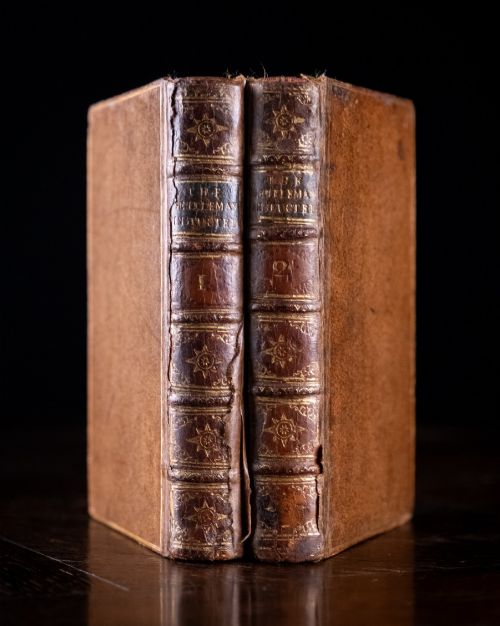
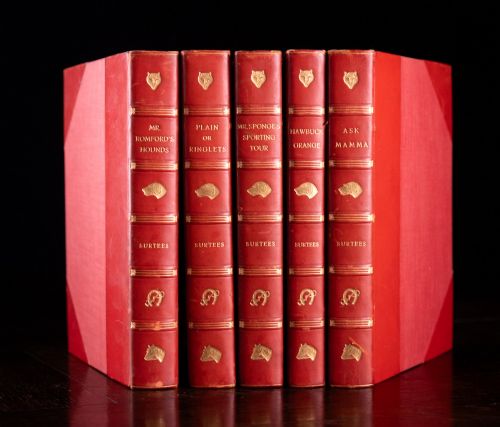
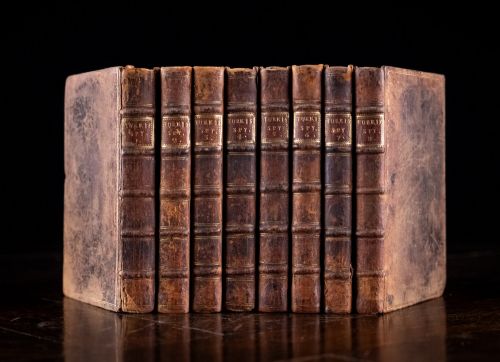
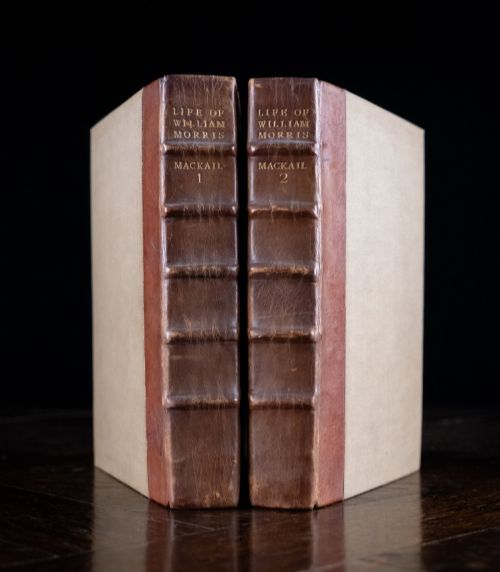

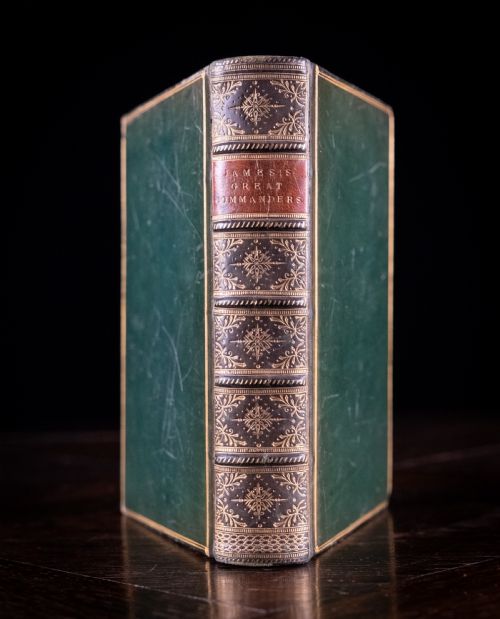
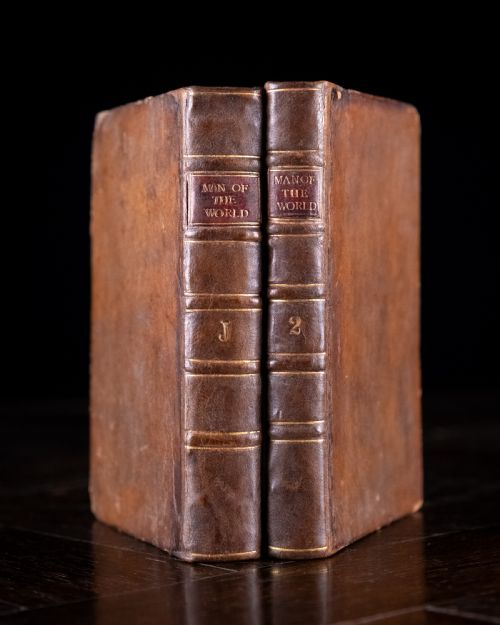


Antique Decorative Book Spine
These antique decorative book spine pieces offer genuine historical bindings and period volumes designed to bring immediate character and rich texture to bookshelves.
Antique Decorative Book Spine
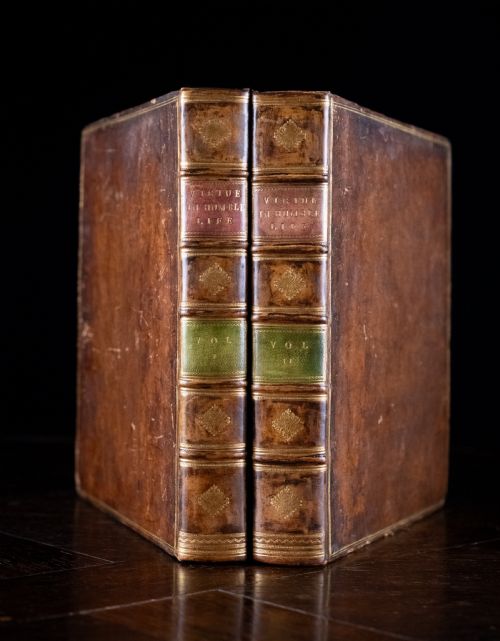
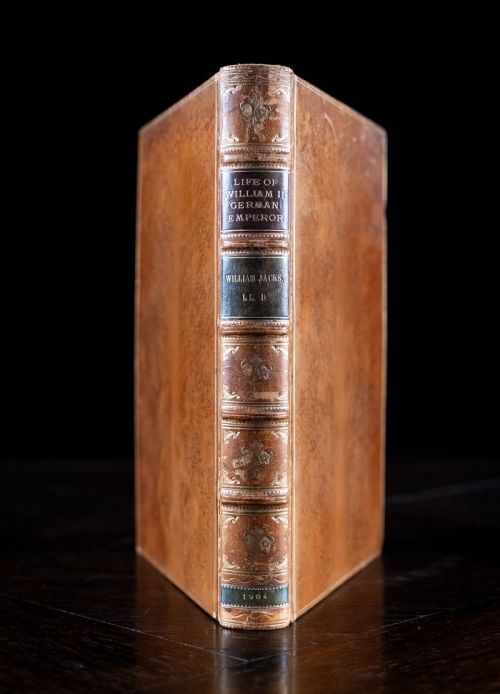
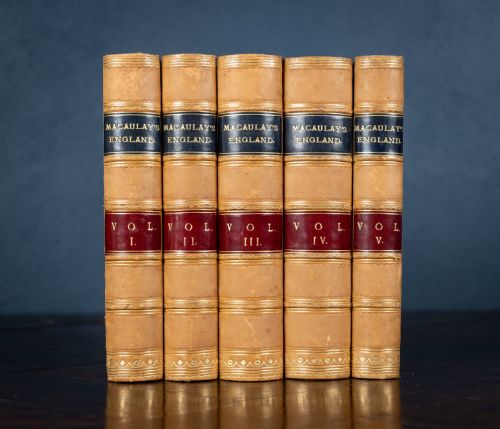
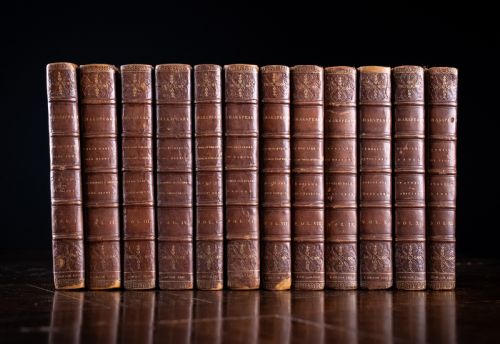
An antique decorative book spine represents the binding edge of historical volumes, spanning centuries of publishing from Georgian editions to Edwardian sets. Buyers searching for an antique decorative book spine encounter complete multi-volume sets, individual leather-bound historical works, and runs of literature covered in vellum or cloth. These items range from eighteenth-century philosophical texts and sporting magazines to nineteenth-century Shakespeare collections and French language editions.
The selections on this page highlight both functional reading libraries and decorative furnishing books assembled for their visual uniformity. Binders historically focused on exterior presentation, utilising rich calfskin leather and stamped cloth to display titles clearly on library shelves. Many pieces originate from specific periods such as the Regency and Victorian eras, carrying the physical marks of their original publication context.
Materials and construction methods
Binders constructed these pieces using durable natural materials including calfskin leather, vellum, cloth, and heavy paper boards. Artisans applied thin layers of gold leaf onto the leather surfaces to impress titles, volume numbers, and decorative tooling by hand. Ink was utilised for manuscript annotations and printer details, while robust sewing methods held the gathered paper signatures firmly within the protective spines.
The exterior finishing relied on careful manipulation of heated brass tools pressed into dampened leather or vellum to create raised bands and ornate borders. Cloth-bound volumes introduced woven textures that responded differently to wear than traditional animal skins, yet both methods prioritized structural longevity alongside visual grace.
The listings on this page span the eighteenth, nineteenth, and early twentieth centuries, featuring materials such as vellum, calfskin, cloth, and gold leaf.
Factors determining the quality of bindings
Quality in these volumes rests upon the crispness of the original gold tooling and the integrity of the binding materials. Finer examples display deeply impressed stamps and well-preserved calfskin or vellum that retain their suppleness and structural cohesion over centuries of handling.
The consistency of a uniform set dictates its desirability for display, as matched runs of books demonstrate coordinated binding choices made by professional binderies. Lesser pieces show significant fading of the spine labels, flaking leather, or cracking along the hinges where the spine meets the covers.
Henry Young And Son·William Shakespeare·Sir Walter Scott·Thomas Babington Macaulay
The Antique Decorative Book Spine Glossary
- Vellum
- A fine parchment material prepared from calfskin, frequently used for durable and smooth historical book covers. It provides a pale, neutral surface that ages to a warm tone over time.
- Calfskin
- A soft and pliable leather derived from the skin of a calf, standard in fine nineteenth-century bookbinding. Binders prized it for taking smooth polished finishes and detailed gold tooling.
- Gold leaf
- Extremely thin sheets of beaten gold applied to leather bindings using heat and adhesives to create titles and decorative motifs. This material resists tarnishing and maintains its metallic brilliance for centuries.
- Raised bands
- The horizontal ridges visible across a book spine that cover the cord supports used in sewing the text block together. They indicate traditional hand-binding construction methods.
- First edition
- The earliest commercially produced appearance of a specific text in published form. Collectors value these copies for their direct textual link to the author's initial release.
Antique Decorative Book Spine: Frequently Asked Questions
What periods do these books represent?
The available volumes span multiple centuries, beginning with eighteenth-century publications from the Georgian era and extending through the Regency, Victorian, and Edwardian periods.
Later pieces reach into the early twentieth century, capturing diverse publishing traditions from English and French presses.
How were these volumes used historically?
These books served both as working reference libraries for scholars and as decorative elements designed to furnish domestic drawing rooms and studies.
Many uniform sets were purchased specifically to fill large country house bookshelves with visually harmonious rows of literature.
Are these complete sets or single books?
The selection includes both individual volumes and extensive multi-volume sets ranging from two-book pairs to large runs exceeding forty volumes.
Buyers can find complete works of specific authors alongside curated collections of historical periodicals and reference materials.
What materials cover these spines?
The bindings utilise traditional organic materials including supple calfskin leather, smooth vellum, durable cloth, and heavyweight paper boards.
Many spines feature hand-applied gold leaf lettering and decorative tooling pressed directly into the leather.