







Antique Decorative Bird Cage
These antique decorative bird cage pieces bring architectural presence and texture into a room, offering historic metalwork and delicate framing for interior display.
Antique Decorative Bird Cage
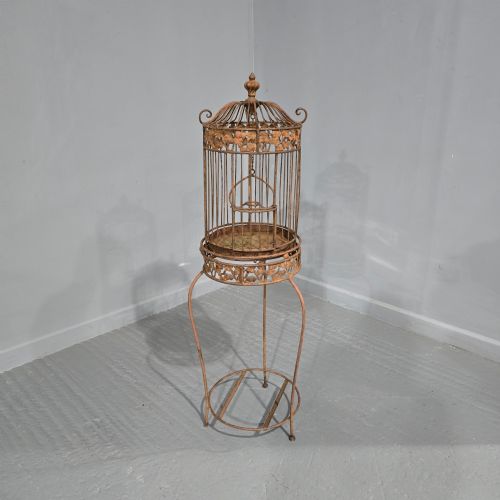
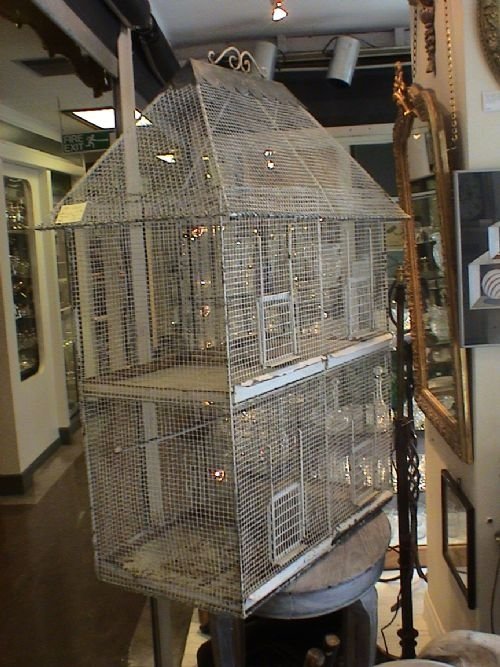
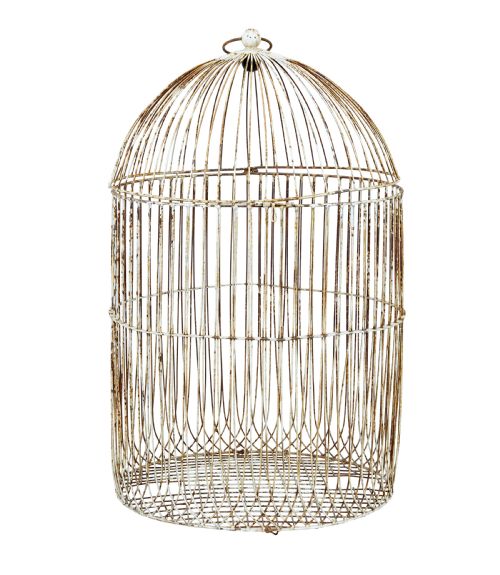
An antique decorative bird cage brings historic character into a room through elaborate metalwork and architectural forms. When exploring this selection, buyers will encounter everything from substantial brass and copper structures to rustic wooden designs and cast iron pieces on stands.
The objects span multiple periods, ranging from the Victorian era and the nineteenth century through to Edwardian, Art Nouveau, and early twentieth-century examples. Forms vary from round parrot cages and hanging styles to large wire frames and breeding cages, reflecting diverse domestic traditions.
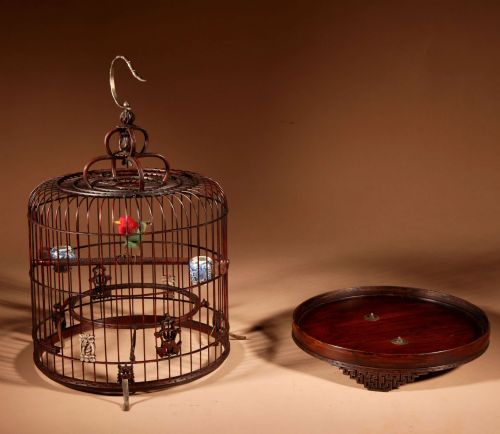
Origin and regional style also shape the selection, encompassing French chateau influences, country house aesthetics, and carved Chinese bamboo construction. These pieces function entirely as decorative objects rather than working enclosures, valued for their visual complexity and sculptural quality.
How they were made
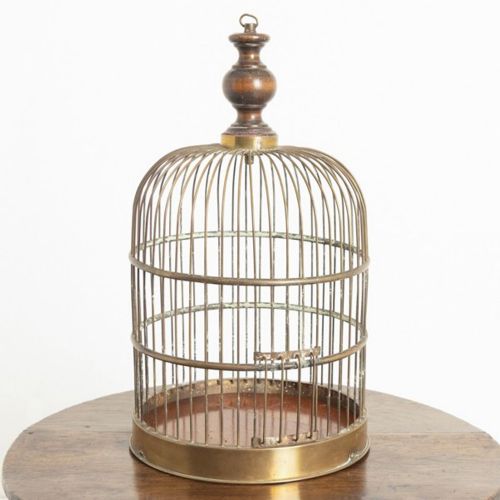
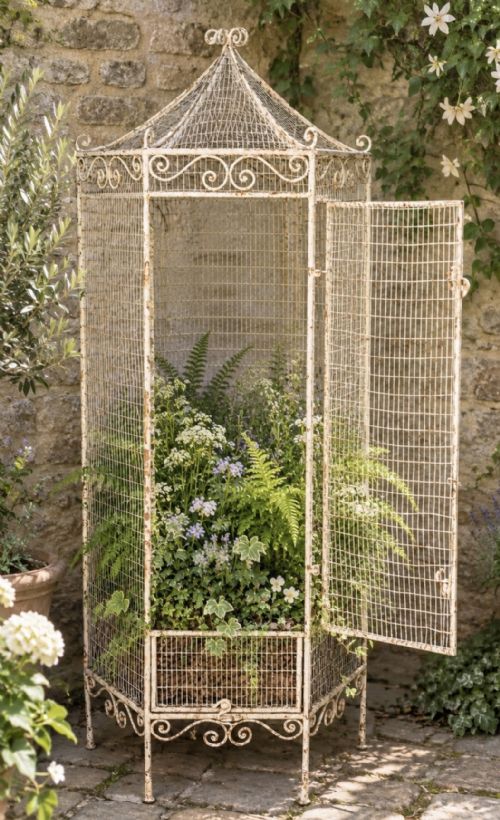
Construction relies heavily on durable metals such as brass, copper, cast iron, and wrought iron, often combined with wire mesh to form the principal enclosure. Makers shaped these rigid materials into intricate round or architectural silhouettes capable of supporting substantial weight.
Wooden elements and carved bamboo appear in specific regional traditions, introducing organic warmth and detailed surface texture to the design. Paint and specialised wire framing further define the visual execution of these historic cages.
Antique Decorative Bird Cage Retail Price Guide 2026
Typical asking prices for decorative bird cage among the pieces listed under this phrase on Sellingantiques today, from the lower quarter to the upper quarter. They describe what is for sale here now, not the wider market.
The selection includes pieces spanning the nineteenth century up to 1940, utilising materials such as brass, wrought iron, copper, and carved bamboo.
What varies in quality
Quality in an antique decorative bird cage rests on the ambition of its metalwork and the integrity of its construction. Substantial gauge brass, heavy cast iron stands, and complex wire configurations distinguish more ambitious pieces from simpler utilitarian boxes.
The Antique Decorative Bird Cage Glossary
- Automaton
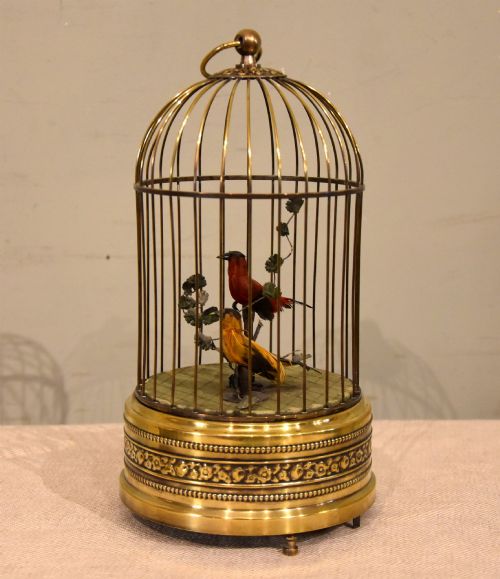
- A mechanical device capable of movement, sometimes integrated into historic bird cages to simulate singing birds. This mechanism adds an animated layer of craftsmanship to the decorative display.
- Wire Mesh
- A woven or welded metal grid forming the body of the cage. It provides structural transparency while maintaining the geometric silhouette of the piece.
- Cast Iron
- An iron-carbon alloy poured into a mould to create rigid forms. It appears in heavier structural elements and supportive stands.
- Qing Dynasty Style
- An aesthetic referencing the arts of the Qing period in China. It influences the carving and assembly methods seen in specific bamboo cages.
- Chateau
- A large French country house or estate. Objects bearing this descriptive style often reflect ornate domestic furnishings associated with grand European residences.
Antique Decorative Bird Cage: Frequently Asked Questions
How were these bird cages used originally?
Many were built to house live birds in domestic settings, ranging from singing birds to larger parrots.
Others were constructed specifically as ornamental items for country houses and grand salons, prioritizing visual display over practical function.
How do I style a bird cage at home?
These pieces work well placed on tabletops, hung from brackets using their original loops, or mounted on dedicated floor stands.
Their open wire construction allows them to sit comfortably against patterned walls or in bright corners without blocking light.
How can I tell the period of a cage?
Dating relies on observing the primary materials, construction techniques, and stylistic influences present in the framework. Victorian and nineteenth-century examples often feature heavy brass or cast iron, while later twentieth-century pieces incorporate different wire gauges and streamlined forms.