




Antique Decorative Bell
An antique decorative bell brings rich tone and tactile weight to a room, ranging from brass dinner gongs to delicate glass hand bells.
Antique Decorative Bell
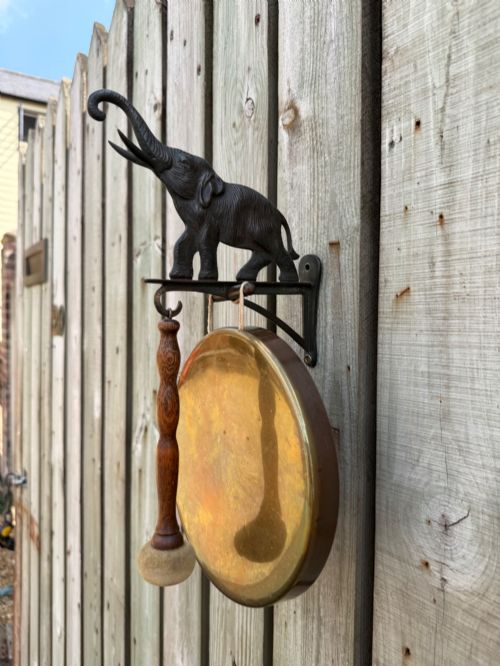
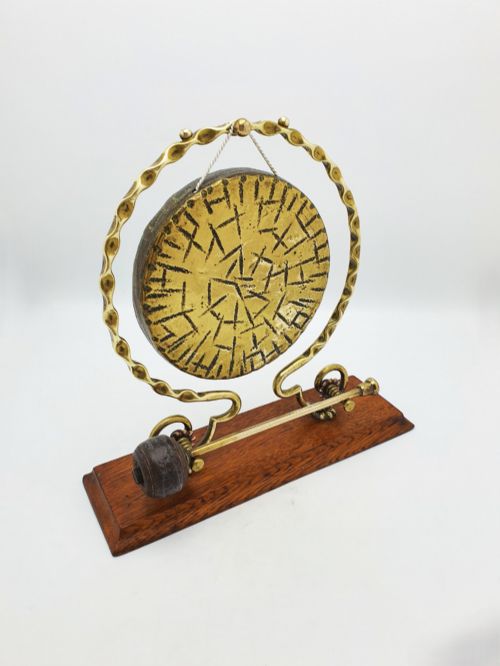
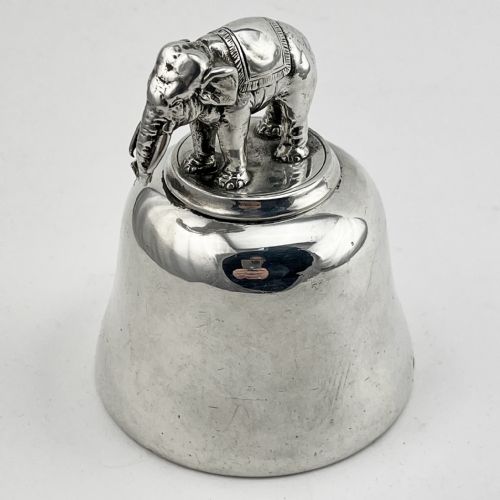
When you search for an antique decorative bell, you encounter a varied selection of sound-producing objects and associated hardware spanning the Victorian era through the early twentieth century. These pieces encompass table gongs mounted on oak or brass bases, handheld crystal or glass instruments, and mechanical door pulls designed for domestic service.
The most common forms on this page include brass dinner gongs paired with strikers, ruby and cranberry glass hand bells from English and continental workshops, and cast iron or bronze iterations styled with art nouveau motifs or figural bases. Alongside these sound-producing items, related display pieces such as glass domes and musical boxes occasionally appear within the inventory.
Origins stretch across Britain, France, Italy, and Belgium, reflecting diverse nineteenth-century interior aesthetics from formal Victorian dining rooms to rustic Basque folk art traditions. Buyers generally select these items for their acoustic resonance, sculptural qualities, and the distinct craftsmanship of past centuries.
How they were made
Metal components rely heavily on brass, bronze, silver plate, and cast iron, often shaped through hand hammering, casting, or intricate turning to achieve precise acoustic properties. Wooden elements such as oak bases, walnut racks, and ebonised or rosewood mounts provide stable acoustic resonance and structural support for hanging gongs.
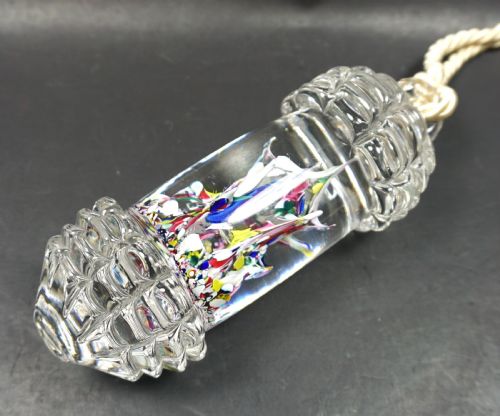
Glass pieces utilise hand-blown techniques, diamond cutting, and flashing methods to create coloured vessels in cranberry, ruby, and clear glass, sometimes accented with applied white handles or delicate gilded motifs. Cord and wire components integrate into mechanical door pulls and hanging mechanisms, connecting the visible pull to the remote chime.
Antique Decorative Bell Retail Price Guide 2026
Typical asking prices for decorative bell among the pieces listed under this phrase on Sellingantiques today, from the lower quarter to the upper quarter. They describe what is for sale here now, not the wider market.
Object types include dinner gongs, door hardware, table gongs, serveware, hand bells, display domes, and desk bells from various European origins.
What varies in quality
The distinction between standard domestic hardware and superior examples lies in the clarity of the acoustic tone and the crispness of surface casting or glass cutting. Finely cast bronze and brass pieces exhibit sharp relief work, such as detailed figures or fluid art nouveau lines, whereas lesser items show softer edges and muted resonance.
Material selection and mounting integrity further separate the range, as seen in solid oak or walnut bases paired with tuned musical brass bells rather than simple utilitarian brackets. Intact original components, such as matching handheld strikers and undamaged coloured glass, elevate the overall integrity of the piece.
The Antique Decorative Bell Glossary
- Dinner Gong
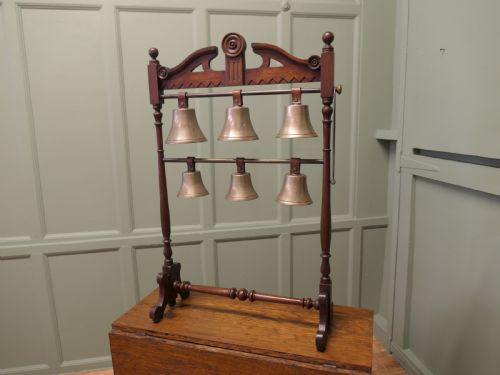
- A large metal disc or tuned set of bells suspended from a wooden or metal frame, struck with a mallet to announce meals in large Victorian households.
- Glass Cloche
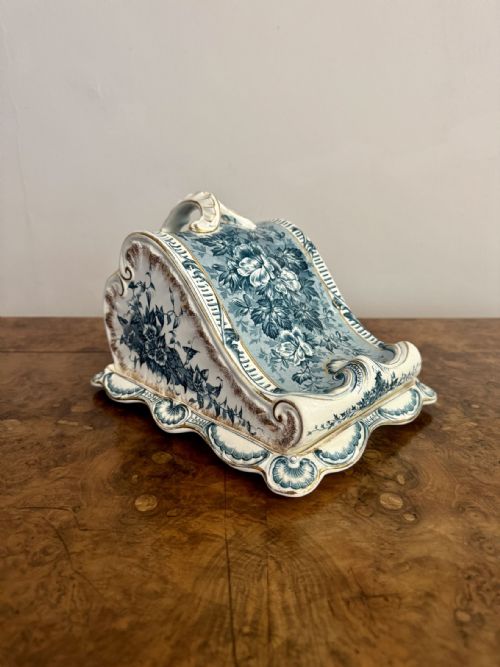
- A bell-shaped glass cover traditionally used to protect delicate food items or ornaments, frequently paired with ceramic bases like majolica cheese dishes.
- Bell Pull
- A mechanical wall fixture connected by wire or cord to a remote bell in a domestic service area, often featuring an ornate brass handle.
- Table Gong
- A smaller scaled acoustic instrument designed for placement on dining or hallway furniture, featuring a suspended metal plate or series of tuned bells.
Antique Decorative Bell: Frequently Asked Questions
How were dinner gongs used in Victorian homes?
Dinner gongs served as a domestic signal to gather residents and guests for meals, positioned centrally in hallways or dining rooms.
A member of the household or domestic staff struck the suspended metal disc or tuned bells with a handheld mallet to produce a resonant tone.
What materials are common in these bells?
Listings feature a heavy reliance on cast brass, bronze, and silver plate for acoustic elements, paired with wooden frames of oak, walnut, and rosewood.
Glass examples utilise blown and cut techniques in ruby, cranberry, and clear crystal, sometimes incorporating iron or copper elements.
How do I distinguish glass hand bells from display domes?
Glass hand bells incorporate functional handles and clappers or tuned walls designed to be lifted and rung by hand.
Display domes and cloches function as protective covers for taxidermy, still life arrangements, or cheese dishes, resting inverted over a base.
Where were these decorative pieces manufactured?
Manufacturing origins span across Britain, France, Italy, Belgium, and Switzerland, reflecting regional nineteenth-century metalworking and glass traditions.
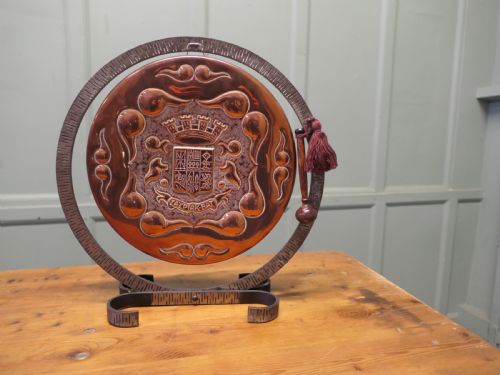
Items range from English Victorian table pieces and Italian wall chimes to Basque folk art copper gongs and French carriage clocks.