





Antique Decorative Amphora
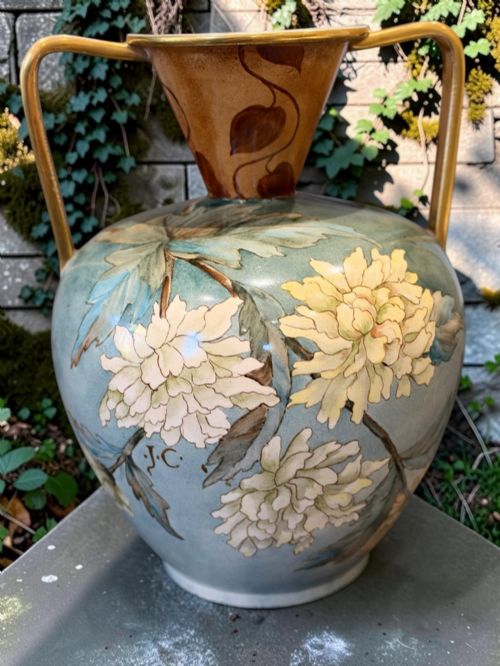
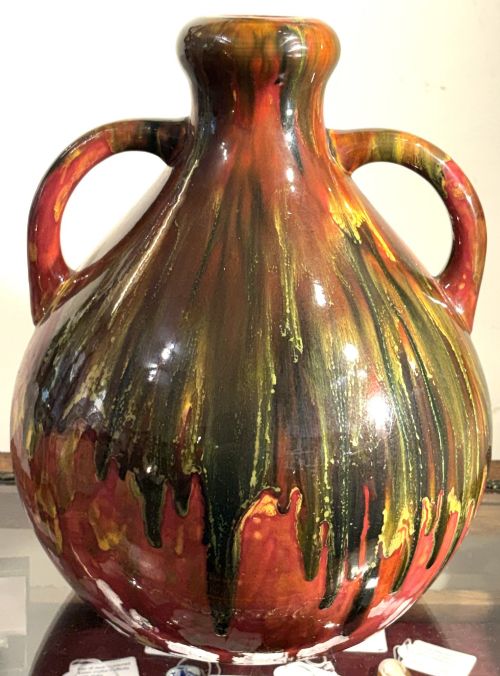
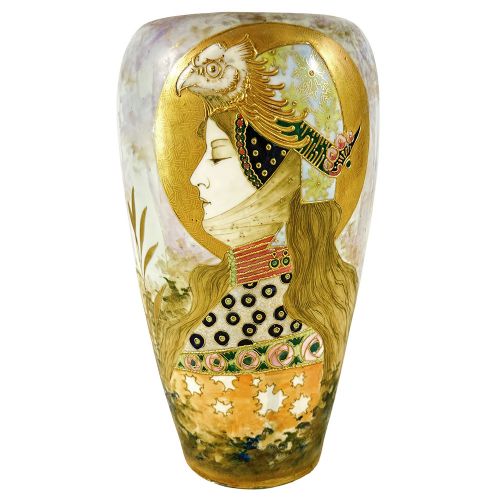
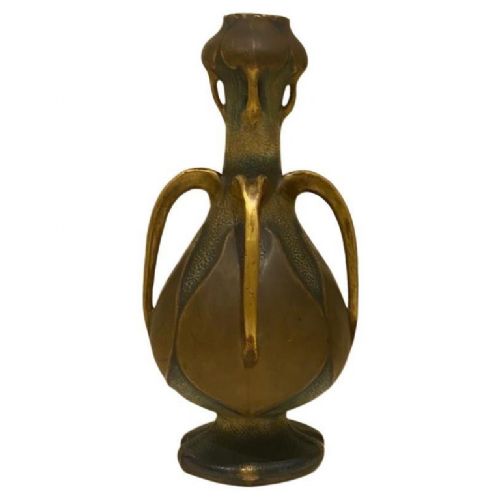
These antique decorative amphoras bring classic two-handled vessel forms into nineteenth and early twentieth century interiors.
Antique Decorative Amphora
An antique decorative amphora takes the traditional two-handled storage vessel shape and transforms it into an ornamental centrepiece. When you search for an antique decorative amphora, you encounter forms ranging from earthenware garden jars and terracotta olive vessels to gilded porcelain and bronze urns.
The versions most commonly met on this page date from the nineteenth century up to 1900, embracing Art Nouveau styling, Victorian art pottery, and classical Empire influences. These pieces function purely as decorative display objects rather than utilitarian containers.
Makers and potteries utilised diverse global aesthetics, spanning Japanese Meiji bronzes, Moorish Revival earthenware, and French porcelain. Each object adapts the ancient amphora silhouette to suit nineteenth-century interior display.
How they were made
Potters and metalworkers shaped these pieces using earthenware, terracotta, ceramic, and bronze, often applying enamel and gold leaf for surface enrichment. Earthenware and ceramic bodies received detailed hand-painting and specialised glazes.
Foundries cast bronze and marble into cassolettes and vases, whilst ceramic studios moulded complex Art Nouveau plant motifs and twin handles. Artisans combined casting, throwing, and meticulous hand-gilding to achieve the finished decorative effect.
Antique Decorative Amphora Retail Price Guide 2026
Typical asking prices for decorative amphora among the pieces listed under this phrase on Sellingantiques today, from the lower quarter to the upper quarter. They describe what is for sale here now, not the wider market.
Listings feature pieces spanning from the early nineteenth century up to 1900, encompassing earthenware, bronze, terracotta, and porcelain.
What varies in quality
Quality reveals itself in the crispness of the casting, the precision of the hand-painting, and the preservation of original gilding and enamel work. Pieces featuring named studio artists or recognised pottery works display superior artistic ambition.
The integration of handles and stands distinguishes standard production items from exceptional studio creations. Refined ceramic glazes and well-executed patination on bronzes separate the finest examples from simpler decorative wares.
Burmantofts·Reissner, Stellmacher and Kessel·Paul Dachsel·Nicholas Kannhauser
The Antique Decorative Amphora Glossary
- Amphora
- A two-handled jar with a narrow neck used in antiquity, adapted in later centuries for decorative display. These nineteenth-century interpretations focus on artistic form rather than storage.
- Cassolette
- A decorative vase or urn with a reversible lid that functions either as a solid vase or a burner for perfumes. French Empire examples often combine marble and bronze.
- Earthenware
- Porous pottery fired at lower temperatures, requiring a glaze to hold liquids. It serves as the base body for many nineteenth-century decorative vessels.
- Art Nouveau
- A decorative style prevalent around 1900 characterised by flowing, organic lines inspired by natural plant forms. Water lilies and sinuous stems frequently appear on pottery from this movement.
- Empire Style
- A neoclassical design movement originating in France during the early nineteenth century. It draws heavily on ancient Greek and Roman motifs, incorporating bronze mounts and classical proportions.
Antique Decorative Amphora: Frequently Asked Questions
Where should I display an antique decorative amphora?
These vessels suit prominent positions on tables, pedestals, or mantelpieces where their twin handles and decorative surfaces are fully visible.
Larger terracotta jars and garden urns sit comfortably on floors or stands within hallways and reception rooms.
Can I use these antique amphoras for fresh flowers?
Many nineteenth-century ceramic and porcelain examples serve primarily as ornamental display pieces rather than water-holding vases.
Metal and glazed ceramic versions accommodate dried stems, but porous earthenware requires caution if exposed to moisture.
How do I distinguish Art Nouveau amphoras from earlier styles?
Art Nouveau pieces from around 1900 feature asymmetrical plant motifs, flowing stems, and naturalistic elements like water lilies. Earlier nineteenth-century examples lean towards classical symmetry, Empire motifs, or Moorish Revival geometric patterns.
Are pairs of amphoras common?
Makers frequently produced matching pairs of decorative vases and bronze urns to satisfy nineteenth-century preferences for symmetrical interior arrangement.
Single large ewers and jars also appear as standalone centrepieces.