
Antique Dark Shelving
Antique dark shelving offers robust timber storage for books and display, bringing rich tones and period character to interiors.
Antique Dark Shelving
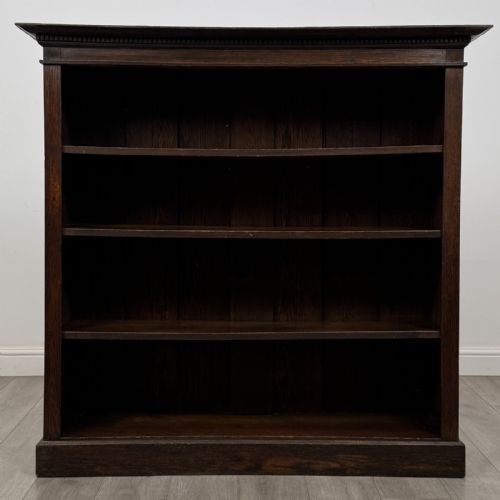
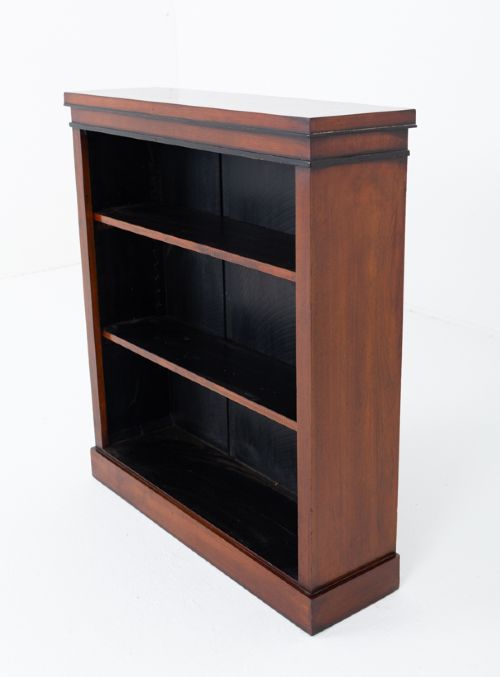
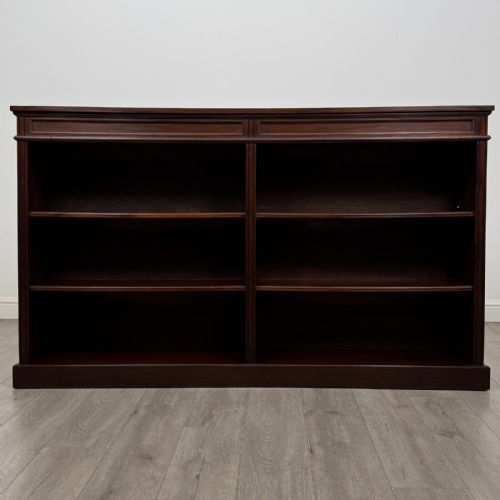
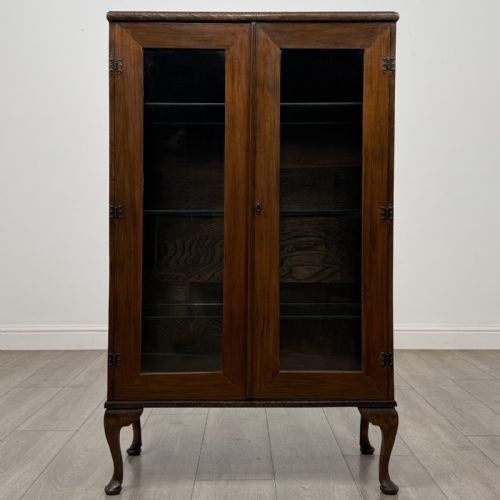
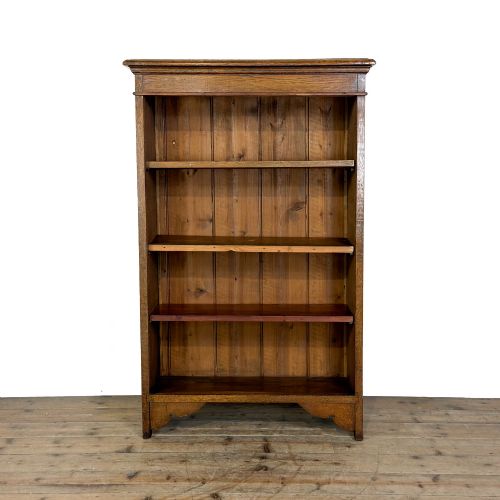
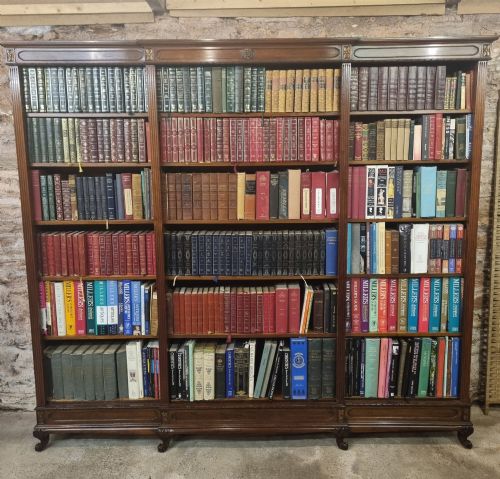
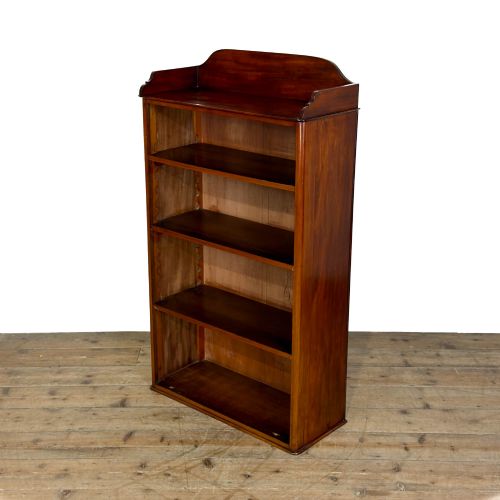
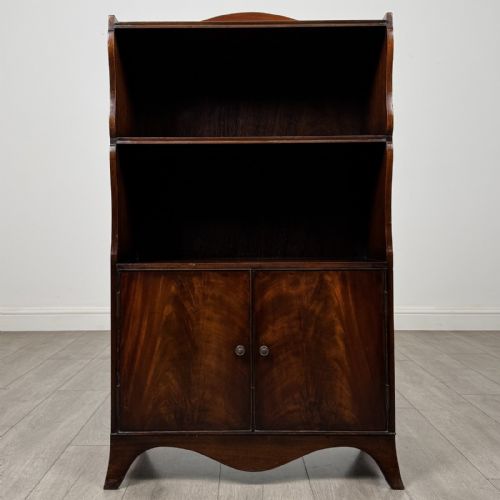
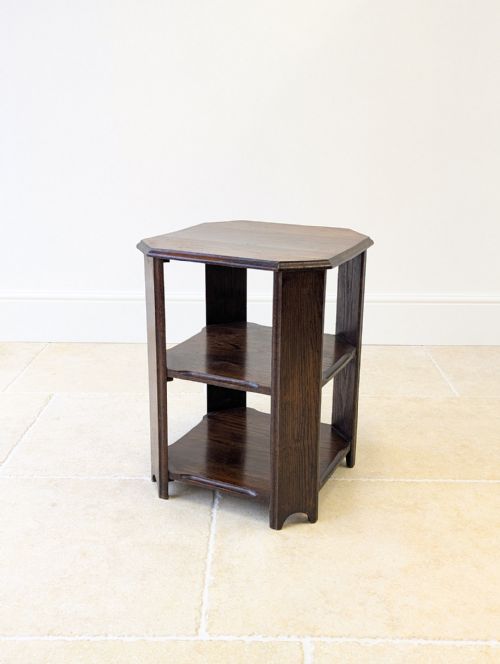
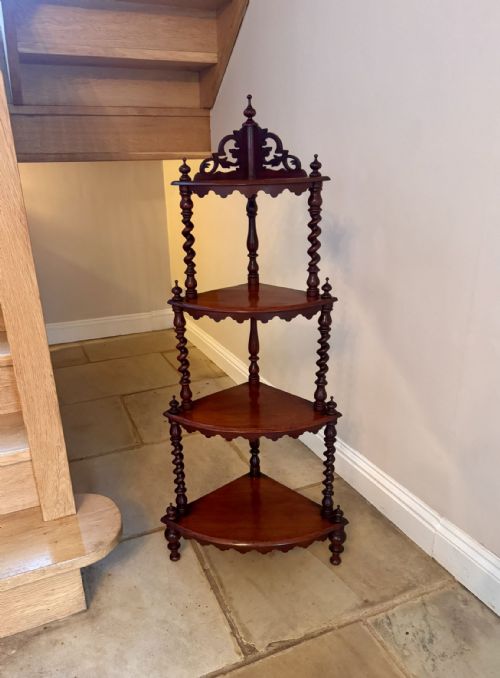
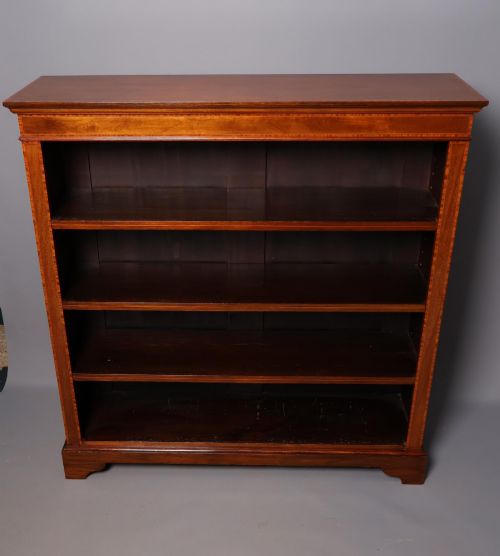
When searching for antique dark shelving, buyers encounter an array of open bookcases, corner whatnots, and wall-mounted units spanning the Victorian, Edwardian, and Regency periods. These practical storage pieces range from compact Edwardian oak bookcases to large late Victorian mahogany library shelves designed for heavy volumes.
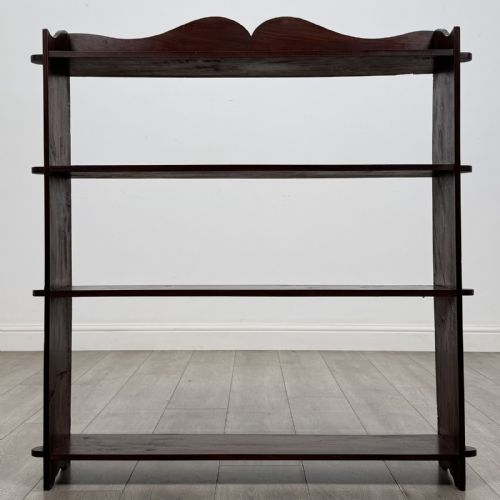
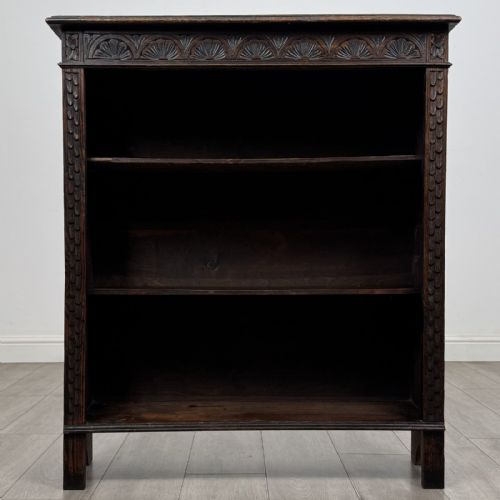
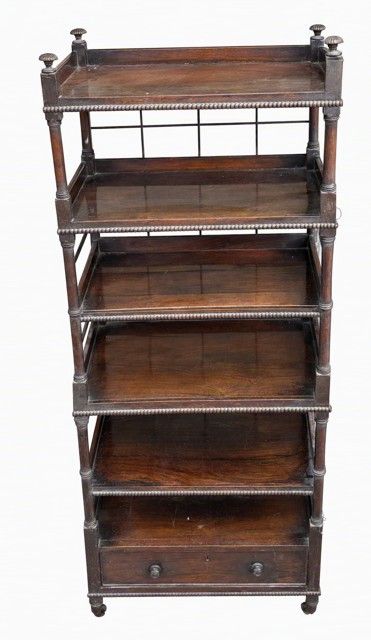
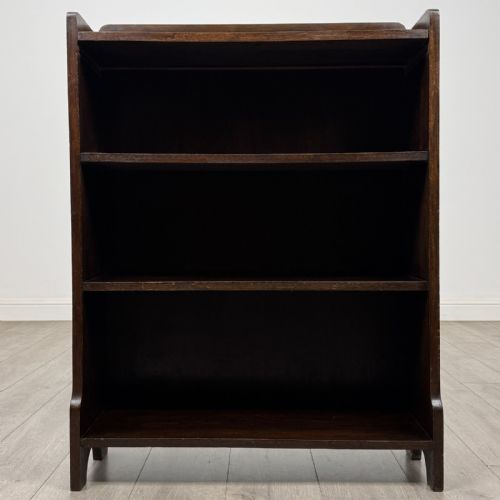
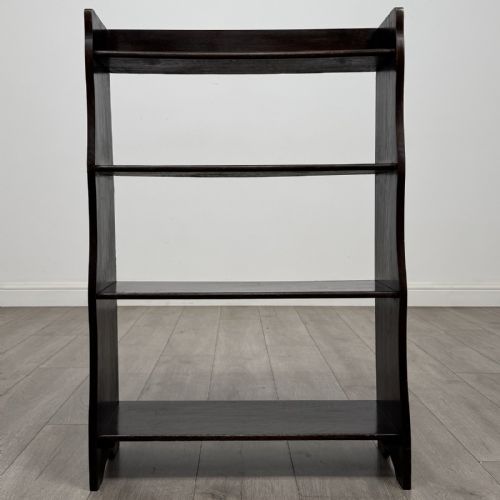
The selection on this page relies heavily on nineteenth and early twentieth-century examples rendered in rich, deep-toned woods. Buyers will frequently meet open bookcases featuring adjustable shelves alongside specialised forms such as hanging shelves, corner cabinets, and low dwarf bookcases.
Originating predominantly from British domestic contexts, these items reflect the changing taste in home libraries and studies across several decades. From sturdy Arts and Crafts oak to elegant rosewood and walnut, the variety caters to both modest alcoves and expansive rooms.
Construction and Materials
Cabinet makers utilised dense hardwoods such as mahogany, oak, walnut, and rosewood to construct these dark shelving units, often selecting figured timbers like flame mahogany or burr walnut for visual depth. Pine and other secondary woods frequently served for internal framing and backing boards.
Construction techniques combined traditional joinery with functional hardware, incorporating brass fittings, beaded edges, and carved details such as those seen on Gothic or Arts and Crafts pieces. Many open bookcases feature adjustable wooden shelving supported by pegged or slotted uprights to accommodate varying book heights.
Listings feature oak, mahogany, walnut, and rosewood across Victorian and Edwardian periods.
Judging Quality
The distinction between standard commercial pieces and finer examples rests on timber selection and the refinement of subsidiary details. Superior pieces display carefully matched grain patterns, such as flame mahogany or burr walnut, combined with crisply executed carvings and robust structural joinery.
Proportion and utility also dictate standard versus superior grading, observable in the clever integration of adjustable shelving mechanisms and sturdy plinth bases. Lesser examples utilise simpler, plain-sawn timbers with minimal attention to aesthetic harmony across the assembled panels.
The Antique Dark Shelving Glossary
- Whatnot
- A piece of freestanding open shelving with multiple tiers, designed for displaying ornaments or books.
- Waterfall bookcase
- A tiered shelving unit where each successive shelf is set back from the one below, creating a stepped profile.
- Dwarf bookcase
- A low open bookcase standing well below eye level, often fitted with adjustable shelves.
- Burr walnut
- Timber taken from the gnarled growth of a walnut tree, yielding dense, swirling grain patterns highly prized for decorative veneer.
- Ebonised
- Wood stained or treated to imitate the deep, dark appearance of ebony.
Antique Dark Shelving: Frequently Asked Questions
How do I style dark wood shelves?
Dark wooden shelving provides a strong visual anchor in a room, pairing well with neutral walls and abundant natural light to prevent the space from feeling heavy. Mixing book spines with ceramics and framed pictures breaks up dense rows of text and introduces texture.
Allowing some timber to remain visible behind your items maintains the architectural character of the piece. Grouping objects by height and colour ensures the arrangement feels deliberate rather than cluttered.
Are these shelves suitable for heavy books?
Many period bookcases were constructed with dense hardwoods like oak and mahogany, making them structurally sound for large volumes. Units equipped with thick timber boards and sturdy vertical supports handle heavy loads without bowing.
When loading older shelving, distribute heavier encyclopaedias and reference books across the lower tiers to maintain balance. Checking the integrity of the shelf supports ensures the internal structure remains secure under weight.
Can adjustable shelves be trusted on antiques?
Many late nineteenth and early twentieth-century bookcases feature adjustable shelving systems utilising wooden ratchets, brass studs, or sliding brackets. These functional mechanisms were engineered to let owners customise shelf heights for varying book sizes.
Testing the adjustment mechanism gently ensures the brackets or slots remain undamaged and capable of bearing weight. These clever systems demonstrate the practical domestic utility built into period furniture.