

Antique Cutting Table
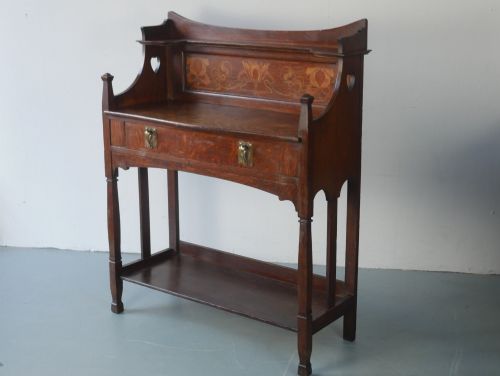
An antique cutting table sits at the heart of the workshop, designed for heavy labour and daily utility.
Antique Cutting Table
An antique cutting table brings robust utility into domestic spaces, appearing across Victorian, Edwardian, and earlier periods. These surfaces accommodated substantial tailoring and crafting tasks.
The pieces present sturdy timber frames designed to withstand significant pressure during use. Buyers frequently encounter variants featuring drawers or drop leaves suited to workspace organisation.
Materials and construction
Joinery relies on traditional methods such as mortise and tenon joints to ensure rigidity under load. Timbers selected for the tops prioritized density and resistance to heavy cutting instruments.
Turned or square-section legs support the working surface, often braced with stretchers for added stability. Metal fixings, where present, consist of iron or brass brackets and screws.
Antique Cutting Table Retail Price Guide 2026
Typical asking prices for cutting table among the pieces listed under this phrase on Sellingantiques today, from the lower quarter to the upper quarter. They describe what is for sale here now, not the wider market.
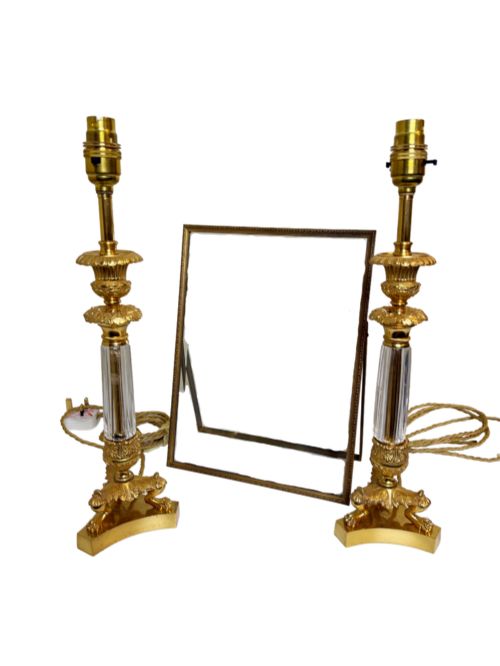
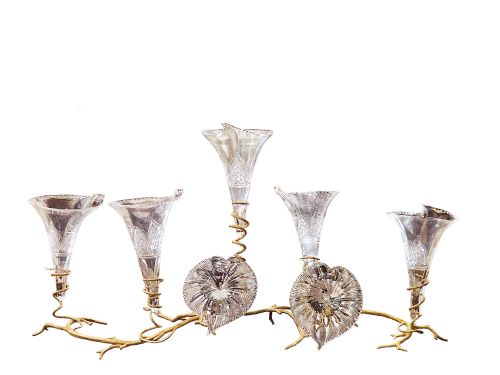
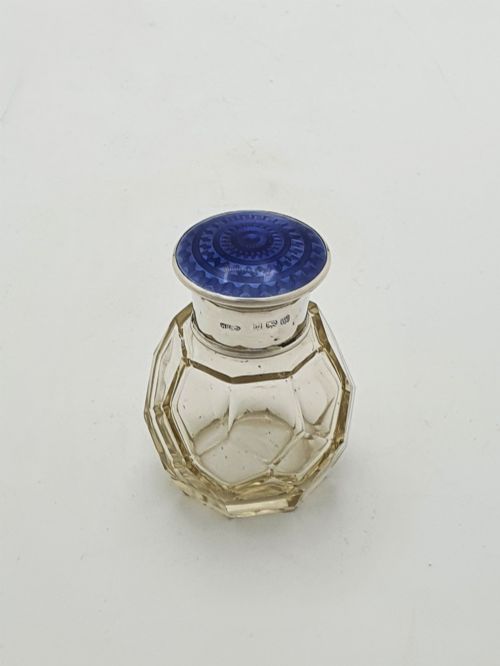
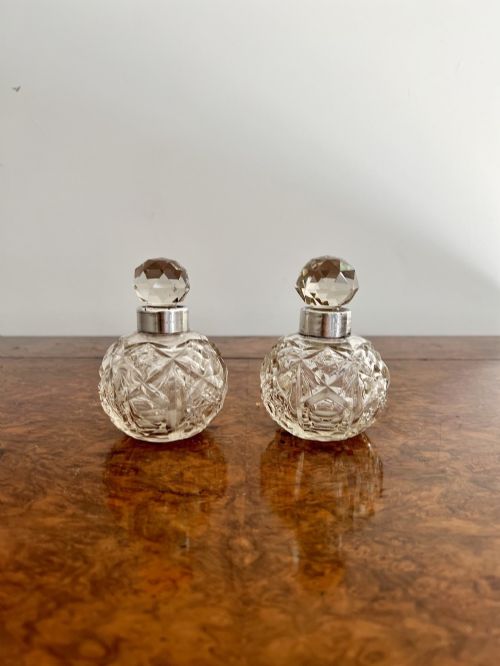
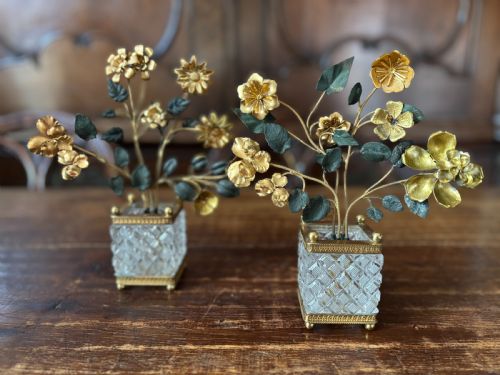
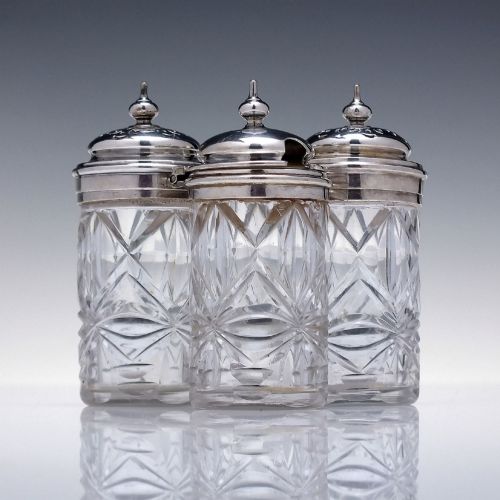
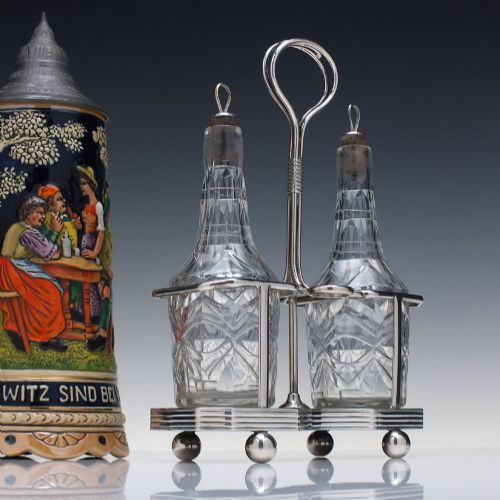
Materials documented across the inventory include sterling silver, cut glass, brass, and gilt bronze.
Quality differences
Substantial differences lie in the thickness and density of the timber top, reflecting intended workshop demands. Fine examples retain uncompromised working surfaces without excessive reduction from decades of planing.
Structural integrity depends on the tightness of the original joinery rather than decorative embellishment. Superior execution shows precise alignment and minimal timber shrinkage.
Alfred Marston·John Pittar·Henry Clifford Davis·Stevens and Williams·Karl Palda·Tiffany and Co
The Antique Cutting Table Glossary
- Stretcher
- A horizontal timber connecting the legs of a table to improve structural rigidity. These elements prevent the legs from bowing outward under heavy downward pressure.
- Mortise and tenon
- A joint formed by fitting a projection into a corresponding cavity. This traditional method provides exceptional strength for load-bearing furniture.
- Planed surface
- The flat upper plane of the table smoothed by a woodworking tool. Repeated planing over generations reduces the overall thickness of the board.
- Drop leaf
- A hinged flap attached to the main table top that lifts to extend the working area. Brackets or swing legs support the extension during use.
Antique Cutting Table: Frequently Asked Questions
What is an antique cutting table?
An antique cutting table is a heavy-duty wooden work surface built for tailoring, sewing, and general domestic craft. These sturdy pieces provided reliable support for laying out and cutting large amounts of fabric.
They reflect practical workshop design from periods spanning the nineteenth and early twentieth centuries. The emphasis rests entirely on functional stability and durable timber construction.
How were cutting tables used?
Makers utilised these surfaces primarily for measuring, marking, and cutting textiles in domestic or professional workshops. The broad tops accommodated folded bolts of cloth without restricting movement.
Additional drawers or lower shelves often held shears, chalk, pins, and pattern pieces. This kept necessary tools close at hand during lengthy tailoring projects.
How do I live with a cutting table?
Integrating one into a modern room requires acknowledging its substantial proportions and utilitarian aesthetic. They function effectively as large desks, kitchen islands, or display surfaces in open spaces.
Protecting the wood from excessive moisture preserves the historic surface character. Regular waxing maintains the timber without altering the marks of its working past.
How do I identify the period?
Dating relies on observing construction techniques, fastener types, and timber selection relative to known historical eras. Hand-sawn marks and forged iron fixings generally point toward earlier nineteenth-century production.
Later Edwardian or twentieth-century examples often incorporate machine-cut elements and standardised hardware. Comparing the leg profiles with documented furniture styles helps narrow the origin.