





Antique Cut Crystal Shade
An antique cut crystal shade catches and splits light across a room, bringing weight and brilliance to ceiling lights, chandeliers and table lamps.
Antique Cut Crystal Shade
When you search for an antique cut crystal shade, you encounter a variety of lighting fixtures ranging from table lamps and wall lights to ceiling pendants and chandeliers. These pieces span periods from the Victorian era and the Edwardian years through to the nineteen thirties, displaying styles that include Art Deco, Arts and Crafts, and French Neoclassical.
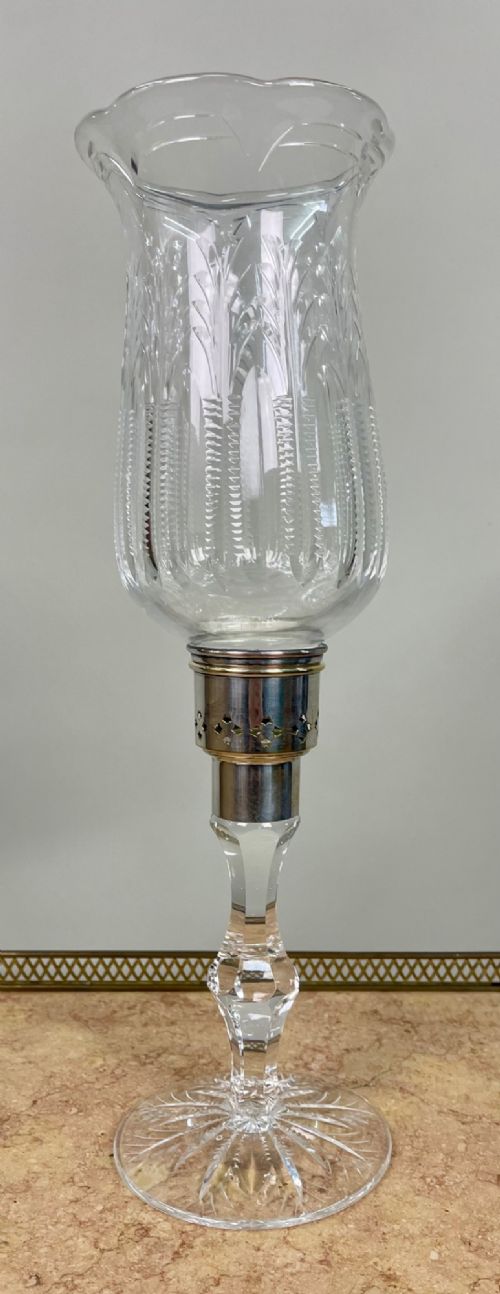
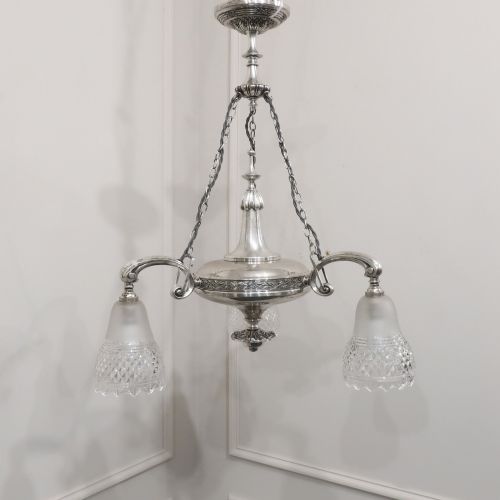
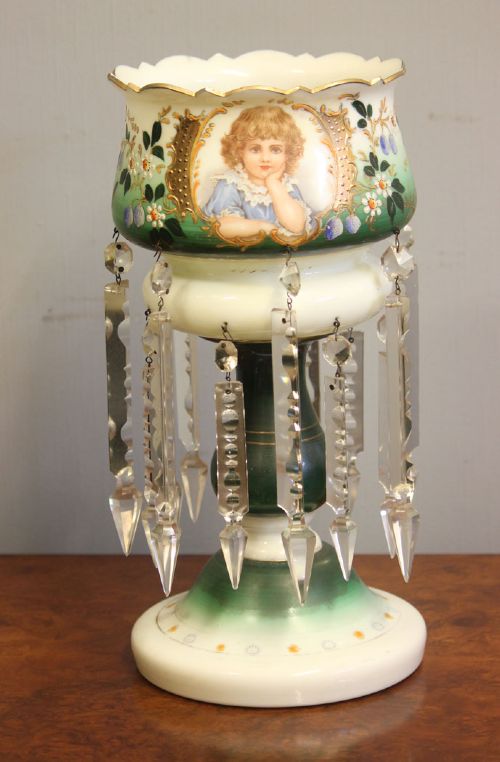
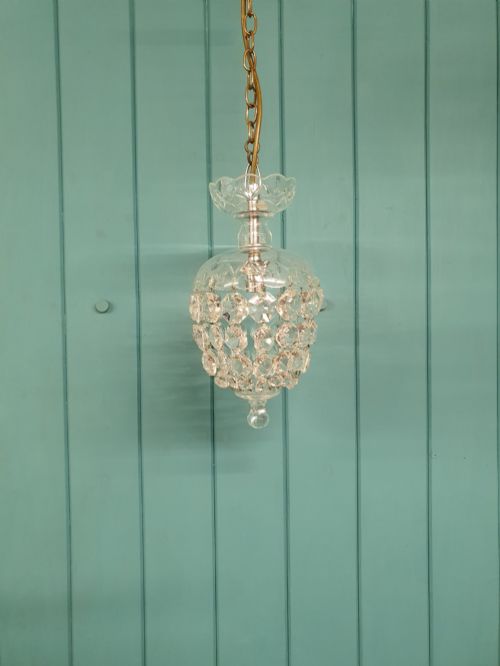
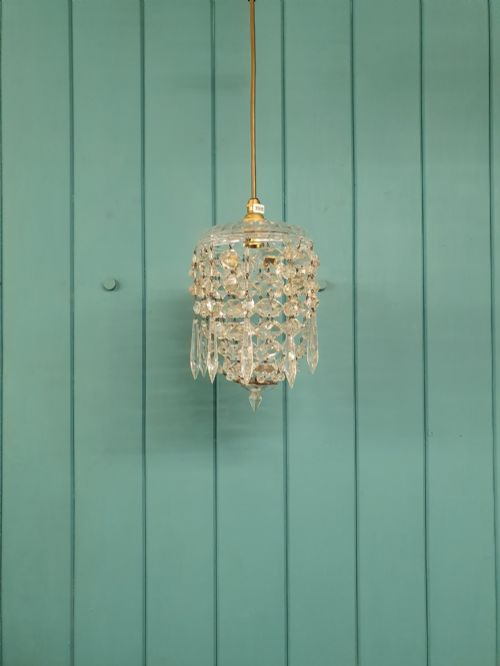
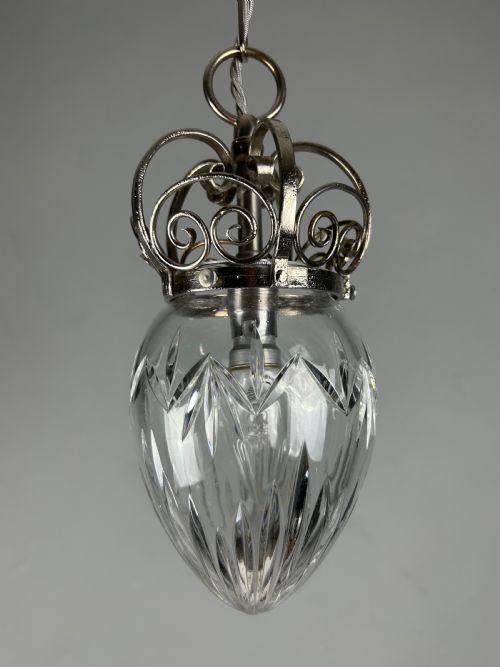
The form of an antique cut crystal shade appears in diverse shapes such as domes, bells, mushrooms, acorns, and bag chandeliers, frequently paired with brass, bronze, metal, or silver-plated mounts. The selection includes complete table lamps, mantel lustres with storm shades, and ceiling lighting fixtures designed to diffuse and refract light efficiently.
Edwardian and early twentieth-century examples dominate the selections, alongside Victorian oil or paraffin lamps and later nineteen thirties mushroom lamps. Buyers frequently encounter smaller six-inch or eight-inch chandeliers and ceiling lights alongside substantial table lamps and bowl chandeliers.
Distinctions in quality
Quality in these lighting pieces rests upon the crispness and depth of the glass cutting, where sharper facets produce superior light dispersion. The weight and clarity of the lead crystal indicate the purity of the material used by the maker.
The integration between the glass shade and its metal mountings reveals the standard of manufacture. Secure fittings, substantial brass or bronze components, and well-balanced frames distinguish superior examples from simpler utilitarian lighting.
Antique Cut Crystal Shade Retail Price Guide 2026
Typical asking prices for cut crystal shade among the pieces listed under this phrase on Sellingantiques today, from the lower quarter to the upper quarter. They describe what is for sale here now, not the wider market.
Listings feature items spanning the Victorian era through the Edwardian period to the nineteen thirties, utilising brass, bronze, lead crystal, and fabric.
Stuart Crystal·F. and C. Osler
The Antique Cut Crystal Shade Glossary
- Plafonnier
- A ceiling light fixture that sits flush or close against the ceiling surface. These often feature bowl-shaped or dome-shaped glass shades.
- Mantle Lustre
- A decorative ornamental vase or urn fitted with pendant glass prisms, frequently displayed on a mantelpiece. They occasionally incorporate storm shades.
- Bag Chandelier
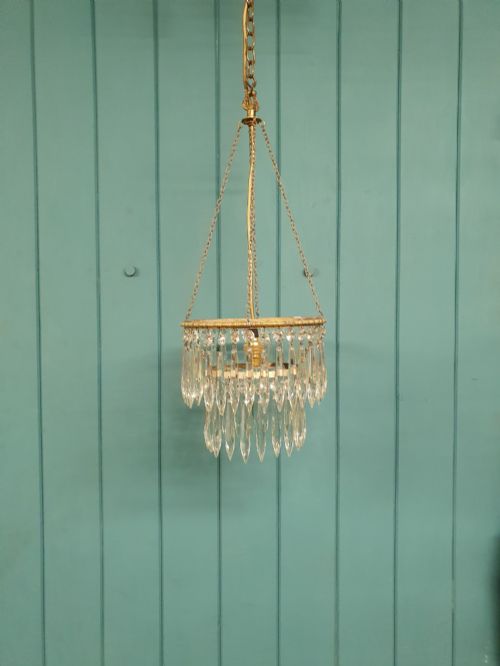
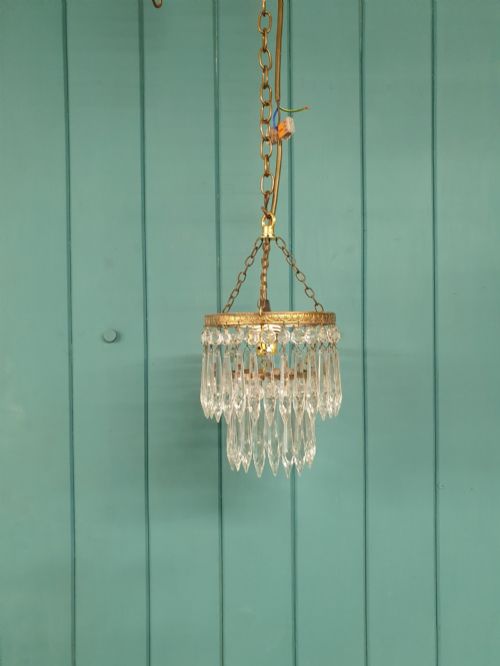
- A style of light fixture where cascading crystal drops form a bag or basket silhouette beneath the frame. This design concentrates the illumination through dense arrangements of glass.
- Prism
- A cut glass pendant or hanging drop suspended from a chandelier or lustre to refract light. They catch illumination from the bulbs and scatter spectral colours.
Antique Cut Crystal Shade: Frequently Asked Questions
How do I clean an antique crystal shade?
Maintenance requires gentle washing with warm water and mild soap to preserve the surface of the glass and any metal mountings. Harsh chemicals can damage vintage metallic finishes and weaken older materials.
Careful drying with a lint-free cloth prevents water spots on the faceted surfaces, maintaining the clarity of the crystal.
What periods do these glass shades come from?
The pieces span the Victorian era, the Edwardian period, and the nineteen thirties. Each era brings distinct design characteristics, from ornate Victorian oil lamps to sleek Arts and Crafts or Art Deco forms.
Design details and mounting metals often help determine the specific decade of manufacture.
How were these shades originally mounted?
Mounting methods varied depending on whether the piece functioned as a table lamp, a wall light, or a ceiling pendant. Many utilised brass galleries, metal claws, or threaded screws to secure the glass shade to the fixture.
Ceiling lights frequently hung from chains or rods attached to metal frames supporting the cut glass components.
What is the difference between glass and lead crystal?
Lead crystal contains added metallic oxides that increase the weight, brilliance, and refractive index of the material compared to standard glass. This composition allows artisans to cut deeper, sharper facets that scatter light more intensely.
Standard glass pieces tend to be lighter and may feature moulded rather than hand-cut patterns.