

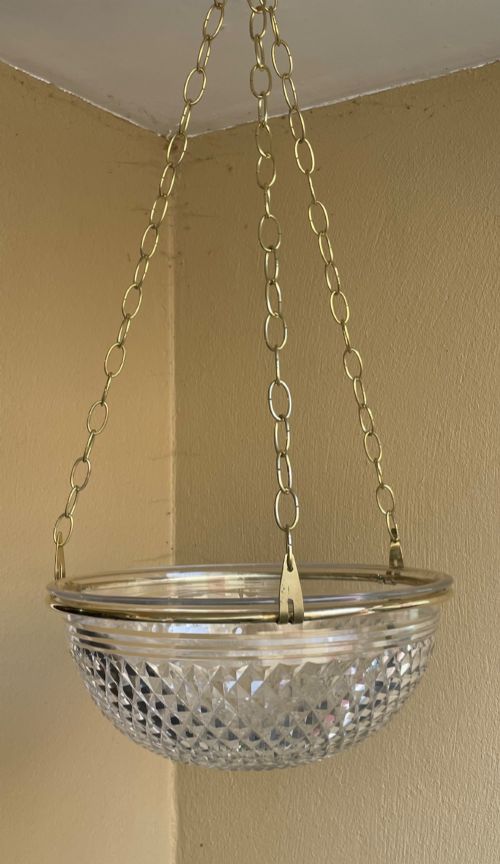
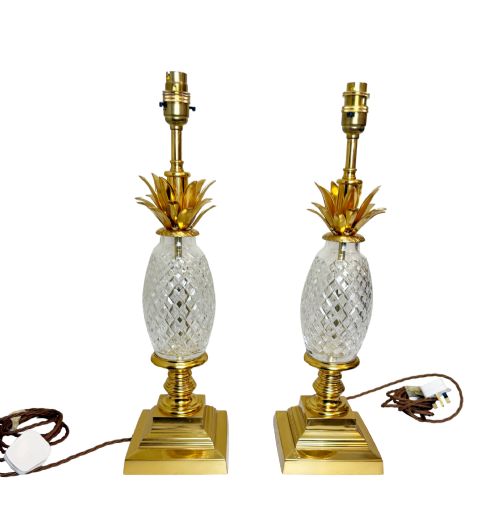


Antique Cut Crystal Lamp
These antique cut crystal lamps bring refractive brilliance to a room, casting intricate patterns through faceted glass and polished metal mounts.
Antique Cut Crystal Lamp
An antique cut crystal lamp combines heavy lead glass or cut glass with metal mounts of brass, bronze, or gilt metal to provide functional illumination and decorative presence.
The selections on this page span table lamps, oil lamps converted to electricity, and smaller boudoir lights originating from the Victorian era through the mid twentieth century.
Makers and designers from English houses and French workshops utilised quality casting and cutting techniques to produce these lighting fixtures.
Materials and construction methods
Craftsmen shaped glass by hand, pressing or blowing the material before applying wheel-cut facets to enhance the refractive qualities of the crystal.
Foundations and mounts utilise brass, gilt bronze, and silver plating, providing sturdy structural support for the heavy glass bodies.
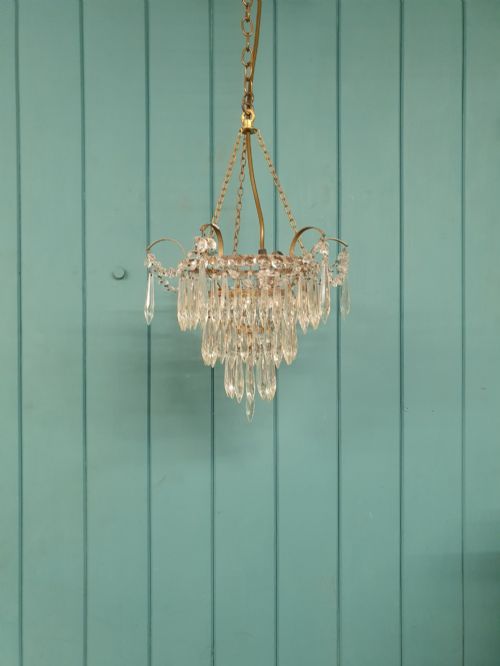
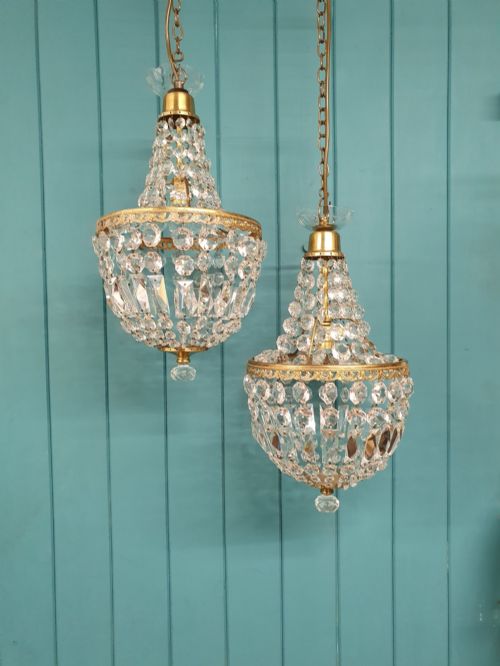
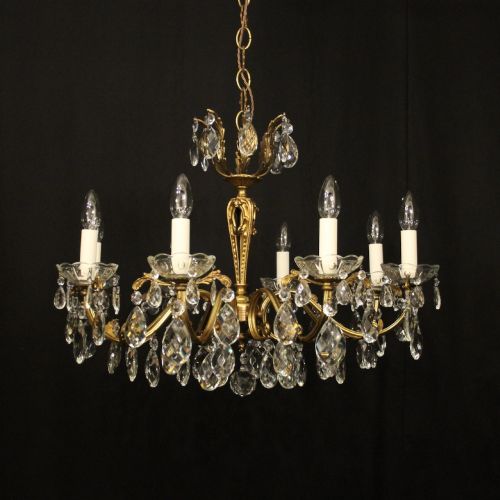
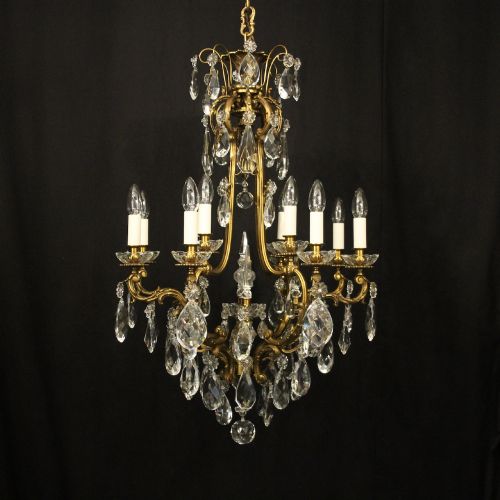
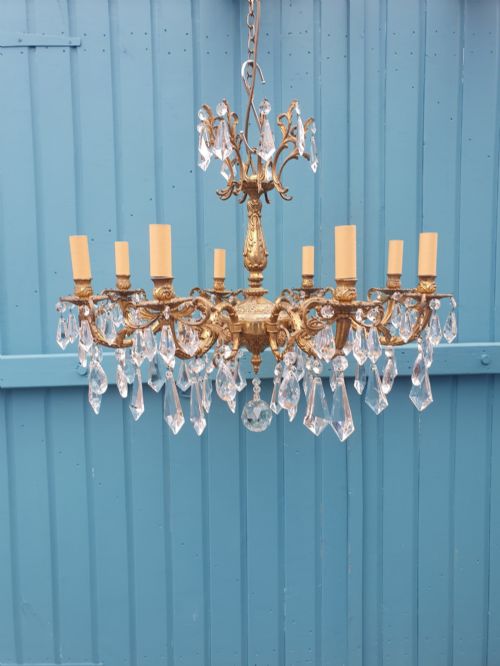
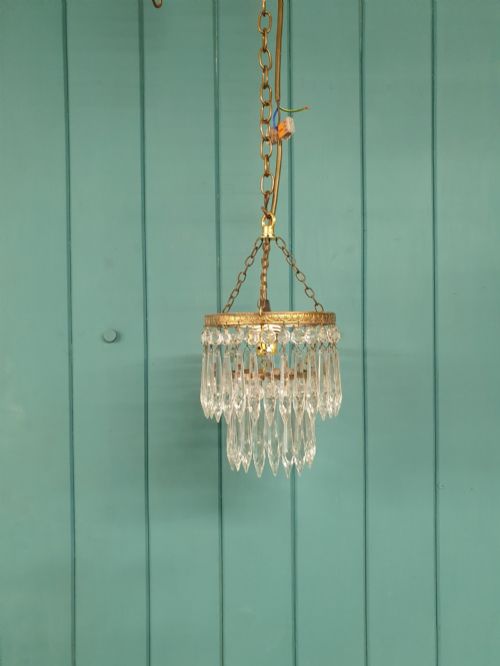
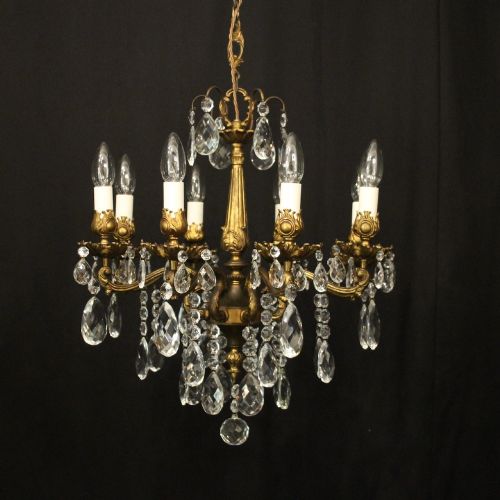
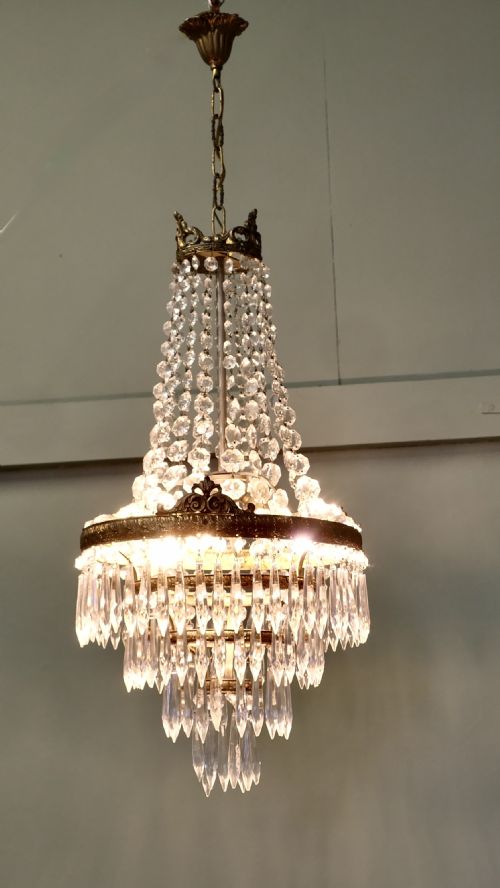
Prisms, drops, and bead strands link to the frames using small wire pins, allowing movement and catching ambient light from multiple angles.
Antique Cut Crystal Lamp Retail Price Guide 2026
Typical asking prices for cut crystal lamp among the pieces listed under this phrase on Sellingantiques today, from the lower quarter to the upper quarter. They describe what is for sale here now, not the wider market.
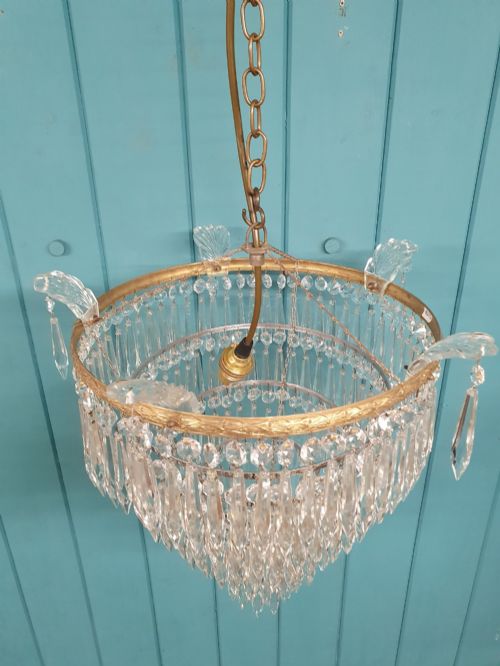
Flying cherubs occasionally hoist crystal spike chandeliers aloft, proving that Victorian lighting designers took interior drama very seriously.
Determinants of quality
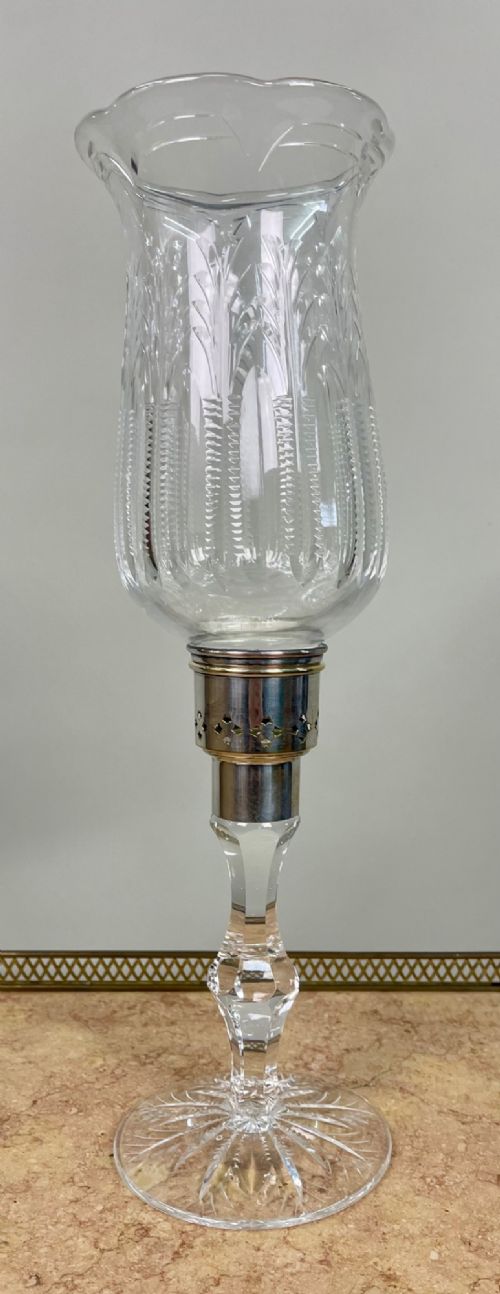
Depth and crispness of the wheel-cut facets distinguish superior crystal bodies from simpler pressed glass alternatives, as sharper cuts create clearer light dispersion.
The weight and finish of the metal mounts, whether gilt bronze, heavy brass, or silver plate, indicate the original workshop's investment in materials.
Completeness of the original drops, prisms, and matching burners or shade rings maintains the structural and aesthetic integrity of the piece.
F. & C. Osler·Stuart Crystal·Clarke
The Antique Cut Crystal Lamp Glossary
- Cut crystal
- High-clarity lead glass shaped with abrasive wheels to create sharp facets. This process increases the refractive index, making the glass sparkle under light.
- Ormolu
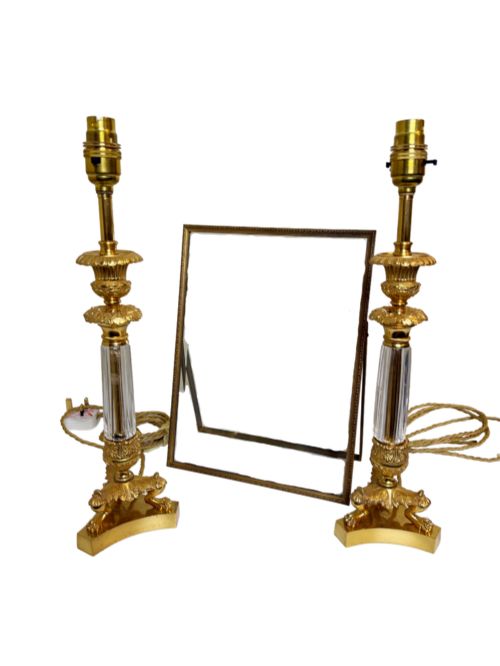
- Finely chased and gilded bronze used extensively in French mounts. The technique gives a rich gold appearance that complements clear crystal.
- Lustre
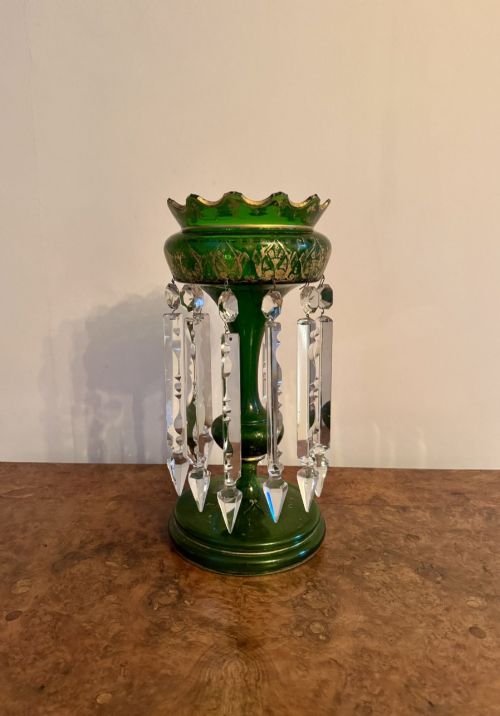
- A table ornament or candlestick hung with glass pendants. They often double as small lamps or decorative mantel pieces.
- Plafonnier
- A ceiling light fitted flush or close to the ceiling. These fixtures frequently use moulded or cut glass bowls to diffuse light evenly.
Antique Cut Crystal Lamp: Frequently Asked Questions
How do I date an antique crystal lamp?
Dating relies on examining the metal casting techniques, wiring ports, and the style of the cut glass facets. Victorian and Edwardian examples often feature heavy brass bases and hand-cut crystal reservoirs.
Later pieces from the 1920s and 1930s tend towards streamlined French styles or simpler column designs. Comparing the mounting screws and collar threads to known period hardware helps confirm the decade of manufacture.
Were these lamps originally electric?
Many older pieces began as oil or paraffin lamps before conversion to electricity during the twentieth century. Burners were replaced with lamp holders while retaining the original glass fonts and metal bases.
When inspecting a piece, look for evidence of original wick mechanisms or converted fonts that indicate its past life as an oil-burning light.
How should I clean cut crystal?
Cleaning requires warm water, mild soap, and a soft cloth to remove dust without damaging the metal mounts or loosening wired drops. Harsh chemicals must be avoided to protect gilt finishes.
Each pendant and prism can be wiped individually while supported by hand to prevent strain on the delicate brass pins holding them to the frame.
What is the difference between glass and crystal?
Crystal contains lead oxide, which adds weight, increases clarity, and allows for deeper, sharper cuts by the artisan. Standard glass is lighter and lacks the same refractive brilliance.
Under direct light, lead crystal produces prismatic rainbow effects that differentiate it from ordinary soda-lime glass.