





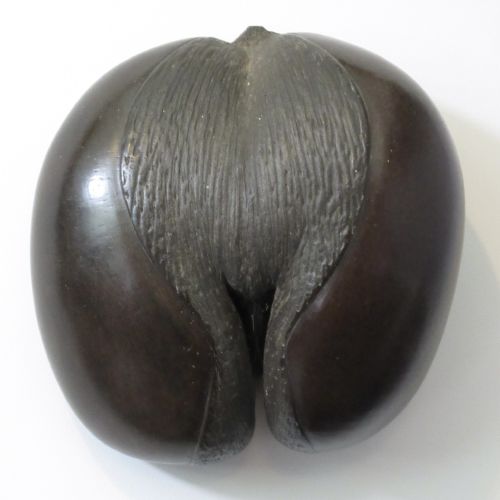

Antique Curiosity Object
An antique curiosity object holds the tangible weight of discovery, offering strange materials and bygone craftsmanship that reward close inspection.
Antique Curiosity Object
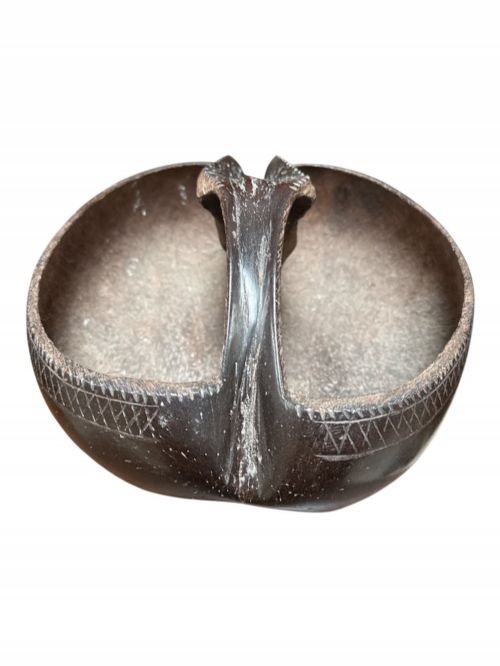
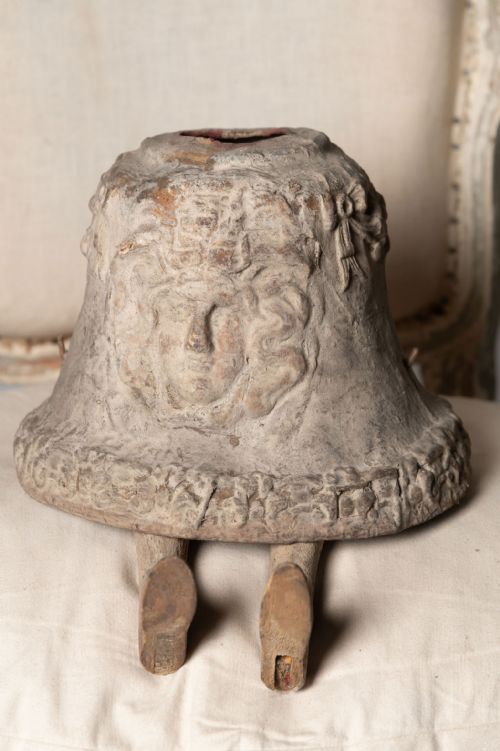
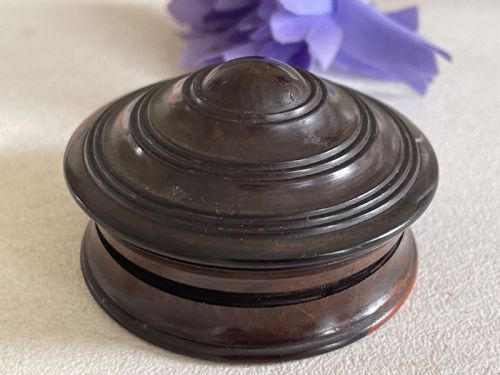
Every antique curiosity object brings together the unusual and the unfamiliar, drawing collectors who seek tangible fragments of natural history, science, and material culture. When you examine an antique curiosity object, you encounter diverse forms ranging from botanical models and scientific instruments to carved bone, shell, and theatrical props.
The selection spans centuries of human ingenuity and natural wonder, featuring pieces from the Georgian, Victorian, and Meiji periods alongside earlier European work. These objects often originated as items for private study, display, or specialised trades, carrying the distinct marks of their original function into modern interiors.
Materials and construction
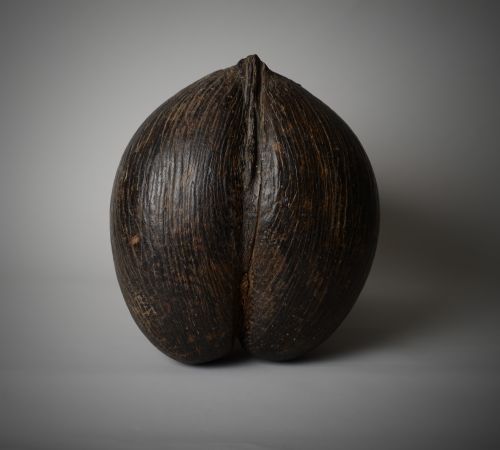
Makers shaped these pieces from organic and mined materials alike, utilising carved bone, ivory, boxwood, horn, and patinated bronze. Natural specimens such as coco de mer seed pods and fossilised teeth required careful preparation and minimal intervention to preserve their organic integrity.
Manufacture combined precision craftsmanship with functional utility, whether in the delicate joining of a travelling compass or the anatomical modelling of wax and plaster. Artisans employed traditional carving, casting, and mounting techniques suited to scientific study or decorative display.
Antique Curiosity Object Retail Price Guide 2026
Typical asking prices for curiosity object among the pieces listed under this phrase on Sellingantiques today, from the lower quarter to the upper quarter. They describe what is for sale here now, not the wider market.
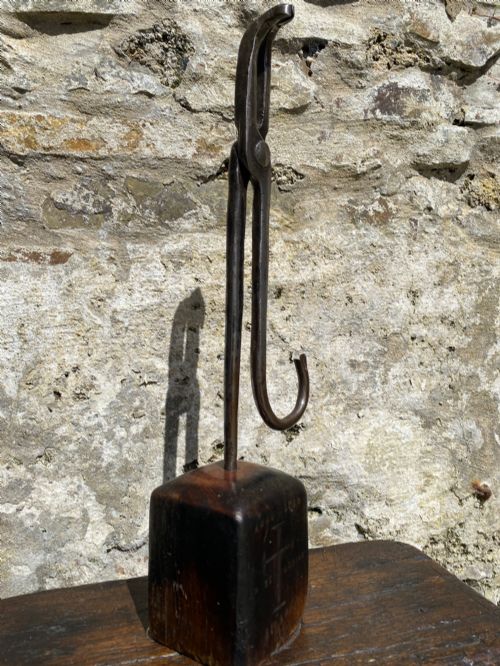
Plumbers of the nineteenth century apparently required a dedicated set of tools that now doubles as sculptural metal curiosity.
Assessing quality
Quality rests upon the precision of the carving and the preservation of original materials, separating masterwork execution from standard production. A boxwood and ivory figure demonstrates superior sculptural depth, whereas simpler items rely primarily on the natural curiosity of the specimen itself.
The integrity of the surface finish and the retention of working components distinguish finer instruments and models. Patination on bronze and horn develops character over time, marking the distinction between genuine period handling and later alteration.
Simon Troger
The Antique Curiosity Object Glossary
- Okimono
- A Japanese freestanding carving intended for display, often depicting animals or figures with high naturalistic detail.
- Coco de mer
- A large double coconut seed from the Seychelles that historically attracted collectors due to its unusual shape and maritime origins.
- Boxwood
- A dense, pale hardwood favoured by carvers for miniature sculpture and intricate scientific instruments.
- Patinated bronze
- Metal alloy that has developed a natural surface sheen through age and environmental exposure.
- Anatomical model
- A three-dimensional representation of human or botanical anatomy used historically for teaching and medical study.
Antique Curiosity Object: Frequently Asked Questions
What is an antique curiosity object?
These pieces comprise natural history specimens, scientific instruments, carved sculptures, and theatrical props gathered for study and display. They reflect historical pursuits in science, nature, and art.
Collectors prize them for their unusual materials and the insight they provide into past methods of collecting and education.
How were these objects used originally?
Many items served practical functions in navigation, medical teaching, or domestic service, such as travelling compasses, anatomical models, and table gongs.
Others existed purely for cabinet display, allowing scholars and wealthy collectors to examine foreign shells, fossils, and intricate carvings.
How do I care for delicate materials?
Organic materials like bone, horn, wood, and wax require stable indoor humidity and protection from direct sunlight to prevent drying and cracking.
Dusting should be performed gently with a soft brush, avoiding chemical cleaners that might strip historical patination or damage fragile surfaces.
How can I tell the period?
Dating relies on material analysis, tool marks, and stylistic conventions associated with Georgian, Victorian, or continental European craftsmanship.
Documentation, regional styles, and the specific technology used in construction help place an object within its historical century.