
Antique Curio
An antique curio gathers the smaller treasures of a room, bringing together display cabinets, vitrines and miniature works in glass, mahogany and brass.
Antique Curio
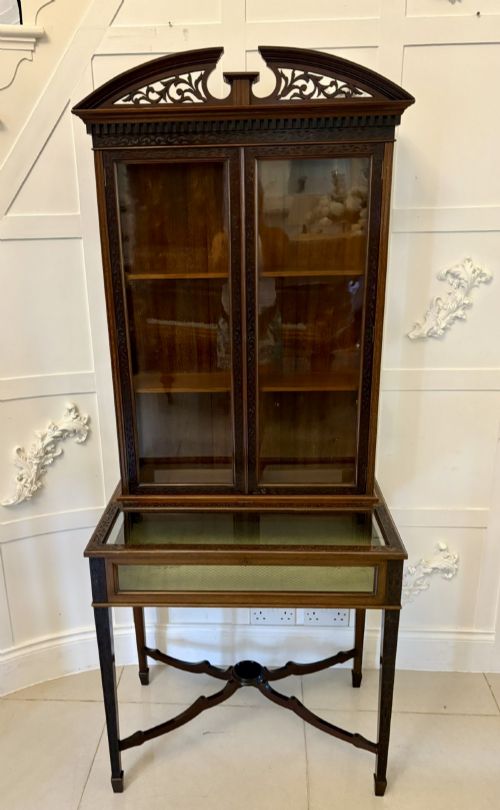
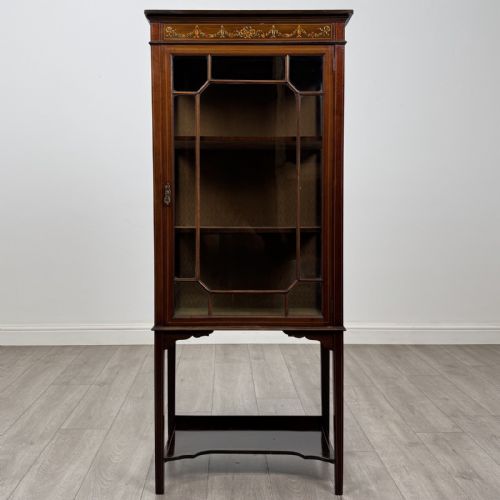
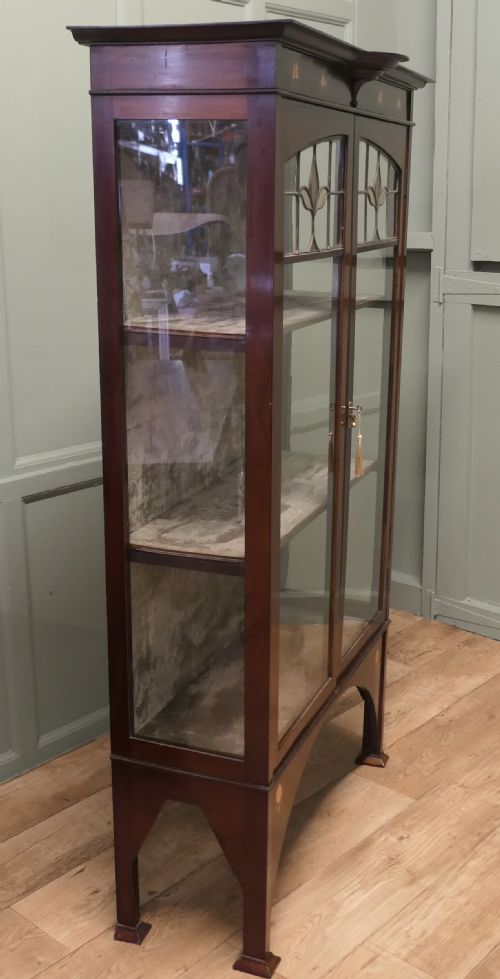
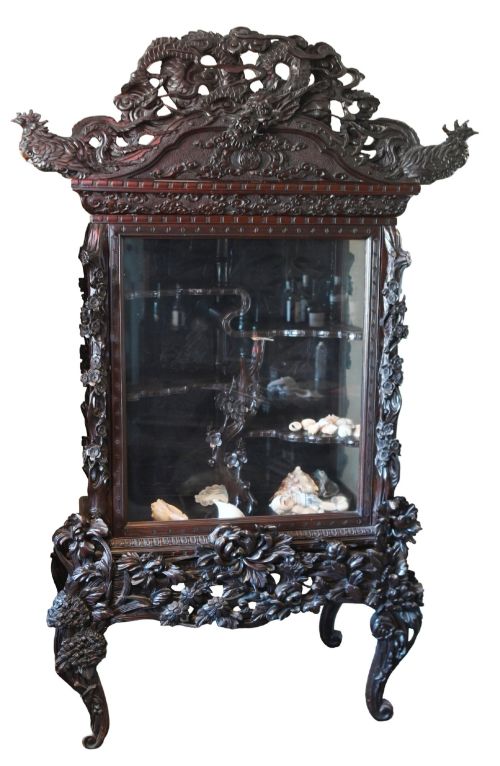
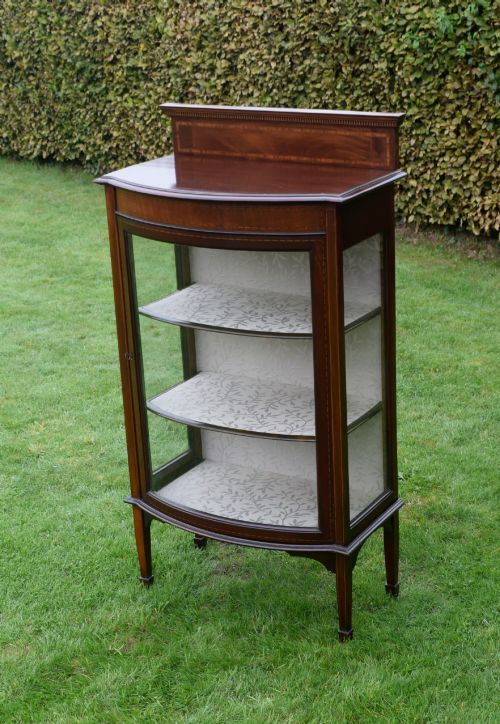
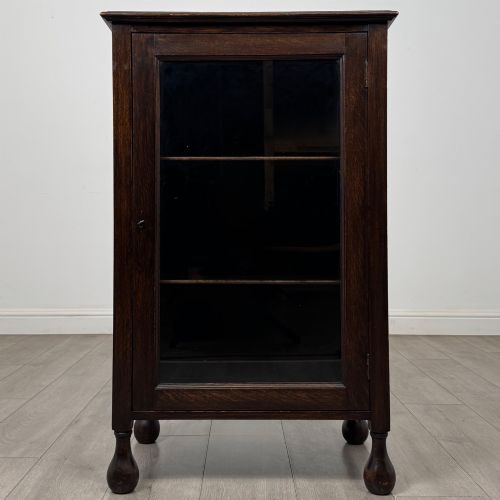
An antique curio encompasses a varied group of objects intended for display and containment, ranging from large mahogany and walnut vitrines to smaller decorative items like netsuke and silver miniatures. Buyers seeking this phrase encounter significant pieces designed to hold collections, alongside distinct cabinets incorporating glazed doors, mirror backs and raised galleries.
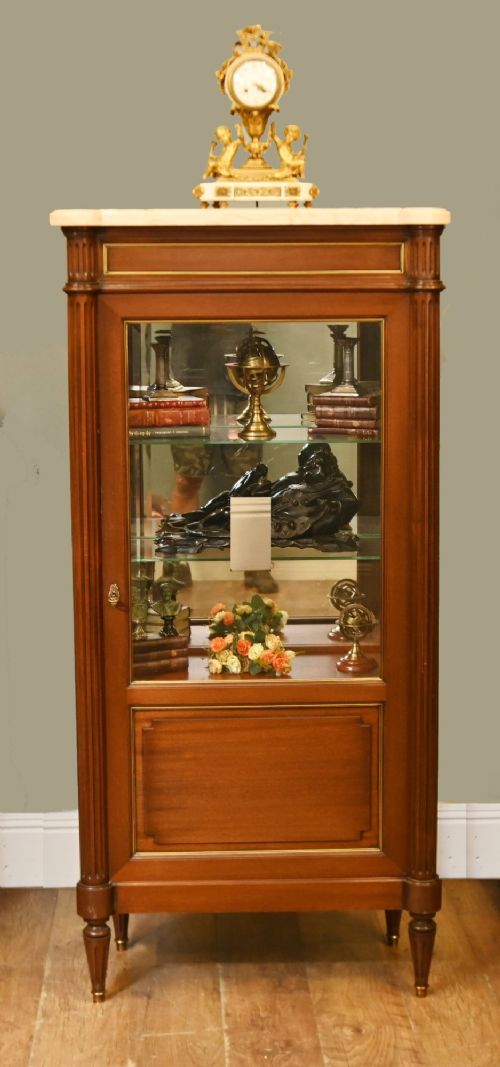
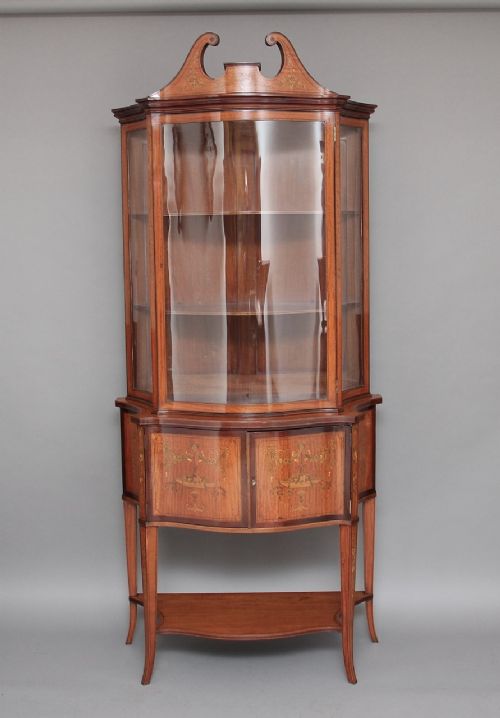
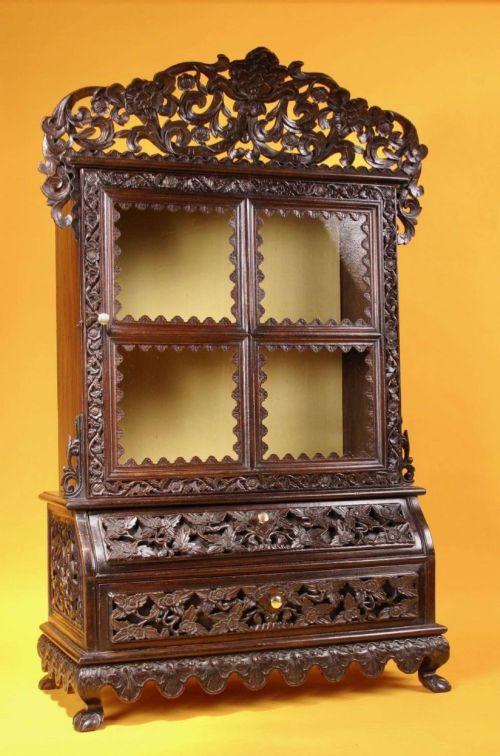
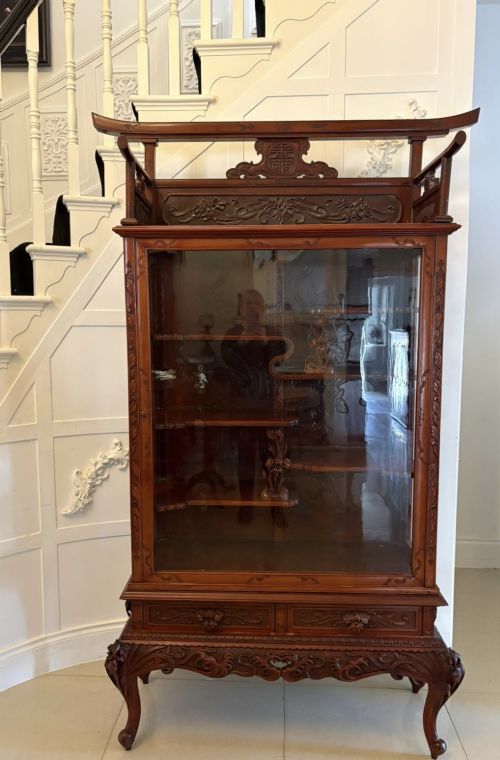
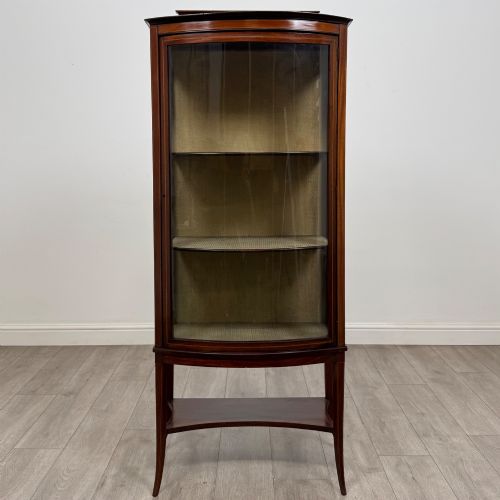
The selection here draws primarily from Victorian, Edwardian and nineteenth-century periods, alongside examples reflecting Louis XV style, Art Nouveau and French Rococo Revival influences. These forms include tall display cabinets, bowfront cabinets, bijouterie tables and smaller wall-mounted units originating from British, French and Asian workshops.
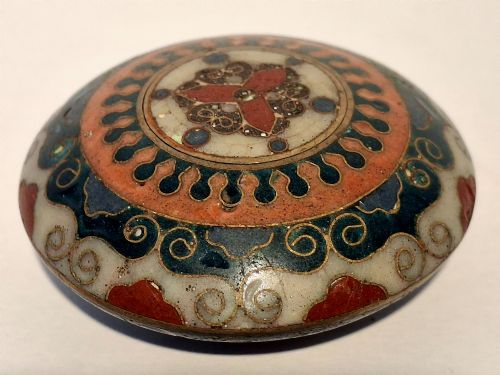
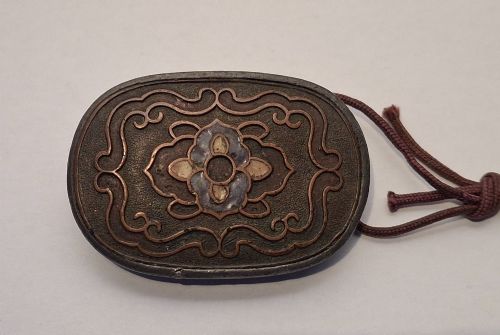
Smaller curios such as Japanese cloisonne and champleve enamel netsuke, sewing tools and framed prints appear alongside substantial furniture pieces. This mix reflects how nineteenth and early twentieth-century households arranged and protected their diverse possessions.
Materials and Construction
Cabinet makers relied heavily on timber frames of mahogany, walnut, satinwood and oak, frequently enhancing surfaces with intricate marquetry, inlay and ebonisation. Vitrines and display cabinets often incorporated glazed panels and brass or ormolu mounts to frame the interior contents.
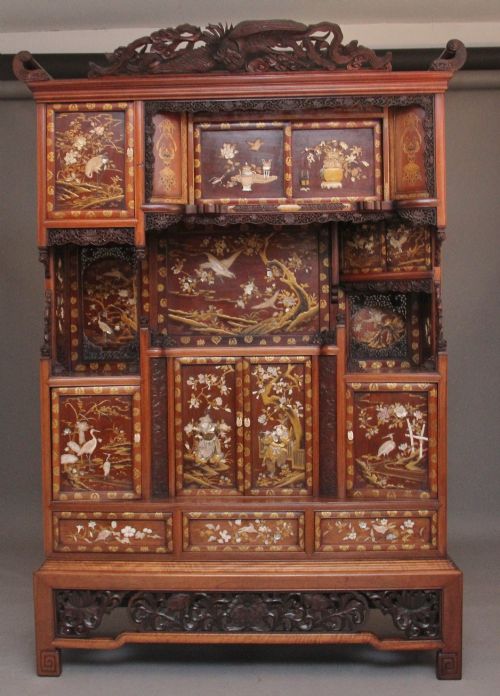
Asian and continental pieces demonstrate alternative traditions, utilising hard woods, red lacquer, mother of pearl inlay and pewter settings for enamel netsuke. Metalwork such as gilt-bronze mounts and Dutch silver components indicate collaborative craftsmanship between joiners and metalworkers.
The furniture spans Victorian, Edwardian and nineteenth-century periods, incorporating Louis XV style, Art Nouveau and Georgian revival movements.
Distinctions in Quality
Quality reveals itself in the precision of the timber joinery, the crispness of carved details like cabriole legs and claw feet, and the integration of decorative elements such as porcelain plaques and painted Vernis Martin panels. Superior pieces demonstrate deliberate harmony between the primary wood and secondary veneers.
The sophistication of the hardware and mounts, including finely chased ormolu, gilt-bronze, and secure lock mechanisms, separates standard utility furniture from exceptional showroom examples. Attention to interior details like mirrored backs and velvet-lined shelving further distinguishes finer cabinets.
Edwards & Roberts·H. J. Hatfield & Sons
The Antique Curio Glossary
- Vitrine
- A glass-fronted display cabinet designed specifically for showing porcelain, figurines and small valuables. These pieces rely heavily on glazed panels to maximise light inside the chamber.
- Bijouterie table
- A shallow display table with a glass top and hinged lid, created for examining jewellery and medals at close range. They typically stand on slender legs within a drawing room or boudoir.
- Netsuke
- A small Japanese toggle carved from wood, ivory or metal, featuring a channel for a cord. Artisans decorated these practical clothing fasteners with intricate enamel and metalwork.
- Vernis Martin
- A European simulation of Asian lacquerwork achieved through successive layers of translucent varnish. This technique produced glossy, metallic-sheened cabinet panels popular in French revival furniture.
- Shodona
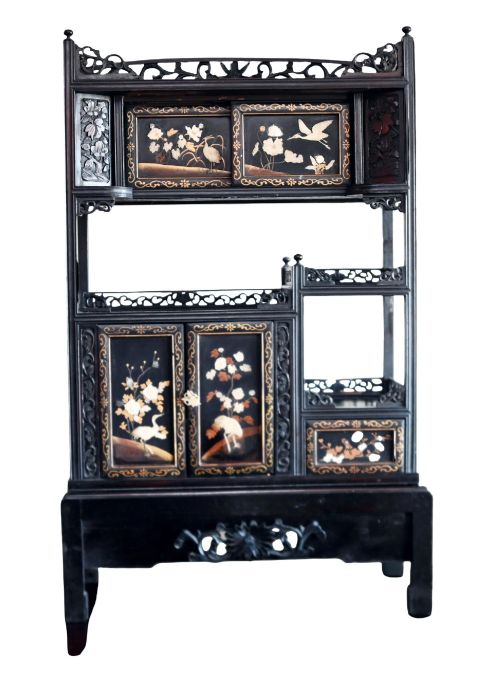
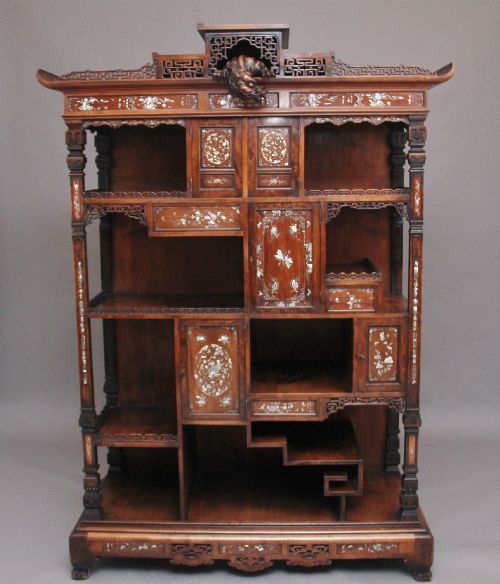
- A Japanese tiered display cabinet featuring asymmetrical shelving for ornaments and curios. These pieces combined fine hardwoods with traditional joinery methods.
Antique Curio: Frequently Asked Questions
What is a vitrine used for?
A vitrine serves to protect and display fragile collections of porcelain, glass and small ornaments. The glass panels and mirrored backs allow light to circulate around the objects.
These cabinets typically stood in formal reception rooms where hosts could share their collected treasures with guests. Today they fulfil a similar role, keeping dust away from delicate items while maintaining full visibility.
How do I care for mahogany cabinets?
Mahogany furniture benefits from stable indoor humidity and shelter from direct sunlight to prevent timber warping and veneer fading. Regular dusting with a dry, soft cloth maintains the finish without chemical buildup.
Applying traditional beeswax sparingly once or twice a year nourishes the grain. Avoid placing these cabinets near heat sources or damp exterior walls.
How do I distinguish Edwardian from Victorian furniture?
Victorian pieces from the nineteenth century tend to feature heavier proportions, darker finishes and denser carvings. Mahogany and walnut dominated earlier decades alongside elaborate revival styles.
Edwardian furniture from the early twentieth century often displays lighter construction, brighter satinwood inlays, and simpler neoclassical or Sheraton revival lines. Cabinets from this later period frequently incorporated raised galleries and mirror backs.
What are netsuke?
Netsuke are miniature Japanese sculptures used historically as fasteners for small pouches hung from kimono sashes. They were carved from boxwood, ivory or formed in metal with intricate enamel work.
Collectors prize them today for their minute detail and tactile qualities. Their compact size makes them versatile display objects for tabletop vitrines.