




Antique Cupids Figurine
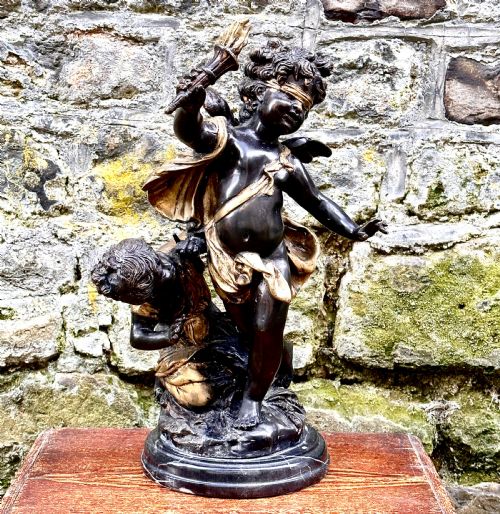
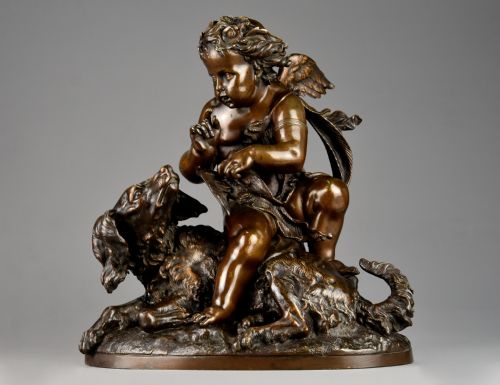
An antique cupids figurine captures mythological romance in cast bronze, carved marble, and delicate porcelain.
Antique Cupids Figurine
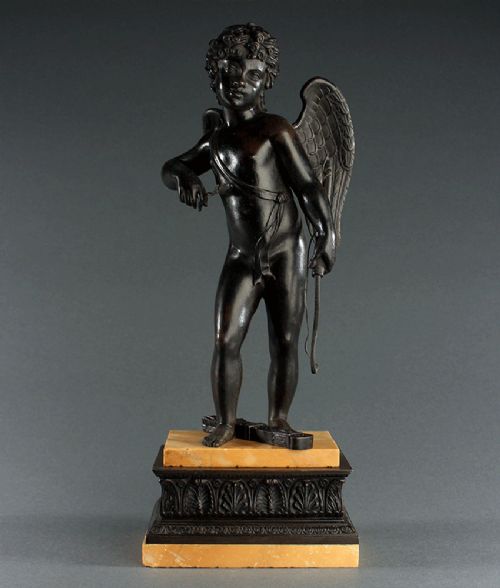
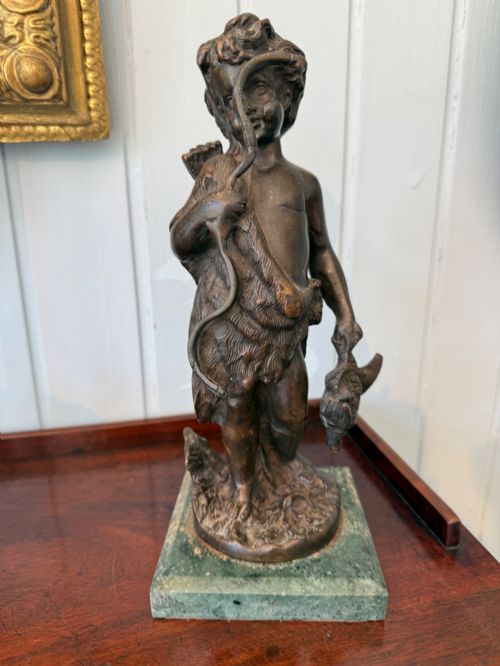
When you search for an antique cupids figurine, you encounter sculptural depictions of winged putti, Eros, and classical allegories of love originating from the eighteenth, nineteenth, and early twentieth centuries. These works span decorative mantel statues, cabinet figures, and grand tour bronzes produced across Britain and continental Europe.
You are most likely to meet nineteenth-century French bronze castings of putti alongside eighteenth-century porcelain figure groups from factories such as Meissen and Derby. These pieces frequently draw upon Neoclassical, Rococo, and Victorian aesthetics to portray mythological narratives.
The physical scale ranges from small cabinet bronzes to large sculptural groups depicting complex allegorical scenes involving Cupid, Psyche, and classical deities.
Materials and Construction
Foundry-cast bronze and patinated bronze dominate the metal pieces, often set upon marble bases or combined with gilt bronze and gold leaf. Sculptors also utilised white marble, terracotta, and enamel to render organic forms.
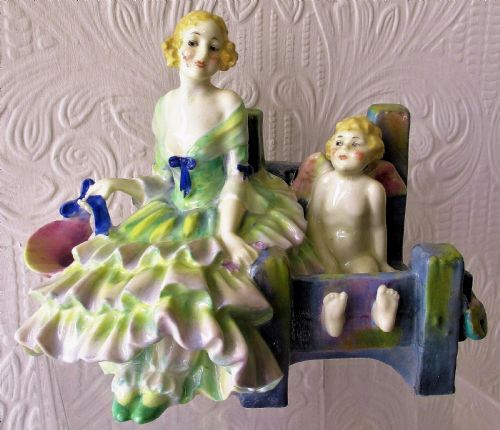
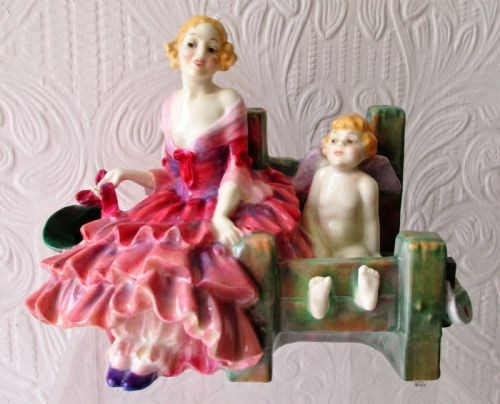
Ceramic pieces rely upon hard-paste porcelain, biscuit porcelain, and blanc de Chine finishes shaped through skilled modelling and hand-painting. Makers combined these diverse media to achieve expressive postures and refined surface textures.
Antique Cupids Figurine Retail Price Guide 2026
Typical asking prices for cupids figurine among the pieces listed under this phrase on Sellingantiques today, from the lower quarter to the upper quarter. They describe what is for sale here now, not the wider market.
Father Time is caught red-handed clipping Cupid's wings in eighteenth-century porcelain groups.
Distinctions in Quality
The refinement of the modelling separates standard decorative castings from works attributed to notable sculptors and major porcelain manufactories. Crisp chiselling on bronze surfaces and delicate hand-painting on porcelain indicate superior craftsmanship.
The integrity of the material, whether the smooth integration of a marble figure onto its base or the preservation of fine details in cast bronze, determines the standing of an individual piece.
Royal Doulton·Meissen·Paul Scheurich·Richard Avrilli·Samson Paris·Louis Auguste Moreau·Aug. Moreau·Denise Delavigne·Clodion·B. Rezl·Johann Joachim Kändler
The Antique Cupids Figurine Glossary
- Putto
- A plump, winged child figure frequently depicted in classical art and sculpture. This term is often used interchangeably with cupid in European decorative works.
- Biscuit porcelain
- Unglazed porcelain fired to a matte, marble-like finish. This technique was favoured by factories such as Derby for neoclassical figure groups.
- Blanc de Chine
- A white Chinese porcelain style later replicated by European potteries like Meissen. It highlights sculptural form without coloured glazes.
- Grand tour
- The nineteenth-century practice of collecting classical bronze statues in Italy. These portable souvenirs often depict mythological figures.
- Neoclassical
- A style drawing inspiration from classical antiquity. It emphasises restrained elegance, balanced composition, and mythological subject matter.
Antique Cupids Figurine: Frequently Asked Questions
How do I identify a nineteenth-century bronze?
Nineteenth-century bronze sculptures typically exhibit deep patination, fine hand-chiselling, and naturalistic anatomical details. Many bear signatures or foundry marks on the base.
They often depict putti, Eros, or allegorical scenes influenced by French classical and Rococo revival styles.
What is biscuit porcelain?
Biscuit porcelain is an unglazed ceramic material that leaves a matte, white finish resembling carved marble. Eighteenth-century factories utilised this medium for detailed figure groups.
This technique allows subtle facial expressions and complex drapery to remain crisp without the interference of glossy glazes.
How were these figures used historically?
These sculptures served as decorative mantel ornaments, cabinet pieces, and grand tour souvenirs in European homes. They reflected the owner's appreciation for classical mythology and refined interior aesthetics.
Larger figure groups often commemorated allegorical themes of love, time, and classical literature.