

Antique Crystal Whiskey Glasses
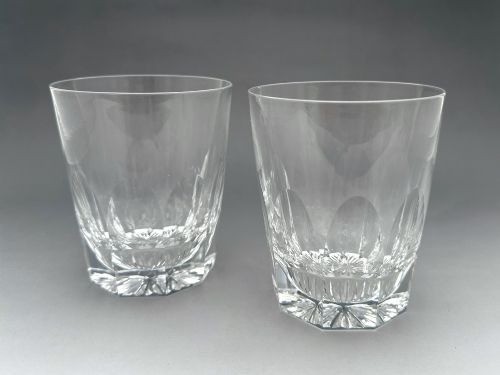
These antique crystal whiskey glasses bring weight and clarity to the table, offering a tangible connection to nineteenth and early twentieth-century drinking rituals.
Antique Crystal Whiskey Glasses
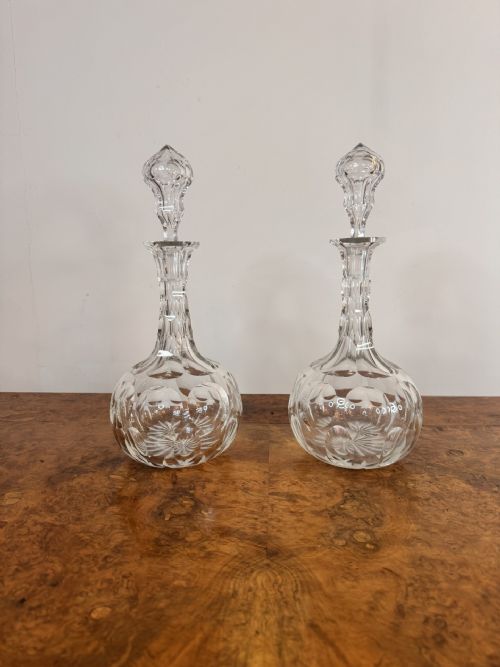
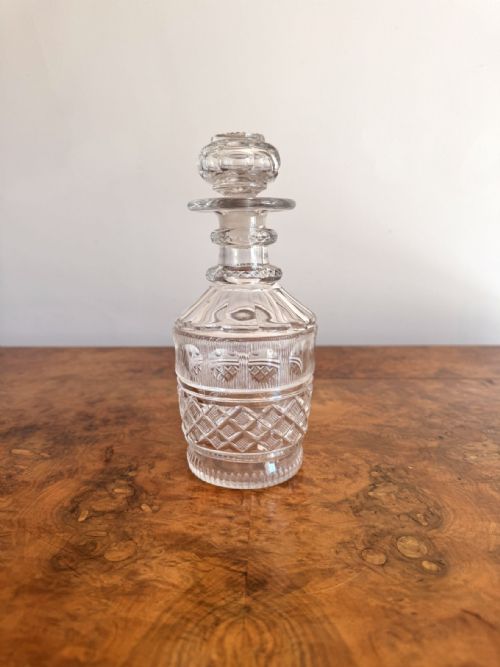
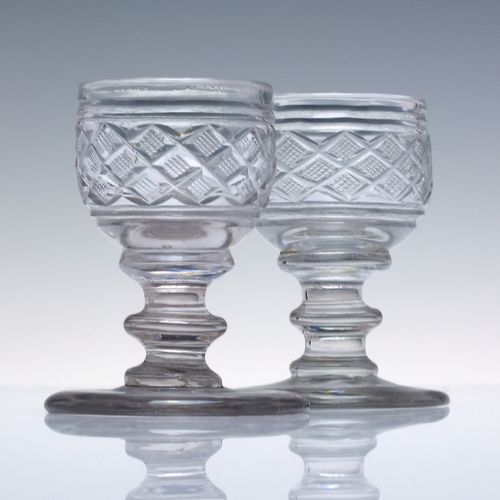
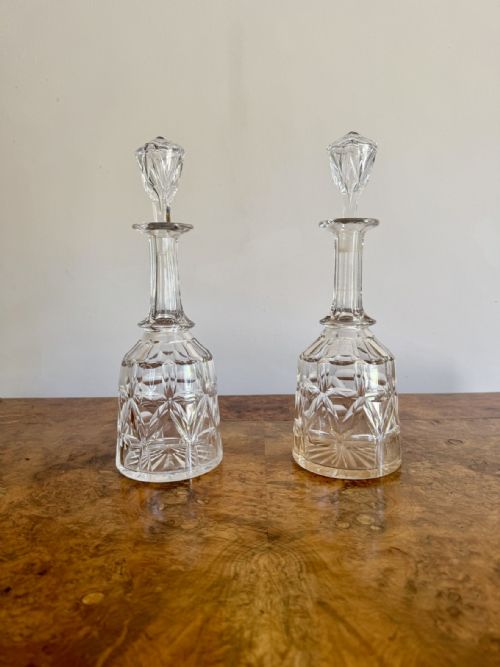
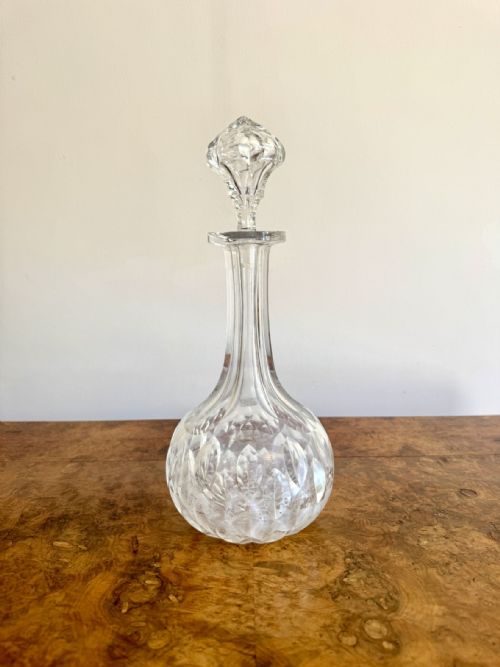
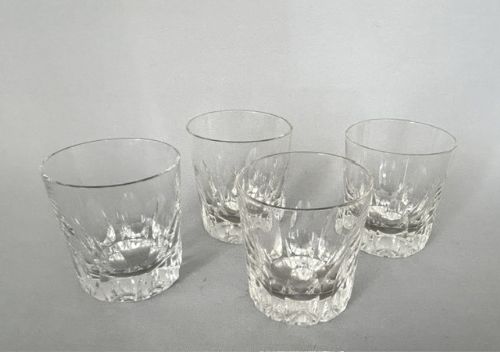
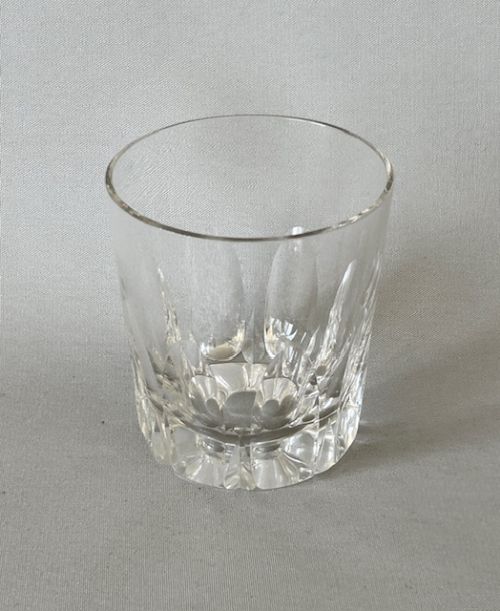
When searching for antique crystal whiskey glasses, buyers encounter heavy tumblers, dram glasses, and matched sets designed for spirits over the past two centuries. The most common examples on this page date from the Victorian and Edwardian eras, spanning heavy cut glass tumblers to matched sets accompanying decanters and tantalus units.
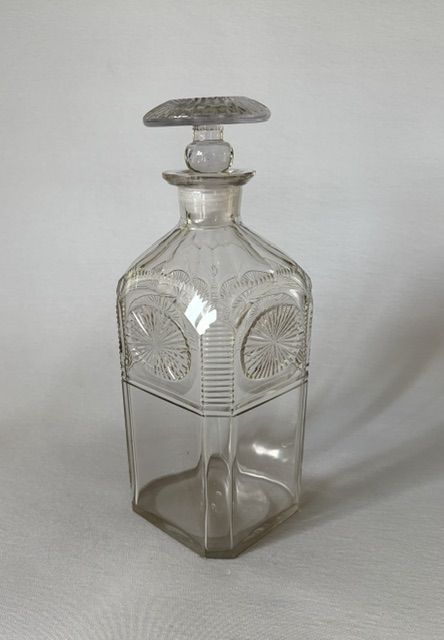
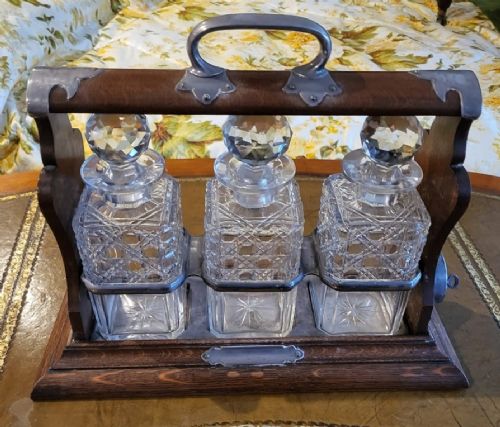
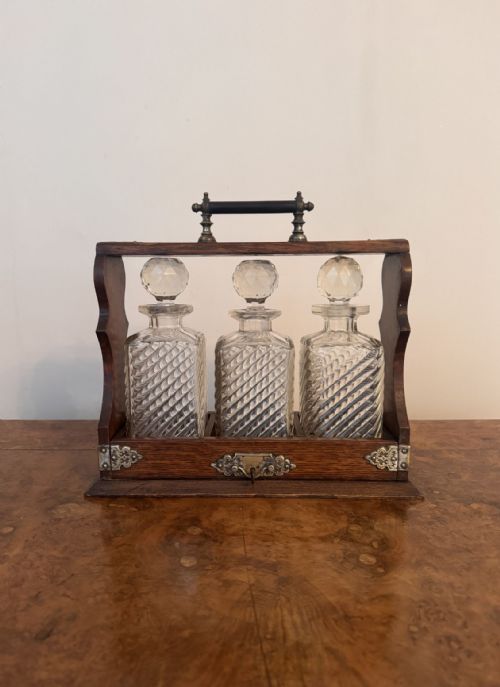
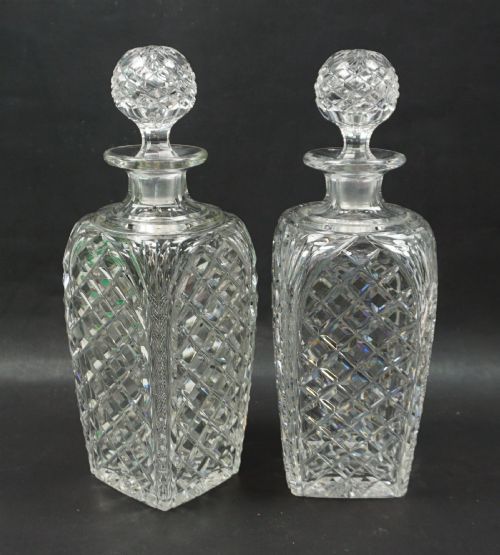
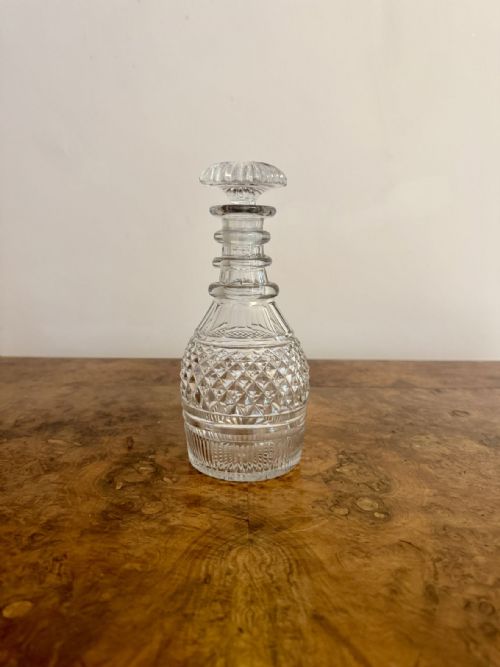
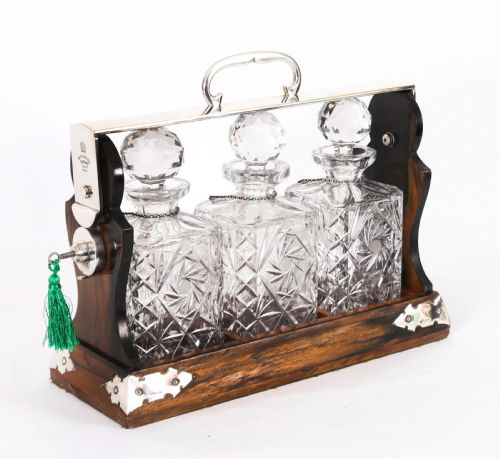
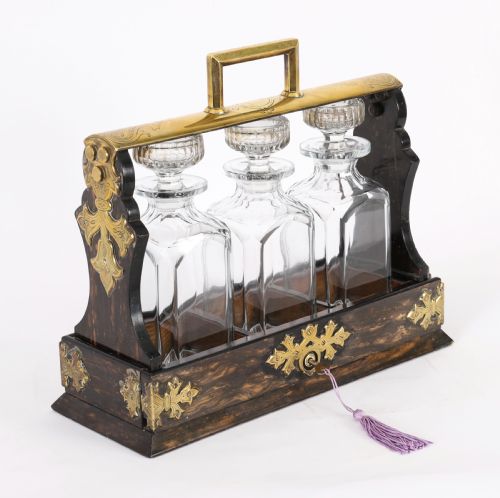
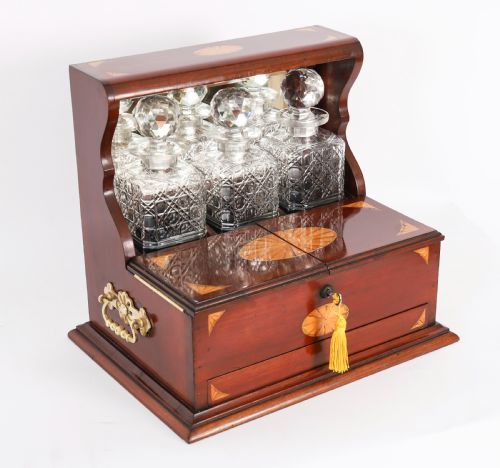
Forms range from small Georgian dram glasses and robust Victorian whisky tumblers to early twentieth-century sets. Many pieces arrive as part of larger barware groupings, including square section tapered decanters, spirit barrels, and fitted oak or coromandel tantalus cabinets.
Materials and construction methods
Makers utilised heavy lead crystal and cut glass, shaping vessels through blowing and deep wheel-cutting to achieve sharp facets that refract light. Frames and mounts incorporate oak, coromandel, brass, and silver plate to house decanter sets securely.
Silver collars, hallmarked mounts, and inlaid satinwood often complete the housing for these glass pieces, reflecting high standards of period craftsmanship.
Antique Crystal Whiskey Glasses Retail Price Guide 2026
Typical asking prices for crystal whiskey glasses among the pieces listed under this phrase on Sellingantiques today, from the lower quarter to the upper quarter. They describe what is for sale here now, not the wider market.
Listings feature periods spanning from the Georgian era through Victorian, Edwardian, and Art Deco, utilising cut glass, lead crystal, oak, and silver plate.
Factors determining quality
Quality rests upon the crispness of the glass cutting, the depth of the wheel work, and the purity of the lead crystal. Superior vessels exhibit sharp, clean facets without surface ripples, paired with substantial physical weight.
The secondary materials matter just as much, seen in the tight joinery of oak and coromandel tantalus frames, substantial silver collars with clear hallmarks, and undamaged glass rims free from deep chips.
James Powell
The Antique Crystal Whiskey Glasses Glossary
- Lead crystal
- Glass containing metallic oxide to increase brilliance, weight, and the ring of the material when struck. This higher density allows for deeper and sharper cutting.
- Tantalus
- A locked cabinet holding decanters that prevents guests from pouring drinks without a key. The wooden frame secures the stoppers in place until unlocked.
- Dram glass
- A small historical drinking vessel intended for a single measure of spirits. They often feature thick bases and Georgian cut decoration.
- Blaze cut
- A specific pattern of wide, flat facets cut into glass that creates a bold, reflective surface. It appears on Georgian and Regency drinking vessels.
- Square section
- A bottle or decanter body shaped with four flat sides rather than a round profile. This geometric form often appears in Edwardian and earlier barware.
Antique Crystal Whiskey Glasses: Frequently Asked Questions
Were these glasses used only for whiskey?
While often termed whiskey tumblers or dram glasses, historical drinking vessels accommodated various spirits depending on the host's preference and the occasion. Matched decanter sets frequently served multiple liquors.
Specific labelling appeared on some vessels, such as engraved decanters marked for whisky or brandy, though owners filled them according to their needs.
How can I tell Victorian glasses from Edwardian ones?
Victorian pieces tend to feature heavier, deeper cutting and robust proportions, reflecting the ornamented tastes of the nineteenth century. Edwardian examples often display lighter, more restrained cutting styles.
Examining any accompanying silver collars or fitted boxes for hallmarks provides a reliable date for the manufacture period.
What is a tantalus set?
A tantalus is a locking wooden frame, typically made from oak or coromandel with brass or silver-plated mounts, designed to secure decanters of spirits. The mechanism traps the glass stoppers so the bottles cannot be removed until the lock is opened.
Introduced in the Victorian period, these units allowed hosts to display fine glassware in the dining room while restricting access to the contents.