

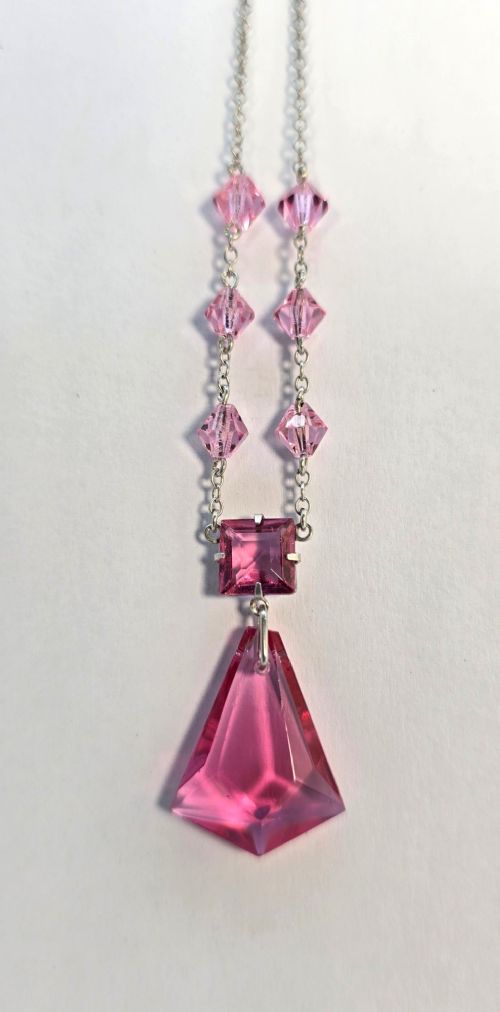


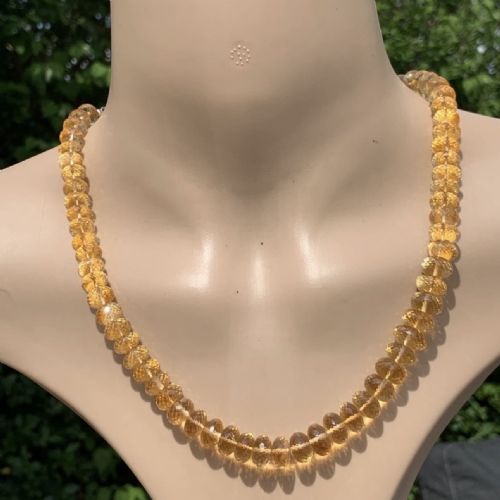
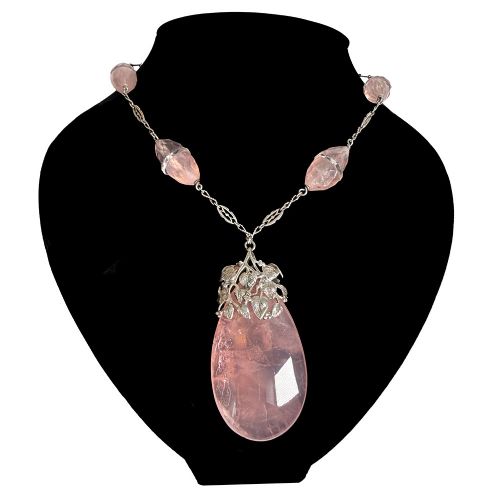


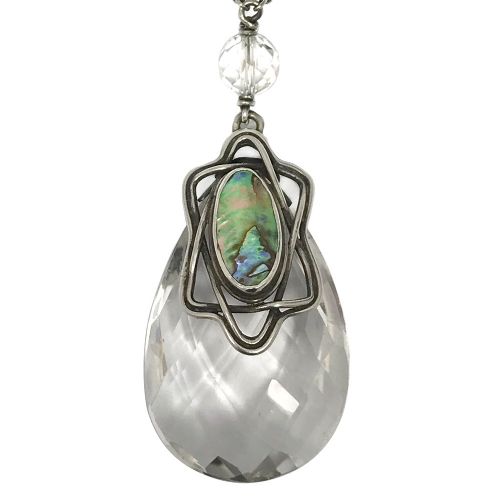

Antique Crystal Necklace
An antique crystal necklace brings together historical hand-cut stones and precious metal settings, offering wearable heritage for the discerning collector.
Antique Crystal Necklace
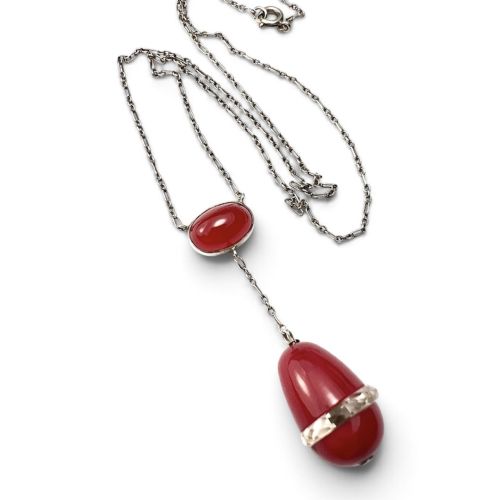
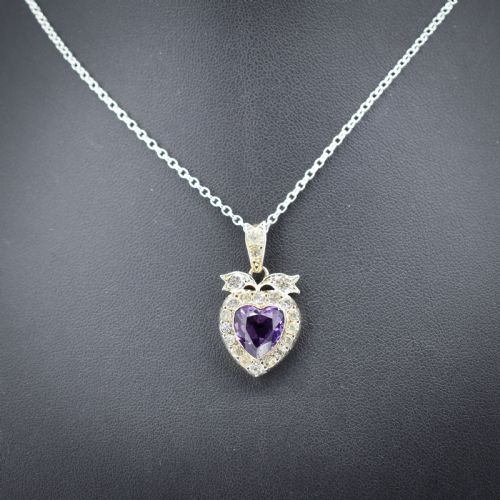
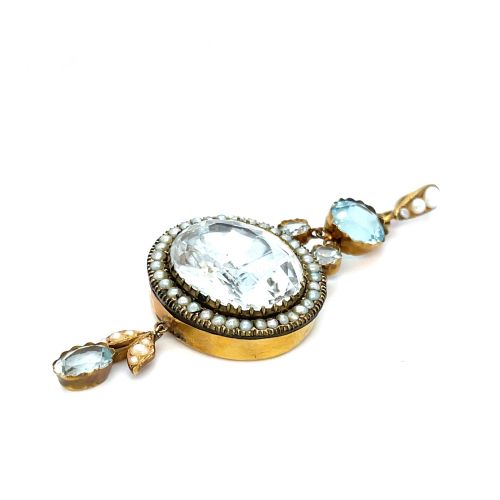
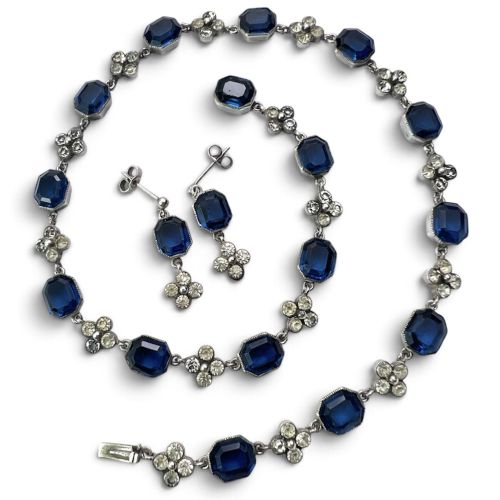
When you search for an antique crystal necklace, you encounter pieces spanning from the Victorian era through the Edwardian period and into the Art Deco decades. These items range from simple drop pendants to elaborate suites that combine rock crystal with coloured stones and pearls.
The most common examples on this page are silver and gold necklaces featuring rock crystal, paste glass, or rose quartz. They appear in styles including Arts and Crafts, Art Nouveau, and geometric Art Deco designs.
Makers and designers from these movements utilised natural crystals and foil-backed pastes to create sparkling focal points for necklines. Each piece reflects the aesthetic of its decade, from romantic Victorian lockets to clean-lined 1920s drops.
Materials and construction
Craftsmen set rock crystal, paste, and coloured glass into mounts of silver, 9ct gold, 15ct gold, and gold gilt. Metals were frequently worked into filigree or cast into specific floral and geometric shapes to frame the central stones.
Stones were hand-cut and occasionally foil-backed to enhance their optical depth and reflection in candlelight or gaslight. Links were hand-assembled, and chains were often matched to pendants with integrated pearls and marcasite details.
Antique Crystal Necklace Retail Price Guide 2026
Typical asking prices for crystal necklace among the pieces listed under this phrase on Sellingantiques today, from the lower quarter to the upper quarter. They describe what is for sale here now, not the wider market.
Secret compartments in filigree lockets once hid tiny painted portraits or locks of hair from secret admirers.
Judging quality and execution
Quality in an antique crystal necklace depends upon the precision of the stone cutting and the integrity of the metalwork. Hand-cut facets that align neatly demonstrate superior workmanship compared to mass-produced or later replacement stones.
The weight and gauge of the silver or gold setting also distinguish finer pieces, as does the retention of original components such as safety chains, clasps, and matching chains. Attributed or signed pieces from known workshops carry distinct structural and artistic merit.
Amy Sandheim·George Hunt
The Antique Crystal Necklace Glossary
- Rock crystal
- A colourless, transparent variety of quartz used historically as a diamond substitute or prized for its own clear brilliance. It is hand-cut and polished into facets or cabochons.
- Foil back
- A technique where a thin sheet of reflective metallic foil is placed behind a transparent stone within its setting to increase sparkle. This method is common in Victorian and earlier jewellery.
- Riviere necklace
- A continuous line of similarly sized or graduated gemstones or crystals linked closely together. These pieces sit flat against the collarbone.
- Sautoir
- A long necklace, popular during the Edwardian and Art Deco periods, often featuring a pendant drop at the base. They were designed to hang low below the bust line.
Antique Crystal Necklace: Frequently Asked Questions
How do I date an antique crystal necklace?
Dating relies on stylistic markers, metal types, and cutting techniques. Victorian pieces often feature closed-back settings and romantic motifs, while Art Deco examples display geometric lines and platinum or white metal accents.
Examining the clasp type and the construction of the link connections also helps narrow the decade of manufacture. Hallmarks on the metal provide definitive manufacturing years where present.
What is the difference between rock crystal and glass paste?
Rock crystal is a natural mineral quartz that feels cool to the touch and resists scratching by steel. Glass paste is a manufactured lead glass that is moulded or cut into shape.
Under magnification, paste may show tiny air bubbles or softer facet edges, whereas natural rock crystal maintains sharp facet junctions and natural inclusions.
How should I care for historical crystal jewellery?
Historical necklaces require gentle handling, avoiding harsh ultrasonic cleaners or chemical dips that can damage foil backs or delicate metal settings. Cleaning should be done with a soft, dry cloth.
Store pieces individually in padded boxes to prevent stones from scratching each other or tangling delicate chains.
Can I wear an antique crystal necklace daily?
While durable, antique pieces benefit from mindful wear due to their age and delicate settings. Avoid wearing them during physical activities or exposing them to perfumes and lotions.
Checking the security of the claw settings and spring rings periodically ensures the necklace remains safe during regular outings.