



Antique Crystal Jewellery
Antique crystal jewellery brings together centuries of light-catching paste, rock crystal, and silver, offering a brilliant touch of history.
Antique Crystal Jewellery
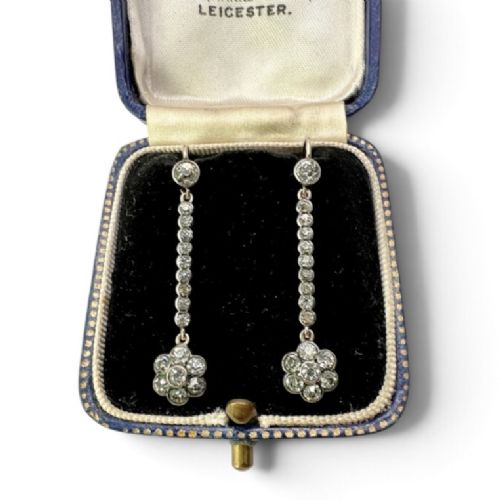
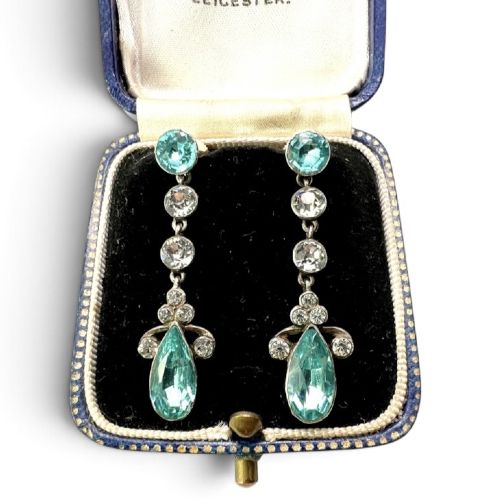
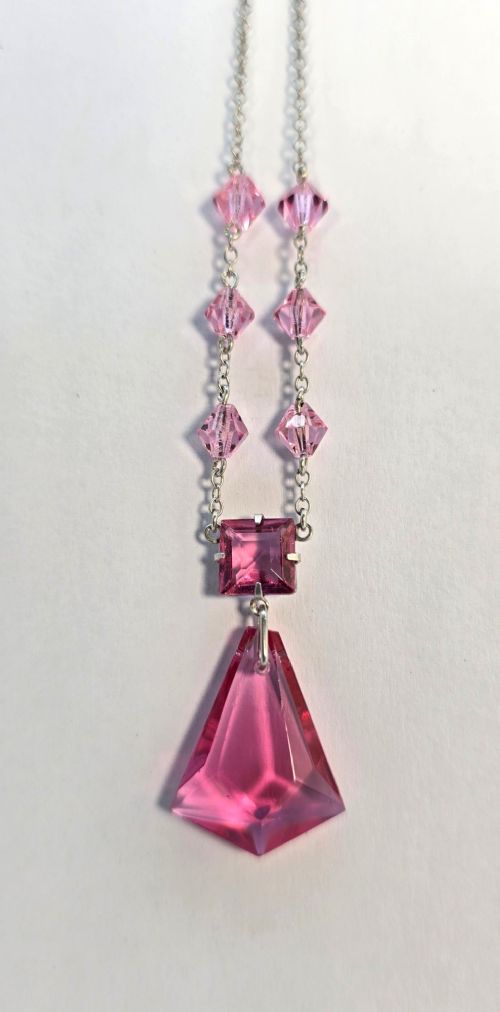
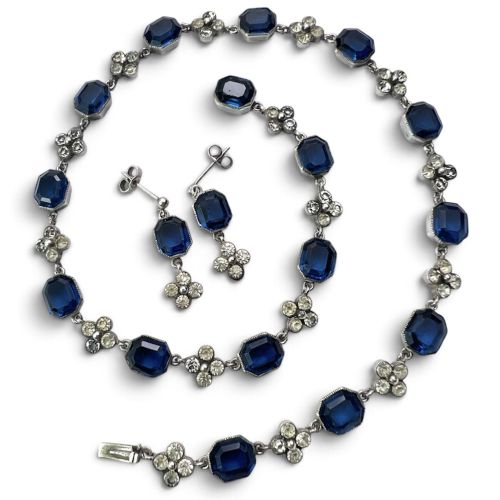
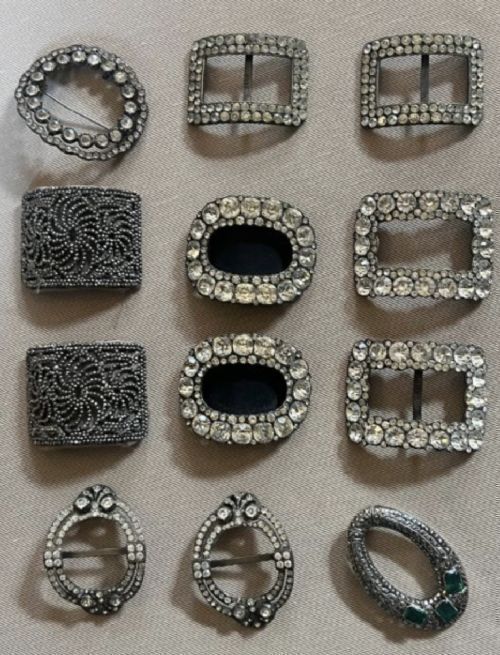
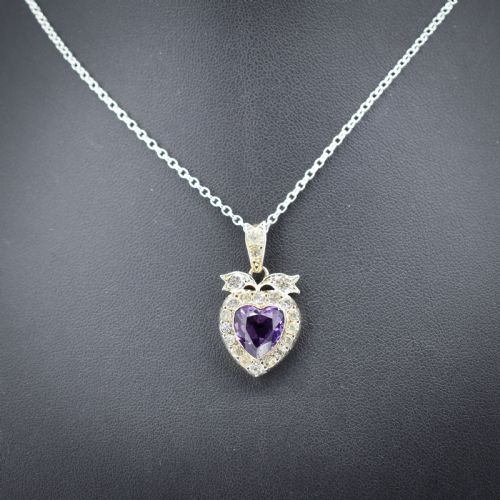
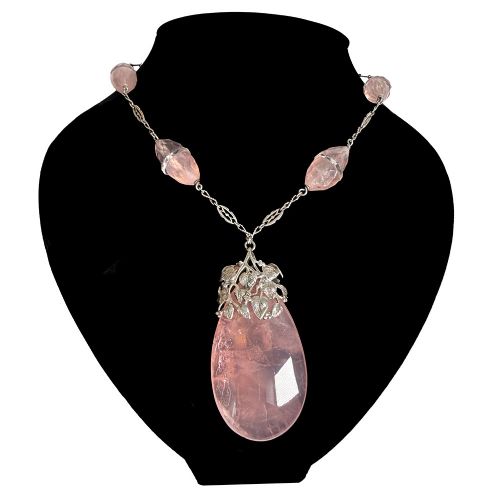
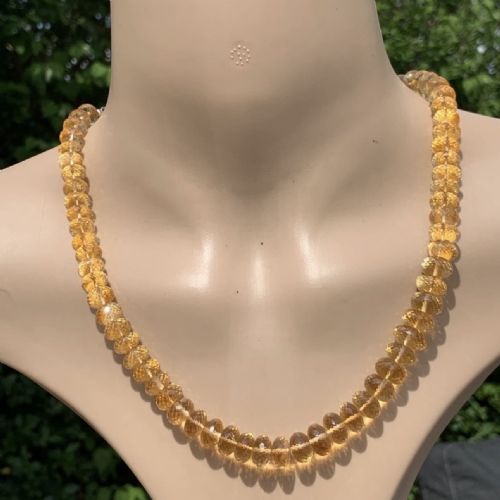
Antique crystal jewellery encompasses everything from intricate Georgian shoe buckles and Victorian foil-backed pendants to geometric Art Deco necklaces. Buyers seeking antique crystal jewellery most often encounter Victorian silver-mounted pieces and 1920s geometric necklaces set in silver or gold.
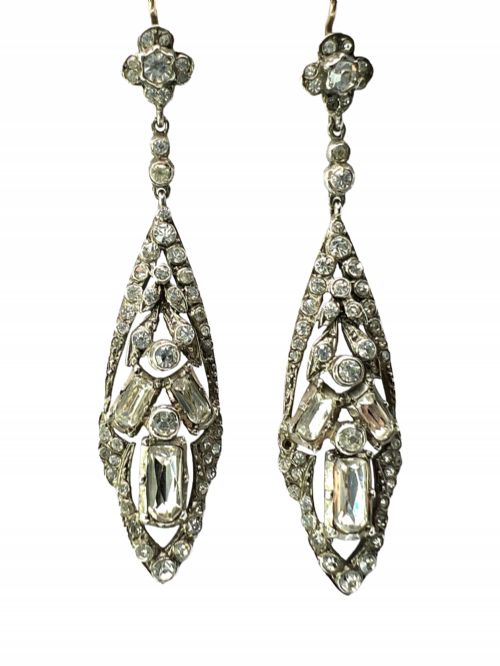
The selection spans numerous decades, featuring Edwardian cut glass trinket boxes alongside mid-century silver bracelets and drop earrings. Each period brings distinct metalwork techniques and stone cuts that define the character of the piece.
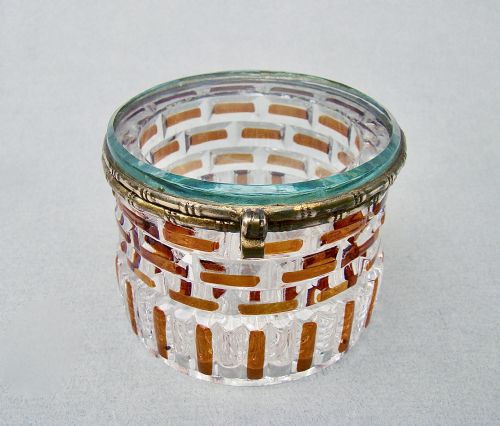
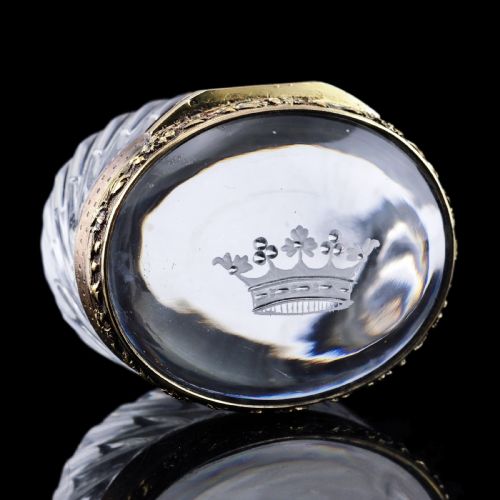
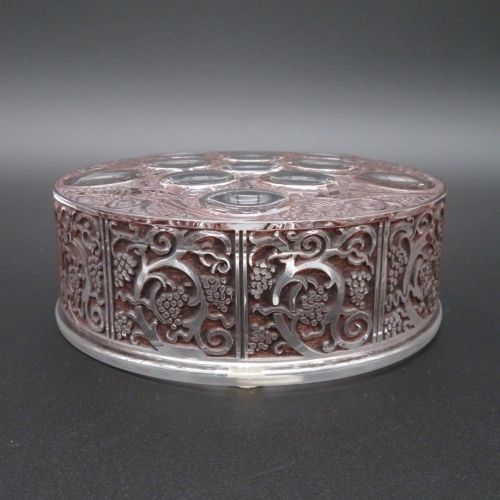
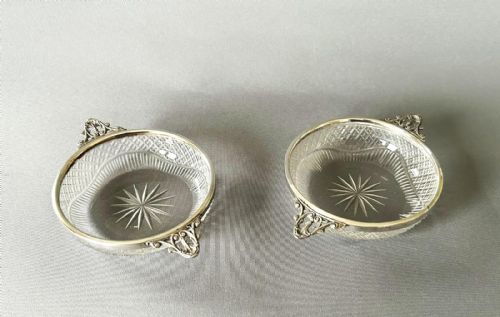
Beyond wearable adornments, the category extends to functional objects such as French crystal powder boxes, vanity cases, and silver-topped trinket dishes. These utilitarian items share the same meticulous facet-cutting and precious metal mounts found in personal ornaments.
Materials and Technique
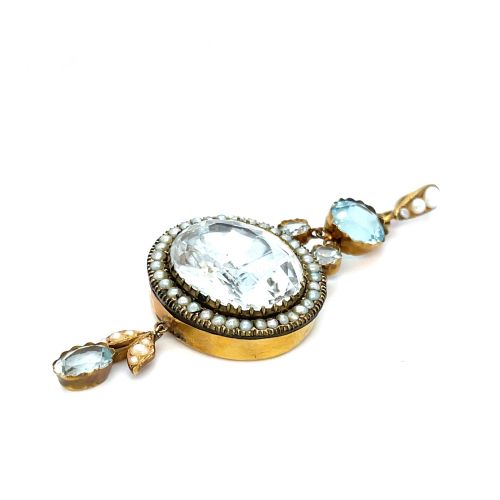
Maker's workshops utilised sterling silver, 9ct gold, and silver-gilt as structural mounts for hand-cut rock crystal, paste glass, and lead crystal. Stones were frequently foil-backed to enhance reflectivity, particularly in Georgian and Victorian examples.
Metalworking techniques relied heavily on fine filigree wirework, bezel settings, and pavé arrangements of marcasite or small paste stones to secure the central crystals. Boxes and vanity items integrated hinged frames, often marked by continental silversmiths with detailed coronets or maker's punches.
Antique Crystal Jewellery Retail Price Guide 2026
Typical asking prices for crystal jewellery among the pieces listed under this phrase on Sellingantiques today, from the lower quarter to the upper quarter. They describe what is for sale here now, not the wider market.
Intaglio seal rings from the collection bear the likeness of William Shakespeare, carved directly into the hard stone.
Distinctions in Execution
The standard of cutting and clarity in the crystal or paste dictates the visual depth of the piece, with hand-faceted stones displaying crisper light refraction than moulded alternatives. Superior items maintain secure, original claw or bezel settings without evidence of heavy stone replacement.
Amy Sandheim·Posen of Frankfurt and Berlin·Asprey
The Antique Crystal Jewellery Glossary
- Rock crystal
- Naturally occurring colourless quartz that artisans hand-cut and polish for use in jewellery and decorative boxes. It offers greater durability and brilliance than standard glass.
- Paste glass
- High-lead content glass moulded and polished by hand to imitate precious gemstones. Georgian and Victorian paste stones were often individually faceted and foil-backed.
- Foil back
- A reflective metallic sheet placed behind a transparent stone within its setting to increase sparkle and alter perceived colour. This technique is common in older paste and quartz jewellery.
- Silver-gilt
- Sterling silver that has been coated with a thin layer of gold, providing the warmth of gold alongside the structural support of silver. This finish appears frequently in Edwardian and Victorian drops.
- Riviere necklace
- A continuous strand of identically or progressively cut gemstones linked closely together. These pieces were fashionable across the Georgian and Edwardian periods.
Antique Crystal Jewellery: Frequently Asked Questions
How do I clean antique crystal jewellery?
Use a soft cloth dampened with warm soapy water, avoiding harsh chemical dips that can damage foil backs or degrade old metal settings.
Dry the pieces thoroughly immediately after cleaning to prevent moisture from entering behind closed-back stones.
Can I wear antique crystal daily?
These pieces require gentle handling, particularly items with foil-backed stones or delicate silver filigree work that may catch on clothing.
Removing jewellery before swimming, sleeping, or applying cosmetics preserves both the stones and the precious metal mounts.
What defines Art Deco crystal jewellery?
Art Deco pieces favour geometric symmetry, sharp angles, and strong contrasts between clear crystal, black onyx, and polished white metals.
Designs from this period embrace streamlined aesthetics inspired by modern architecture and machine age precision.