


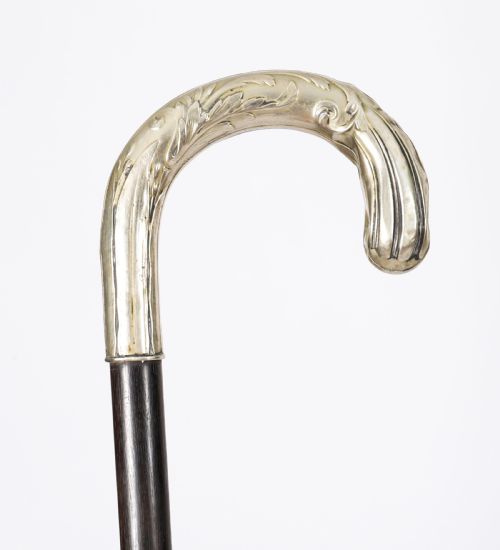


Antique Crook Cane
An antique crook cane offers both dependable support and concealed utility, drawing collectors for its blend of period craftsmanship and covert design.
Antique Crook Cane
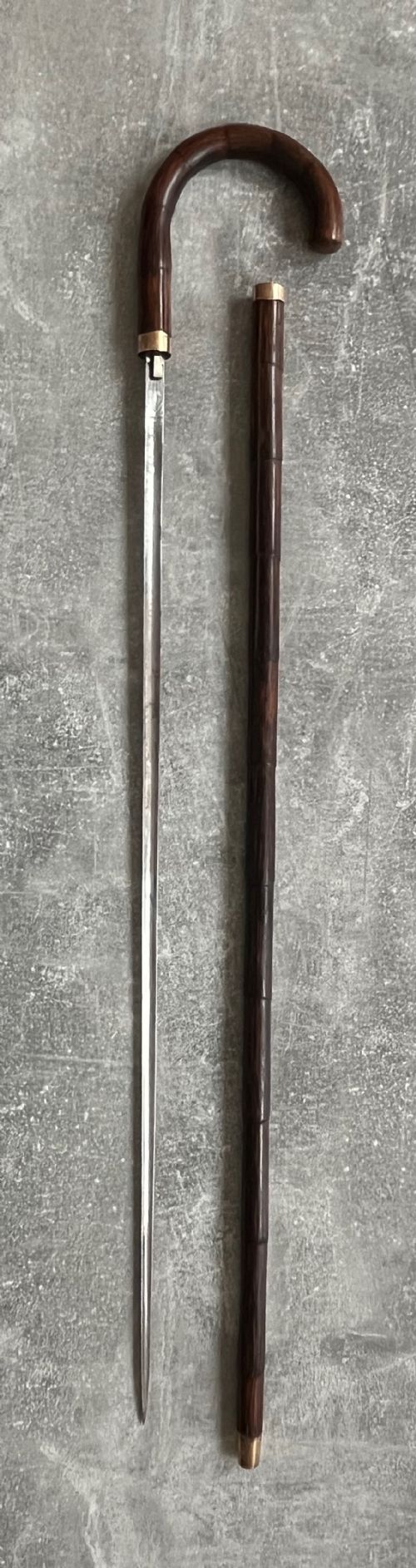
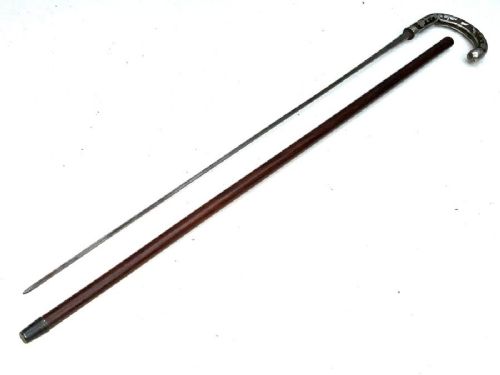
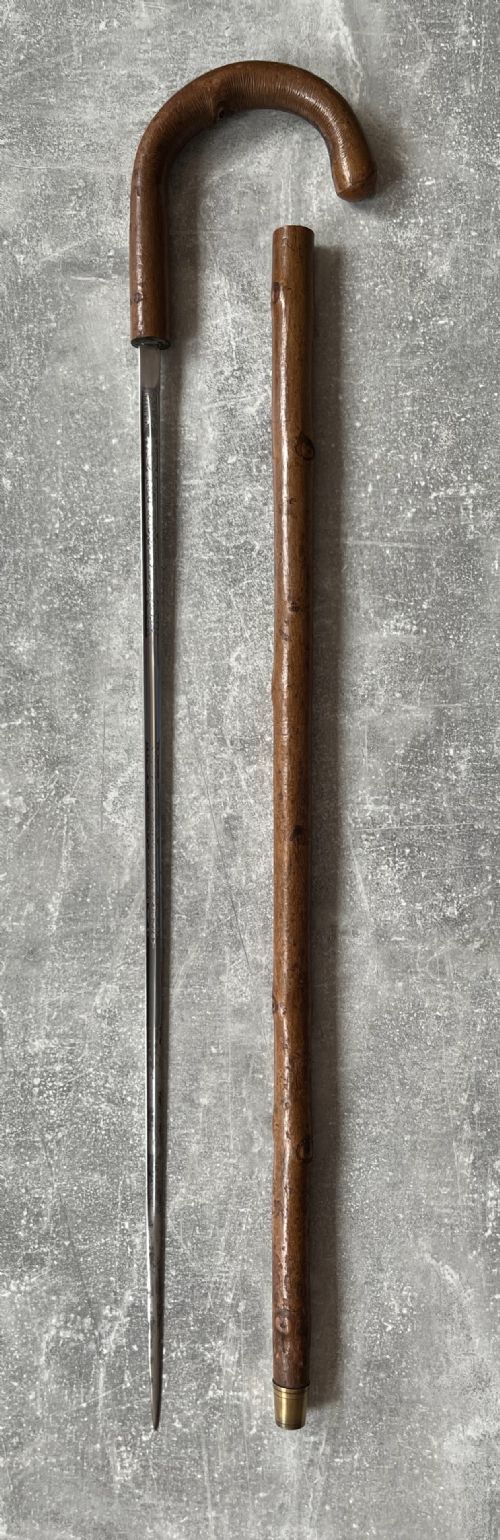
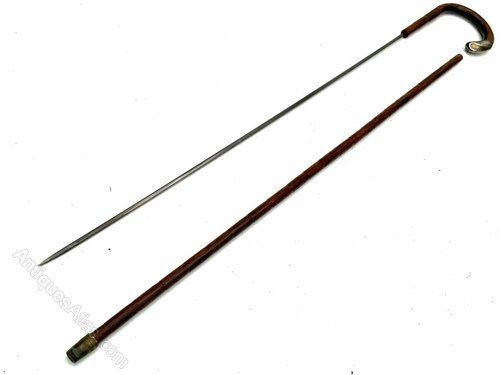
An antique crook cane takes the traditional curved handle form and pairs it with various woods, metals, and occasional hidden blades.
The pieces on this page span the Victorian, Edwardian, and Art Nouveau periods, taking the form of walking sticks and sword sticks.
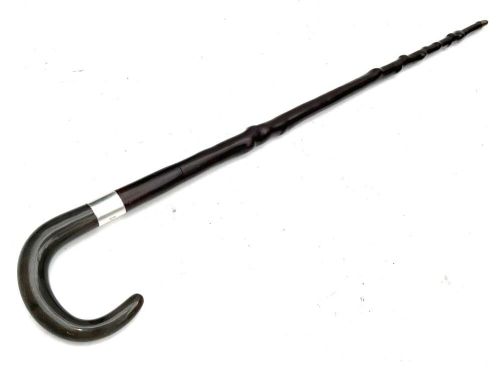
Makers utilised timber shafts like partridge wood, malacca, cherrywood, and hazel wood, often fitted with silver mounts, brass, or steel.
How they were made
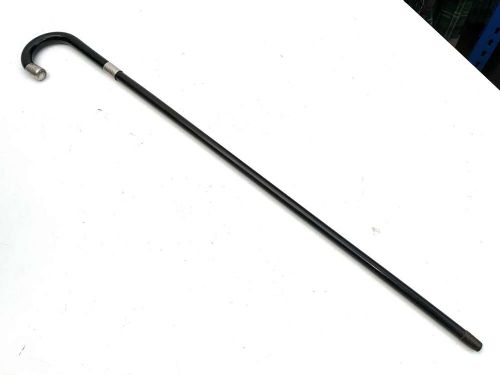
Shafts rely on dense timbers such as partridge wood, malacca, and ebonised oak, selected for durability and finished with natural grains.
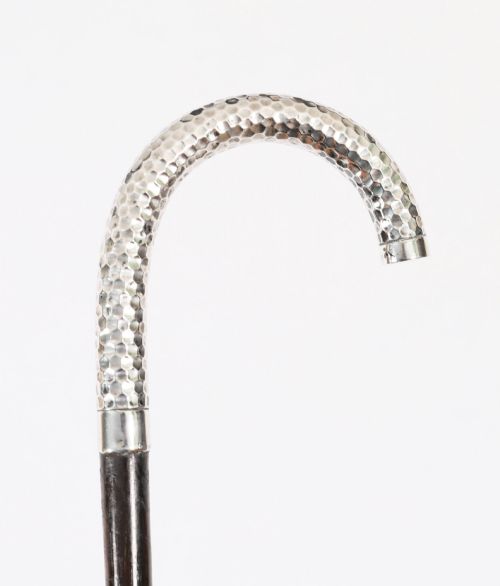
Handles and mounts incorporate worked silver, silver plate, brass, steel, carved stag horn, and horn, attached via collars or direct shaping.
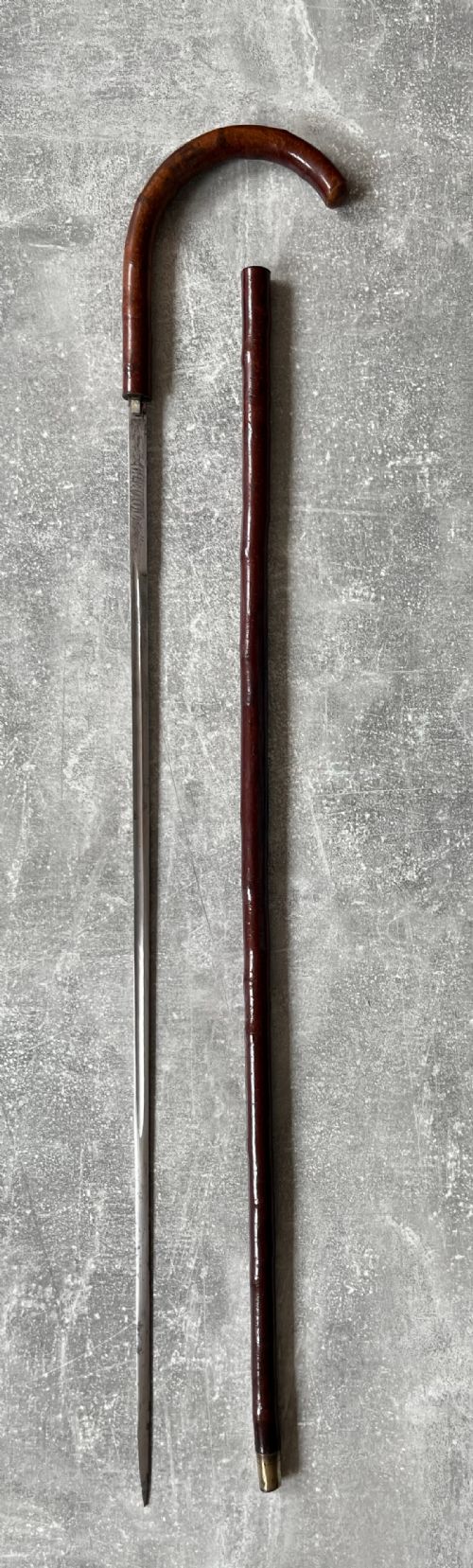
Bladed variants integrate Toledo and Wilkinson blades concealed within the wooden shafts, requiring precise joinery.
Antique Crook Cane Retail Price Guide 2026
Typical asking prices for crook cane among the pieces listed under this phrase on Sellingantiques today, from the lower quarter to the upper quarter. They describe what is for sale here now, not the wider market.
Listings include Victorian, Edwardian, and Art Nouveau periods, with materials ranging from malacca and partridge wood to silver and steel.
What varies in quality
Quality rests in the integrity of the timber shaft, the weight of the metal mounts, and the snugness of fit where the handle meets the body.
Makers varied the complexity of external decoration, ranging from plain wooden crooks to embossed silver handles and carved stag horn.
Bladed pieces are distinguished by the maker and origin of the steel, such as Toledo or Wilkinson blades housed securely inside the cane.
BRIGG·Wang Hing & Company·Wilkinson
The Antique Crook Cane Glossary
- Crook handle
- A curved handle shaped like a shepherd's crook, designed for hooking over the arm or hand.
- Sword stick
- A walking stick with a concealed blade hidden inside the wooden shaft.
- Partridge wood
- A dense, heavily patterned tropical timber utilised for strong walking stick shafts.
- Malacca
- A smooth, spotted rattan cane imported from Southeast Asia and prized for walking sticks.
- Silver mount
- A decorative or reinforcing sleeve of silver fitted around the collar or handle of a stick.
Antique Crook Cane: Frequently Asked Questions
What materials are used in antique crook canes?
These canes utilise woods such as partridge wood, malacca, cherrywood, hazel wood, and ebonised oak for the shafts.
Handles and collars incorporate silver, silver plate, brass, steel, horn, and carved stag horn.
How do I identify a sword stick?
A sword stick looks like a standard walking stick but conceals a steel blade within the shaft.
Many examples feature makers' marks or specific blade origins such as Toledo or Wilkinson.
What periods do these canes date from?
The pieces span the nineteenth and early twentieth centuries, covering the Victorian and Edwardian eras.
Specific listings date across the 1870s, 1890s, 1900s, and 1910s.
Are all crook canes curved?
Most crook canes feature the characteristic curved handle designed for easy carrying over the arm.
Other variations on this page include straight handles made from horn, silver, or carved stag horn.