




Antique Crested Spoons
These antique crested spoons carry family coats of arms and private heraldry, offering a tangible link to past lineages.
Antique Crested Spoons
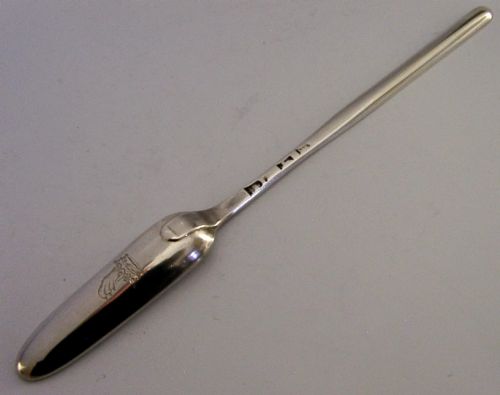
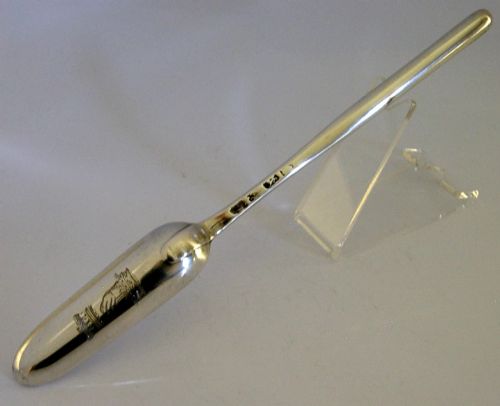
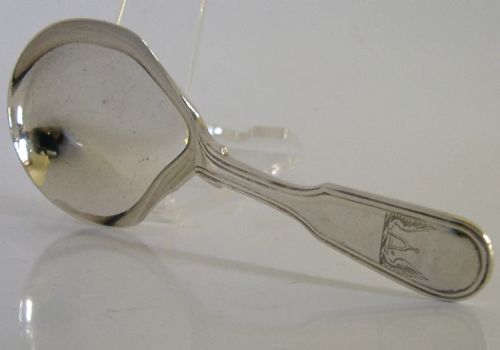
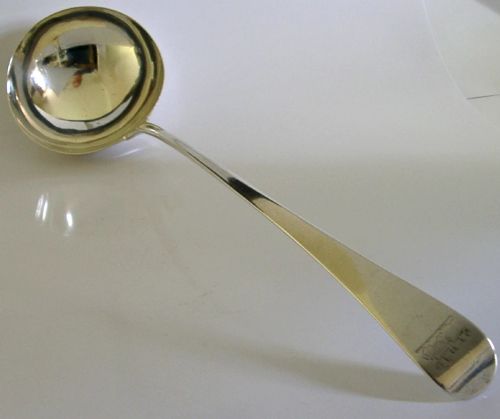
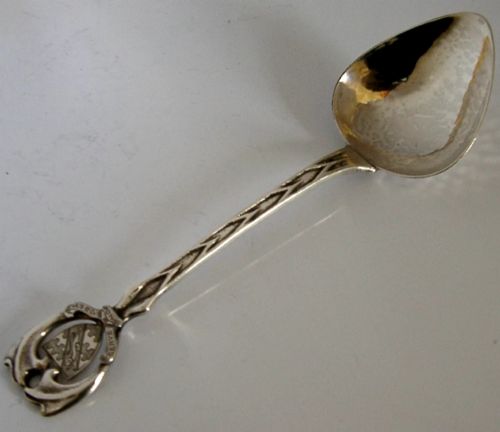
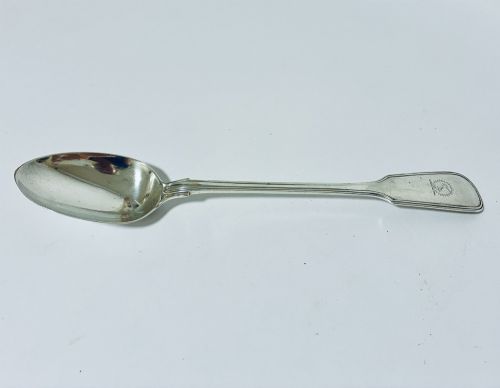
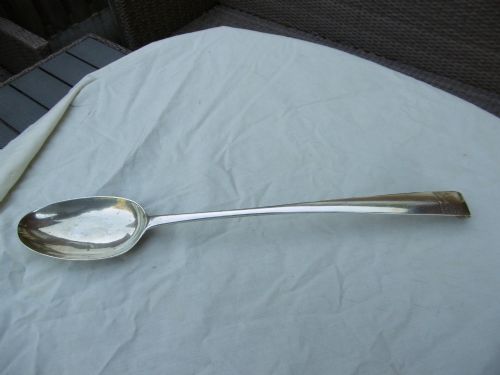
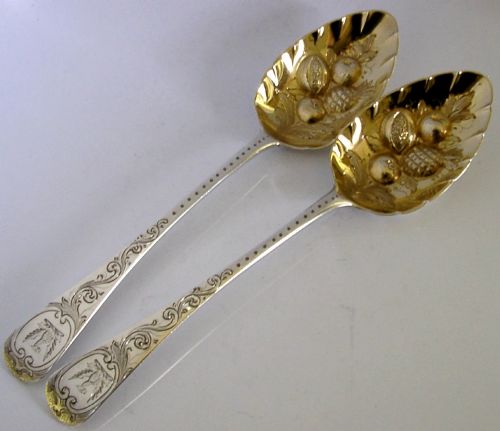
When you search for antique crested spoons, you are looking at flatware and serving utensils engraved with personal coats of arms, crests, or mottoes. The examples on this page span the eighteenth and nineteenth centuries, including Georgian and Victorian periods, alongside specific forms such as caddy spoons, soup ladles, and basting spoons.
The most common versions met here are sterling silver tablespoons and serving spoons bearing family heraldry from the Georgian era. These pieces range from Hester Bateman ladles to Irish soup ladles and Queen Anne dognose tablespoons, reflecting domestic dining traditions across Britain and Ireland.
What varies in quality
The distinction between standard and superior pieces rests largely on the crispness and depth of the hand-engraved crest. Crisp heraldry cut by a skilled hand retains sharp detail, whereas worn engraving softens through decades of polishing.
Weight, gauge of silver, and maker attribution also govern standing within the range. Heavy items with documented provincial or maker marks hold greater substance than lighter, unmarked equivalents.
Antique Crested Spoons Retail Price Guide 2026
Typical asking prices for crested spoons among the pieces listed under this phrase on Sellingantiques today, from the lower quarter to the upper quarter. They describe what is for sale here now, not the wider market.
Listings span the 17th, 18th, 19th, and 20th centuries, utilising sterling silver, silver gilt, mahogany, brass, and wood.
Hester Bateman·John Craig·Michael Smith·J Ladyman
The Antique Crested Spoons Glossary
- Crest
- The specific heraldic device belonging to a family, usually placed above the shield on a coat of arms. It is the primary decorative element found on these spoons.
- Sterling silver
- An alloy of silver containing ninety-two point five percent pure silver and seven point five percent other metals, mostly copper. This standard metal forms the bulk of the cutlery listed.
- Silver gilt
- Sterling silver that has been coated with a thin layer of gold on the surface. This technique provides a rich, two-tone appearance often seen on specialised spoons.
- Dognose spoon
- An early form of flatware with a rounded, notched terminal popular around the turn of the eighteenth century. It represents an evolution from the slip-top and trifid styles.
Antique Crested Spoons: Frequently Asked Questions
How do I identify a family crest on a spoon?
Family crests are typically hand-engraved onto the upper terminal or reverse of the handle. You can research the specific heraldic symbols, such as animals or coronets, against armorial records to trace the original owning family.
Many spoons also include maker marks and town marks nearby, which help narrow down the geographic origin and date of the engraving.
What is the difference between a tablespoon and a serving spoon?
Antique tablespoons from the Georgian and Victorian periods are noticeably larger than modern equivalents, often functioning as serving pieces. Dedicated serving spoons and ladles, however, feature significantly broader bowls designed for dishing food.
Soup ladles and basting spoons represent the largest iterations within this category, intended for communal serving bowls and platters rather than individual use.
How should I clean antique silver spoons?
Cleaning antique silver requires a gentle approach to preserve the original patina and the fine lines of the engraved crest. Use a soft microfibre cloth and specialised silver polish designed for antiques, avoiding harsh abrasive dips that strip surface character.
Store the spoons in dry conditions away from direct sunlight, ideally within lined wooden boxes or anti-tarnish rolls to prevent oxidation.
Can I use antique crested spoons for daily dining?
Sterling silver is durable enough for regular use, but antique pieces require careful handling due to their age and historical value. Hand wash them immediately after use with mild soap and warm water rather than placing them in a dishwasher.
Using them for special occasions allows you to experience their balance and weight as intended while minimising wear on the antique silver and delicate heraldic engravings.