

Antique Credenza Base
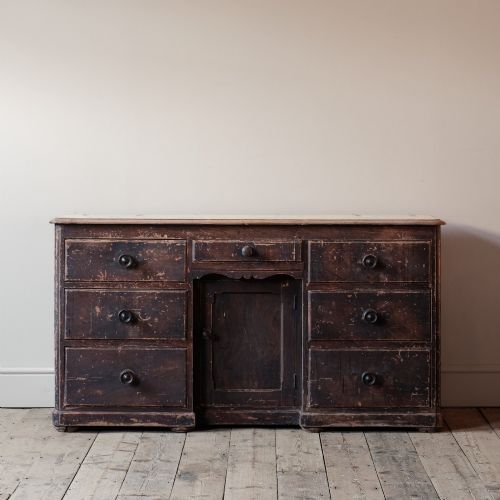
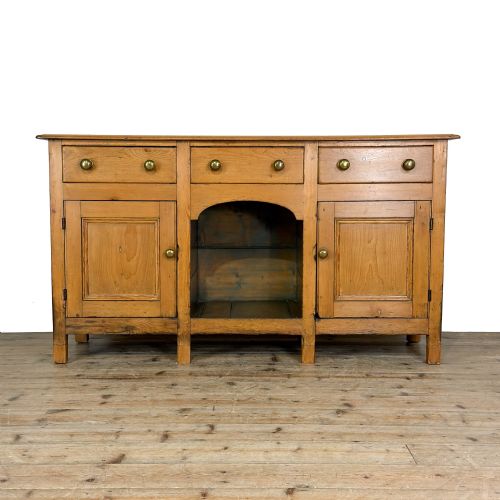
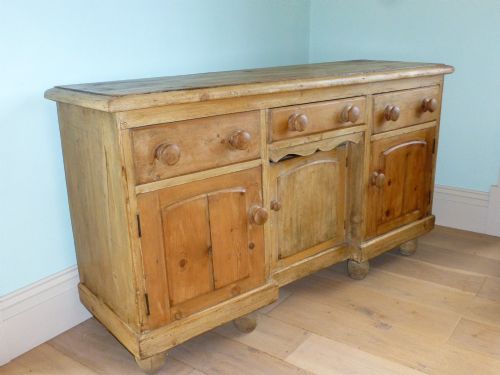
An antique credenza base anchors a dining room or hallway with substantial storage and timber character.
Antique Credenza Base
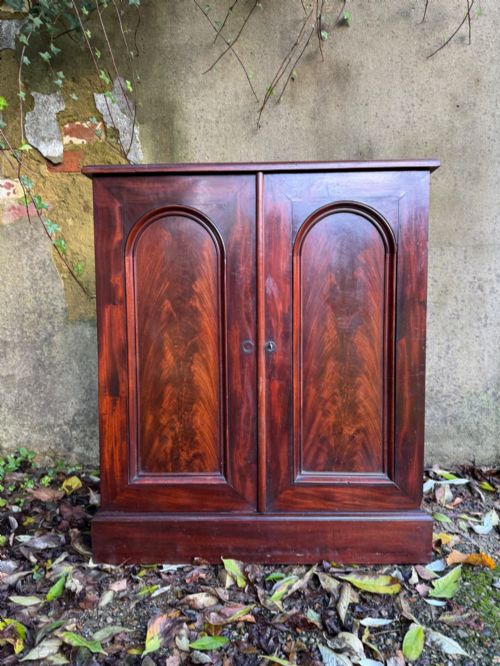
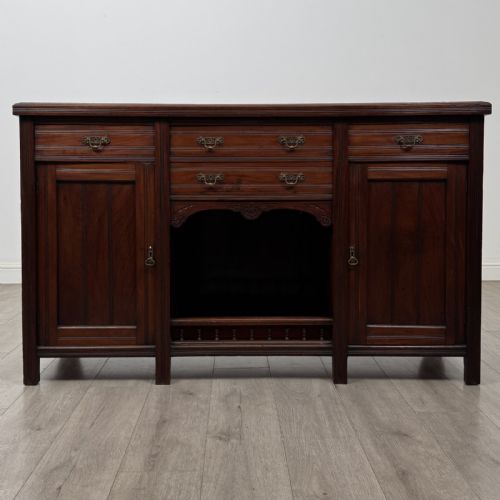
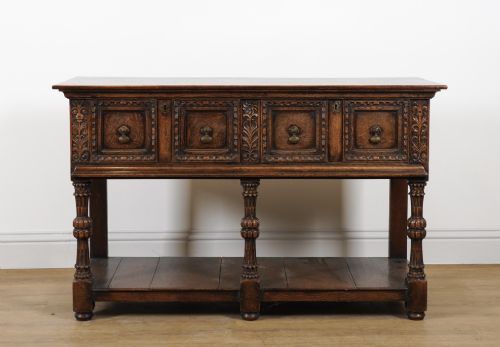
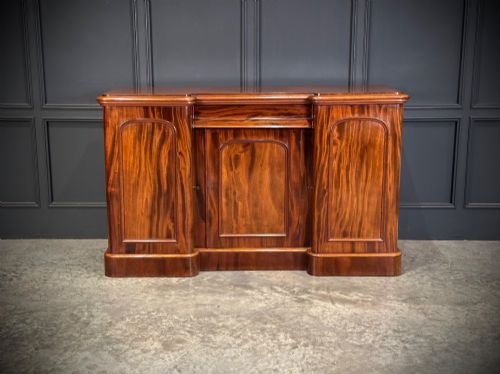
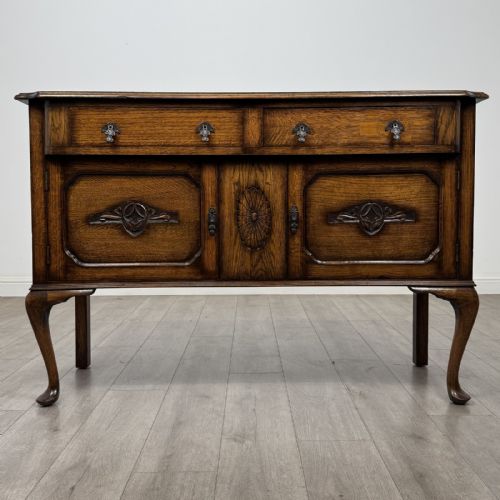
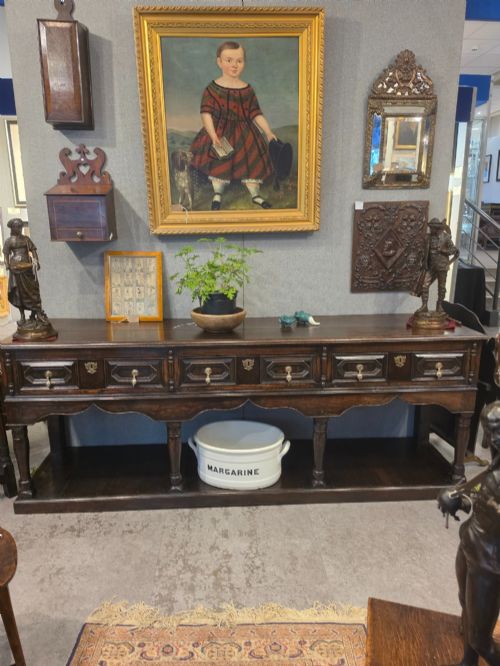
When you search for an antique credenza base, you are looking at sturdy low furniture designed for serving and storage, often taking the form of a dresser base, sideboard, or low cupboard. These pieces provide a long surface top combined with drawers and cupboards below, making them practical for modern living spaces as well as dining rooms.
The versions you are most likely to meet on this page date primarily from the 18th, 19th, and early 20th centuries. Oak and pine dominate the earlier periods, frequently showing regional British vernacular styles like Welsh or Cheshire forms, while later pieces introduce mahogany, walnut, and elaborate carved details.
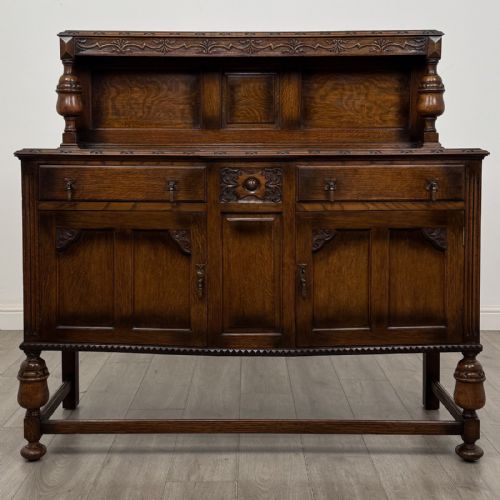
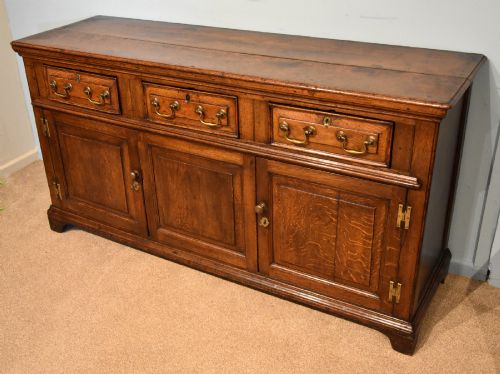
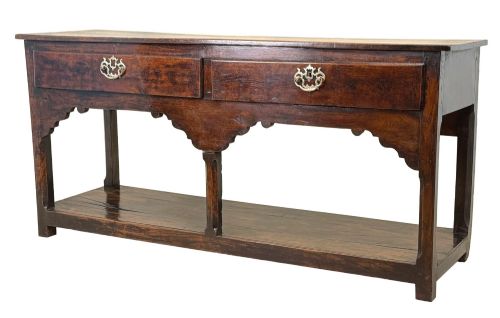
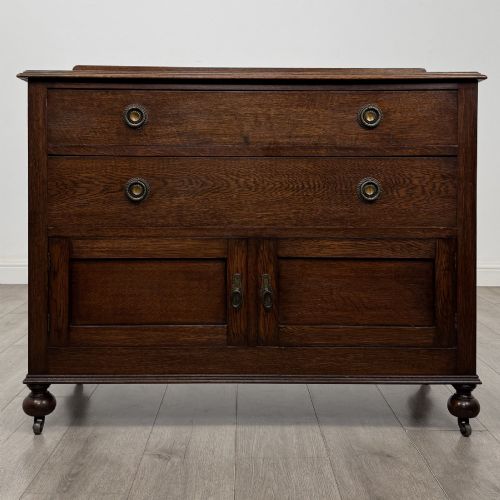
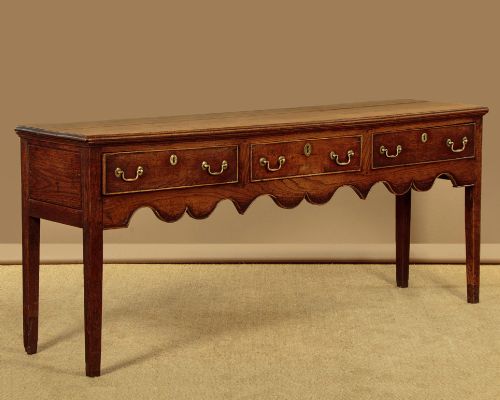
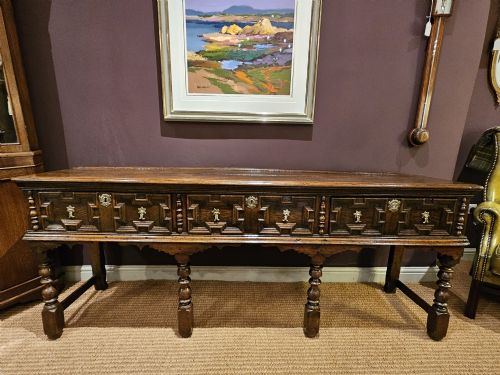
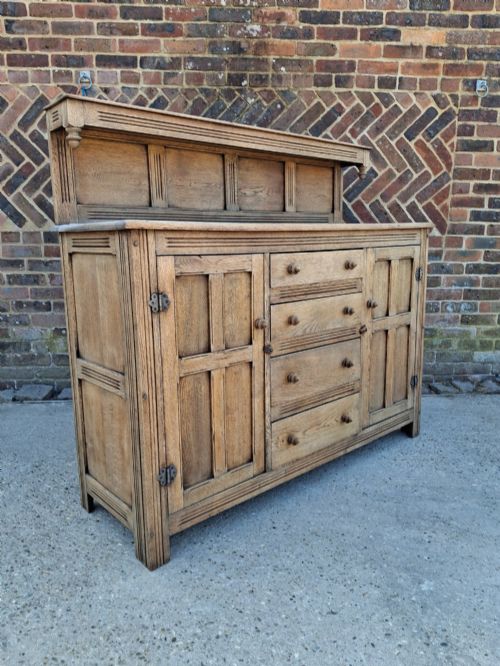
Formations range from long, low 17th-century oak dresser bases with stretcher supports to Edwardian and Victorian iterations featuring raised galleries, panelled doors, and inlaid decoration. Each variation reflects the domestic requirements of its period, from simple farmhouse utility to formal dining room display.
How they were made
Cabinet makers relied on solid timbers like oak, pine, walnut, and mahogany, often pairing structural carcases with decorative veneers such as burr walnut. Joinery techniques included traditional panel construction, hand-cut dovetails for drawer boxes, and pegged mortise and tenon frames on earlier pieces.
Surface ornamentation was achieved through chiselled carving, such as green man motifs and geometric panels, alongside applied mouldings and raised galleries. Original brass handles, drop pulls, and key escutcheons finished the work, while later 19th-century examples incorporated mirror backs and turned legs.
Antique Credenza Base Retail Price Guide 2026
Typical asking prices for credenza base among the pieces listed under this phrase on Sellingantiques today, from the lower quarter to the upper quarter. They describe what is for sale here now, not the wider market.
Styles represented include Georgian vernacular, Victorian, Jacobean Revival, Gothic Revival, Arts and Crafts, and Edwardian cabinet work.
What varies in quality
The distinction between ordinary and exceptional pieces lies in the choice of timber and the crispness of the joinery and carving. Superior examples display well-figured grain, particularly in walnut and oak, with tight joints that have withstood centuries of use without excessive movement or clumsy repairs.
Proportion and originality dictate value among collectors, favouring pieces that retain their original brasses, backboards, and handles without mismatched timber replacements. Finer items exhibit restrained, purposeful carving rather than heavy, indistinct decoration, alongside balanced proportions like narrow depths or unusually long, low lines.
The Antique Credenza Base Glossary
- Dresser base
- A low sideboard comprising drawers and cupboards beneath a flat top, historically used for food preparation and serving in large kitchens. This form omits the upper plate rack entirely.
- Stretcher base
- A configuration of horizontal wooden bars connecting the lower legs of a table or cabinet to provide structural rigidity. These are typical of earlier oak pieces.
- Fielded panel
- A wooden panel with bevelled edges set into a grooved frame, designed to allow the wood to expand and contract naturally with humidity changes. It adds depth and shadow lines to cabinet doors.
- Raised gallery
- A decorative vertical upstand fixed to the rear or sides of a sideboard top to prevent items from sliding off. This feature becomes common in Edwardian and Victorian designs.
- Burr walnut
- Timber taken from a tree growth or burl, yielding swirling, highly figured grain patterns utilised for decorative veneer on high-status cabinet fronts.
Antique Credenza Base: Frequently Asked Questions
What is an antique credenza base?
An antique credenza base is a low, heavy storage unit featuring cupboards and drawers beneath a flat top, originating from various periods and regional cabinet-making traditions. These versatile items served dining rooms and kitchens as serving surfaces and storage.
Today, they function well as sideboards, media consoles, or hallway focal points, providing substantial enclosed storage space while displaying centuries of timber patination.
How do I date an antique credenza base?
Dating relies on examining the timber species, construction methods, hardware, and overall style. Earlier 17th and 18th-century pieces usually feature solid oak with hand-cut joints and pegged frames.
Later Victorian and Edwardian examples introduce softer woods like pine, denser hardwoods like mahogany, machine-sawn elements, and decorative additions such as mirror backs or inlaid details.
Where were these pieces used originally?
These pieces were built for the principal rooms of large houses, farmhouses, and vernacular cottages across Britain. Kitchens and sculleries utilised sturdy pine and oak dresser bases for daily food preparation and utensil storage.
Formal dining rooms employed walnut and mahogany sideboards for serving meals, storing silver, and displaying glassware during dinner parties.
How do I care for antique timber?
Maintaining antique timber requires keeping pieces away from direct heat sources and sudden humidity fluctuations that cause wood to split. Regular dusting with a soft, dry cloth preserves the wax finish.
Applying a traditional beeswax polish occasionally helps nourish the grain and maintain the natural lustre built up over centuries of handling.