





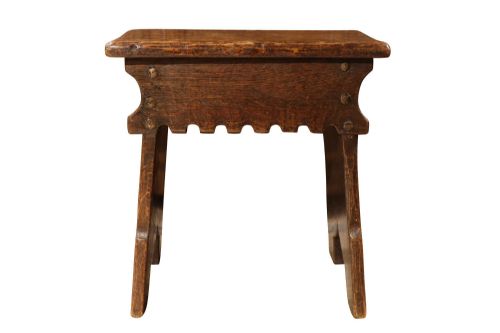


Antique Craft Stool
An antique craft stool brings honest woodwork and period character into a modern room, offering sturdy utility with distinct regional design roots.
Antique Craft Stool
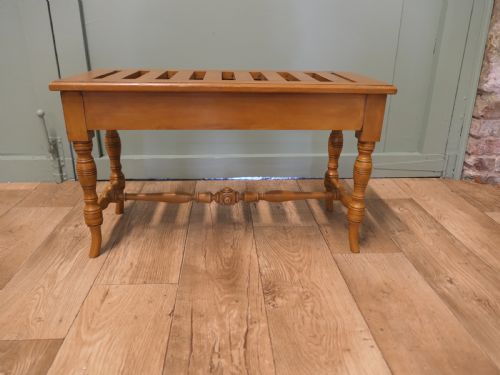
When you search for an antique craft stool, you encounter solid timber seating that often links directly to the late nineteenth and early twentieth-century design movements. These pieces range from simple pegged oak forms to sophisticated variations associated with regional workshops and influential retailers.
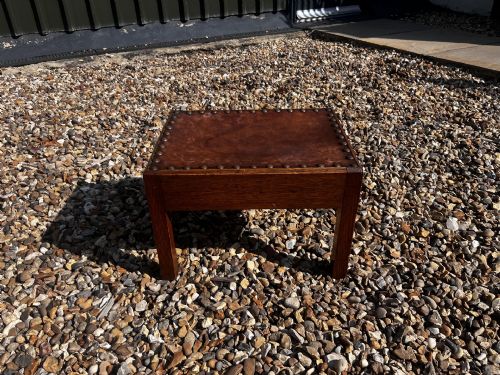
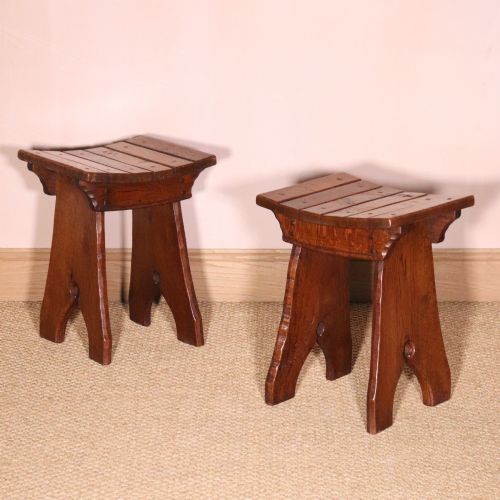
You are most likely to meet oak examples displaying Arts and Crafts ideals, alongside occasional variants in walnut, rosewood, and elm. Forms vary from low footstools and saddle-seated variants to sophisticated metamorphic library chairs and window seats.
How they were made
The construction relies heavily on solid English oak, walnut, and elm, frequently joined using traditional pegged methods rather than modern fixings. Workshops employed hand-tool techniques, including chip carving and turned wood elements, to emphasise the natural grain and structural honesty of the timber.
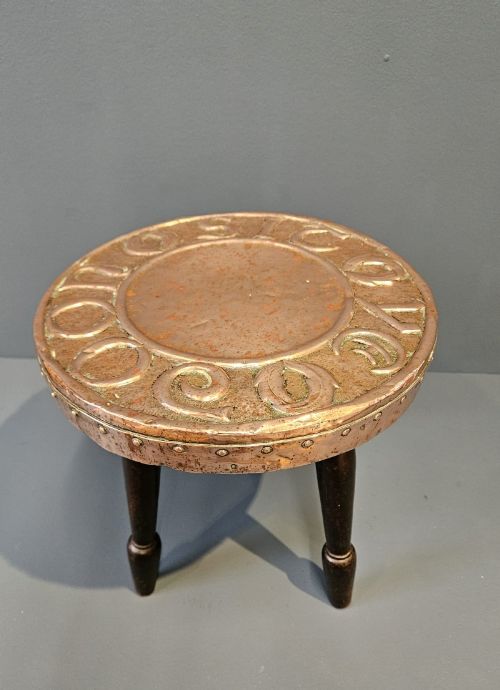
Upholstered versions incorporate materials like leather, fabric, and velvet, sometimes bearing ties to specific design houses such as Liberty or Morris and Co. Brass and metal details appear selectively on metamorphic actions and specialised piano stools, supporting the mechanical function without obscuring the woodwork.
Antique Craft Stool Retail Price Guide 2026
Typical asking prices for craft stool among the pieces listed under this phrase on Sellingantiques today, from the lower quarter to the upper quarter. They describe what is for sale here now, not the wider market.
Current listings feature pieces primarily from the nineteenth century through the 1930s, executed mainly in oak, walnut, and fabric.
What varies in quality
Quality rests primarily in the integrity of the timber selection and the precision of the joinery, distinguishing standard vernacular items from pieces produced by recognised workshops. The depth and execution of hand-carving, such as chip-carved detailing or Celtic motifs, set finer examples apart from plain utility items.
The preservation of original surfaces, including untouched oak patination and authentic period upholstery fabrics like Liberty velvet, dictates the standing of a piece. Mechanical elements on metamorphic library chairs and rise-and-fall piano stools must operate smoothly while retaining their original brass components.
Arthur Simpson Of Kendal·Liberty & Co·Morris & Co·Arthur W Simpson·Simpson Kendall
The Antique Craft Stool Glossary
- Arts & Crafts
- A design movement spanning the late nineteenth and early twentieth centuries that prioritized traditional craftsmanship and simple forms over mass production. It heavily influenced the creation of vernacular furniture and household objects.
- Metamorphic
- Describing furniture designed to transform into an alternative form, such as a low stool that unfolds into library steps. These clever pieces combined utility with space-saving ingenuity in period interiors.
- Pegged Construction
- A method of joining wooden elements using wooden dowels or pins rather than metal nails or modern glues. This traditional technique accommodates natural wood movement and ensures structural longevity.
- Chip Carved
- A decorative woodcarving technique where small chips are removed from a flat surface to create geometric or organic patterns. It frequently decorates small tables and stools from the period.
- Thebes Stool
- An ancient Egyptian-inspired stool design popularized by Liberty & Co. featuring splayed legs and a concave seat.
Antique Craft Stool: Frequently Asked Questions
What defines an antique craft stool?
These pieces originate from the late nineteenth and early twentieth centuries, aligning closely with Arts and Crafts ideologies and regional vernacular traditions.
They emphasise visible construction, solid timbers like oak and elm, and hand-finished details over industrial uniformity.
How do I identify Cotswold School pieces?
Cotswold School furniture typically displays unpretentious design, solid oak construction, and an emphasis on visible hand-tool marks left by the maker.
The aesthetic values straightforward utility and celebrates the natural qualities of the wood without excessive ornamentation.
Were these stools used daily?
These items served practical roles around the home as piano seats, dressing table stools, footstools, and supportive seating in libraries.
Their robust pegged construction ensured they could withstand heavy domestic use while remaining portable enough to move between rooms.
How should I care for the wood?
Keep the timber away from direct heat sources and sudden humidity changes to prevent the solid oak or walnut from drying out and splitting.
Apply a traditional beeswax polish sparingly to maintain the natural sheen and nourish the historic surface patination.