


Antique Country Timber Stool
An antique country timber stool brings honest, functional utility into a room through vernacular forms and unpretentious woods.
Antique Country Timber Stool
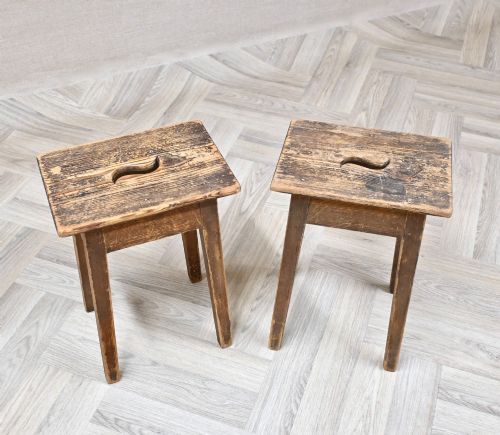
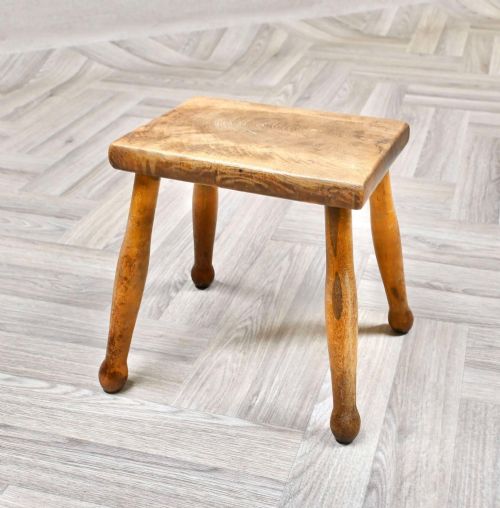
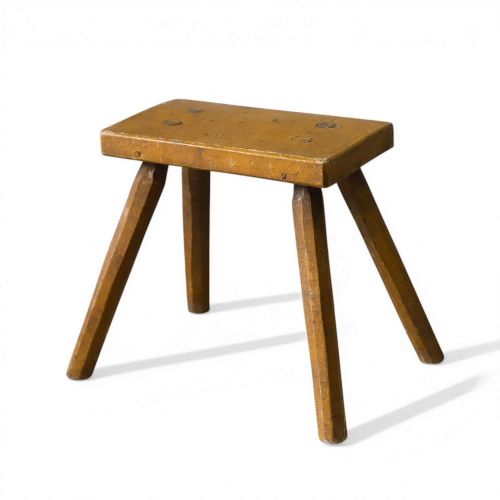
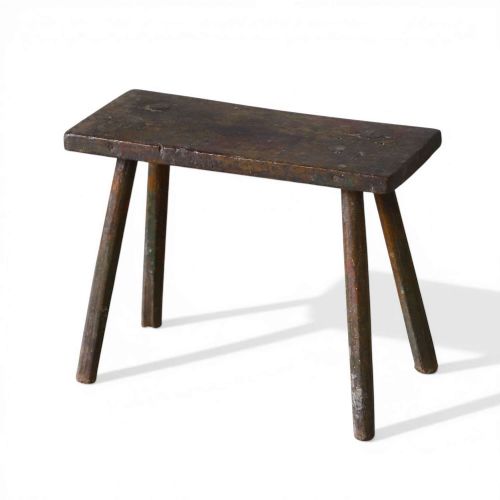
An antique country timber stool encompasses low seats designed for hearthsides, milking, trades and vernacular domestic life. The listings here lean heavily toward nineteenth-century examples alongside eighteenth-century forms, all built for utilitarian purpose rather than formal display.
You will encounter three-legged milking stools, elm-topped Windsor stools, low tavern seats and heavy chopping blocks. These pieces originate from English, French and Eastern European workshops, reflecting local agricultural and trade traditions.
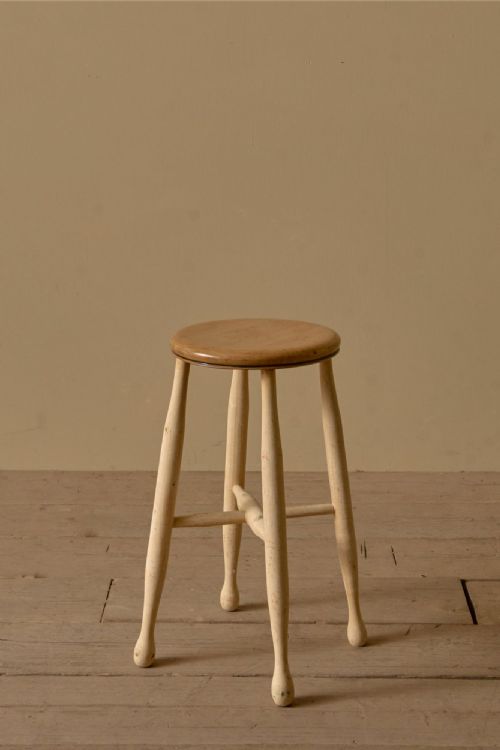
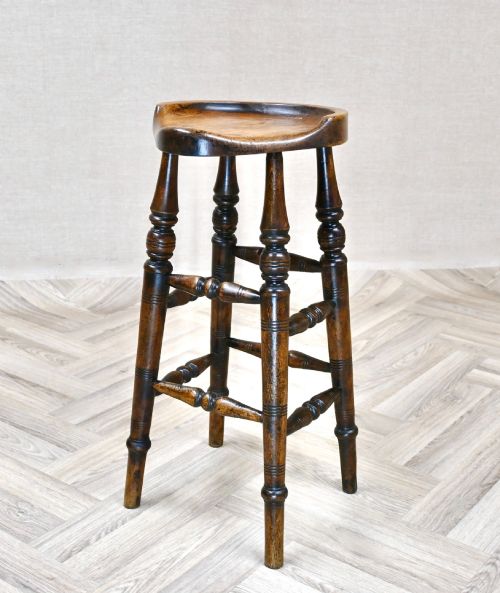
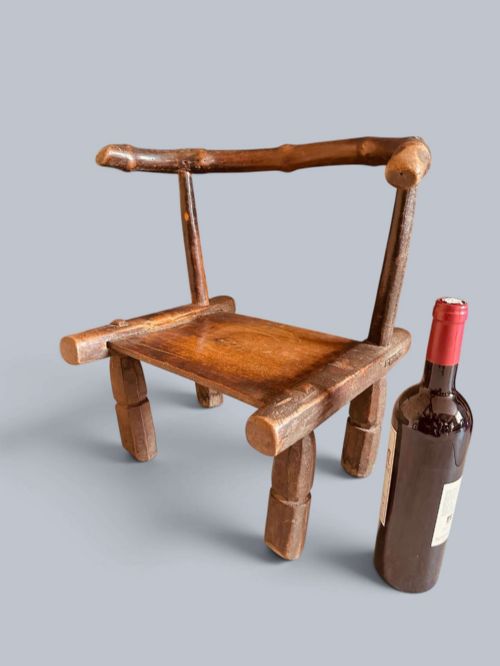
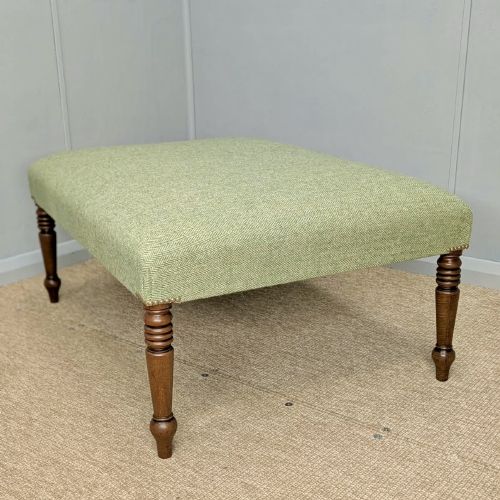
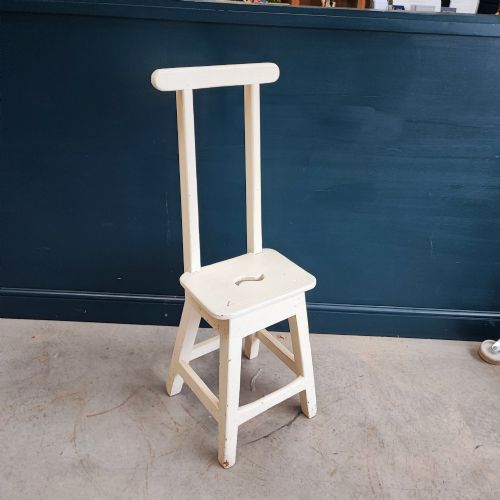
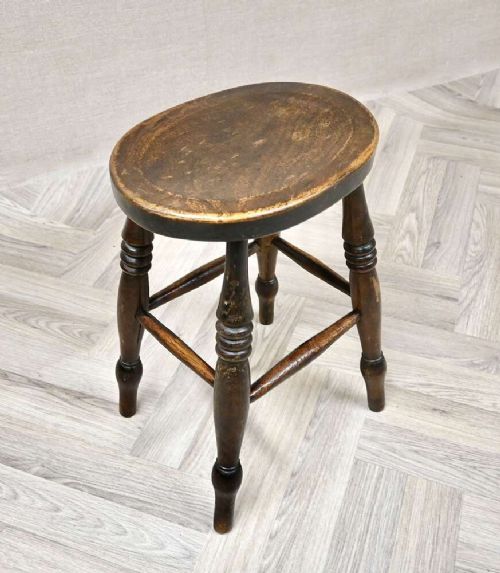
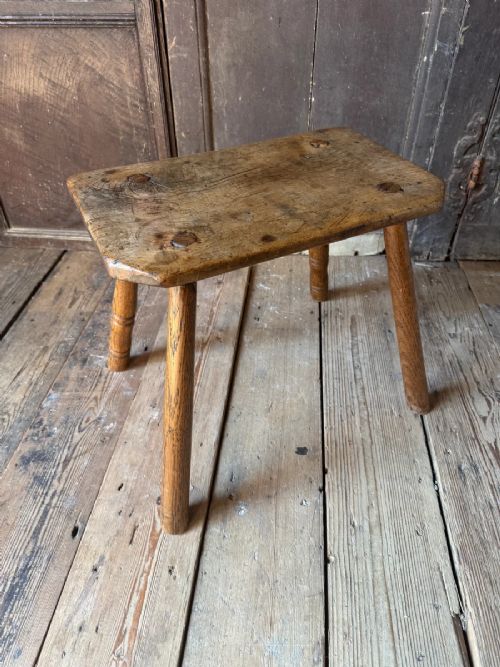
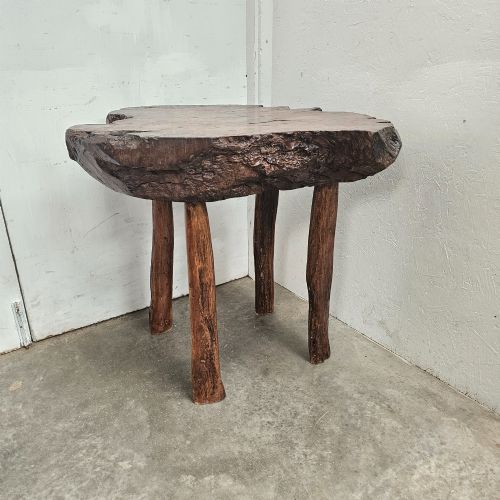
The selection ranges from simple boarded constructions to sculptural round seats and lathe-turned legs. Each piece carries the marks of workshop labour and daily household use.
How they were made
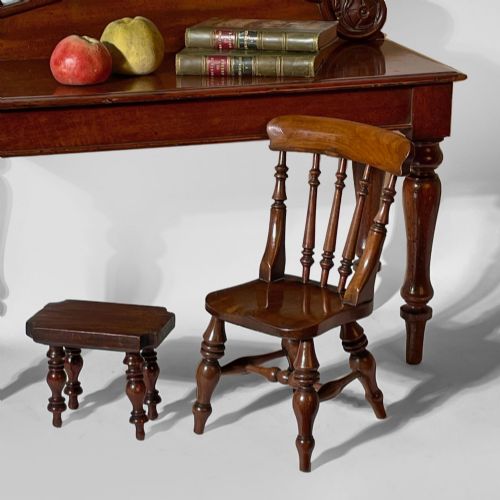
Maker-craftsmen utilised whatever local hardwoods grew near the workshop, pairing ash, elm, beech, oak and sycamore within a single piece. Seats were often carved from thick planks or solid tree sections, while legs were turned on pole lathes or shaped by hand with drawknives.
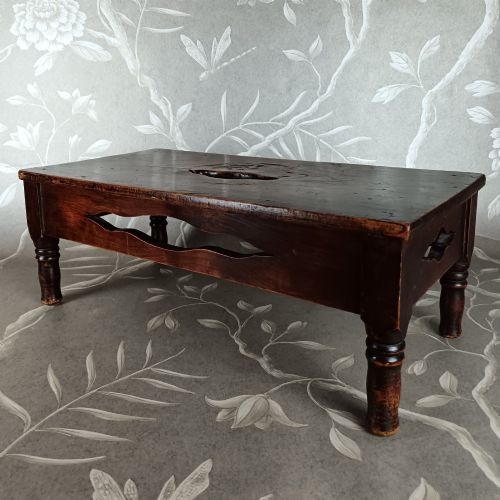
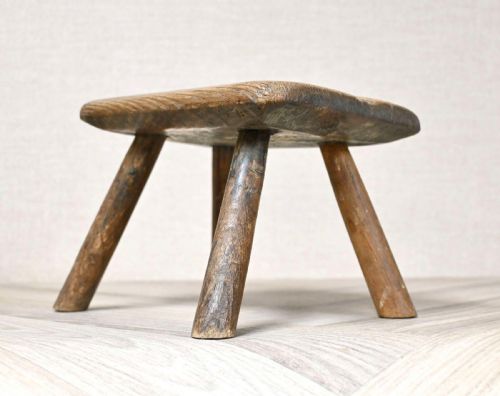
Joints typically rely on simple pegging, wedged tenons or direct bodged construction where tapered legs are driven straight into bored seats. Surface finishes vary from bare scrubbed timber to traces of original ochre, yellow or green paint.
Antique Country Timber Stool Retail Price Guide 2026
Typical asking prices for country timber stool among the pieces listed under this phrase on Sellingantiques today, from the lower quarter to the upper quarter. They describe what is for sale here now, not the wider market.
One lonely leg supports a peculiar milking stool designed to keep the dairy worker light on their feet.
What varies in quality
Quality rests upon the sculptural confidence of the timber and the integrity of the original structure. A piece carved from a single dense block of burr yew or sculpted with deep, organic hollows holds greater visual weight than a purely utilitarian bench.
The survival of original surface pigment, such as early ochre or green paint, separates standard workshop output from exceptional survivals. Proportional balance and the honesty of the maker's hand-cut joints determine the distinction between ordinary utility and vernacular folk art.
The Antique Country Timber Stool Glossary
- Joint stool
- A low wooden seat constructed with mortise and tenon joints pegged together in the manner of early cabinet making. These sturdy items served multiple domestic purposes before upholstered seating became common.
- Milking stool
- A small three-legged seat designed to remain stable on uneven farm floors while the milker sat close to the animal. The third leg often points forward to prevent tipping when leaning.
- Vernacular
- Objects made by local artisans following regional traditions rather than high-style metropolitan fashions. These pieces prioritise practical function and available materials.
- Bodger
- A traditional woodturner who worked in the woods to produce chair legs and components using green timber. Their output fed into the production of country Windsor chairs and stools.
Antique Country Timber Stool: Frequently Asked Questions
How do I use a timber stool today?
These pieces function well as small side tables, plant stands or extra seats beside a fireplace. Their compact footprint allows them to tuck easily beside armchairs or under console tables.
Because the surfaces bear the texture of historical use, they add warmth and grounded character to contemporary or traditional interiors without demanding too much floor space.
How do I identify the wood species?
Country makers selected dense hardwoods that could withstand heavy daily wear and resist splitting. Elm, ash, beech and sycamore appear frequently across these listings, each showing distinct grain patterns and weights.
Elm often displays a characteristic interlocking grain that resists splitting, while fruitwoods and beech show tight, pale growth rings shaped by traditional turning.
What does original paint add to a stool?
Surviving early paint layers, such as ochre, yellow or green, provide a direct link to the piece's working history. These pigments were applied to protect the wood or identify ownership within a household.
An undisturbed surface patina indicates that the stool has avoided aggressive stripping, preserving the visual depth that collectors value.