




Antique Country Life Art
Antique country life art captures rural scenes, sporting subjects, and botanical studies on canvas and paper.
Antique Country Life Art
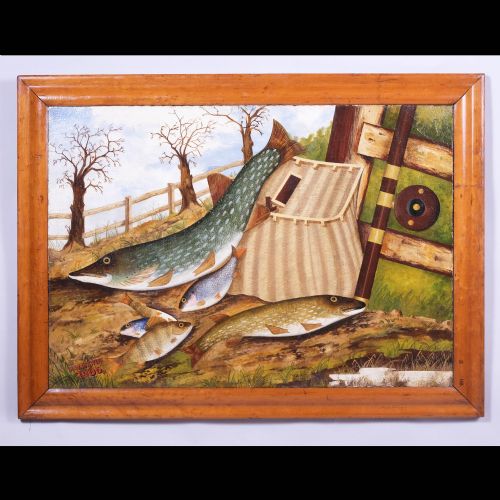
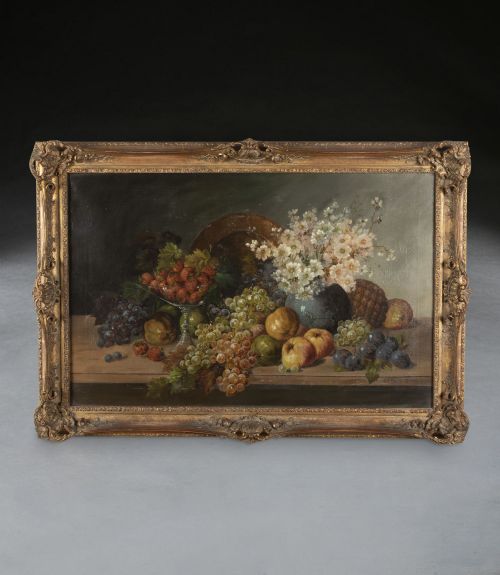
Antique country life art encompasses oil paintings, watercolours, and wall art depicting rural scenes, farming, fishing, and still life subjects. These works span the Victorian, Edwardian, and twentieth-century periods, recording pastoral subjects on canvas and paper.
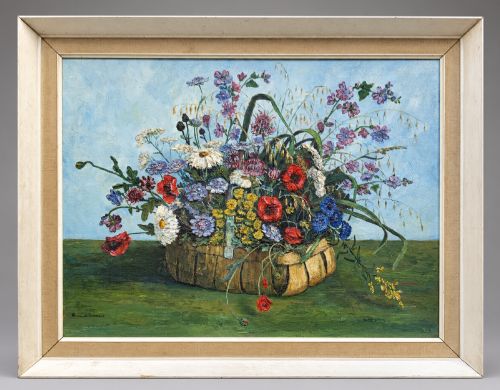
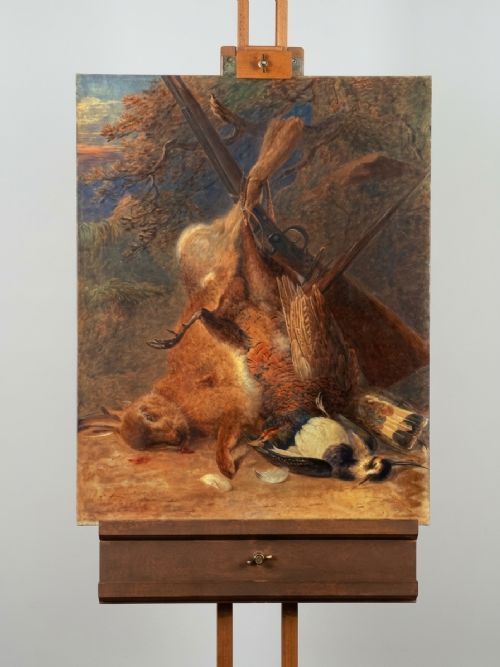
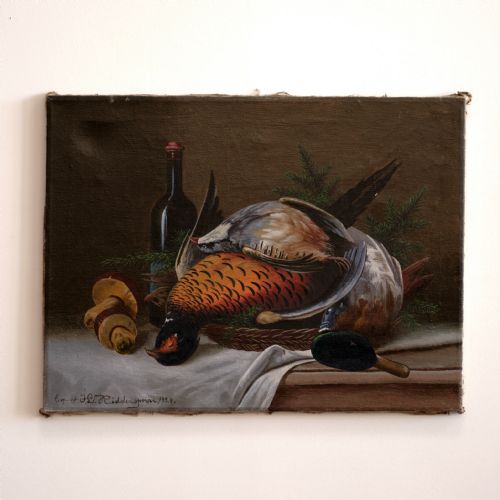
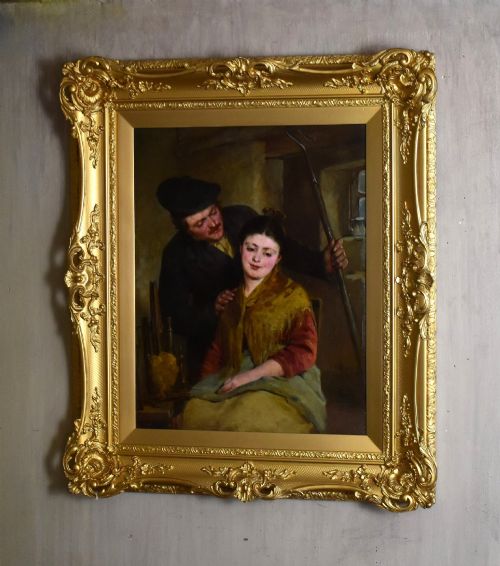
The versions most commonly met on this page include nineteenth-century oils and watercolours showing game, floral arrangements, and agricultural labour. Subjects range from Irish rural landscapes to English still life paintings framed in wood and gesso.
Makers and artists represented across the listings include George Sydney Shepherd, Howard Helmick, Grace Hastie, Thomas Ivester Lloyd, Edward Killingworth Johnson, Marion Broom, Edith Alice Andrews, Henry Charles Bryant, Henry Singleton, George Morland, John Sherrin, Amy Reeve-Fowkes, and Charles James Adams.
Materials and Techniques
Painters used oil paint and watercolour paint applied to canvas, paper, and bodycolour to create these rural works. Canvases are stretched over wood supports, while watercolours utilise paper supports often enhanced with bodycolour for opacity.
Frames employ wood and gesso construction to support and display the oil paintings and watercolours. Pigments are layered to render the textures of feathers, fur, flora, and landscape elements.
Antique Country Life Art Retail Price Guide 2026
Typical asking prices for country life art among the pieces listed under this phrase on Sellingantiques today, from the lower quarter to the upper quarter. They describe what is for sale here now, not the wider market.
Object types include oil paintings, watercolour paintings, and wall art created within traditional realism, expressionism, and sporting art styles.
Markers of Quality
Quality in these paintings rests upon the handling of light, brushwork precision, and the anatomical accuracy of figures, animals, and botanical subjects. Works by named artists demonstrate superior draughtsmanship and composition compared to anonymous workshop pieces.
The preservation of the original paint surface, canvas tension, and paper integrity distinguishes finer examples. Subtle tonal variation in oil and watercolour indicates superior technical execution by the artist.
George Sydney Shepherd·Howard Helmick·Grace Hastie·Thomas Ivester Lloyd·Edward Killingworth Johnson·Marion Broom·Edith Alice Andrews·Henry Charles Bryant·Henry Singleton·George Morland·John Sherrin·Amy Reeve-Fowkes·Charles James Adams
The Antique Country Life Art Glossary
- Watercolour
- A paint consisting of colour suspended in a water-soluble vehicle, applied to paper. It is often utilised for detailed botanical and landscape studies.
- Bodycolour
- Watercolour rendered opaque by the addition of white pigment. It provides denser highlights and solid areas of colour in works on paper.
- Gesso
- A plaster mix applied to wood frames to create a smooth surface for gilding and moulding. It provides structural ornamentation around the edge of paintings.
- Genre scene
- A painting depicting aspects of everyday life by portraying ordinary people engaged in common activities. These works record domestic and rural occupations.
- Still life
- A painting featuring inanimate subject matter, typically commonplace objects such as flowers, game, or fruit. Artists arrange these elements to study form and light.
Antique Country Life Art: Frequently Asked Questions
What subjects appear in antique country life art?
These works depict rural scenes, agricultural labour, fishing, and farming alongside still life studies of game, birds' nests, and country flowers.
Animals feature frequently, with horses, hares, foxes, and pheasants appearing across oil paintings and watercolours from the nineteenth and twentieth centuries.
How do oil paintings differ from watercolours here?
Oil paintings utilise oil paint on canvas and are typically mounted in heavy wood and gesso frames. They offer rich texture and deep tonal layers.
Watercolours use paint on paper supports, sometimes with bodycolour added, presenting a lighter finish that requires protective glass framing.
How should I care for these paintings?
Keep oil paintings and watercolours away from direct sunlight and damp environments to protect the canvas and paper supports. Dust wood frames gently with a dry cloth without touching the painted surface.
Ensure watercolours remain behind protective glass to prevent moisture and atmospheric damage to the paper.
How are the periods identified?
Periods are determined through artist signatures, stylistic markers, and the physical materials of the canvas, paper, and framing. Victorian, Edwardian, and twentieth-century works display distinct aesthetic choices.
Dates associated with specific makers help anchor the creation period of unsigned or signed works alike.