

Antique Country Carver
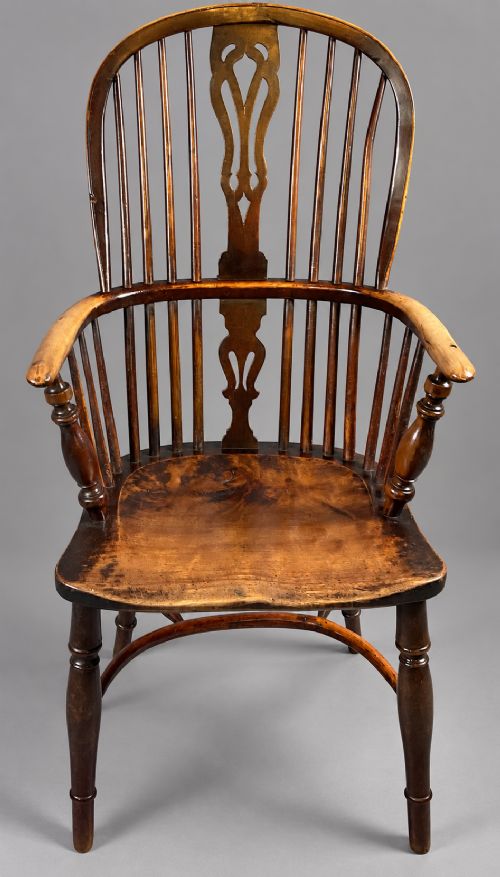
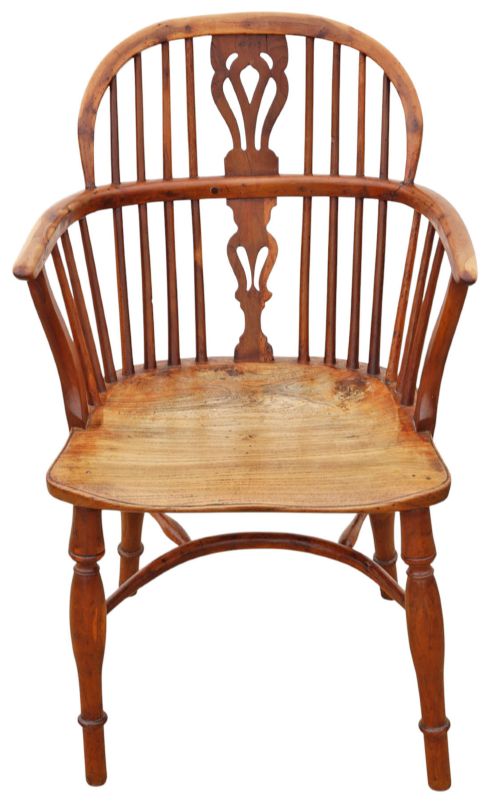
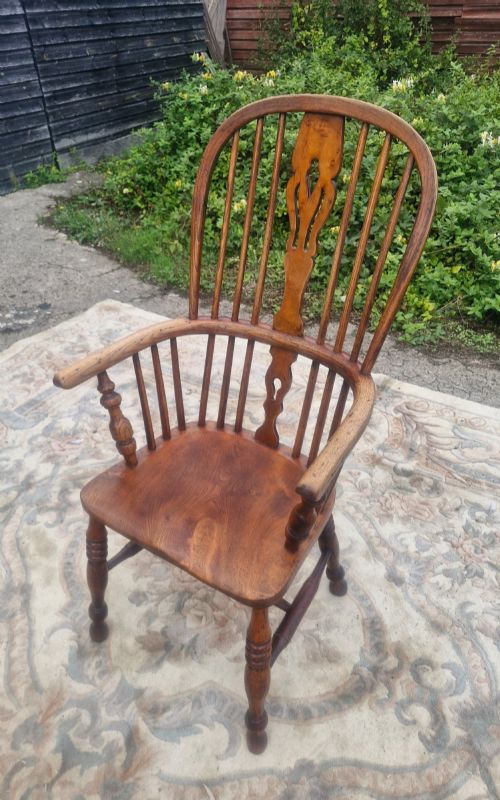
An antique country carver brings solid vernacular character to a room, offering sturdy arm support in elm, oak, ash or yew.
Antique Country Carver
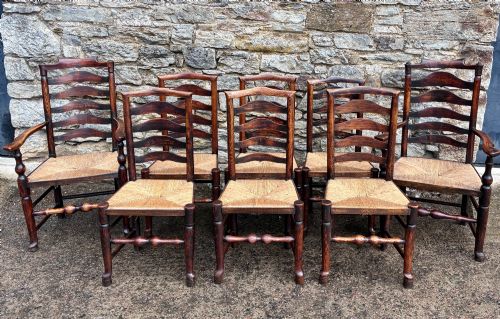
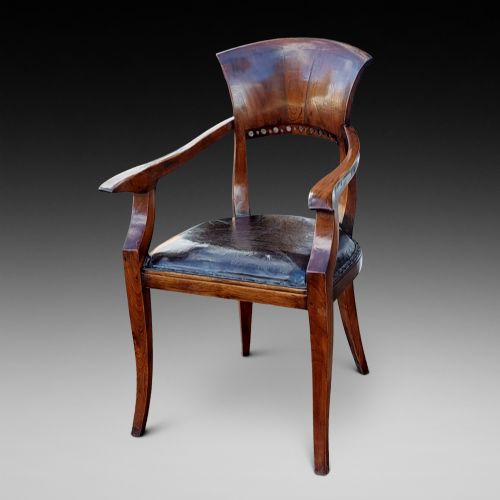
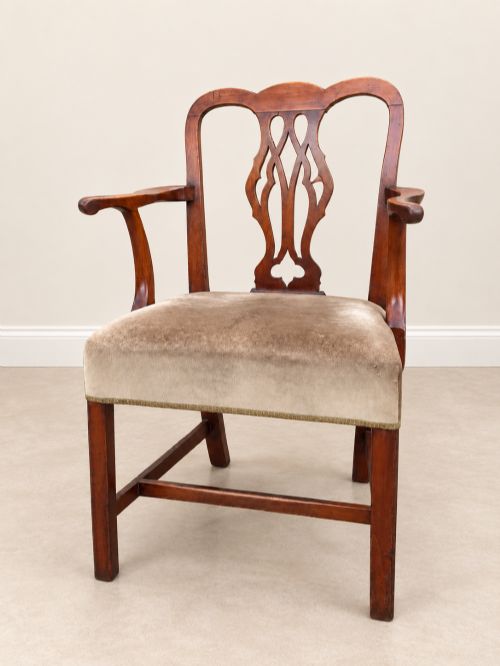
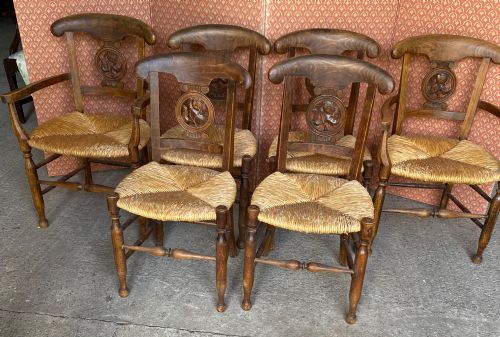
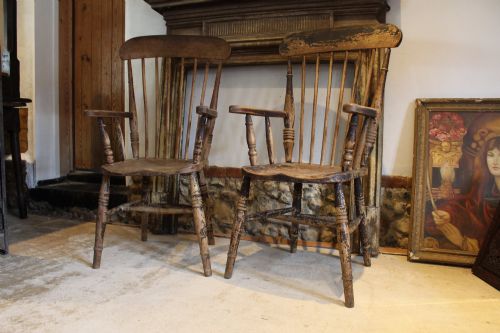
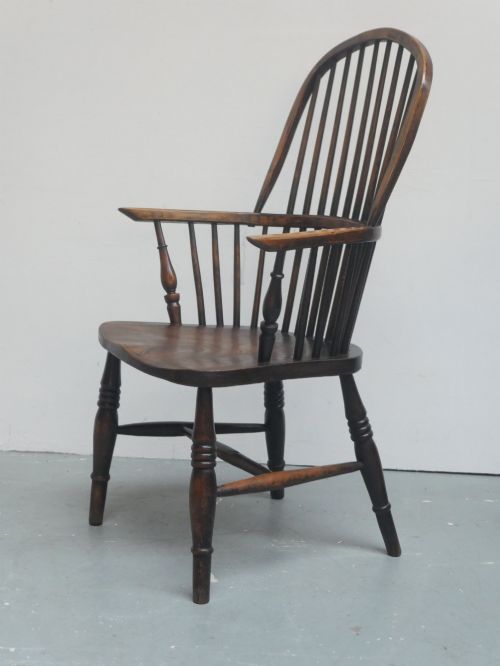
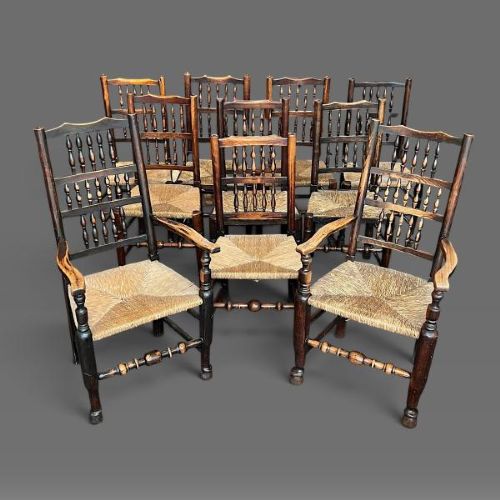
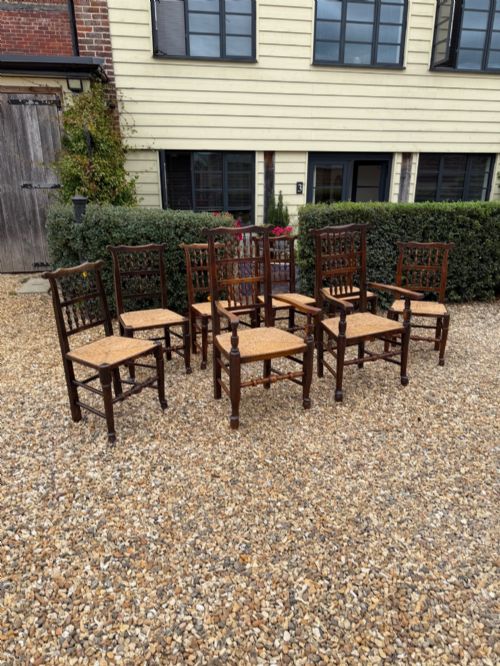
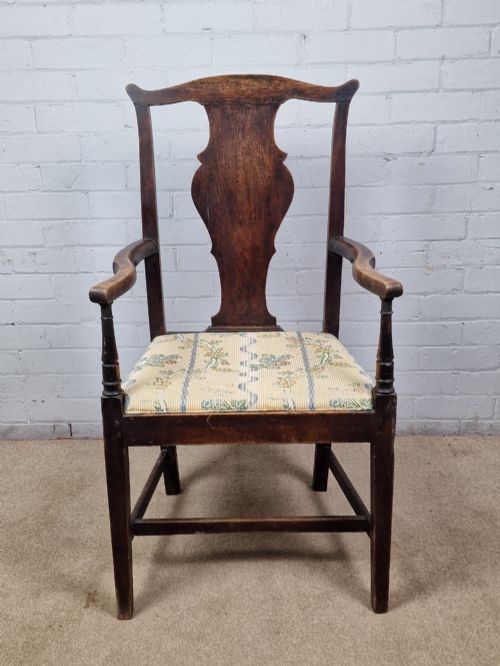
An antique country carver is a sturdy elbow chair designed for domestic use, frequently found in regional kitchen or farmhouse settings. When searching this phrase, you will encounter various regional iterations including Windsor chairs, ladder-backs and stick-backs.
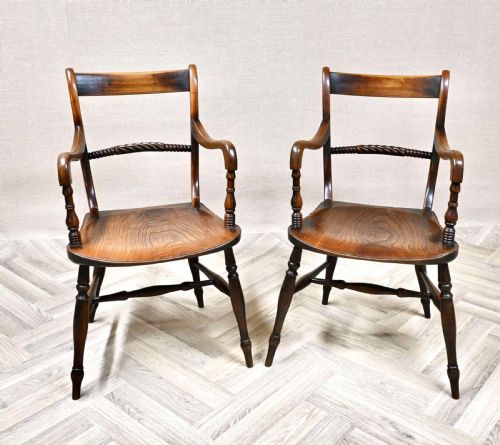
The pieces span the eighteenth, nineteenth and early twentieth centuries, drawing on English country and Victorian vernacular traditions. Common regional forms include Thames Valley Oxford chairs and Lincolnshire Windsors alongside vernacular comb-backs.
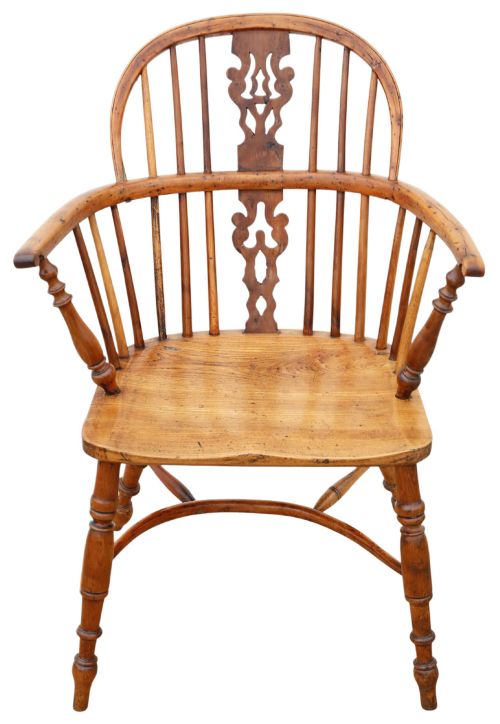
Makers utilised local timbers to build seating with distinct regional traits, ranging from low-back kitchen chairs to high-back smokers bows. These armchairs served practical domestic roles around the farmhouse table or beside the hearth.
Materials and construction
Construction relies heavily on traditional timber combinations, pairing elm seats with ash, beech, oak or yew for spindles, legs and bentwood parts. This mixed-wood approach provided structural resilience where bending and weight-bearing were required.
Green woodworking techniques often allowed craftsmen to shape unseasoned timber into steam-bent bows and spindle backs. Legs were frequently turned on a pole lathe and wedged into solid plank seats using tenon joints.
Philip Clissett signed few chairs, leaving his sturdy ladder-backs to be identified by their distinctive acorn-turned finials and webbed rush seats.
Judging quality in country armchairs
Quality rests upon the integrity of the timber selection and the retention of original surface finishes, such as early paint or natural patination. Chairs retaining their original wedged joints and uncompromised seat thickness command greater regard.
Proportion and comfort distinguish superior vernacular pieces from standard utilitarian seating. Refined arm scrolls, well-balanced spindle spacing and graceful crinoline stretchers elevate the piece beyond basic domestic utility.
Philip Clissett
The Antique Country Carver Glossary
- Carver
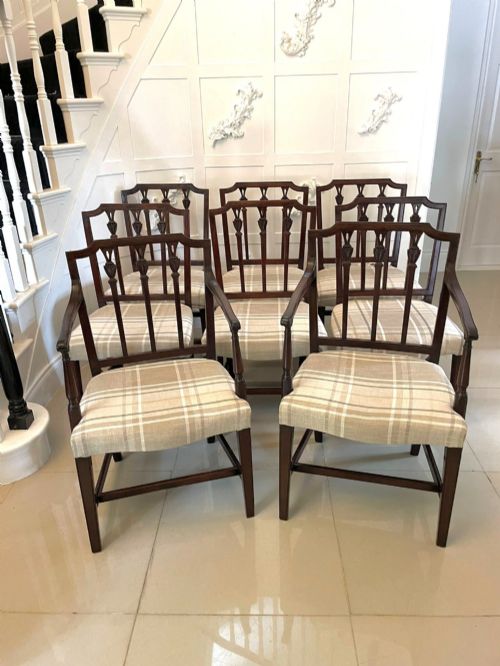
- An armchair designed to match a set of dining chairs, usually featuring open elbows. These chairs sat at the head of the table.
- Windsor
- A chair built with a solid wooden seat into which the legs, back and arms are independently inserted. This form relies on turned spindles and bentwood bows.
- Vernacular
- Objects made by local craftsmen following regional traditions rather than high-style metropolitan designs. Such pieces prioritise utility and local materials.
- Smokers Bow
- A low-back Windsor armchair with a continuous curved arm rail resting on short spindles. They were common in nineteenth-century country houses and taverns.
- Ladderback
- A chair back constructed from horizontal slats set between two upright posts. These slats are often curved to fit the sitter's spine.
Antique Country Carver: Frequently Asked Questions
What is a country carver chair?
A country carver is an armchair featuring wooden armrests, built in regional styles outside of formal London workshops. They were traditionally used as the head chair at a dining table or placed near a fireplace.
These chairs make robust seating for daily use while adding rustic presence to a room. Their durable construction makes them practical for modern living.
How do I identify a Windsor chair?
A Windsor chair is defined by its solid plank seat into which the legs and back spindles are bored directly. They often feature a steam-bent bow or comb back.
Examining the underside reveals the wedged tenons where the legs pass through the seat. This construction method keeps the chair rigid over centuries of use.
What woods were used for country chairs?
Country chairmakers utilised accessible regional timbers, frequently pairing a heavy elm seat with ash, beech or oak for the frame and spindles. Yew was also used for finer Windsor chairs.
Using multiple wood species allowed makers to exploit the properties of each timber. Elm resisted splitting under the seat, while ash provided flexible strength for steam-bent components.
Are these chairs comfortable to sit in?
Most country carver chairs feature sculpted plank seats carved to match the contours of the body. Their supportive armrests and raked backs encourage relaxed posture.
While they lack upholstery, adding a simple cushion provides extra comfort for long dining sessions. Their ergonomic wooden designs remain surprisingly supportive.
How do I date an antique chair?
Dating relies on observing construction marks, tool traces, timber wear and stylistic shifts. Hand-turned spindle details and original surface finishes offer further chronological clues.
Comparing joint construction with documented examples helps narrow down the period. Vernacular pieces often retain traditional methods long after urban workshops adopted new technology.