



Antique Counter Drawers
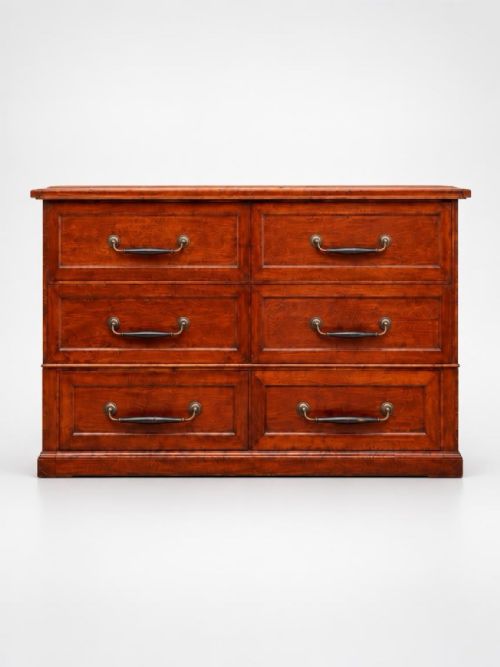
These antique counter drawers are sturdy trade fixtures designed to hold merchant stock, offering practical storage and honest period character for the home.
Antique Counter Drawers
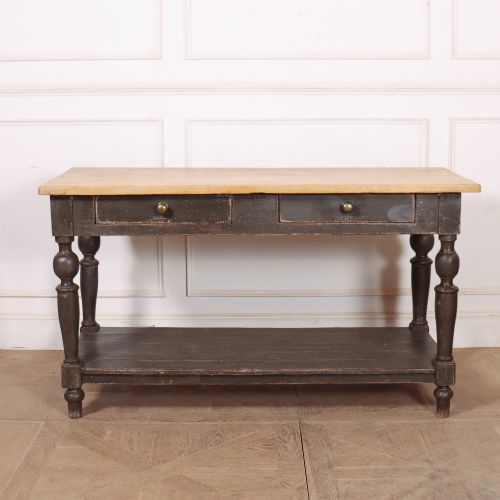
When you search for antique counter drawers, you encounter utilitarian banks of drawers, shop fittings, and drapers' cabinets originally built for commercial trading floors and retail spaces. These multi-drawer units served grocers, drapers, and florists, designed to organise small merchandise efficiently behind the shop counter.
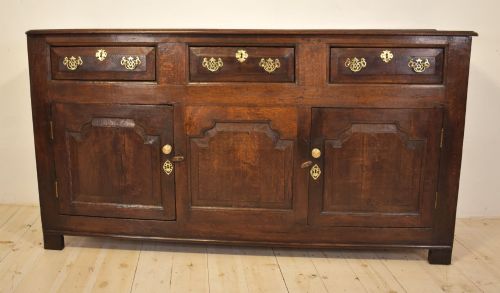
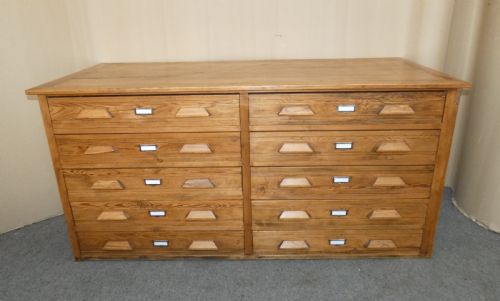
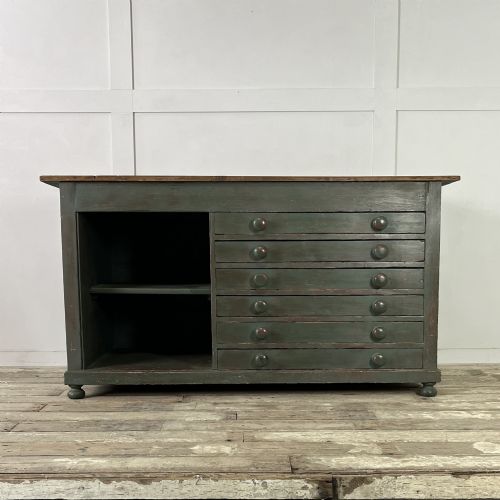
The selections available here span from Victorian pine shop fittings to Edwardian haberdashery cabinets and 1930s oak units. You will frequently find tall banks of small drawers, multi-drawer shop counters, and seed chests that transition easily into domestic sideboards or hallway storage.
Materials and construction
Makers utilised durable timbers such as pine, oak, and mahogany to withstand heavy daily use in commercial environments. Pine appears frequently, often retaining its original painted surfaces in white, cream, or light green, while hardwood alternatives like oak and mahogany provide a polished finish.
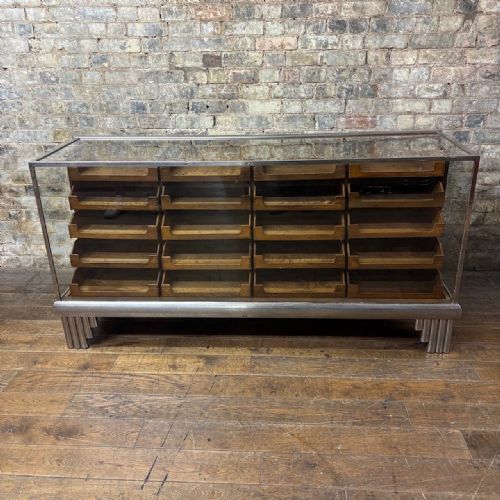
Functional hardware is integral to these pieces, combining brass pulls, iron brackets, chrome accents, and occasionally glass panels for display. Joinery prioritises longevity and practical operation, housing numerous small compartments built for heavy retail stock.
Antique Counter Drawers Retail Price Guide 2026
Typical asking prices for counter drawers among the pieces listed under this phrase on Sellingantiques today, from the lower quarter to the upper quarter. They describe what is for sale here now, not the wider market.
Some multi-drawer shop fittings retain fifty separate compartments, ideal for hiding decades of stray paperclips.
Assessing quality and origin
The standard of a piece depends on the integrity of its original trade usage, the choice of timber, and whether applied paint or polished wood surfaces remain undisturbed. Pieces retaining original maker details, specialised hardware, or multi-drawer configurations command greater interest from collectors.
Proportion and scale also dictate worth, as extensive multi-drawer shop fittings or purpose-built display counters demonstrate superior architectural presence compared to simpler domestic adaptations. Original cabinet backs and unaltered drawer interiors preserve the historical context of the item.
Dudley & Co·G H Gledhill Halifax·Chadwick’s Sewing Cottons·Trussant & Cie
The Antique Counter Drawers Glossary
- Haberdashery cabinet
- A multi-drawer display unit with glass-fronted or wooden drawers designed to store small sewing items and textiles in a retail shop.
- Bank of drawers
- A large, multi-compartment storage unit featuring numerous small drawers arranged in rows for categorised stock organisation.
- Drapers table
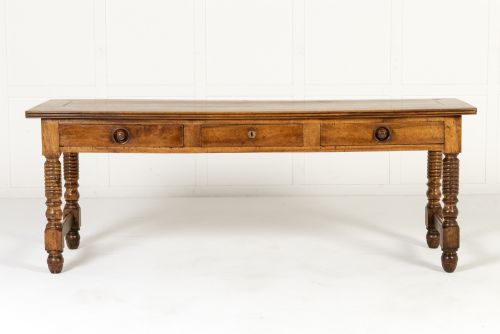
- A wide, long work table used in fabric and textile shops for measuring and cutting cloth.
- Seed chest
- A specialised small cabinet featuring shallow drawers designed to hold and display agricultural seeds in a florist or merchant shop.
Antique Counter Drawers: Frequently Asked Questions
What are antique counter drawers?
These pieces are utilitarian storage units and shop counters built with multiple drawers for merchant trading. They originate from commercial settings like drapers, florists, and general stores.
Today, they function as practical storage furniture in modern homes, providing numerous compartments for organising household items while retaining industrial period character.
How were drapers tables used?
Drapers tables provided a wide, sturdy surface for merchants to measure and cut lengths of fabric for customers. Their long proportions and stable frames suited busy retail environments.
In contemporary interiors, these tables serve as kitchen islands, console tables, or generous sideboards in living spaces.
How do I date a shop cabinet?
Dating relies on observing timber choices, construction methods, and hardware styles. Victorian and Edwardian pieces often utilise heavy pine or oak with brass pulls, while 1930s examples introduce chrome and glass elements.
Maker marks, stencilled business names, and original paint finishes also help determine the specific era of manufacture.
Can I use a bank of drawers in a kitchen?
These multi-drawer units integrate effectively into kitchens as islands or freestanding base cabinets. Their numerous small compartments offer ideal storage for utensils, linens, and dry goods.
When placing them in kitchens, ensure the timber surface is appropriately protected from moisture and heavy daily wear.