





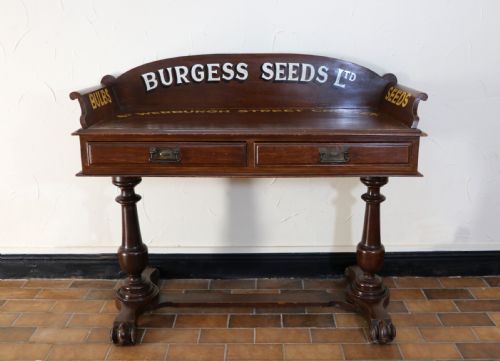
Antique Counter Desk
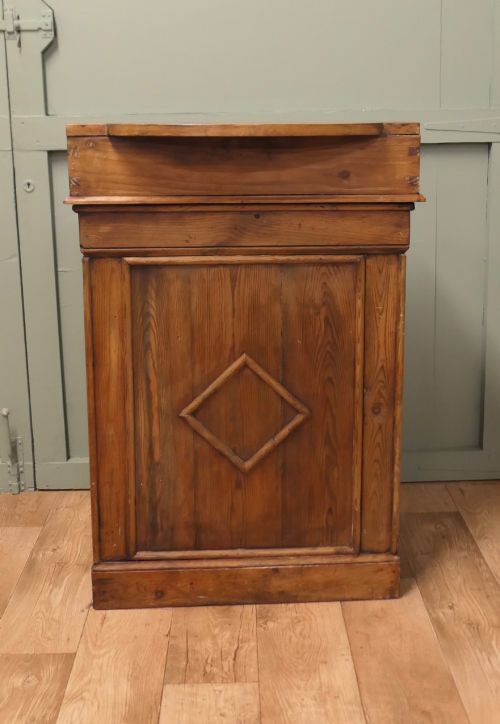
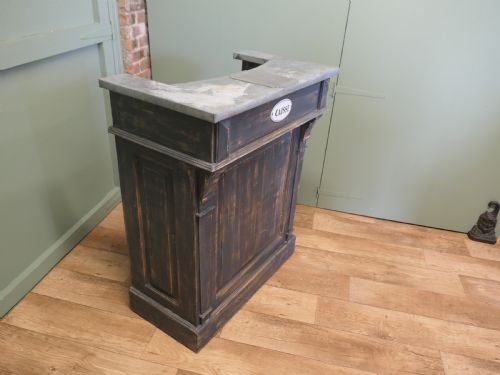
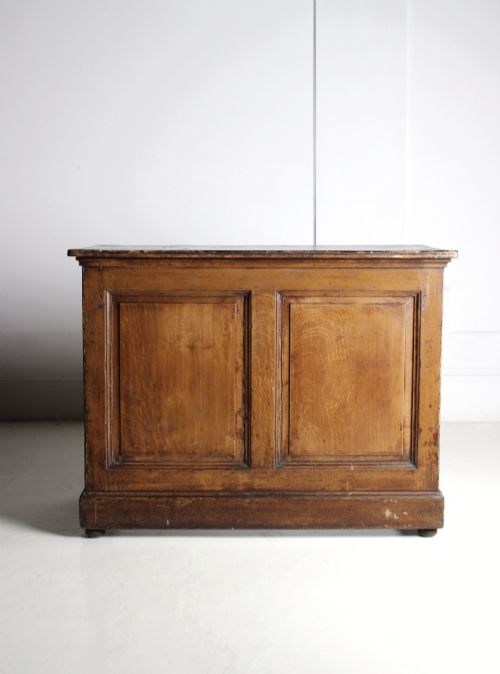
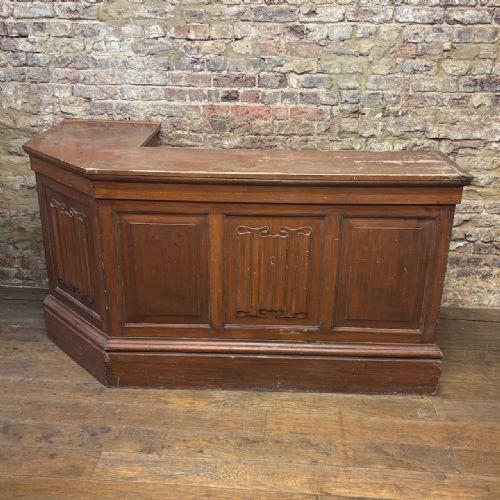
An antique counter desk provides a practical workspace and shop display surface from the nineteenth and early twentieth centuries.
Antique Counter Desk
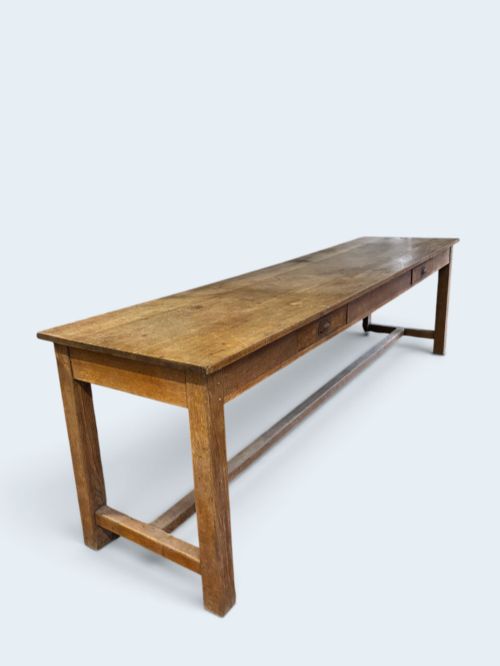
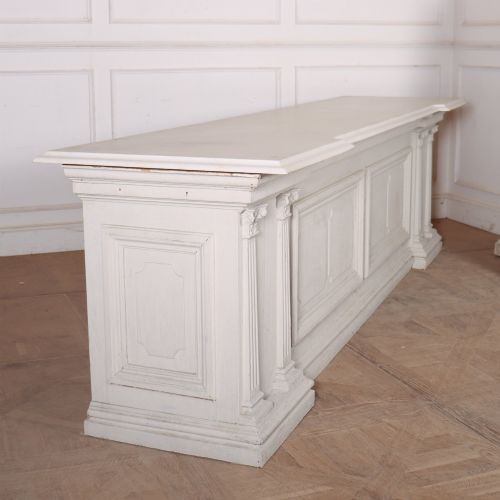
When searching for an antique counter desk, buyers encounter commercial shop counters, reception stations, and prep tables originally built for business and trade. These sturdy pieces serve well in modern homes as kitchen islands, sideboards, or hall tables.
How they were made
Carpenters built these counters and desks using durable timbers including oak, pine, mahogany, and sycamore. Joinery methods relied on sturdy panels and solid framing to withstand heavy commercial use in shops, post offices, and country houses.
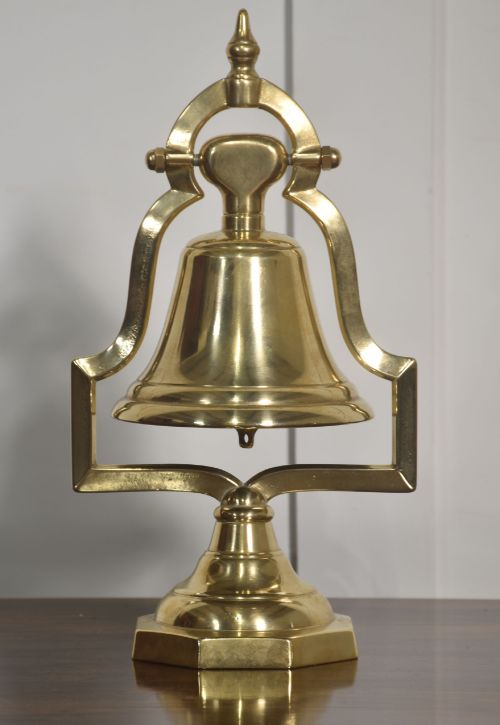
Metal components in brass, iron, and steel appear frequently, forming handles, bells, and adjustable feet. Painted finishes, faux graining, and polished surfaces protected the wood while giving the furniture its characteristic appearance.
Antique Counter Desk Retail Price Guide 2026
Typical asking prices for counter desk among the pieces listed under this phrase on Sellingantiques today, from the lower quarter to the upper quarter. They describe what is for sale here now, not the wider market.
Keep an ear out for mechanical pig bells that summon service with a polite mechanical nod.
What varies in quality
The distinction between standard utility furniture and superior pieces lies in the choice of timber and the integrity of construction. Solid hardwoods and untouched original surfaces separate better examples from heavily altered items.
Proportion and restrained detail define the finer pieces, whether in the moulding of an oak counter or the turning of a mahogany leg. Pieces retaining their original hardware and functional adjustments hold greater integrity.
William Comyns
The Antique Counter Desk Glossary
- Shop counter
- A large commercial furnishing designed for retail transactions and customer service. These pieces typically feature a panelled front and a flat top for displaying goods.
- Prep table
- A utilitarian wooden table utilised in kitchens, bakeries, or shops for food preparation or work. They often include drawers for utensils and robust pine or oak construction.
- Galleried
- A raised border or rail running along the edge of a shelf or tabletop. This feature prevents items from sliding off the surface.
- Faux oak
- A painted or decorative finish applied to cheaper woods like pine to imitate the appearance of oak. This technique was common in nineteenth-century commercial joinery.
- Mechanical bell
- A desk or counter bell operated by pressing a plunger or lever to strike an internal mechanism. Victorian examples frequently utilise brass or sterling silver housings.
Antique Counter Desk: Frequently Asked Questions
What is an antique counter desk?
An antique counter desk is a heavy-duty commercial furnishing or reception piece built during the nineteenth or early twentieth centuries. These items were originally used in shops, post offices, and hotels for serving customers and conducting business.
Today, buyers repurpose them as kitchen islands, sideboards, or architectural writing desks. Their solid construction and practical proportions make them adaptable for modern residential interiors.
How were counter desks used originally?
Merchants, postmasters, and receptionists utilised these sturdy tables to handle daily transactions, sort mail, and greet visitors. The flat top provided a workspace while lower shelves and drawers stored ledgers, packaging, or tools.
Many examples feature specialised additions like brass desk bells, coin trays, or high panels designed for privacy and commercial efficiency.
What woods are common in these desks?
Pine and oak appear most frequently in these commercial furnishings, chosen for their strength and availability. Mahogany and sycamore also feature in finer examples, particularly in domestic reception spaces or high-end retail settings.
Surfaces are often left natural, polished, or painted with faux wood graining to match the interior style of the period.
How do I date a counter desk?
Dating relies on examining the timber, construction methods, and hardware style. Victorian and Edwardian pieces often display machine-sawn components alongside hand-finished details, while earlier Georgian or Regency examples show entirely hand-wrought joinery.
Associated items like brass table bells or manufacturer plaques can also help narrow the production era to a specific decade.