



Antique Cottage Seating
These antique cottage seating pieces are rugged everyday survivors crafted from elm, ash, and oak to bring honest rustic charm into modern homes.
Antique Cottage Seating
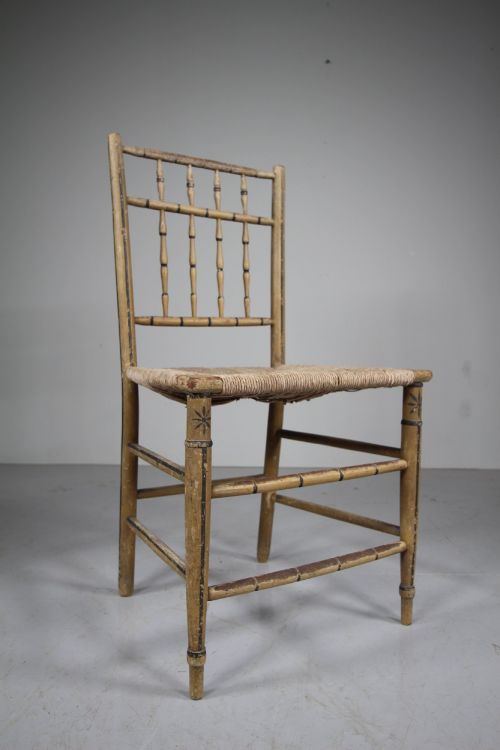
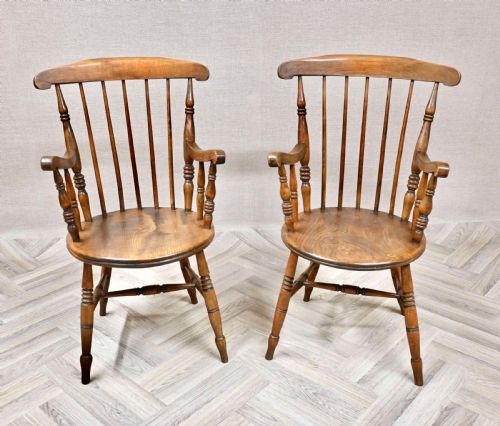
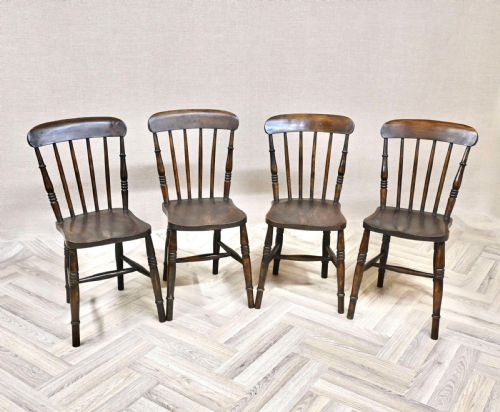
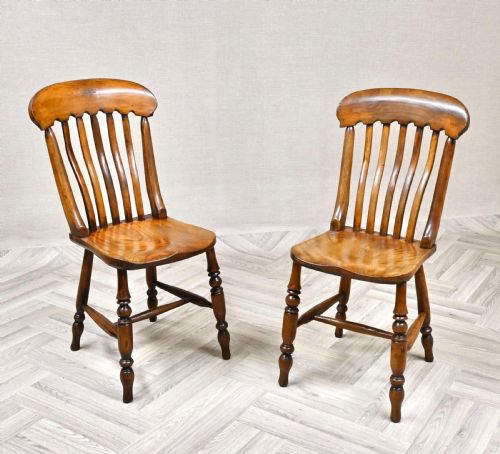
When you search for antique cottage seating, you encounter utilitarian furniture designed for everyday domestic life in farmhouses, kitchens, and country dwellings rather than formal parlours. The pieces on this page span the eighteenth, nineteenth, and early twentieth centuries, encompassing periods from Georgian and Victorian eras through to Edwardian times and the Arts and Crafts movement.
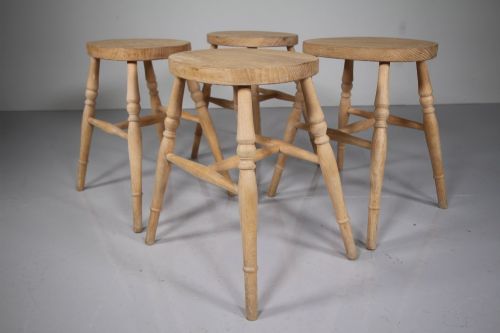
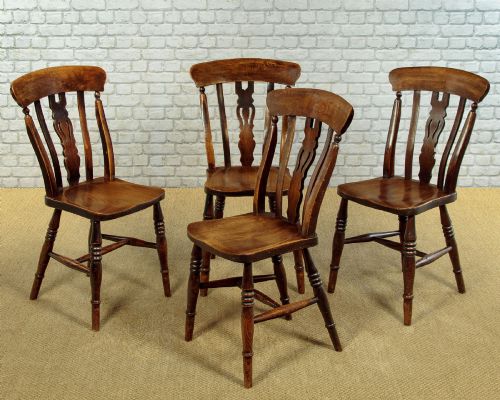
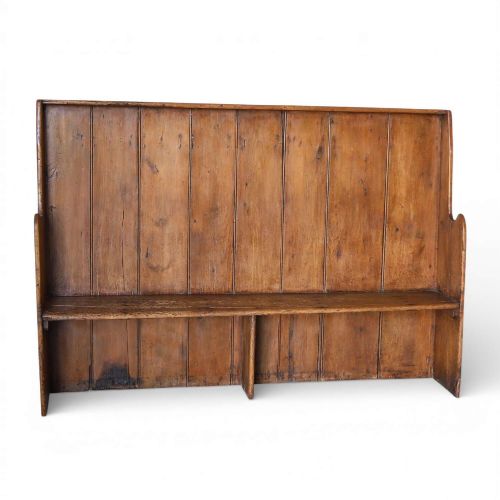
You are most likely to meet Windsor chairs, lathbacks, wheel backs, and ladderbacks alongside rush seat dining chairs and high-back settle benches. These items were made to be used hard around farmhouse tables and inglenook hearths, resulting in honest signs of wear that tell the story of their practical origins.
The regional variety is substantial, ranging from English country designs to Irish súgán chairs with plaited straw seats, Dales chairs, and continental painted settles. Alongside chairs and benches, the selection includes stools, spinning chairs, and dining sets suited to both modest cottages and larger rustic spaces.
Materials and construction methods
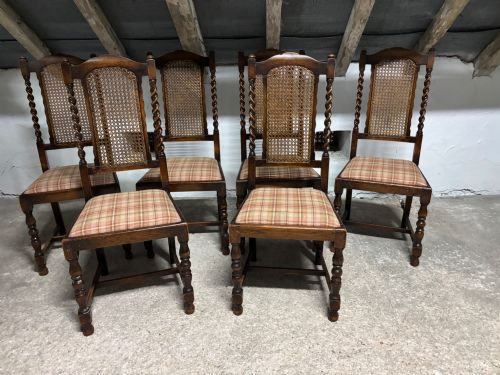
Makers relied on native timbers suited to specific structural demands, pairing strong elm seats with flexible ash or beech for spindles and steam-bent components. Oak also appears frequently, particularly in heavy settles and revival pieces, while pine provides the body for painted high-back settle benches.
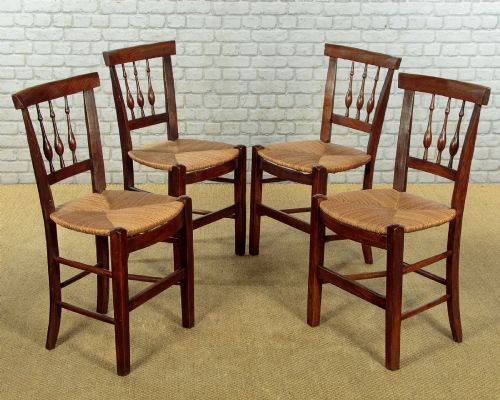
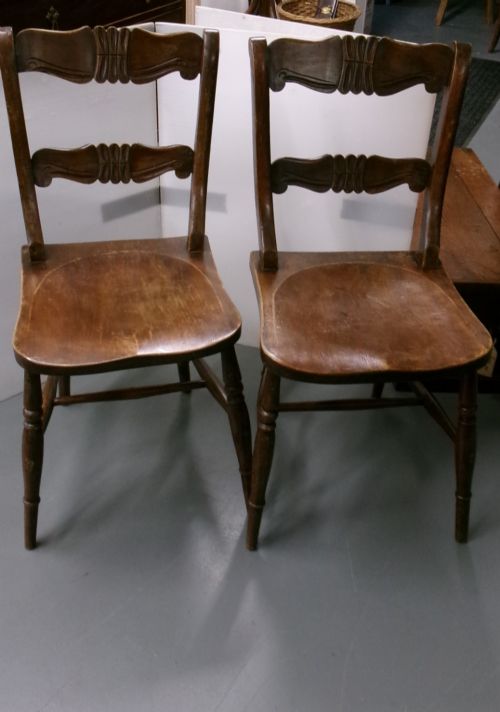
Seating surfaces often utilise woven rush, plaited straw, or carved solid wood shaped for comfort without upholstery. Turned legs, spindle-backs, and pegged joints demonstrate traditional vernacular joinery designed to withstand decades of daily movement without failing.
Antique Cottage Seating Retail Price Guide 2026
Typical asking prices for cottage seating among the pieces listed under this phrase on Sellingantiques today, from the lower quarter to the upper quarter. They describe what is for sale here now, not the wider market.
A solitary spinning chair waits quietly to remind everyone of parlour productivity and fireside tasks long since vanished from daily life.
Distinguishing quality in country furniture
Quality in antique cottage seating rests on the integrity of the timber, the crispness of the turning on spindles and legs, and the retention of original surface treatments such as honey brown patina or early paint. Sets that remain together as matched or harlequin groups hold greater consistency than isolated survivors assembled later.
The skill of the maker shows in the balance of the proportions and the comfort of the timber saddle seat, which should feel substantial rather than thin or overly restored. Original rush or plaited straw seats woven tightly onto the frame indicate superior workshop practice compared to loose or poorly executed modern re-weaving.
Worksop·Worksop Allsop·Ormskirk
The Antique Cottage Seating Glossary
- Windsor chair
- A wooden chair built with a heavy solid timber seat into which the legs and back spindles are directly inserted. This design creates a sturdy and practical form common in country kitchens.
- Settle bench
- A high-backed wooden bench often placed near a hearth to block draughts and retain heat. These pieces frequently incorporate panelled backs and storage boxes beneath the seat.
- Rush seat
- A seating surface woven from dried marsh rushes twisted into cords and wrapped around the chair rails. It provides a resilient and traditional foundation used widely in vernacular chairs.
- Ladderback
- A chair back constructed with horizontal arched slats resembling the rungs of a ladder between two upright posts. This style is typical of traditional farmhouse seating from the Georgian and Victorian periods.
- Scumbled
- A decorative paint technique applied to imitate the natural grain of more expensive hardwoods. It is found on nineteenth-century cottage furniture to give a uniform or figured finish.
Antique Cottage Seating: Frequently Asked Questions
What is antique cottage seating?
Antique cottage seating encompasses utilitarian wooden chairs, benches, and stools made for everyday domestic use in farmhouses and rural homes. These pieces prioritize sturdy construction and practical comfort over formal decorative styles.
They reflect regional woodworking traditions using native timbers like elm, ash, and oak, often featuring turned spindles, solid saddle seats, or woven rush.
How were settle benches used?
Settle benches were placed near farmhouse hearths to block cold draughts and trap warmth around the seating area. Their high wooden backs and enclosed lower sections offered protection from chilly stone-floor environments.
Many examples also doubled as storage chests, with hinged seats providing space for household blankets or provisions.
How do I care for antique wood chairs?
Keep wooden country chairs away from direct heat sources and rapid temperature swings to prevent the timber from drying out and splitting. Regular dusting with a soft dry cloth maintains the surface without the need for heavy chemical polishes.
For rush or straw seats, gentle vacuuming with a brush attachment helps remove dust from the woven strands without damaging the natural fibres.
How do I date a country chair?
Dating relies on examining the construction marks, tool traces, timber selection, and overall form relative to known stylistic periods. Hand-turned spindles, peg joinery, and wear patterns on the foot rails offer clues to age.
Comparing the seat shaping and stretcher arrangement with documented regional vernacular types helps narrow down the century of manufacture.