




Antique Cotswold Furniture
Antique cotswold furniture brings solid timber and honest joinery into a room, connecting homes directly to the workshop traditions of the English countryside.
Antique Cotswold Furniture
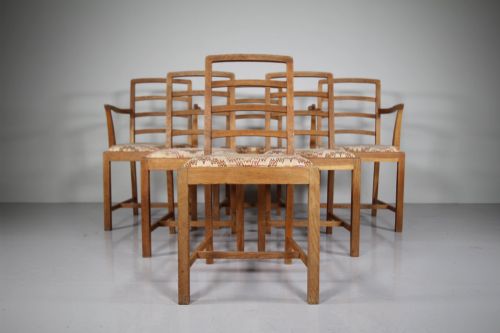
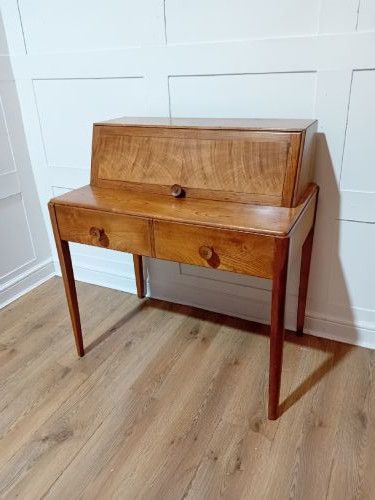
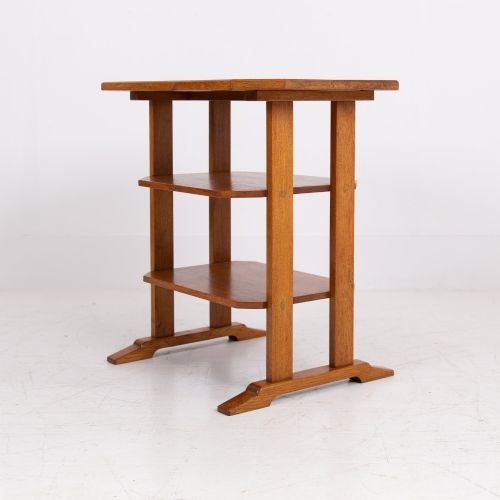
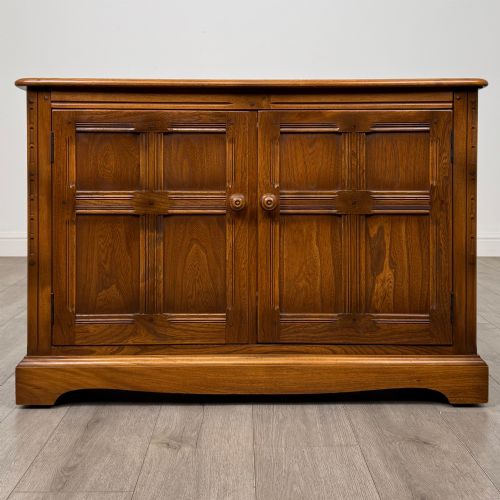
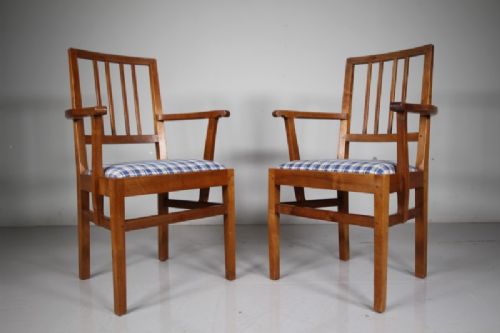
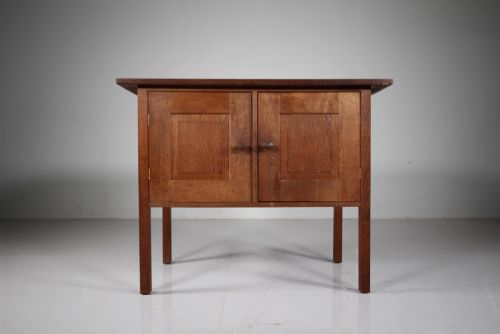
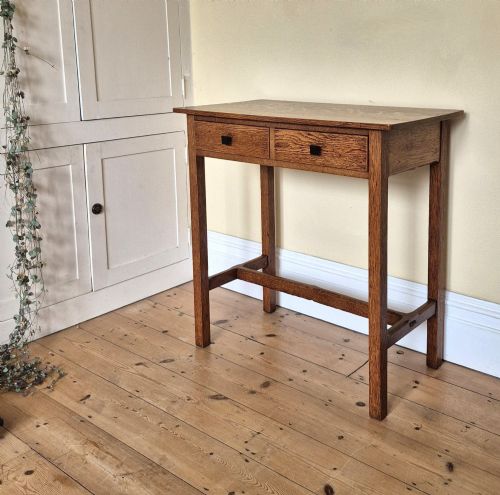
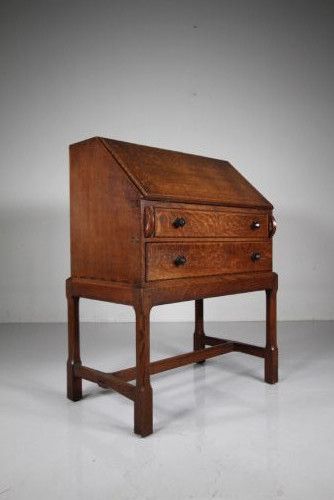
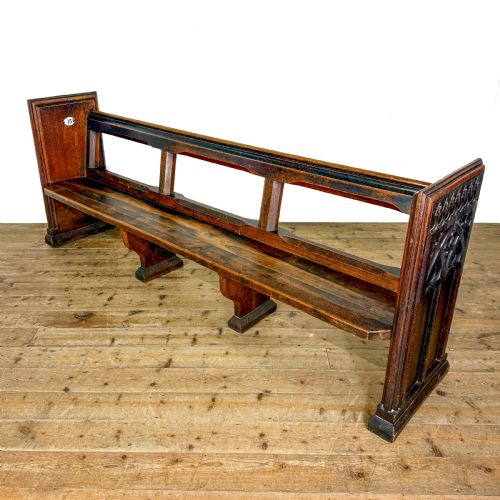
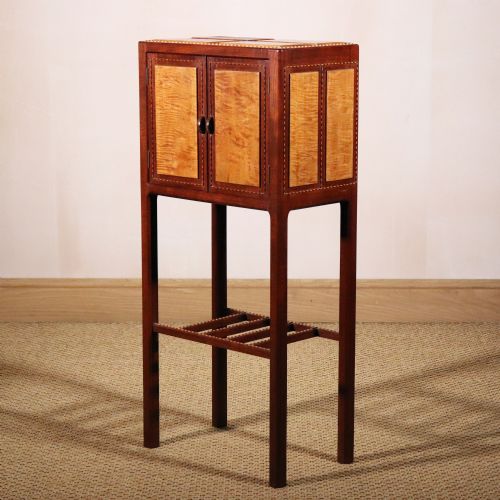
When searching for antique cotswold furniture, buyers encounter pieces rooted in the Arts and Crafts movement and the twentieth century Cotswold School tradition. The selection here spans dining chairs, side tables, desks, and cabinets produced across several decades.
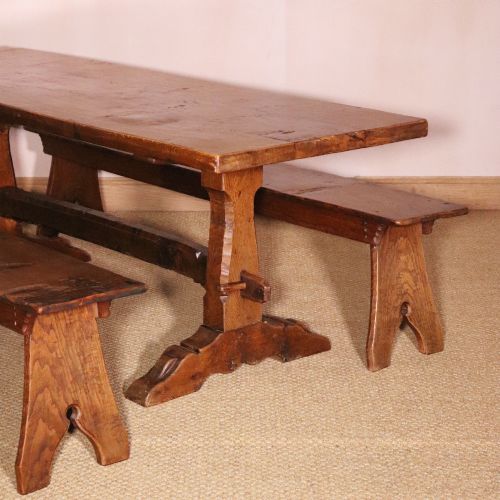
Solid oak dominates the pieces available, alongside walnut, fruitwood, and mahogany forms from the nineteenth century up to the mid twentieth century. These domestic and utilitarian objects emphasise functional design over superficial ornament.
How these pieces were made
Makers utilised solid oak, walnut, fruitwood, and yew wood, often leaving the natural grain visible to honour the material. Construction relies on traditional joinery techniques, executed by hand in workshops rather than automated factories.
Antique Cotswold Furniture Retail Price Guide 2026
Typical asking prices for cotswold furniture among the pieces listed under this phrase on Sellingantiques today, from the lower quarter to the upper quarter. They describe what is for sale here now, not the wider market.
Several pieces carry physical maker stamps pressed directly into the solid timber, leaving the craftsman's signature in the grain.
What varies in quality
The distinction between standard utility items and finer pieces rests upon the integrity of the timber selection and the precision of the hand joinery. Stamped signatures or documented workshop attributions elevate certain desks, cupboards, and chairs above anonymous production.
Proportion and balance define the superior examples, where grain alignment and restrained design show the maker's hand clearly. Lesser pieces rely on simpler execution without the refined detailing seen on documented workshop outputs.
Heals of London·Jack Grimble·Oliver Morel·Arthur Basil Reynolds·Edward Barnsley·Peter Waals·Stanley Webb Davies·Hubert Simpson·Arthur Reynolds
The Antique Cotswold Furniture Glossary
- Arts and Crafts
- A design movement advocating traditional craftsmanship, simple forms, and local materials in reaction to machine-made mass production.
- Bureau
- A writing desk featuring a sloping hinged flap that opens to reveal internal compartments and pigeonholes.
- Occasional table
- A small, movable table designed for a specific, intermittent use such as holding a lamp or books.
- Pew
- A long wooden bench with a high back, traditionally found in churches but adapted for domestic seating.
Antique Cotswold Furniture: Frequently Asked Questions
What is Cotswold furniture?
Cotswold furniture refers to pieces made in the style of the regional English craft movement, prioritising solid timber and visible hand joinery.
These items range from dining chairs and side tables to large wardrobes and sideboards produced across the early twentieth century.
How do I identify Cotswold School pieces?
Look for honest construction methods, exposed dovetails, and solid native woods like oak, fruitwood, and walnut.
Certain pieces carry maker stamps, workshop attributions, or distinct design traits associated with prominent regional craftsmen.
Where were these pieces made?
They originated in workshops and studios across the Cotswolds and related British craft centres, produced by individual makers or firms.
Many bear the influence of the Arts and Crafts movement, focusing on regional materials and traditional hand tools.
How do I care for oak furniture?
Keep solid oak pieces away from direct heat sources and sudden humidity changes to prevent the timber from splitting.
Feed the wood occasionally with appropriate natural wax and dust gently with a soft cloth to maintain the surface.