
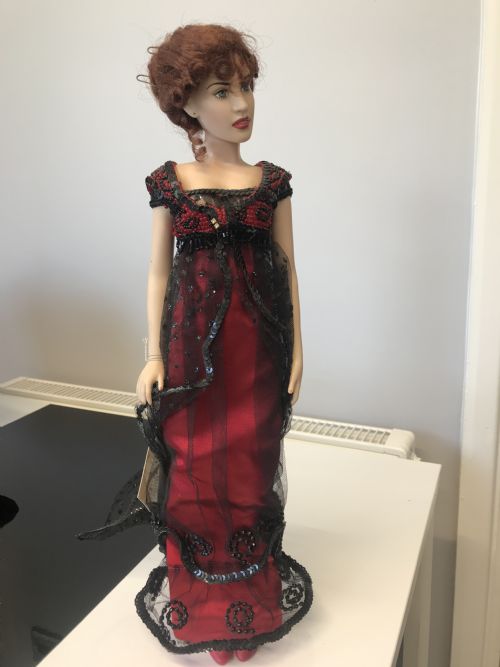
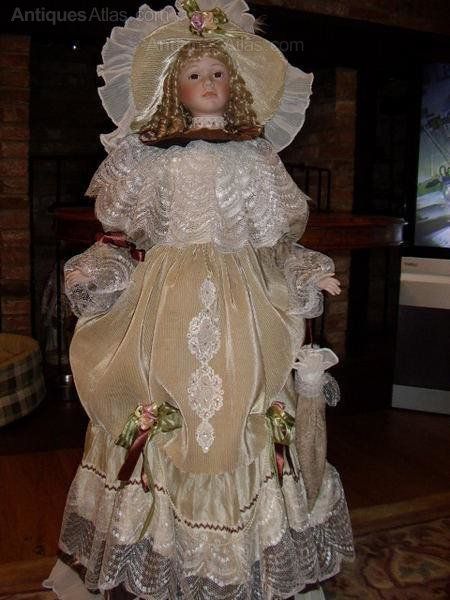


Antique Costume Dress
An antique costume dress brings historical textiles and period tailoring into your home.
Antique Costume Dress
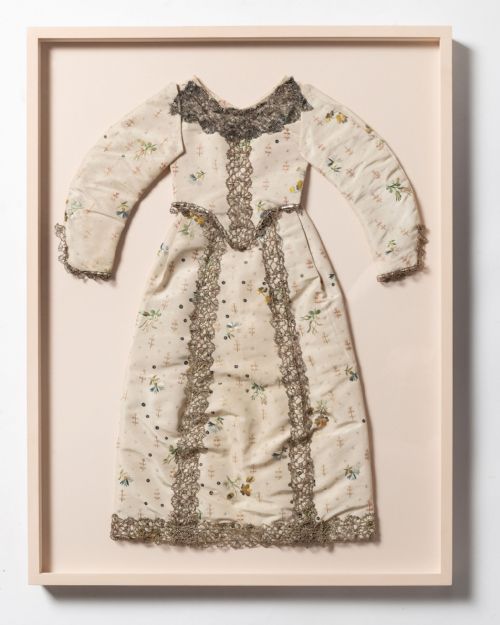
When you search for an antique costume dress, you encounter garments and representations spanning the eighteenth century to the twentieth century. The selections available encompass framed textiles, mannequins with costume coats, and garments such as red velvet dresses with silver metal thread brocade work.
You are likely to meet nineteenth-century framed dress pieces alongside portraits depicting period attire. The inventory also includes specialised items like an antique Uzbek red velvet dress dating to the late nineteenth century.
The category extends beyond garments to encompass related artefacts that record historical dress. These items reflect eras such as the Georgian, Victorian, Edwardian, and Art Deco periods.
Materials and construction methods
Garments and textile pieces utilise materials like silk and velvet, often enhanced with silver metal thread brocade work. These textiles require careful needlework and specialised weaving techniques appropriate to their respective periods.
Representations of dress utilise oil on canvas, paper, watercolour, and porcelain. Artists and makers applied these media to capture the precise details of historical costumes and portraits.
A Regency portrait comes with fourteen costume overlays to change the lady's outfit.
Assessing quality in historical garments
The standard of textile work and embellishment defines the upper tier of these pieces. Fine metal thread brocade and well-preserved fabrics distinguish superior garments from simpler examples.
Execution in visual depictions relies on the skill of the artist or portraitist. Detailed brushwork in oil paintings and watercolours elevates the representation of historical costume.
Stockman of Paris·Royal Copenhagen·Robert Alexander Hillingford·Paul Schier·Adolphe-Alexandre Lesrel
The Antique Costume Dress Glossary
- Brocade
- A class of richly decorative shuttle-woven fabrics, often made with coloured silk and metallic threads.
- Costume overlay
- A translucent flap or layer placed over a base portrait to display changing garments.
- Mannequin
- A bust or figure used for displaying clothing, often constructed with a fabric-covered body and wooden stand.
- Paste
- Hand-cut glass used to imitate gemstones in jewellery and decorative metalwork.
- Velvet
- A type of tufted fabric in which the cut threads are evenly distributed, providing a distinctive soft feel.
Antique Costume Dress: Frequently Asked Questions
What is an antique costume dress?
An antique costume dress is a historical garment or a framed textile representation dating from past centuries.
These pieces capture the tailoring, fabrics, and stylistic norms of eras ranging from the Georgian period to the twentieth century.
How should I display a framed dress?
Framed antique dresses need placement away from direct sunlight to protect delicate textiles from fading.
Maintaining stable indoor humidity levels also helps preserve fabrics like silk and velvet over time.
What materials appear in these pieces?
Listings feature textiles such as red velvet and silk, frequently combined with silver metal thread brocade work.
Related portraits and figures incorporate oil on canvas, paper, watercolour, and porcelain.
How do I identify the period?
Dating relies on the construction style, the cut of the fabric, and accompanying documentation or signatures.
Comparing the textile techniques with known historical periods helps narrow down the origin.