


Antique Corner Cupboard Unit
An antique corner cupboard unit uses dead space in a room to hold glassware or books while displaying timber grain.
Antique Corner Cupboard Unit
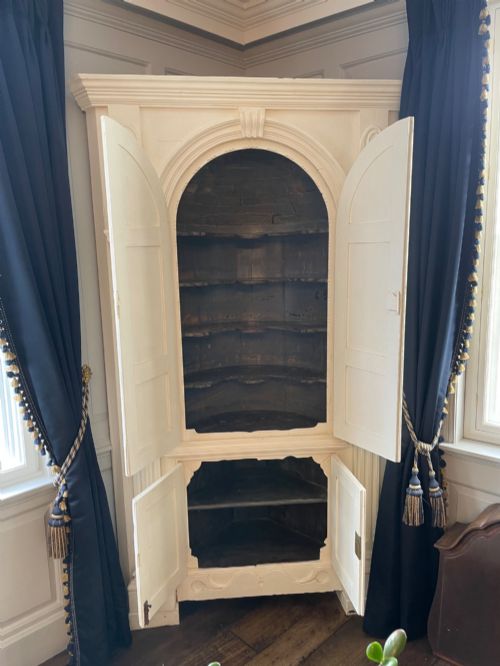
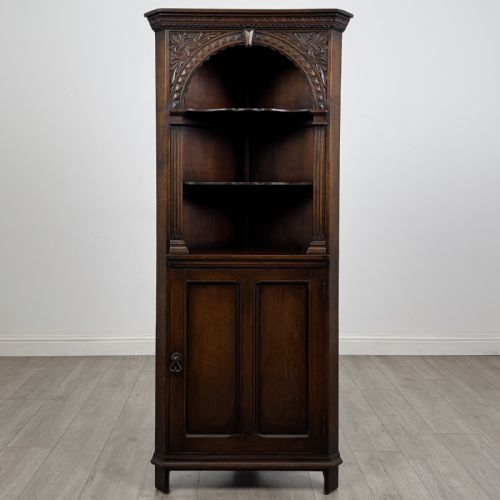
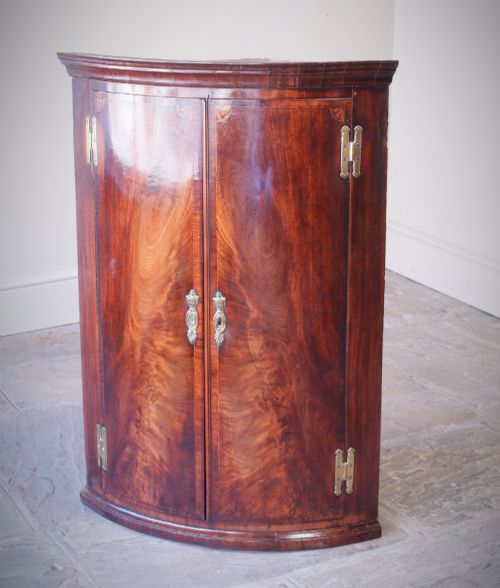
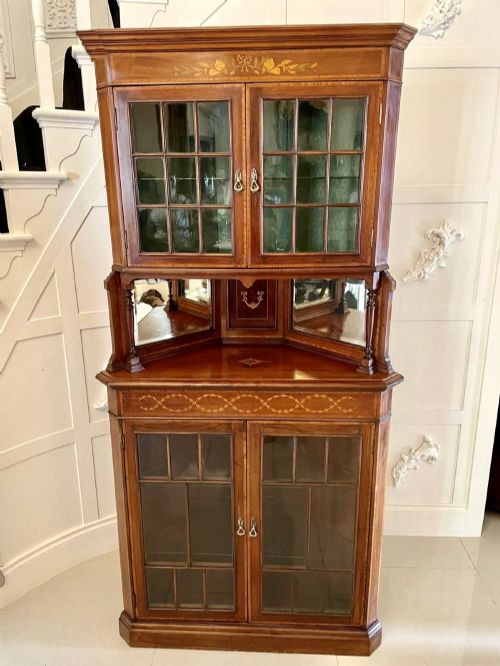
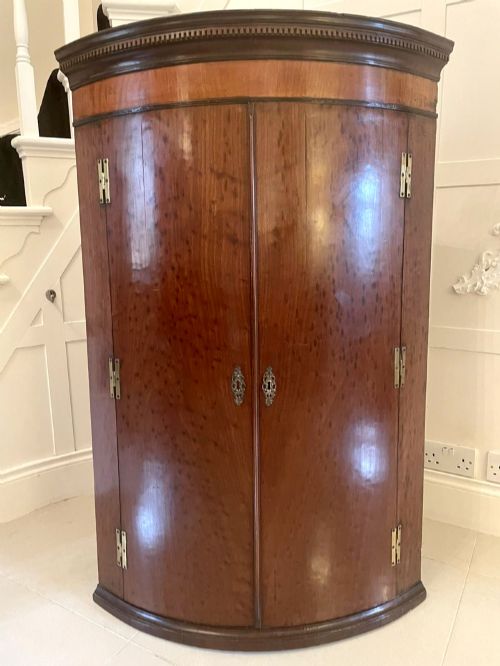
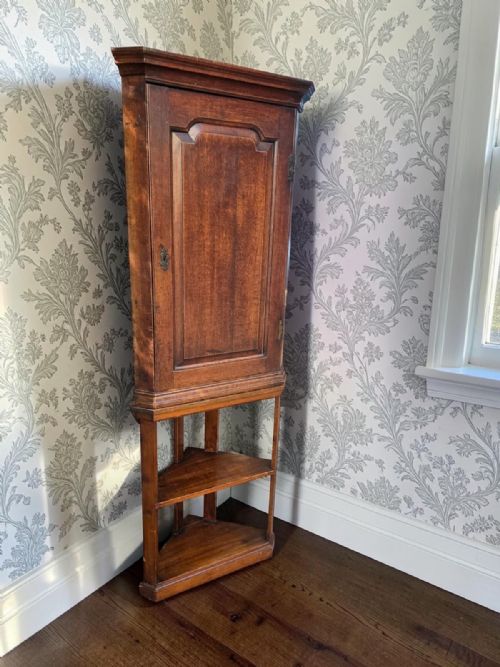
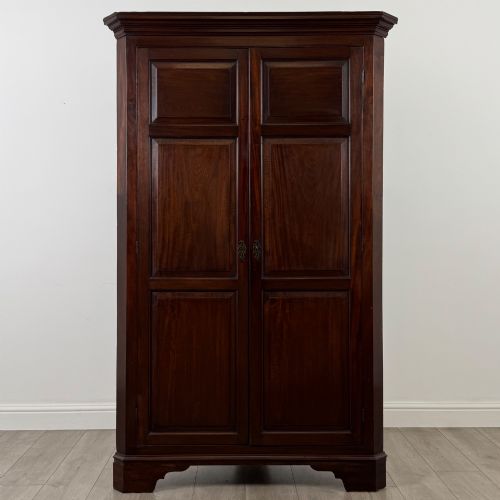
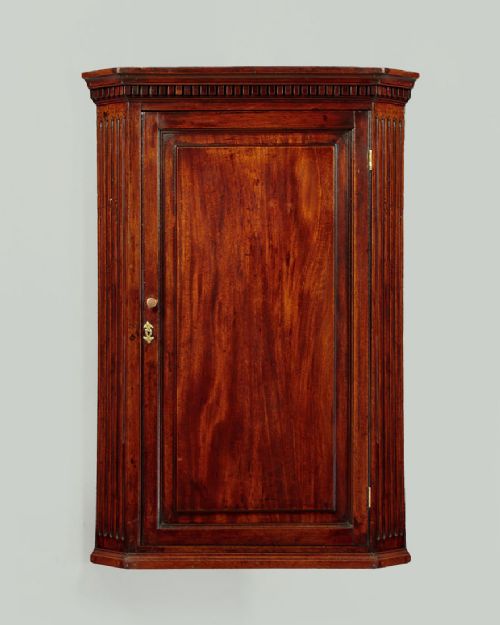
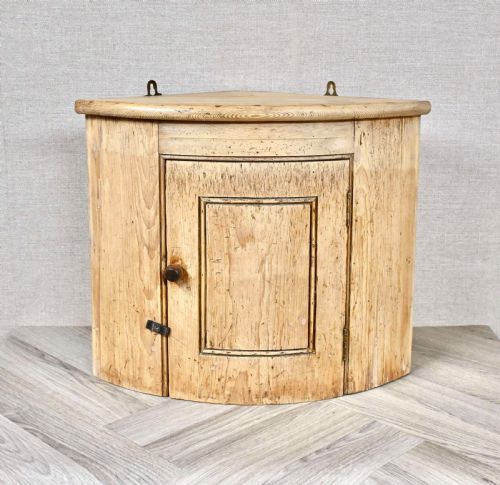
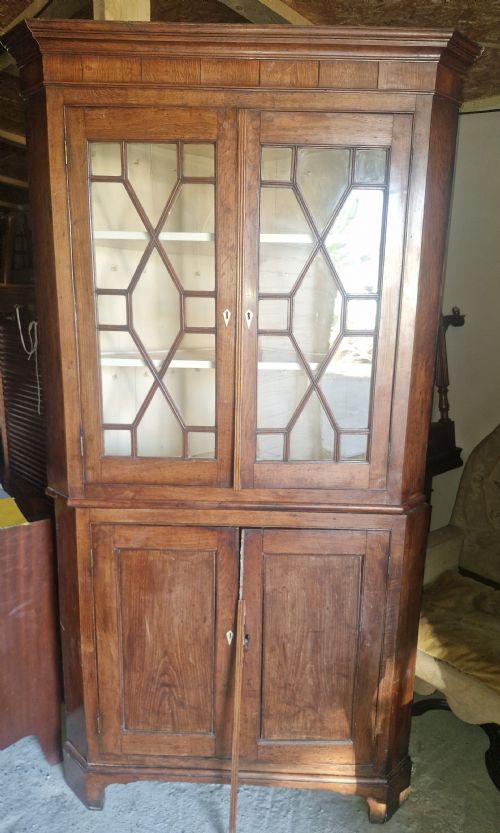
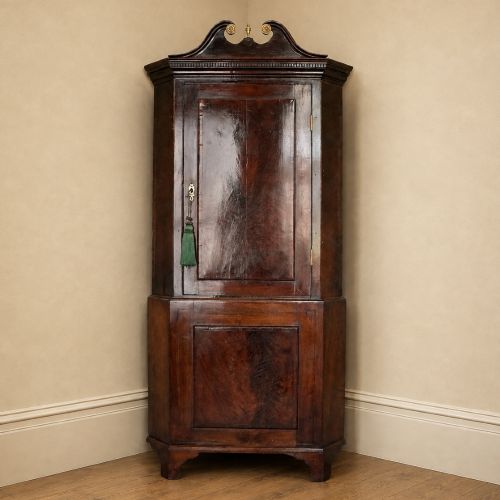
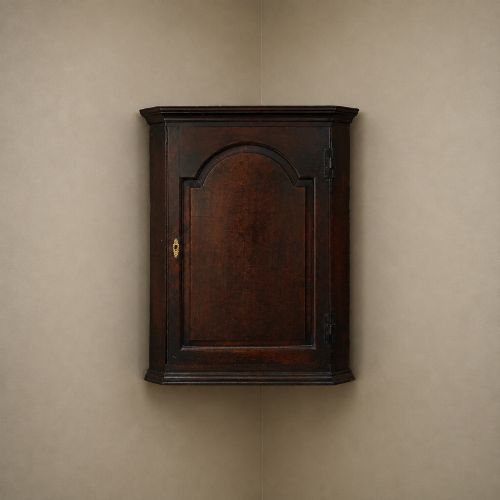
When you search for an antique corner cupboard unit, you encounter wall-hanging vessels, floor-standing units, and two-part cabinets designed to fit snugly into the 90-degree angle of a room. The items listed here range from simple oak storage boxes built in the eighteenth century to grand Edwardian display cases and mahogany bow-fronted numbers.
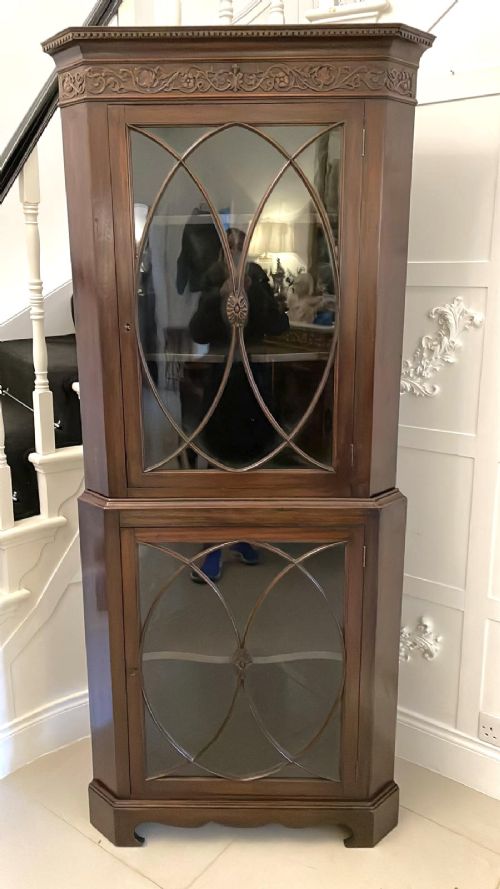
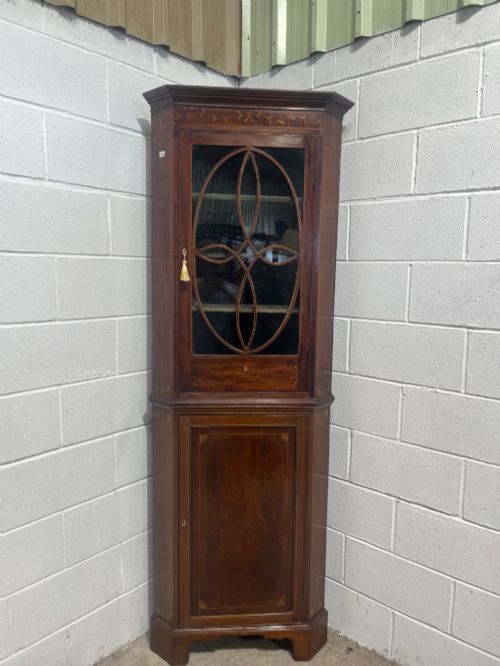
The version you are most likely to meet on this page is the mahogany or oak hanging cupboard, often bearing George III or Georgian styling, though nineteenth-century pine and Edwardian Sheraton Revival pieces appear frequently in the inventory. These forms include glazed doors for showing china, solid wooden panels for hiding provisions, and open upper shelves.
Makers such as Edwards & Roberts contribute specific nineteenth-century pieces to the selection, sitting alongside provincial Welsh two-part cupboards and simple painted country pieces. Each variant serves the primary domestic purpose of turning an awkward corner into a focal point.
Materials and construction methods
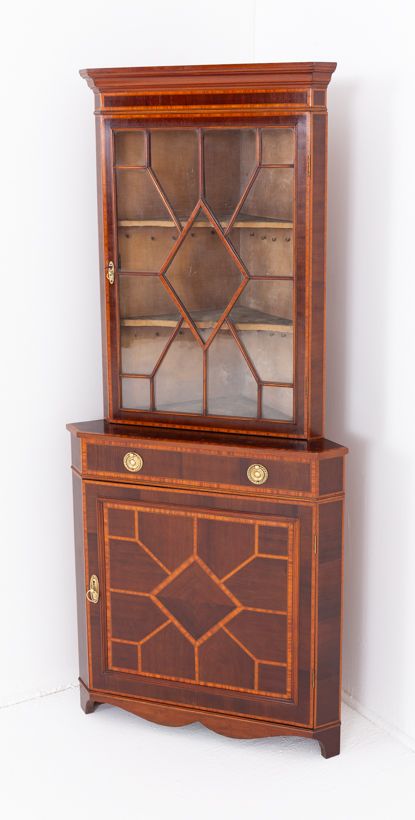
Cabinetmakers built these units primarily using solid and veneered timbers, selecting dense mahogany, figured plum pudding mahogany, and rich walnut for formal pieces, while utilising sturdy oak and pine for utilitarian or regional examples. Satinwood inlay often provides contrasting geometric or floral detail along the borders and friezes.
Glazing techniques involve lead or wooden bars - such as astragal bars - holding individual panes of glass within the doors of display cabinets. Brass hinges, escutcheons, and working keys secure the doors, while internal construction relies on pegged joints, dovetail drawers, and shaped wooden shelving.
Antique Corner Cupboard Unit Retail Price Guide 2026
Typical asking prices for corner cupboard unit among the pieces listed under this phrase on Sellingantiques today, from the lower quarter to the upper quarter. They describe what is for sale here now, not the wider market.
Listings feature mahogany, oak, pine, and walnut timbers spanning the eighteenth, nineteenth, and early twentieth centuries.
Assessing craftsmanship and design
The refinement of the timber selection marks the distinction between standard provincial items and top-tier workshop productions, seen in the fiery grain of plum pudding mahogany or the precise symmetry of satinwood stringing. Simpler pine and oak examples rely on honest vernacular proportions rather than elaborate decorative veneers.
Joinery execution dictates the longevity and visual harmony of the piece, particularly where curved bow-front doors meet the frame or where astragal glazed bars intersect. Superior examples maintain crisp carving details, intact original brass hardware, and well-balanced door alignment without structural sagging.
Edwards & Roberts
The Antique Corner Cupboard Unit Glossary
- Astragal glazed
- A method of dividing a glass door into smaller panes using narrow wooden mouldings. These bars form geometric patterns across the front of display cabinets.
- Bow front
- A convex curved cabinet face that projects forward into the room. This shape softens the hard angles typical of corner furniture.
- Plum pudding mahogany
- A highly figured timber showing dark circular markings resembling fruit in a Christmas pudding. Cabinetmakers reserved this prized wood for important formal facades.
- Two-part form
- A cabinet constructed in separate upper and lower sections that stack together. This configuration assists with transport and placement in domestic spaces.
Antique Corner Cupboard Unit: Frequently Asked Questions
How do I hang a wall cabinet?
Wall-hanging corner cupboards require sturdy fixings screwed directly into masonry or internal wall studs to support the substantial weight of dense hardwoods like oak and mahogany. Internal hanging brackets or screw holes through the backboards secure the unit safely at eye level.
Ensure the wall plate level matches the cupboard internal frame before loading the shelves with heavy ceramics or glass vessels.
What is a two-part cupboard?
A two-part cupboard consists of a base cabinet and an upper display section built as separate modular units that stack one upon the other. This configuration allowed eighteenth and nineteenth-century households to move large furniture through narrow stairwells more easily.
The vertical join often sits behind a moulded mid-section or waist rail, concealing the separation point.
How do I clean old timber?
Maintenance requires gentle dusting with a dry, soft cloth followed by occasional applications of traditional beeswax to nourish dry hardwood surfaces. Avoid modern silicone sprays that build up a sticky residue and attract dust over time.
Keep wooden cabinets away from direct heat sources and strong sunlight to prevent the timber and veneers from splitting or fading.
Are keys usually original?
Many antique cupboards retain their working steel or brass keys, though replacements are common due to centuries of domestic use. Old locks often require specific barrel widths and bit patterns to operate smoothly.
A matched period key operates the brass-lined escutcheon without forcing the internal mechanism.